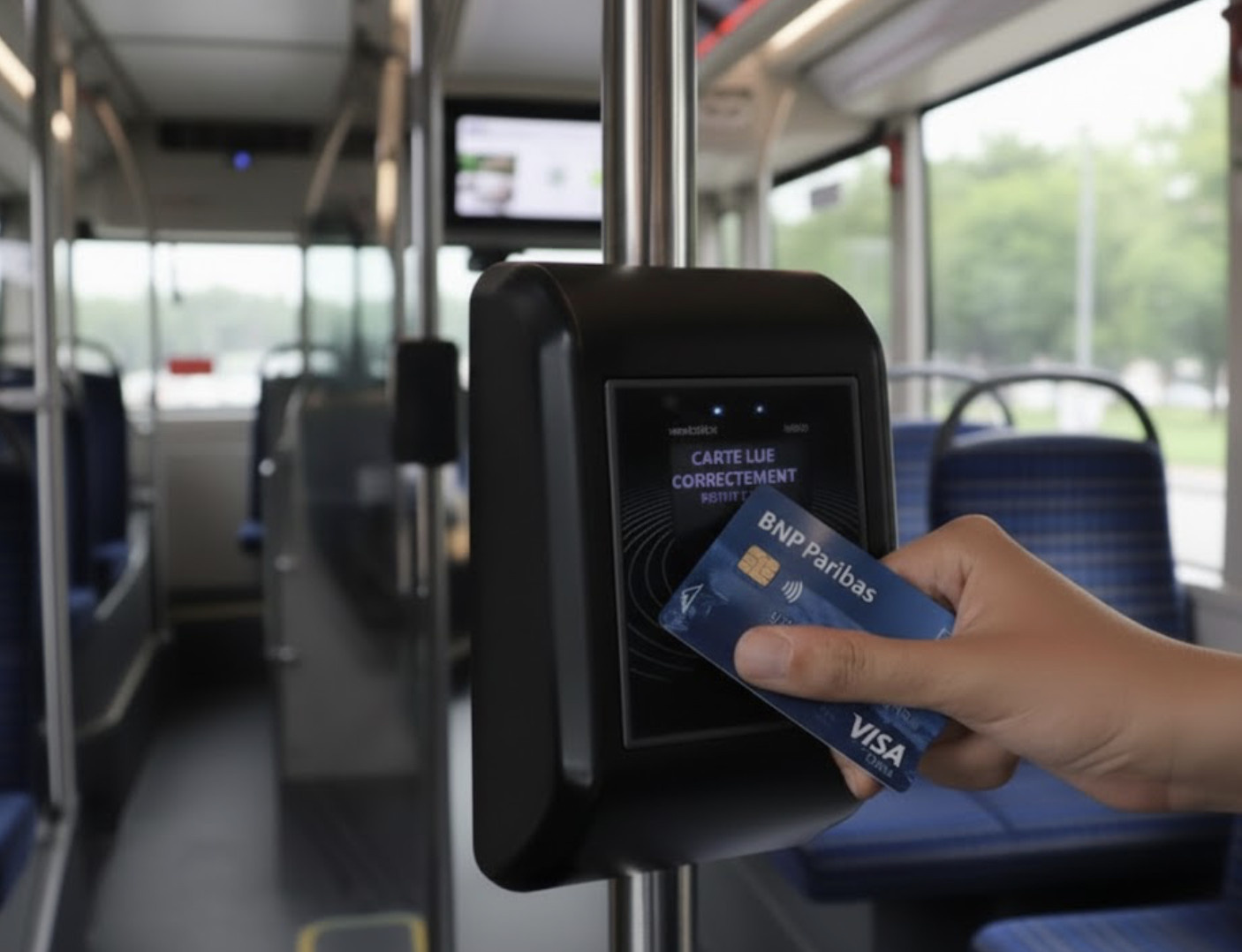
Credit card payment terminals have been gradually arriving on Île-de-France buses since the weekend of November 2, 2025, sparking numerous reactions on social media. This new development comes after the definitive disappearance of t+ tickets from Île-de-France transport network sales points on November 1. In Paris and its inner suburbs, then throughout the Île-de-France region, these small boxes installed next to ticket validation machines are a welcome alternative for users caught off guard, without constituting a true open payment system like those found in some French cities.
The new system takes the form of a terminal installed near the traditional ticket validators. It is easy to use: simply tap your contactless credit card on the terminal to purchase a ticket. Île-de-France Mobilités would like to point out that this service does not replace the usual solutions such as the Navigo card or the smartphone app. "We have asked operators to roll out a new credit card service for passengers who do not have a ticket or the correct ticket for the bus. This service replaces ticket sales by drivers," explains the Île-de-France transport authority.
This initiative is part of the ongoing phasing out of paper tickets, a process that began in October 2025 on surface ticket machines. Bus drivers have not been selling tickets since November 1, hence the need to offer this alternative to passengers. The system exists alongside the SMS ticketing solution, available for several years, which allows passengers to send an SMS containing the line number to 93100.
Contrary to the expectations of some users, these terminals do not allow you to purchase tickets with connections. "These tickets do not allow connections and are only valid for the duration of the journey," insists IDFM. The emergency ticket purchased via these terminals costs €2.50, the same price as previously charged by drivers. This price is higher than the standard €2.50 metro-train-RER ticket, which allows transfers within two hours.
The purpose of these terminals remains clear: to help passengers who have not planned their journey in advance and find themselves without a payment solution once on board. IDFM strongly encourages Île-de-France residents to opt for digital solutions. "We are increasingly encouraging passengers to plan ahead by purchasing or recharging their tickets on their smartphones via apps, in order to save time," says the transport authority.
A legitimate question arises: if credit card payment terminals are coming to buses, why aren't they available on the metro, RER, and Transilien trains? The answer lies in the very nature of this system. The terminals installed on buses are not a true open payment system, but simply terminals for selling emergency tickets without transfers.
For rail transport such as the metro or RER, the need is completely different. Stations already have a dense network of ticket machines and ticket offices where passengers can buy or top up their tickets before accessing the platforms. Passengers can also use their smartphones to buy tickets via dedicated apps. Installing emergency ticket machines inside trains would therefore make no practical sense, unlike on buses, where passengers board directly without having to purchase tickets in advance.
The question comes up regularly: why doesn't the Île-de-France region generalize open payment, a system that allows passengers to validate their journey directly with their credit card on all modes of transport, as is the case in Lyon, Rennes, Dijon, and London? Two main factors explain this reluctance, which affects all transport in the Île-de-France region, including trains.
Firstly, it is a question of strategy. IDFM wants to preserve its own ticketing ecosystem centered around the Navigo pass rather than delegating management to banking networks. Fare control with discounts, connections, and monthly caps is something the region is keen to retain. Credit card operators charge up to 10% commission on each ticket sold, a cost that the Île-de-France authority would prefer to avoid. "We would have to change the RATP's 10,000 ticket validators" to switch to this system, according to the CEO of IDFM, a colossal investment that the region does not wish to undertake.
Furthermore, the technical complexity of the Île-de-France network is a major obstacle. With its numerous interconnected metro, RER, tram, and bus lines, handling millions of passengers every day, implementing a universal system that recognizes all modes of transport and manages fares, connections, and validation flows is a colossal undertaking. While smaller cities such as Lyon and Rennes have been able to switch to open payment without any major difficulties, the scale and complexity of the Île-de-France network make the transition much more delicate. The region therefore favors its own ticketing infrastructure, even if it means missing out on the simplicity offered by direct payment by credit card.
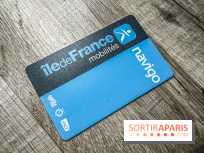
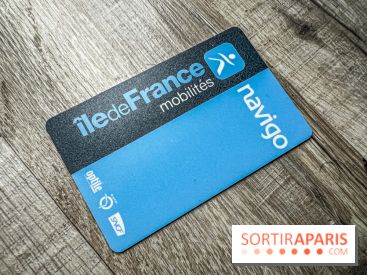
For occasional travelers, there are now several solutions available in the Île-de-France region. The Navigo Easy card is a rechargeable option without a subscription, available for €2 from vending machines. The Île-de-France Mobilités and Bonjour RATP apps allow you to purchase and store tickets directly on your smartphone, whether Android or iOS, since 2024.
Since January 2025, pricing has been simplified with only two types of tickets for occasional travelers: a metro-train-RER ticket for €2.50 valid in all zones (excluding airports), and a bus-tram ticket for €2 regardless of destination. The Navigo Liberté+, available on smartphones since June 2025, offers an attractive alternative with post-payment, connections included, and a 20% discount on journeys made.
In short, while these new credit card payment terminals are a welcome safety net for travelers caught off guard, they are no substitute for proper planning. In any case, this is not the most cost-effective solution if you need to make connections. To take full advantage of the Île-de-France network with attractive fares and connections, it is better to plan ahead and opt for digital solutions or the Navigo pass. Credit card payment terminals will continue to be gradually rolled out on all Île-de-France buses over the coming months.
Recommended age
For all