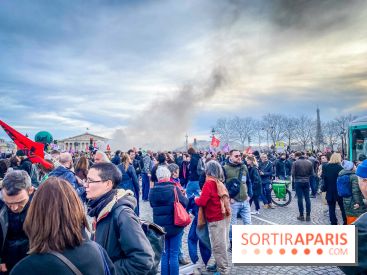
Energy companies are mobilizing across France this Tuesday, September 2. The Fédération nationale des mines et de l'énergie CGT (FNME-CGT) has launched a strike that can be renewed, affecting the 140,000 employees in the sector, spread across 157 companies including EDF and Engie. It's a major movement for what promises to be an eventful back-to-school season.
On Monday evening, Mathieu Pineau, federal secretary of the FNME-CGT, confirmed that 220 picket lines would be organized throughout France. The majority union in the sector intends to put pressure on employers around demands it considers essential for employees and users alike.
At the heart of their demands is the repeal of the government's pension reform. Energy sector employees are also contesting the recent rise in VAT on energy, from 5.5% to 20% on subscriptions as of August 1, 2025. This measure, imposed by European regulations, weighs particularly heavily on the most precarious households, according to the CGT.
With regard to wages, the union is calling for the first step of the salary scale to be aligned with the minimum wage. At present, this minimum is 9% below the legal minimum wage. Strikers are also demanding an increase in on-call allowances and measures to keep pace with inflation.
Fabrice Coudour, General Secretary of FNME-CGT, points out that wage negotiations have been dragging on since April 2024. He assures us, however, that "our intention is not to affect users" by cutting off electricity or gas.
This morning, the general assemblies on the sites defined the concrete modalities of the movement. In some nuclear power plants, production cuts are planned to put pressure on management. Anthony Lavrador, CGT manager at the Saint-Laurent-des-Eaux plant in the Loir-et-Cher region, explains the strategy: "The aim is to affect our employers through strike action by producing less, not to impact users", he tells AFP.
This measured approach aims to maintain energy supplies while creating a balance of power with the sector's companies. Strategic sites such as power plants or distribution centers could experience slowdowns without causing widespread blackouts.
For the time being, the CGT is the only union calling a strike. The CFDT, the sector's third-largest union, prefers dialogue with employers before considering further action. This position divides staff representatives on the strategy to adopt.
The movement could, however, take on another dimension. Fabrice Coudour doesn't rule out making a link with the "Bloquons tout" citizens' appeal planned for September 10. "Our renewable notice and the call to block everything on the 10th are not opposed to each other, quite the contrary", he points out. A convergence that could be part of the "reconductibility of the movement" if it continues.
What happens next will be decided on Thursday morning, September 4, at a meeting to review any progress made. In any case, this strike in the energy sector marks the start of what promises to be a particularly turbulent back-to-school period. Other sectors could follow suit in the coming days, particularly in view of the mobilizations planned for September 10 and 18 against the Bayrou government's policies.
Users can follow developments on theEDF andEngie websites, as well as on the CGT portal for the latest information on this major industrial action.
Recommended age
For all