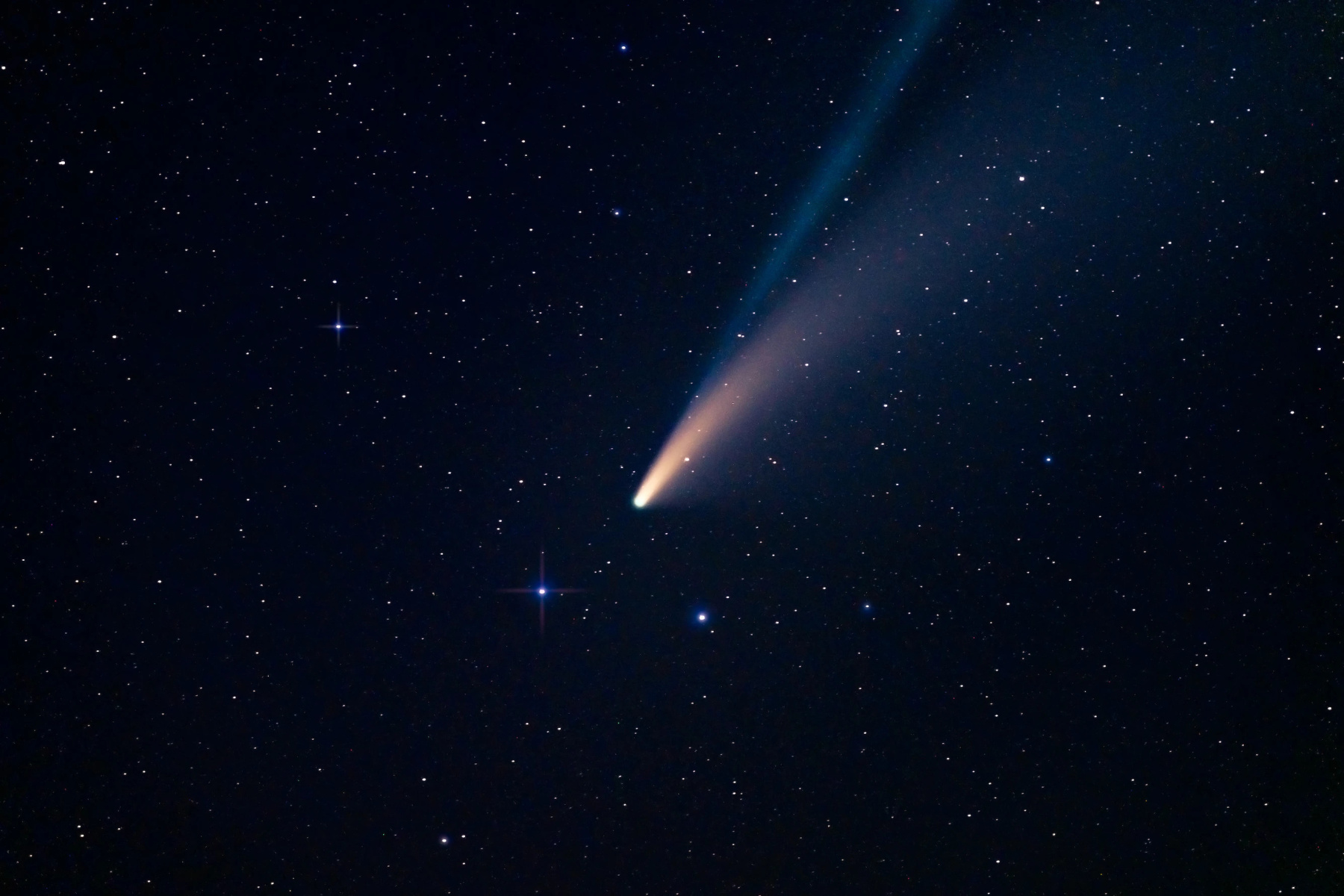
April 2026's sky offers a marquee guest: the comet C/2025 R3 (PanSTARRS). Discovered last September in Hawaii and coming from the Oort Cloud, it is approaching our corner of the solar system (from very far away, we assure you), giving Earth observers a chance to study it. According to NASA's forecasts, it should brighten as the month goes on and become visible between April 17 and 19, with the possibility of being the brightest of the year!
This comet will reach its closest approach to Earth on April 27, coming within about 44 million kilometers of our planet. However, brightness predictions should be viewed with caution: comets are inherently unpredictable. C/2025 R3 could just as easily put on a spectacular show as break apart under the Sun’s heat, leaving behind only a barely visible cloud of debris.
To catch a glimpse of it, look to the Pegasus and Pisces constellations in the east, in the pre-dawn hours, roughly two hours before sunrise. Unless there is an exceptional flare (which remains uncertain), it will appear as a small, diffuse speck, especially if you’re affected by light pollution. To have any chance of observing it, you’ll need to leave the capital behind and opt for dark-sky spots and a clear horizon.
To truly distinguish its tail, a pair of binoculars or a telescope remains essential for now, but it could be visible to the naked eye at its perihelion and approaching magnitude 3. What you’re sure to see if the weather cooperates are the Lyrids, the annual April meteor shower!
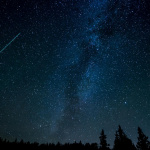
Lyrids: a beautiful meteor shower visible in the late-April sky; how to observe it?
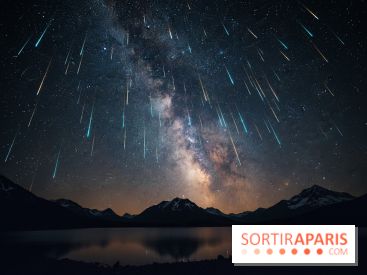
From April 16 to 26, 2026, a meteor shower will light up the French skies. As every year, it’s the Lyrids greeting us, meteors streaking through our atmosphere in the spring. Look up and enjoy the show as soon as the skies clear! [Read more]





































 Lyrids: a beautiful meteor shower visible in the late-April sky; how to observe it?