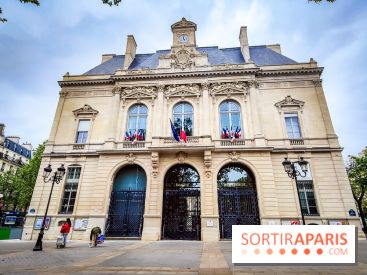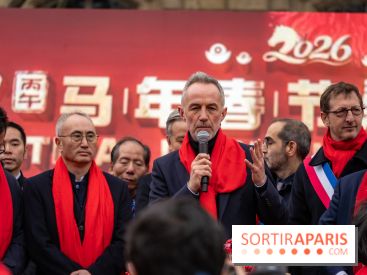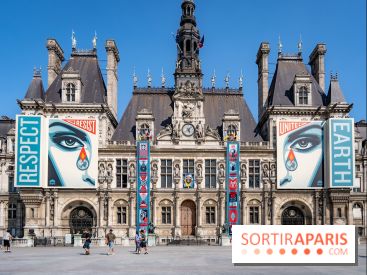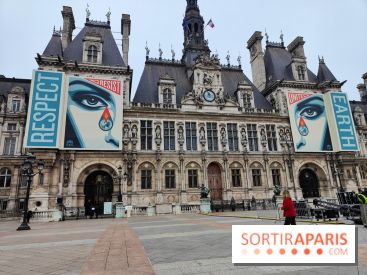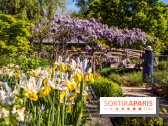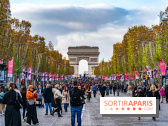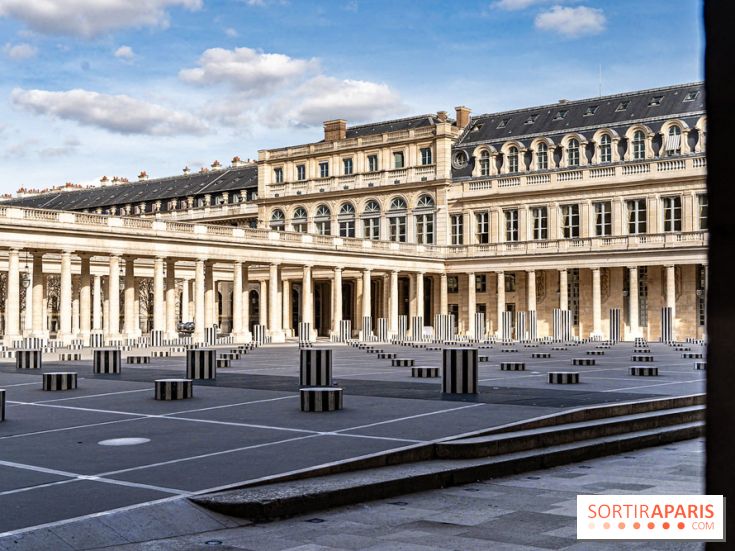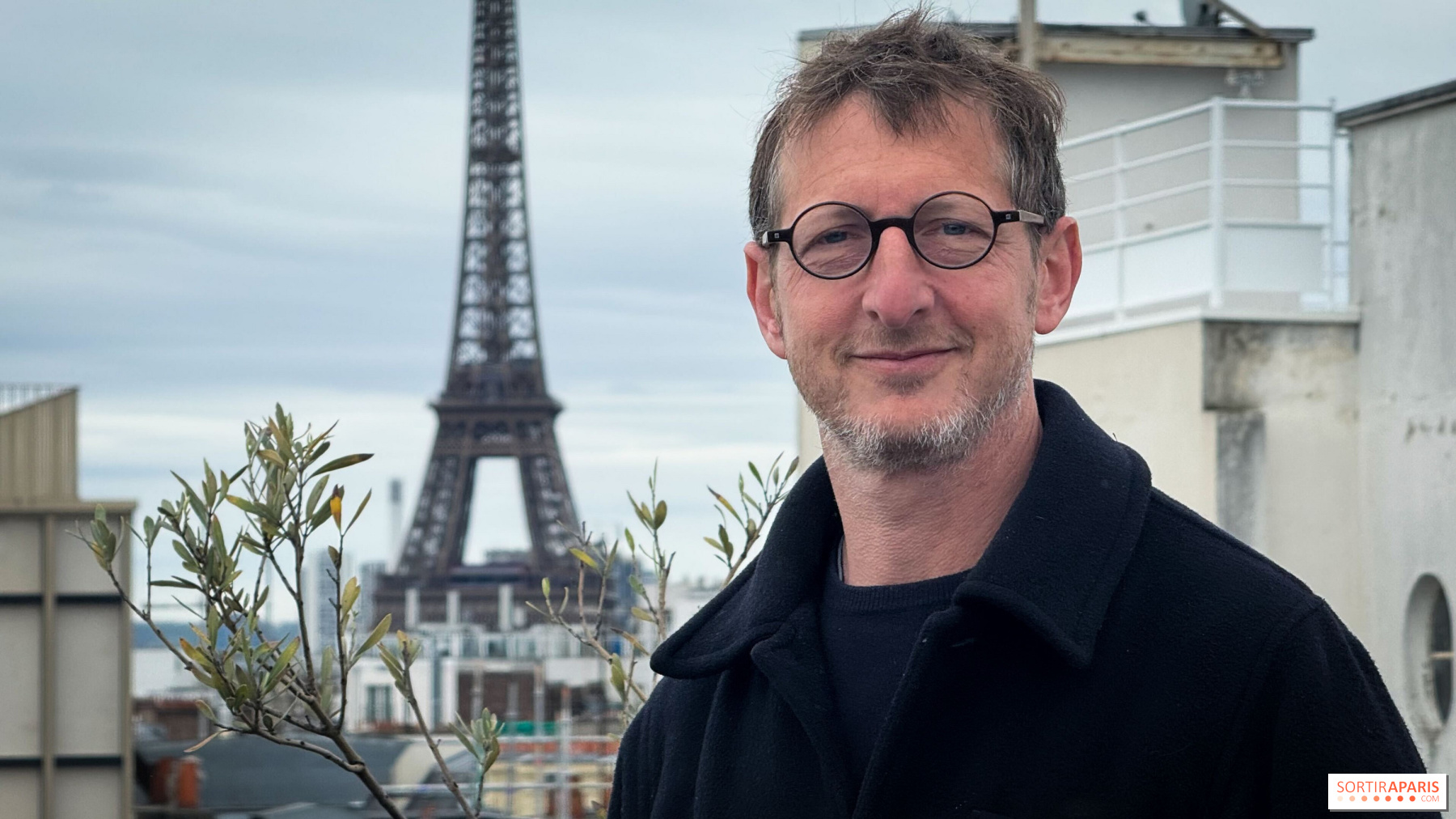
Paris Centre is the Paris of postcard-perfect monuments you think you know by heart, but it’s also the streets, places and habits that often slip past the casual eye. Who better to talk about it than its mayor, Ariel Weil? Freshly re-elected, the elected official shares his discoveries, his favorites and his recommendations. A quick tour of what Paris Centre has to offer with the mayor, in this district of multiple identities.
To help our readers get to know you better, could you introduce yourself?
An economist by training with a long career in the private sector and academia — Sciences Po, HEC, and the United States — I briefly served as a parliamentary assistant, but I left soon after, convinced you need to have lived, learned and worked elsewhere before taking on public responsibilities.
I’m mostly a lifelong resident of central Paris, and today I serve as its mayor. I want to stay closely connected to the territory, not shut away in my office: coffee shop meetings, time outdoors, in the streets, in shops and on the squares — that’s how you truly understand a city. I like the idea of being a hands-on mayor, rooted in the neighborhood, who walks, rides a bike, and maintains a direct link with residents.
I find the regular office hours tedious, so once a month I invite residents to gather over coffee and croissants for two hours to talk about any topic, often with a local guest.
What cultural experiences do you enjoy most in your spare time?
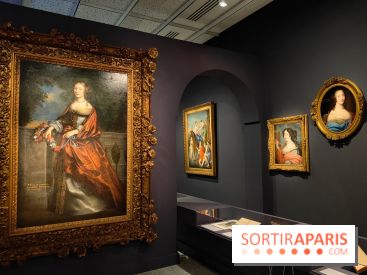
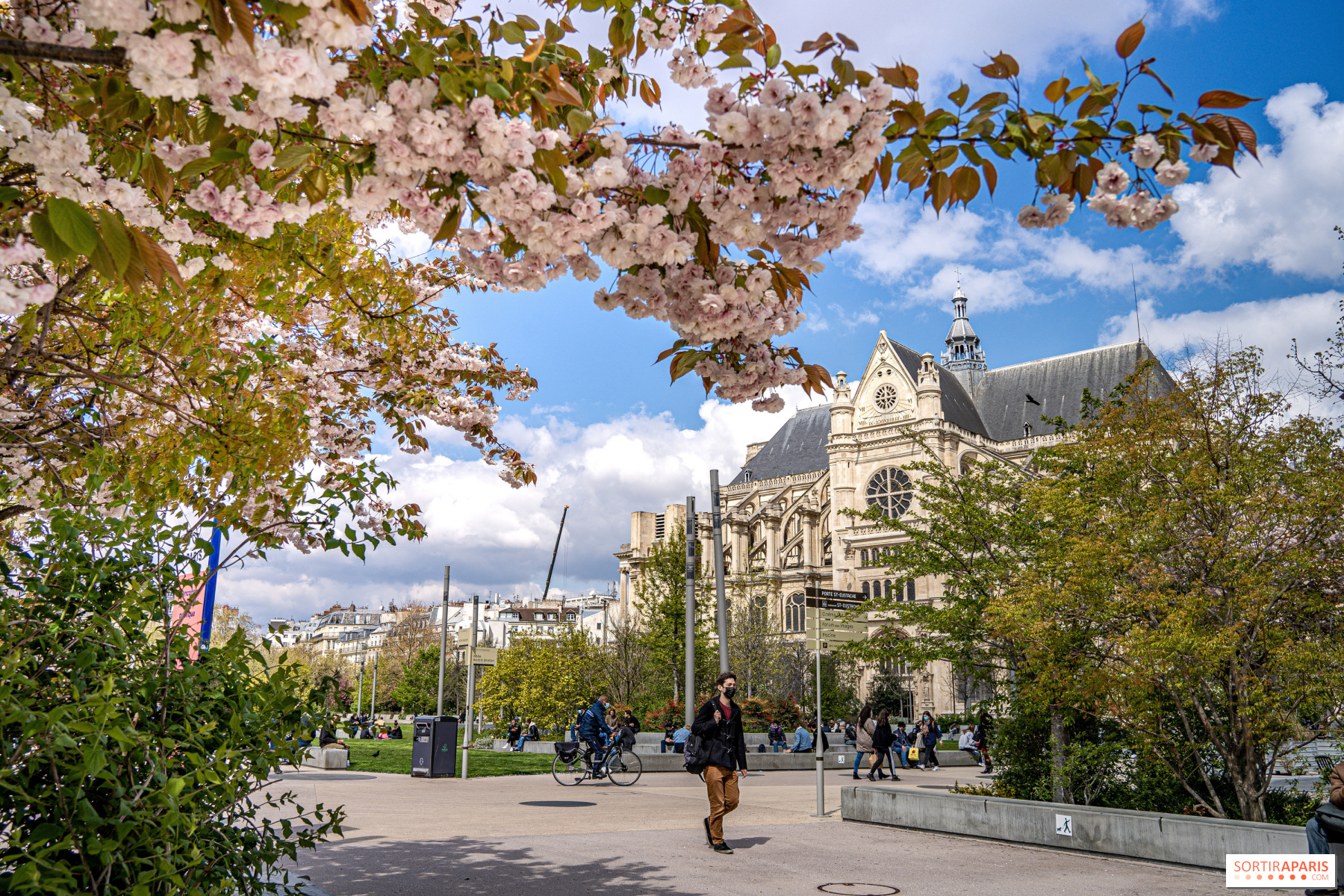
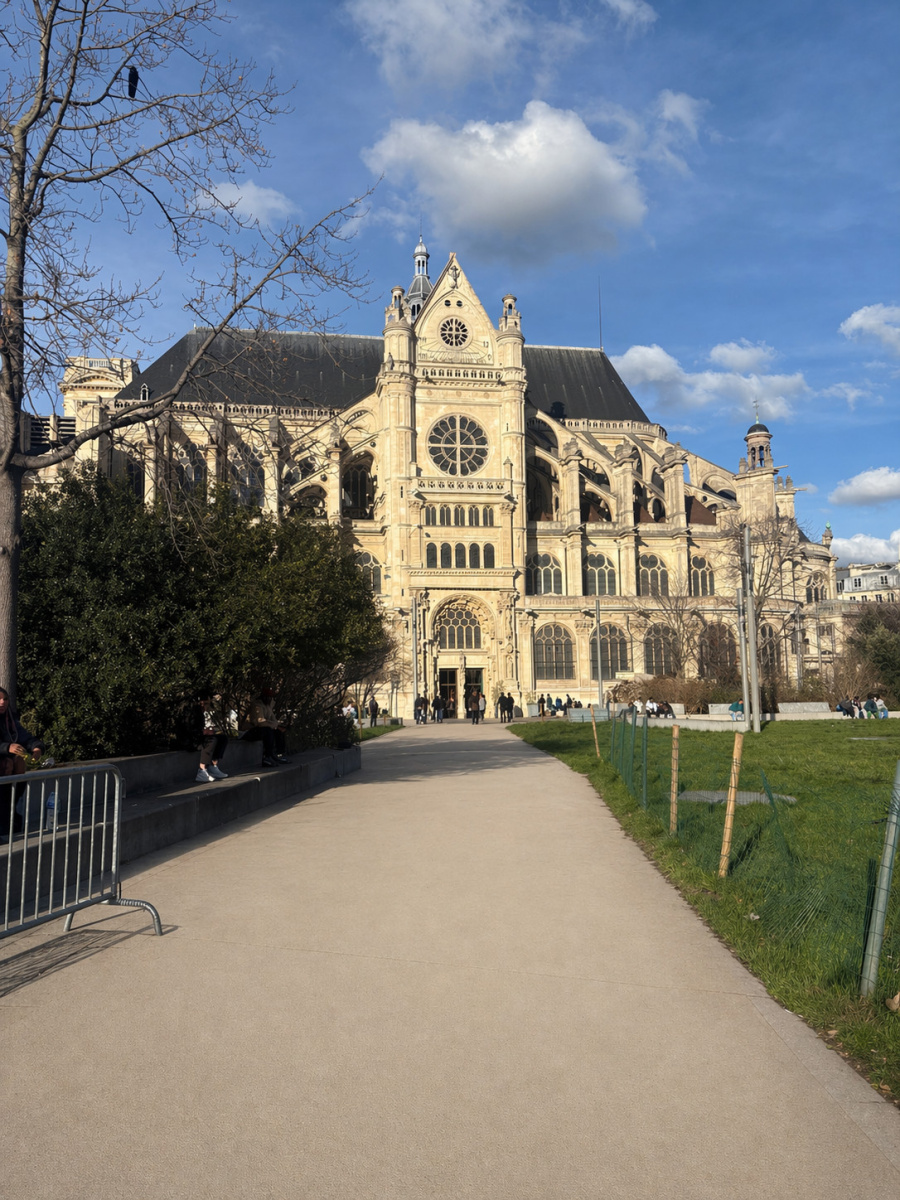
I have fairly varied tastes. A portion of my cultural life is linked to my role, in the heart of a region of exceptional richness, between the Louvre, Notre-Dame, the Centre Pompidou, the galleries and the theatres. I also go to the churches, for the architecture as much as for the works they house: Delacroix, Tintoretto, Keith Haring at Saint-Eustache... People often forget that in Paris, especially in the city center, these places form a single great museum.
With my daughter, who is deeply involved in live performance, I go to musicals, in Paris as well as London. Recently we saw La Cage aux Folles, 42nd Street, Les Misérables. I love cinema, especially the Grand Rex, and the atmosphere at manga premieres like Sword Art Online and Demon Slayer. There’s a real fervor around cosplay (I’ve even worn a cape to the Demon Slayer premiere!) and a surprisingly joyful collective spirit. Finally, I enjoy stand-up; I’ve had the opportunity to see artists such as Rosa Bursztein, Alison Wheeler, Paul Mirabel, or Louis C.K.
Which event would you especially recommend to our readers?
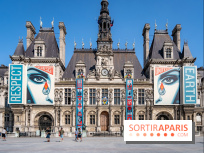
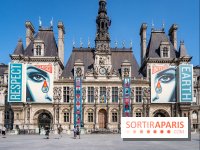
I’d rather focus on events a bit less conventional than the big must-sees. At the town hall, we run a local program, often free, that helps people discover artists and formats that are more low-key, such as photo exhibitions. At the moment, the town hall’s display boards are hosting an exhibition from the workshop of artists in exile.
Every Tuesday evening, concerts and cultural events are staged in the town’s community hall (and on Thursdays in another municipal venue), featuring young artists, bands, choirs, associations, or conservatory students who, otherwise, wouldn’t all have the chance to perform on a proper stage.
I also recommend the Foulées de Paris Centre, a human-scale race that’s very family-friendly and which we’ve relaunched. It isn’t designed for pure performance, but for the joy of running together, with formats for children, accessible courses, and family relay options.
How would you describe your districts to someone who doesn’t know them? What do you have here that you can’t find anywhere else, and what makes you the most proud?
It’s a living heritage, one of the world’s most famous places and yet often misunderstood. Everyone thinks of the Louvre, Notre-Dame, the Place des Vosges, and the Centre Pompidou, but what interests me is what’s beside it: the small museums, hidden gardens, historic townhouses, hubs of cultural exchange, and streets whose history you wouldn’t guess.
It’s this layering of histories, cultures, heritages and everyday life that I’m most proud of; the ability to, in minutes, shift from a grand monument to an obscure garden, from a synagogue to a church, from a Uyghur restaurant to a historic café, from a niche museum to a square where children play football. It’s this density and diversity that form the soul of Paris Centre.
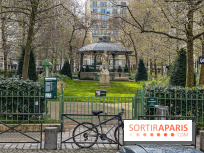
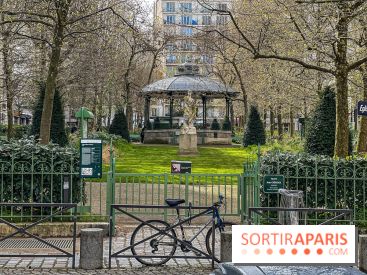
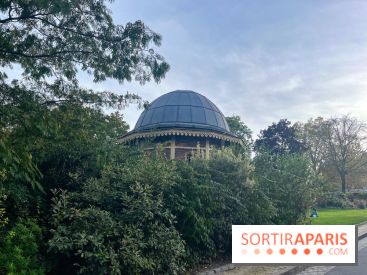
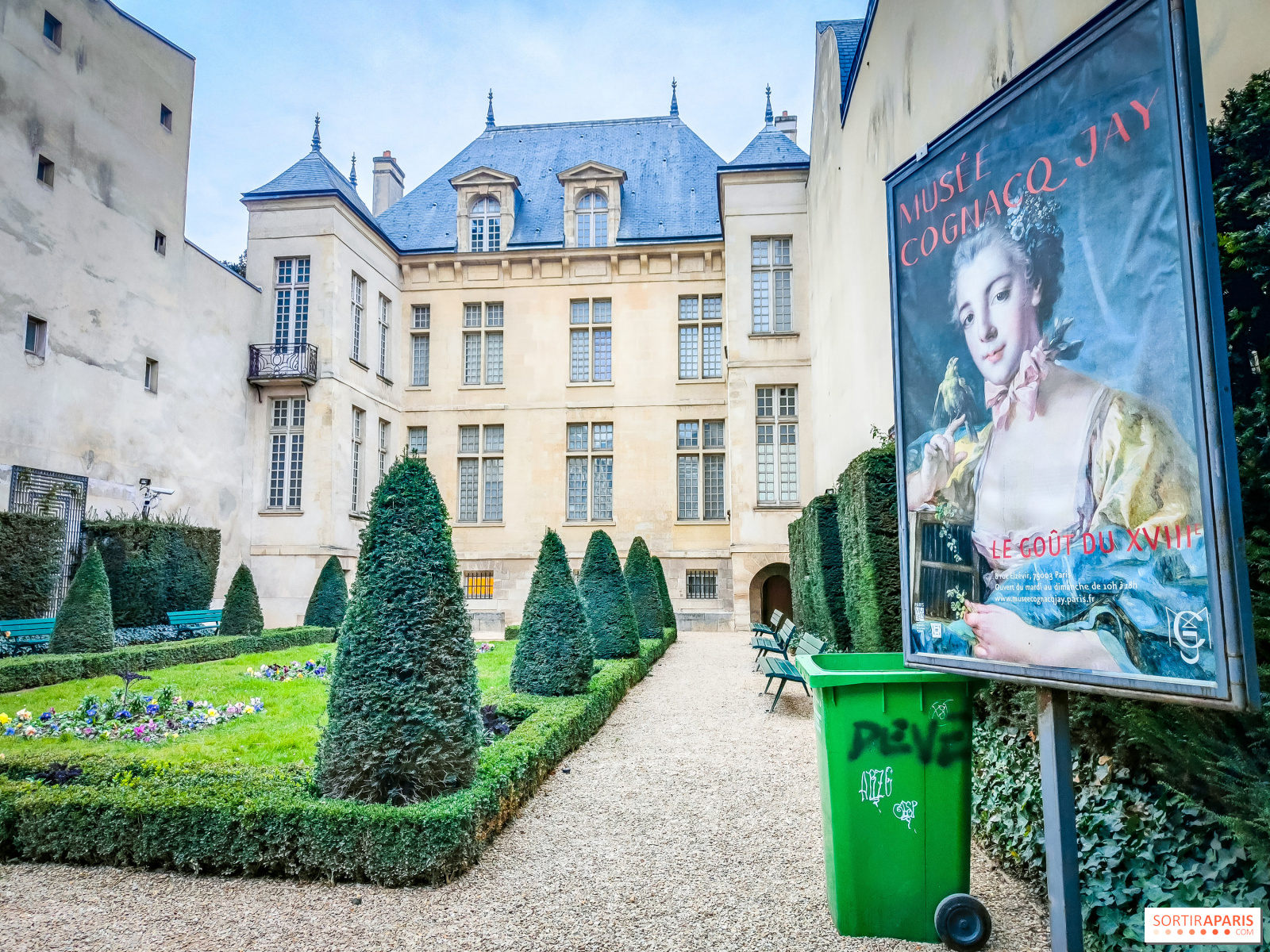
I’m deeply attached to the offbeat side of heritage: small museums like Cognacq-Jay, the Victor Hugo House, gardens that mirror the city’s charm such as the Square Léopold-Achille (for which a merger with the Museum Picasso gardens is being considered), or more surprising routes and places, like the oldest Chinese quarter in Paris around the Place Pan Yuliang, the Tango, the legendary LGBT club that the City bought back before it vanished. All of this makes up a city you never fully discover.
What free or affordable outings would you recommend for families or young people?
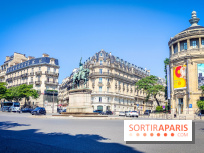
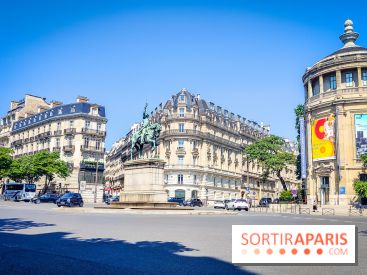
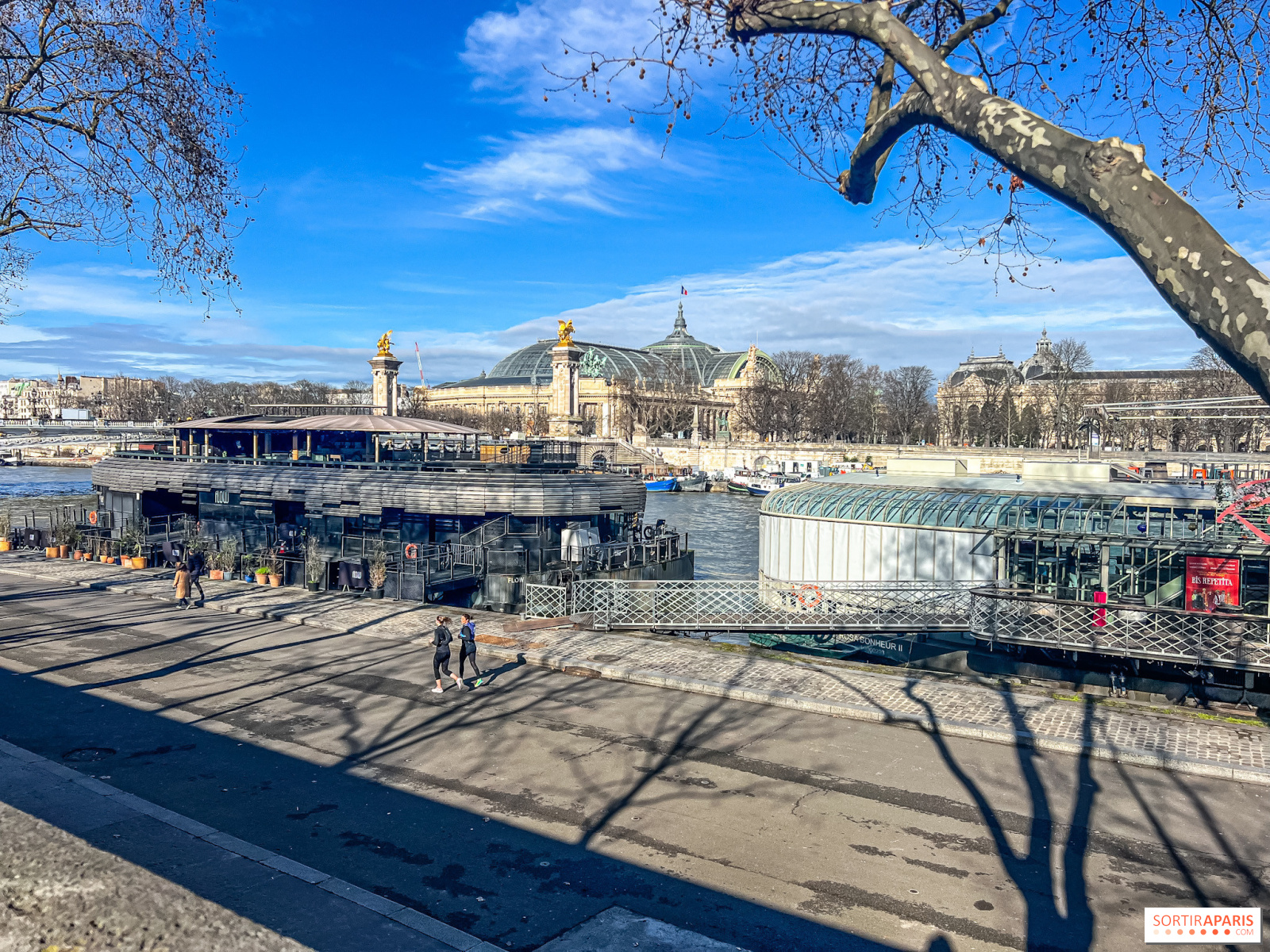
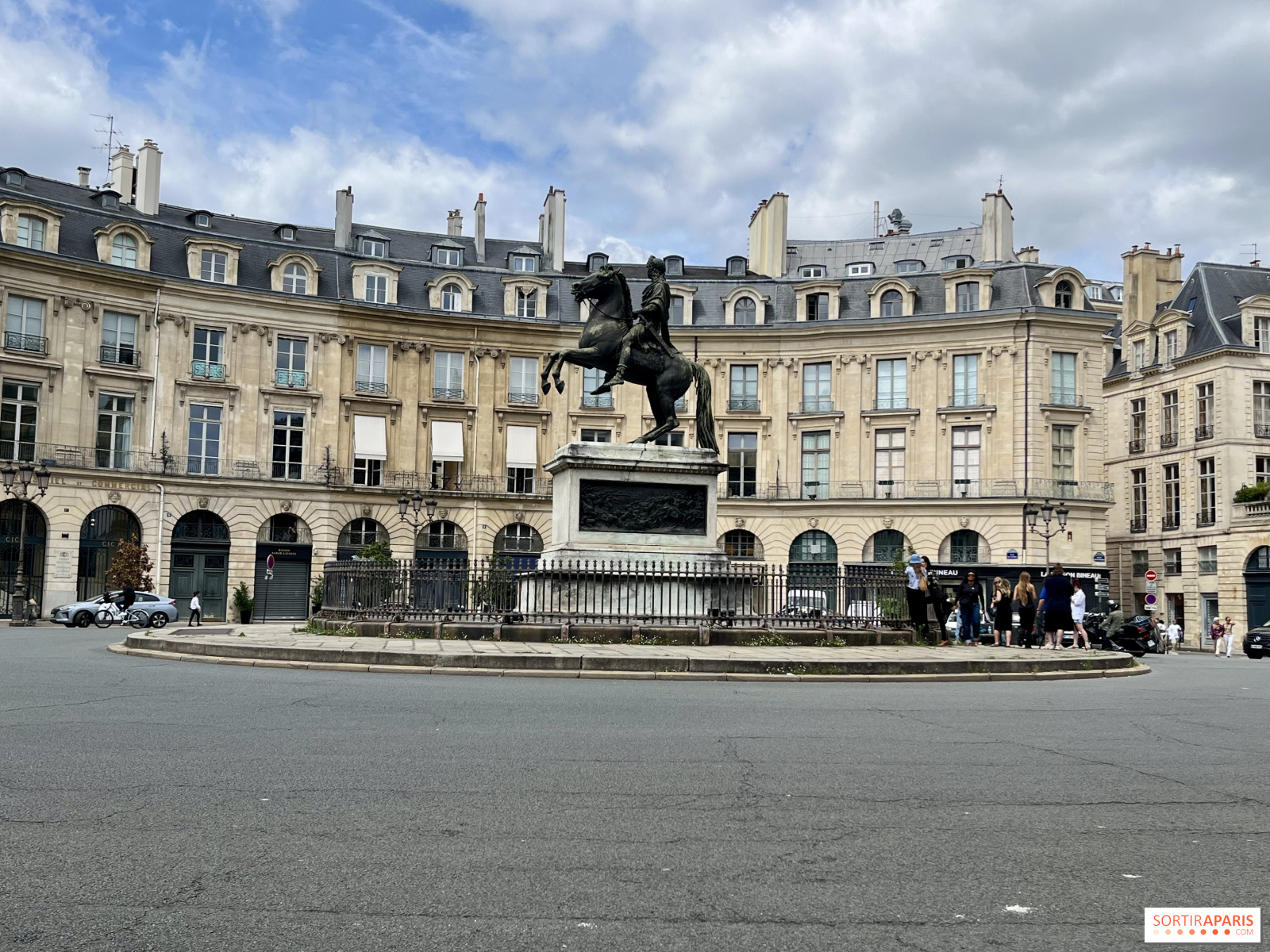
The ultimate free space is the public square itself. The Quais de Seine have become true promenades and breathing spaces, with small gardens like the Jardin Ginette-Kolinka, the Anne Frank Garden, the Jardin des Rosiers-Joseph-Migneret, and the Richelieu site’s BNF redesigned by Gilles Clément. The squares, too, such as the Place des Petits Pères or the Place des Victoires.
Step into a church, push open the door of a heritage site, wander through the Marais or the Sentier with no rigid plan... So many spontaneous routes to explore! And on top of that, the city’s free lineup: exhibitions, Tuesday-evening concerts, flea markets, family celebrations, and other local cultural events.
What are the three key players (bars, cafés, sports/cultural associations, third places) you consider essential to fostering local vitality?
I would name three community cafés that serve as hubs of life, solidarity, and local vitality. The first is Le Troisième Café near the Marché des Enfants-Rouges: a truly endearing place run on a volunteer basis, with a “suspended meals” scheme. It offers good food at a modest price, and residents who can’t afford it can find a welcoming space there.
The second is a café on rue François-Miron, popularly known as the "Quatrième Café". There, meals are available at very modest prices, or even free in certain circumstances. It’s a prime example of turning a space (the former Socialist Party premises) into a useful, accessible, and lively venue.
The third one is Notre Café Marais, in the caserne des Minimes that has been redeveloped. I’m hugely fond of this place because it embodies many of the ideas I champion: a heritage site repurposed, a cooperative café, an environment that blends artisans, housing, services, a crèche, a garden, and above all a direct link with a nearby medico-educational institute that enables young autistic people to work there and train there. They serve good food there, the venue is stunning, and the people-centered project is remarkable.

What’s the ideal route to explore central Paris?
I’d actually advise against sticking to a strict itinerary. The ideal is to keep two or three anchors in mind, then be willing to lose yourself in the small streets of the Marais and the Sentier, following your instincts. I’d suggest roaming the heart of Paris from end to end, tracing the successive layers of history (the enceinte de Philippe Auguste, the enceinte de Charles V). The fact that Paris was built from the inside out is readable in the streets, the layouts, the openings and the vestiges.
Which event best embodies social cohesion? What initiative will you launch to strengthen this sense of community?
One of my fondest memories is a tradition I started as soon as I arrived: on Christmas Eve evening, I go to visit those who work while others celebrate. The moment that moves me most is the Saint-Eustache Soup: in front of one of Paris’s finest churches, standing with volunteers who serve a meal to people in need perfectly sums up what it takes to build a community.
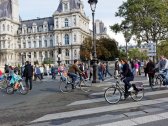
We also need to better foster coexistence among residents in public space. With the transformation of mobility patterns, we must now succeed in easing tensions between pedestrians, cyclists and motorists — starting from the most vulnerable — pedestrians, children, seniors, and people with reduced mobility.
Finally, we must strengthen the bond among residents through culture, the use of public space, and the creation of new gathering places. With the projet Halles 2030, I aim to create new hubs for meeting and activity in central Paris, by reinvesting several unused tunnels and parking facilities around the Halles to house sports facilities, public bathhouses, luggage storage, social spaces, and other intergenerational gathering areas.
Are there cultural topics that you feel particularly passionate about?
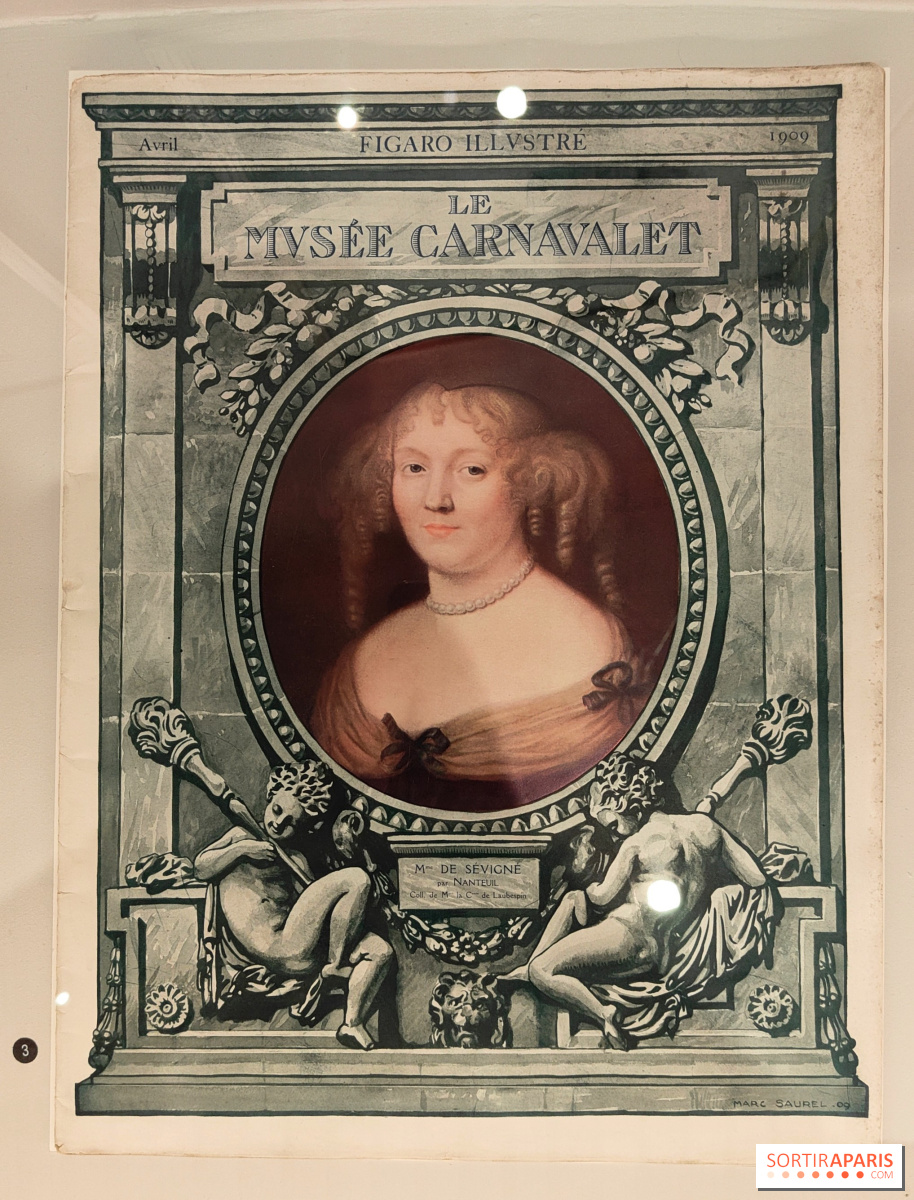
The idea that we can refresh the way we read our heritage without harming it matters to me. With the artist C215, we imagined a historical street-art route in the Marais, dedicated to the Grand Siècle. By placing portraits such as Madame de Sévigné on electrical cabinets (which are among the ugliest objects in public space) near sites connected to these historical figures, it is possible to tell history differently, to bring memory out of the museums and let it exist in the street.
Which city or Parisian arrondissement do you admire for its cultural offerings?
In Paris, I’m especially fond of the 2nd arrondissement, particularly around the Place des Victoires and the Place des Petits-Pères, for a balance between heritage, local life, and space to breathe. Outside Paris, I like to head to Marseille, a city that holds a pivotal place in France’s cultural landscape, with a strong identity and genuine energy.
I also have a personal connection to New York and Tel Aviv, two cities that inspire me. As for the former, it has managed to reinvent its relationship with public space, mobility, and how people use the city. The High Line is a quintessential example, as is the striking expansion of bike lanes in a city that used to be tough to bike in. I admire these cities’ ability to turn urban planning into a tool for cultural and social transformation.
A word to whet Sortiraparis readers’ appetite to discover Paris Centre?
Rediscover the most famous place on Earth—or, to be precise, go seeking the unknown in the most famous place on Earth! Paris Centre is a territory everyone thinks they know, yet it stays full of folds, layers, details, hidden spots, gardens, cafés, museums, streets, stories and faces that only reveal themselves if you take the time to walk it differently.