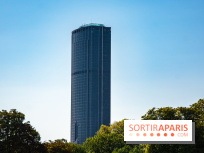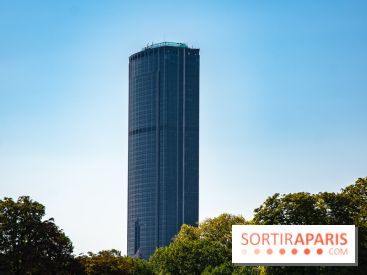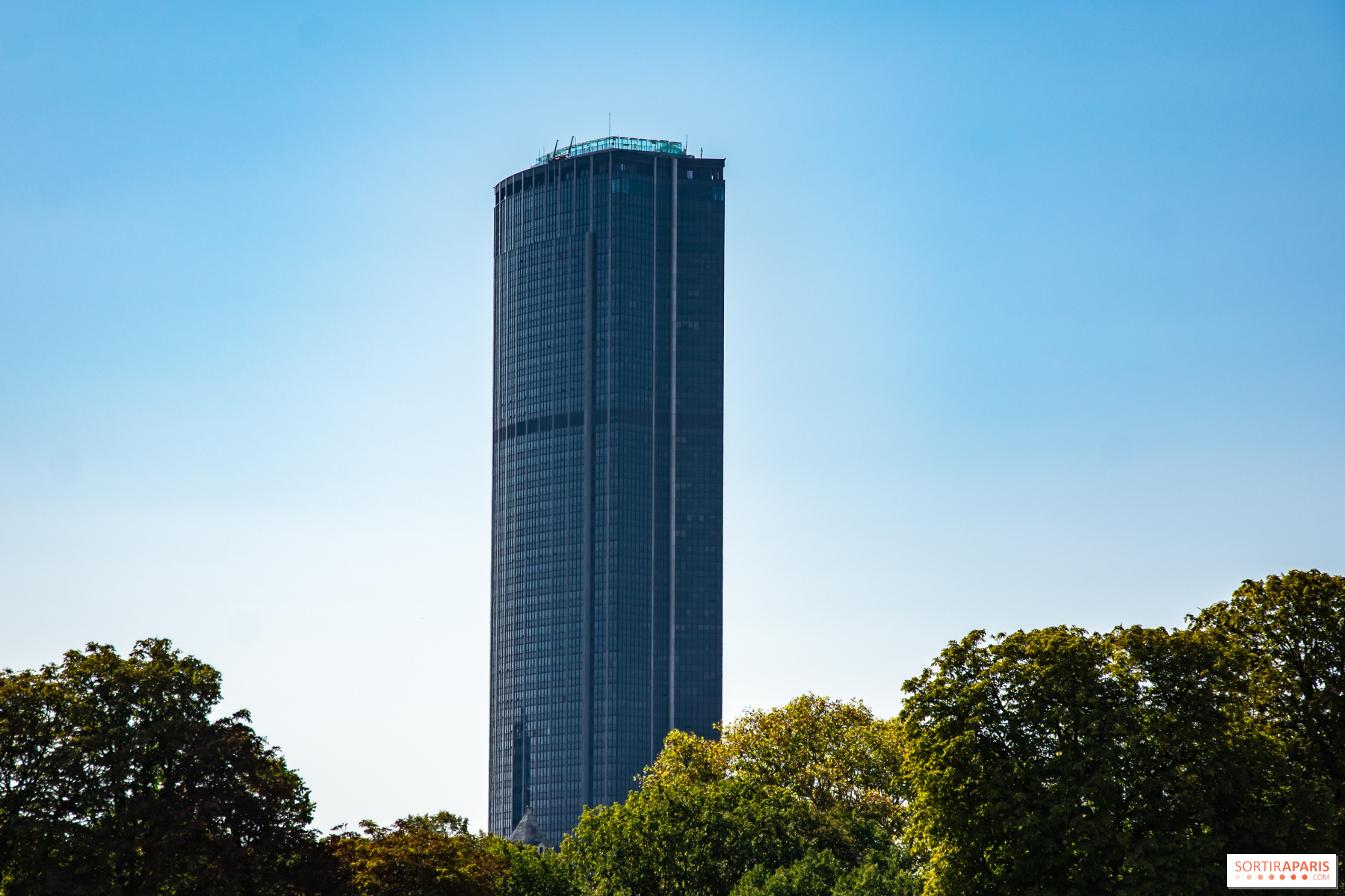
The ambitious Montparnasse Tower project won’t get off the ground as planned. At a general assembly on Tuesday, July 21, 2026, the co-owners of Paris’s tallest inner-city skyscraper, perched in the 15th arrondissement at the crossroads of the 6th and 14th, flagged the project’s renovation as obsolete, despite having voted it just a few months earlier. The revelation comes from Le Figaro, effectively closing a decade of discussions on this extraordinary dossier.
The trigger bears a name: LFPI. The asset manager, which owns around 30% of the building, told the other co-owners that it no longer wished to fund the transformation as originally envisioned. It is now advocating for a more modest intervention and, above all, a less costly one.
It must be said that clouds had been gathering for months above the 210-metre-tall skyscraper. The budget had already slipped from 624 million euros excluding taxes in the summer of 2025 to 727.7 million in March 2026, before nearing 800 million with the discovery of asbestos. Banks, cooled by the rift among shareholders, were reluctant to grant the financial guarantees needed to close the financing.
Adding to that are the internal battles. In May 2026, several owners, including Xavier Niel, filed a lawsuit against decisions voted on at the general meeting, notably those regarding floor-area exchanges. A few days before the July meeting, co-owner Frédéric Lemos charged in scathing emails that there were conflicts of interest in the selection of certain service providers. He also confirmed that he would not cede his 43rd-floor units, effectively blocking the construction of the luxury hotel planned between the 42nd and 45th floors.
Signed by the Nouvelle AOM collective (Franklin Azzi Architecture, ChartierDalix and Hardel Le Bihan), winners of the 2017 international competition, the project aimed to dispel the memory of the grim 1970s block. On the agenda:
Construction was scheduled to begin in September 2026, with a reopening hoped for around 2030. The companies lined up for the project, including Sefri-Cime and Vinci Construction, thus see several years of preparation go up in smoke.
Yes, and that’s the only point that’s really moving forward. Despite LFPI voting against it, the July 21, 2026 general meeting kicked off the first phase of asbestos-remediation work. This is a crucial milestone: the Île-de-France and Paris prefectures had already urged speeding up the timetable back in November 2025 due to the presence of asbestos in the building.
The tower has stood empty since the departure of its last occupants on March 31, 2026. The Panoramic Observatory on the 56th floor closed the same day, after welcoming Parisians and visitors for more than fifty years.
No one can say for sure today. A new team of architects will have to craft a lighter version compatible with the bioclimatic PLU adopted by the City of Paris. An added complication: the current building permit expires in November 2026, leaving a very tight window. No official statement has been issued by the City of Paris, the syndic, or LFPI. Nor is there any announced timetable for a new project or a formal position on the expiring permit. This is the issue to watch in the coming days: either a modification permit is filed before the deadline, or everything starts over from scratch.
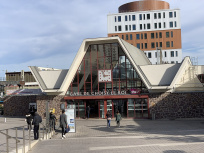
On the political front, there’s no quitting. Philippe Goujon, the mayor of the 15th arrondissement, is pushing to see the project completed in the version that was voted for. “We don’t want a watered-down renovation,” he told actu Paris, noting that the neighborhood has waited fifteen years for this rehabilitation. To monitor the case’s evolution, the Mairie de Paris and the 15th arrondissement office regularly publish progress updates on the Maine-Montparnasse redevelopment. In the meantime, the district lives with a dark tower and a shopping center teetering on the edge, just steps from the Jardin Atlantique and the Montparnasse Cemetery.
To get the full picture, revisit our article Rénovation de la tour Montparnasse : tout ce qu'il faut savoir sur le projet 2026-2028, which marked the onset of what was billed as this long detour.