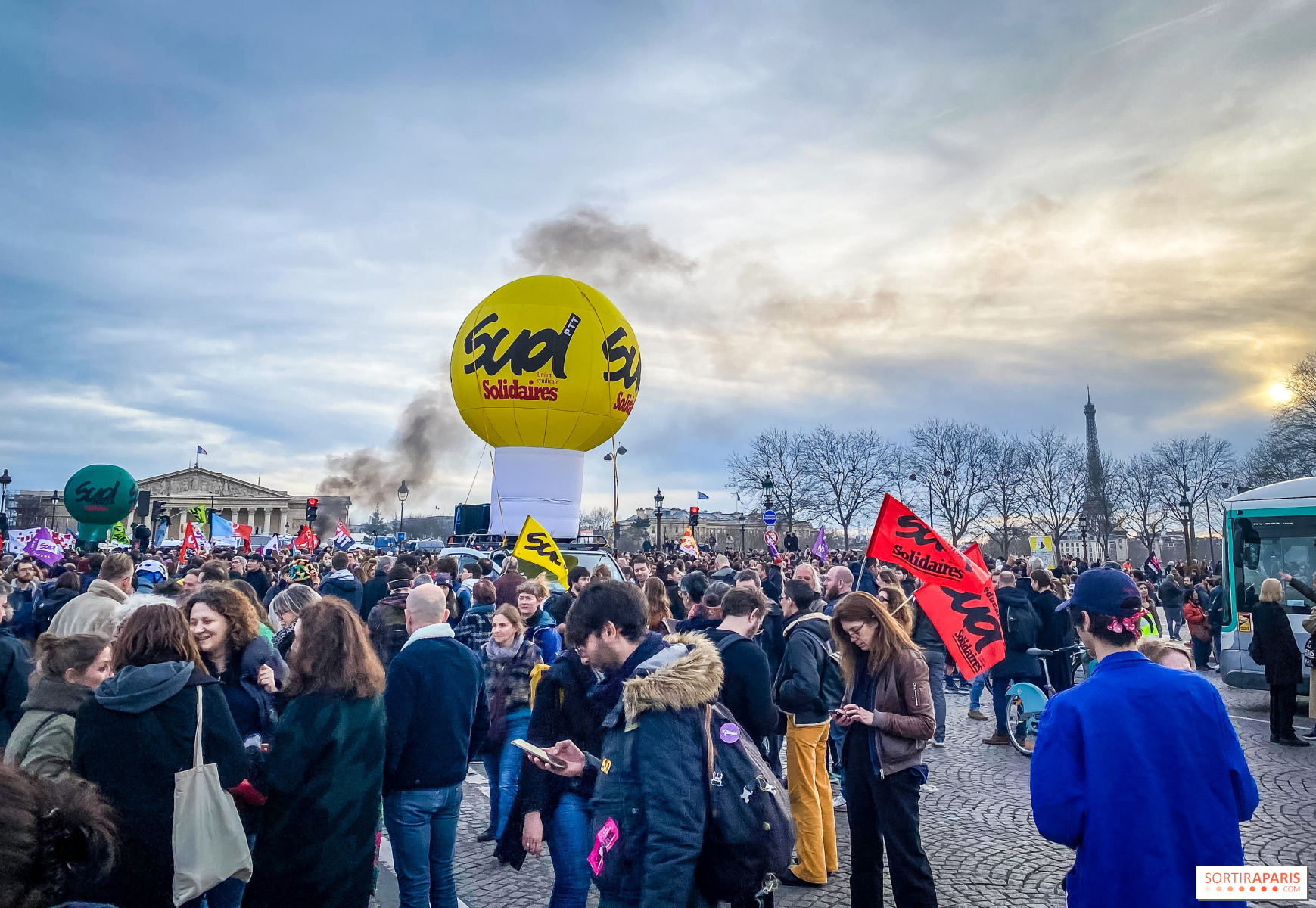
Are you on holiday in Paris and unable to get to your hotel or train station because of a protest? When a gathering disrupts public transport or leads to traffic restrictions, foreign tourists may wonder whether they should contact their embassy.
Diplomatic and consular missions can indeed provide assistance to their nationals, particularly in emergencies, in the event of lost documents or in especially difficult situations. But their role is not to solve every problem encountered during a stay, and the scope for intervention varies depending on the country and the circumstances.
The British and US governments, like European institutions, set out the responsibilities of their consular services abroad. These services can provide their nationals with information about local conditions, direct them to the appropriate services or help them in certain serious situations. However, a protest, a closed metro station or a canceled train does not automatically entitle travelers to assistance from their embassy. It is important to distinguish ordinary travel difficulties from situations that require genuine consular assistance.
An embassy or consulate may be contacted when a foreign national encounters serious difficulties during their stay. According to official information published by the U.S. Department of State and the British government, consular services can intervene in particular in the following situations:
These interventions are not automatic. They depend on the traveler’s nationality, their country’s rules and the severity of the situation. For a simple travel disruption caused by a protest, consular authorities can provide general information, but they are not required to arrange individual transportation.
Not directly in most situations. When a demonstration leads to metro station closures, bus diversions or rail disruptions, the first point of contact is still the operator concerned. In Paris, passengers can check updates from the RATP, Île-de-France Mobilités and the SNCF for accessible routes and service conditions.
The British government makes clear that its consular services cannot guarantee the safety of every individual citizen or intervene in place of local authorities. The United States, for its part, says it generally cannot arrange travel within a country during a crisis. An embassy also has no special authority to allow a tourist to cross a police roadblock or enter a restricted area. Restrictions imposed by the French authorities must be observed, regardless of the traveller’s nationality. If you have difficulty getting to a hotel, it is therefore best to start by contacting the establishment, checking local information and following instructions from law enforcement.
This is one of the situations in which consular assistance can be particularly useful. A foreign traveler who loses their passport or has it stolen while staying in France should contact the authorities of their country to find out what steps to take. Depending on national rules, consular services may issue a new passport or an emergency travel document allowing them to return to their country. A report of loss or theft to the French police may be required before taking these steps.
One note of caution: processing times vary from country to country. An emergency document may not necessarily allow travelers to continue with their original itinerary, particularly if they need to cross several borders. Travelers due to depart soon should therefore contact the consulate as soon as the document goes missing, rather than waiting until the day of their flight or train journey.
An embassy is not intended to cover its citizens’ day-to-day expenses abroad. An extra night in a hotel, a taxi or a replacement train ticket because of a protest are therefore not automatically covered. The British government notably states that its consular services generally cannot pay hotel bills, personal expenses or travel costs.
The U.S. State Department provides for some emergency financial assistance, but it is subject to specific conditions and may take the form of loans that must be repaid. In practice, when travelers face a transport cancellation, they should first contact their airline or rail operator, or their travel insurance provider, depending on the circumstances. Any refunds then depend on the policy they purchased and the rights applicable to the canceled service.
In the event of immediate danger, the first thing to do is contact French emergency services, rather than wait for a response from your embassy. Several free emergency numbers are available to foreign visitors:
Embassies are not a substitute for the police, emergency services or French healthcare facilities. However, they can be contacted after an assault, accident or hospitalisation to assist with certain procedures, inform relatives or direct travellers to qualified professionals, within the limits of their remit. British and US authorities also remind their citizens to follow law enforcement instructions and stay away from gatherings that pose risks.
For foreign tourists, the easiest thing to do is check their country’s official foreign ministry website. It generally helps identify the embassy or consulate responsible for France. Some diplomatic missions also have a consular emergency number, for serious situations that arise outside opening hours. Before setting off on a trip, it may be useful to keep:
It is also possible, where the country offers one, to sign up for an information service that provides alerts or recommendations during your stay. Finally, citizens of the European Union should be aware of an important point: the right to request assistance from an embassy of another EU country when their own country is not represented applies to stays in countries outside the European Union. This provision is therefore not intended to replace assistance from their own consulate when travelling in France.
No. When a protest takes place near your hotel or somewhere you’re visiting, information from the French authorities and transport operators is generally enough to help you adjust your plans. The embassy is mainly a useful point of contact when the situation goes beyond the usual travel disruptions: lost documents, an accident, an assault, detention or a major security crisis.
For foreign tourists in France, the right approach is therefore to identify the service best suited to the problem at hand. Transport operators provide information about travel, tourism businesses handle bookings, French emergency services respond in emergencies, while consular services can assist their nationals in situations within their remit.
This page may contain AI-assisted elements, more information here.