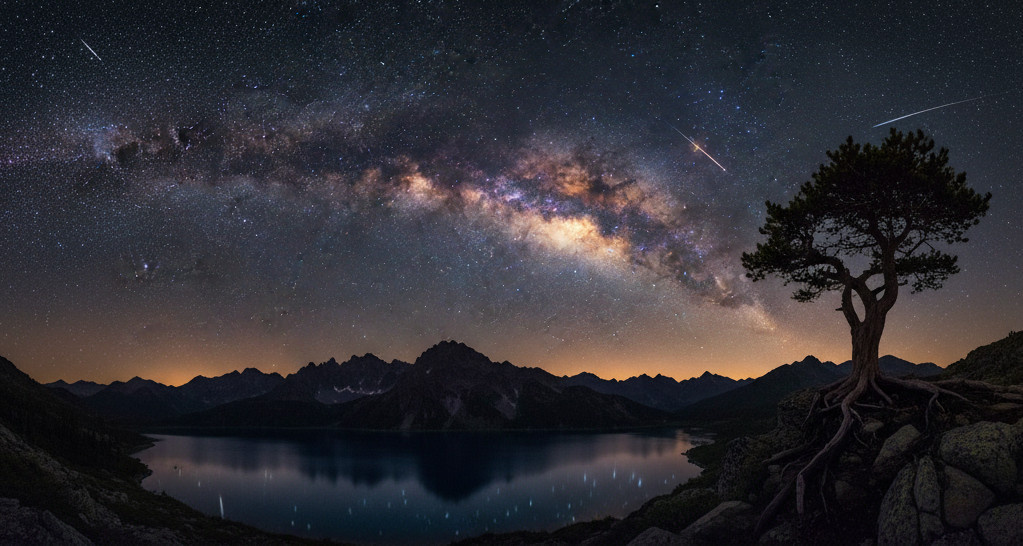
Astrology enthusiasts are in for a treat in 2026! If you want to witness breathtaking celestial displays right from French skies, you'll need to be willing to sacrifice some sleep. Usually, it means waking up in the middle of the night to fully enjoy shooting star showers or Supermoons. During the day, lucky observers across Europe will have the chance to see solar and lunar eclipses — whether total or partial — as well as comets gracing our skies.
With the naked eye or a telescope, if the sky is cloudless, get ready to look up at the stars! Get out your calendar and take note of the events you won't want to miss! Let's hope for beautiful evenings without too many clouds and too much rain, and why not even some new northern lights?
This guide is updated according to astronomical news.
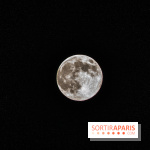
 Supermoon on January 3rd: the first of 2026 promises to be spectacular — here's when and where to see it
On Saturday, January 3, 2026, skywatchers will have the chance to witness the year's first supermoon, known as the Wolf Moon. This celestial display promises to be particularly spectacular, as it will be visible alongside Jupiter and a meteor shower — a rare trio that won’t be seen again until November. [Read more]
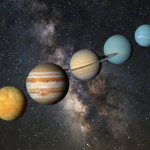
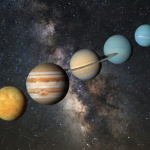
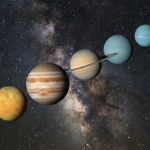 An extraordinary lineup of six planets to be observed in the night sky on February 28, 2026
This Saturday, February 28th, offers a stunning celestial show with a rare alignment of six planets—one of the tightest in recent history. Just a few minutes after sunset, the night sky will unveil a spectacular lineup of Mercury, Venus, Jupiter, Saturn, Uranus, and Neptune, all visible in a breathtaking celestial parade. Whether you're an astronomy buff or simply curious, don't forget to look up! [Read more]
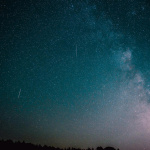
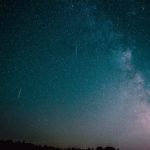 The Equinox Nights 2026: Enjoy free stargazing and spring skies
Although it's a bit cooler than in August, a variety of activities are planned to enjoy the spring night sky during the Equinox Nights, formerly known as the Winter Star Nights, taking place from March 20 to 22, 2026. [Read more]
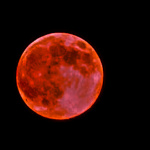
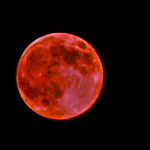
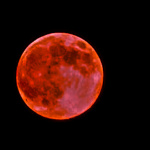
 Will the lunar eclipse and its striking "blood moon" appearance be visible in France?
A total lunar eclipse will turn the Moon a fiery red on March 3, 2026. This rare and spectacular celestial event promises a breathtaking sight. But will it be visible from France, and more specifically in Paris? [Read more]
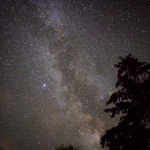
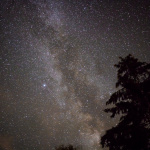
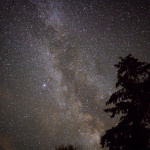
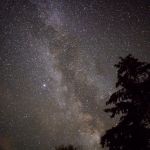 Êta Aquarides: a shower of shooting stars visible in the sky in May
From April 19 to May 28, 2026, a shower of shooting stars will be visible in the French sky. These are the Êta Aquarides, meteors that pass through our atmosphere every year. Look up to the sky and admire the show! [Read more]

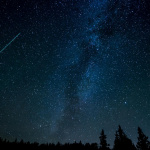
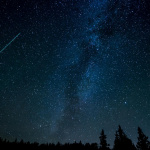
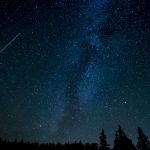 Lyrides: a shower of shooting stars visible in the sky in April
From April 16 to 26, 2026, a shower of shooting stars will be visible in the French sky. These are the Lyrides, meteors that pass through our atmosphere every year. Look up to the sky and admire the show! [Read more]
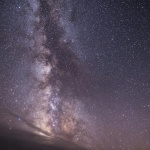
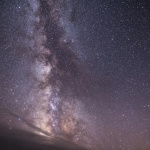
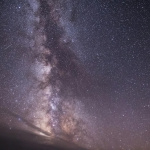
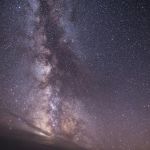 Don't miss the Perseids, the most beautiful shooting star shower of the year!
Throughout August, and especially around August 12, 2026, the famous Perseid shower of shooting stars will be visible in the French sky, as it is every year. Let's look up and admire the show! [Read more]
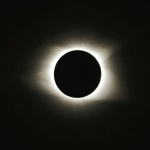
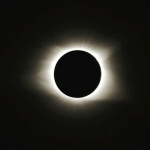
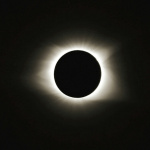
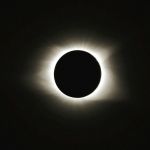 Total eclipse and shooting stars on the same day: what makes this event so extraordinary?
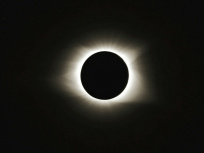
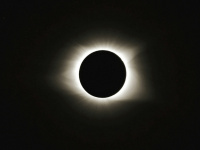
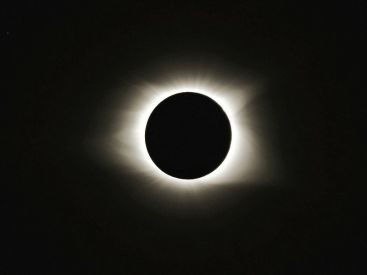
Get ready for the astronomical event of the century. On August 12, 2026, France and much of Europe will witness a rare celestial phenomenon—an unprecedented event in modern history: a total solar eclipse coinciding with the peak of the Perseids meteor shower. A once-in-a-lifetime spectacle happening all on the same day! [Read more]
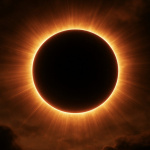
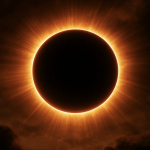
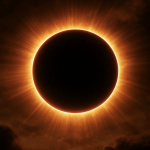
 Exceptional solar eclipse visible in France: the must-see date of 2026
An exceptional solar eclipse will take place in France on August 12, 2026, with 99.5% occultation in Biarritz. This rare astronomical phenomenon will offer a near-total spectacle in south-west France, 27 years after the last total eclipse visible in Europe. [Read more]
The best spots to admire shooting stars and the sky in Paris and the Ile-de-France region
Numerous shooting star nights punctuate the year, as do astronomical events, which can be admired weather permitting, in places with less pollution. But where can you find these rare gems in Paris and the Ile-de-France region? [Read more]
Official website
www.afastronomie.fr