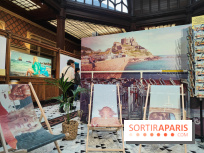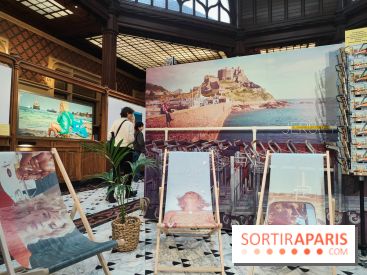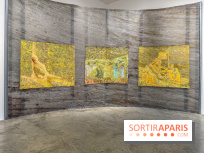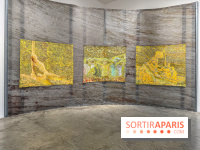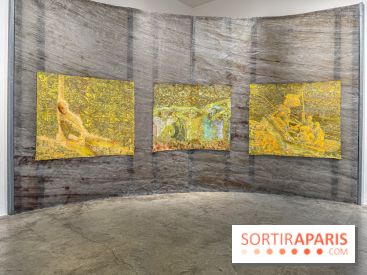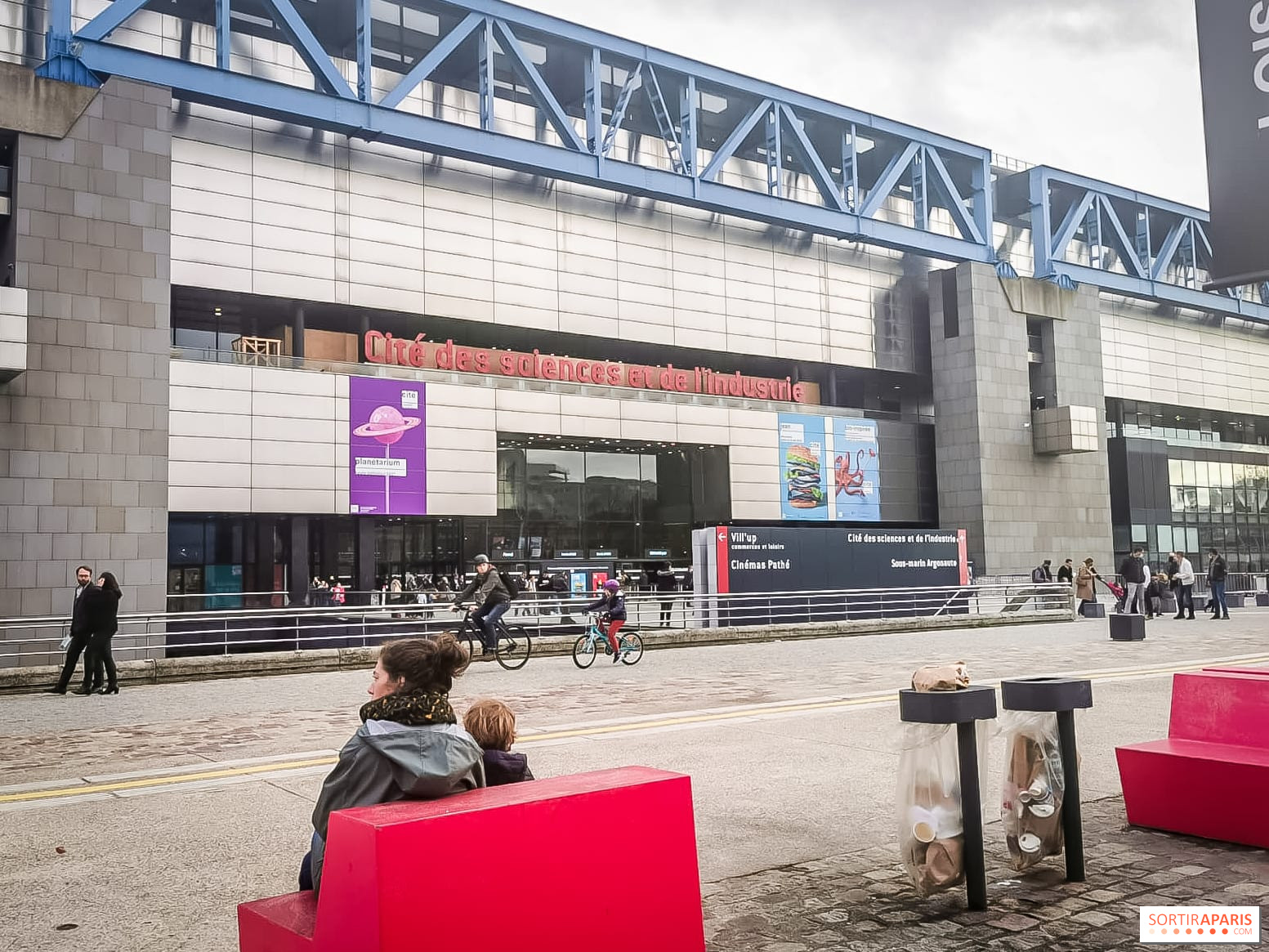
What if a single line on a map could reveal so much about today's world? The Cité des sciences et de l’industrie in Paris is hosting Frontière, an exhibition created in collaboration with the University of Grenoble Alpes, running from April 14, 2026, to January 2, 2028. Through a journey that intertwines geography, social sciences, art, and political thought, visitors are invited to explore how borders are formed in the real world—between visible lines, symbolic barriers, zones of control, and crossing points.
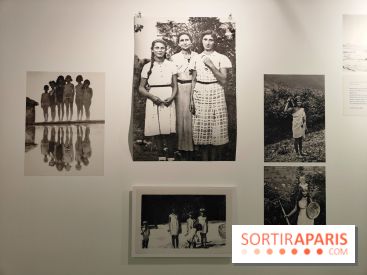
Here, borders are not just lines on a map. They also function as networks, points of tension, spaces of exchange, or even physical and symbolic barriers. The exhibition invites visitors to explore these often-static-looking spaces, revealing their true nature as dynamic, complex, and deeply connected to the societies that shape them. Maps, artworks, testimonies, photographs, and interactive installations offer multiple perspectives on the subject, while highlighting the crucial role borders play in shaping the world today.
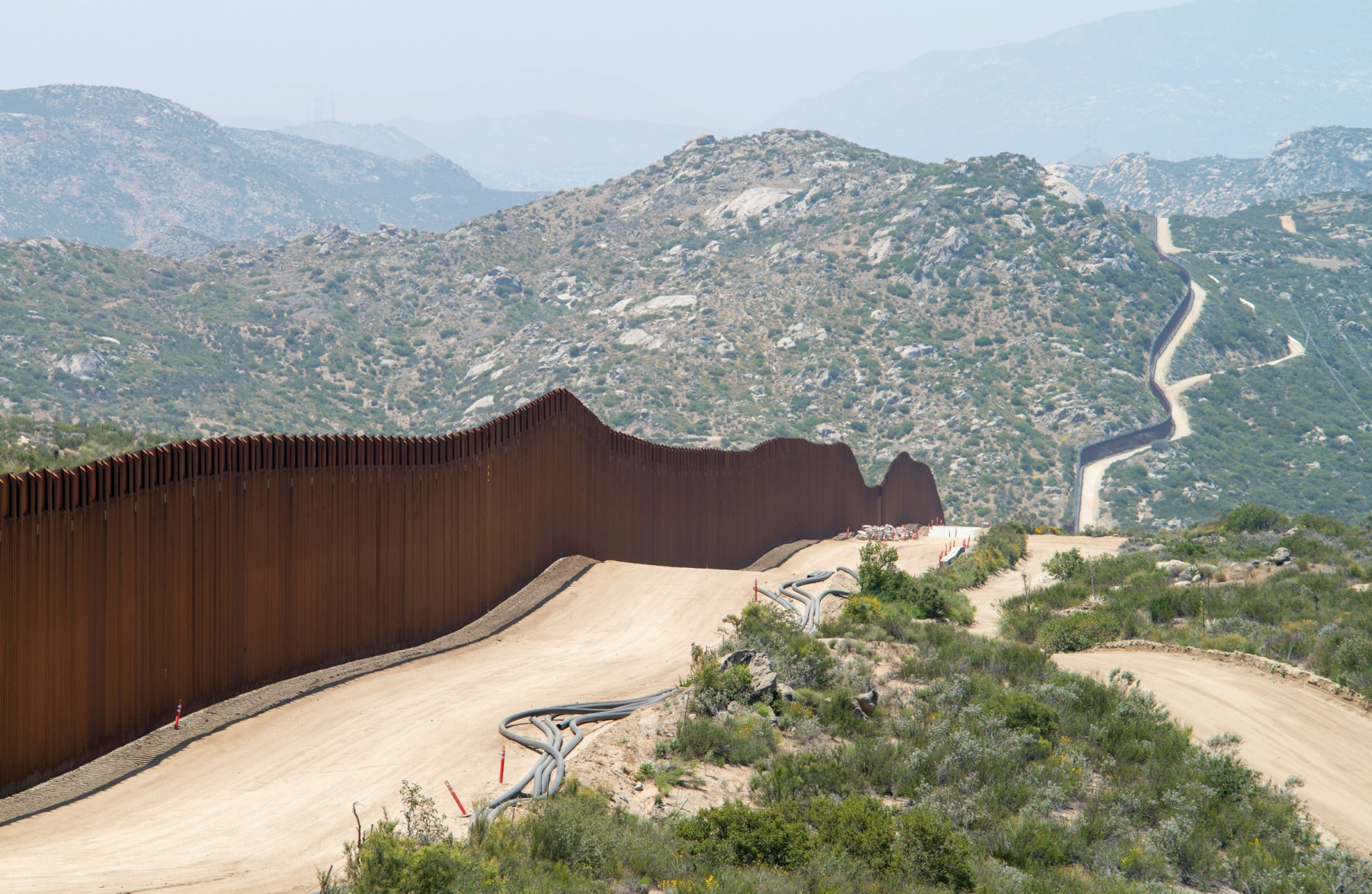
Imagine yourself facing a border: should you cross it, wait for it, go around it, monitor it, or accept it? Through ten case studies drawn from very different geographic contexts, Border at the Cité des Sciences offers a glimpse into real-life situations—some familiar, others less publicized—that highlight how a border is not just a physical barrier but a complex entity that is political and symbolic as well. The exhibition doesn't aim to settle on one single definition, but rather to explore the diverse forms that the concept of a border can take across different regions.
Each situation is framed within a broader context—ranging from migration policies and territorial inequalities to geopolitical tensions, people movement, data surveillance, and resource sharing. The exhibition encourages visitors to reflect on how we inhabit the world and how we position ourselves in relation to others. From the very entrance, the tone is set with an immersive installation where visitors are confronted with a border guard powered by artificial intelligence. This fictional checkpoint immediately creates a tense, nearly dystopian atmosphere, bringing the subject matter sharply into focus.
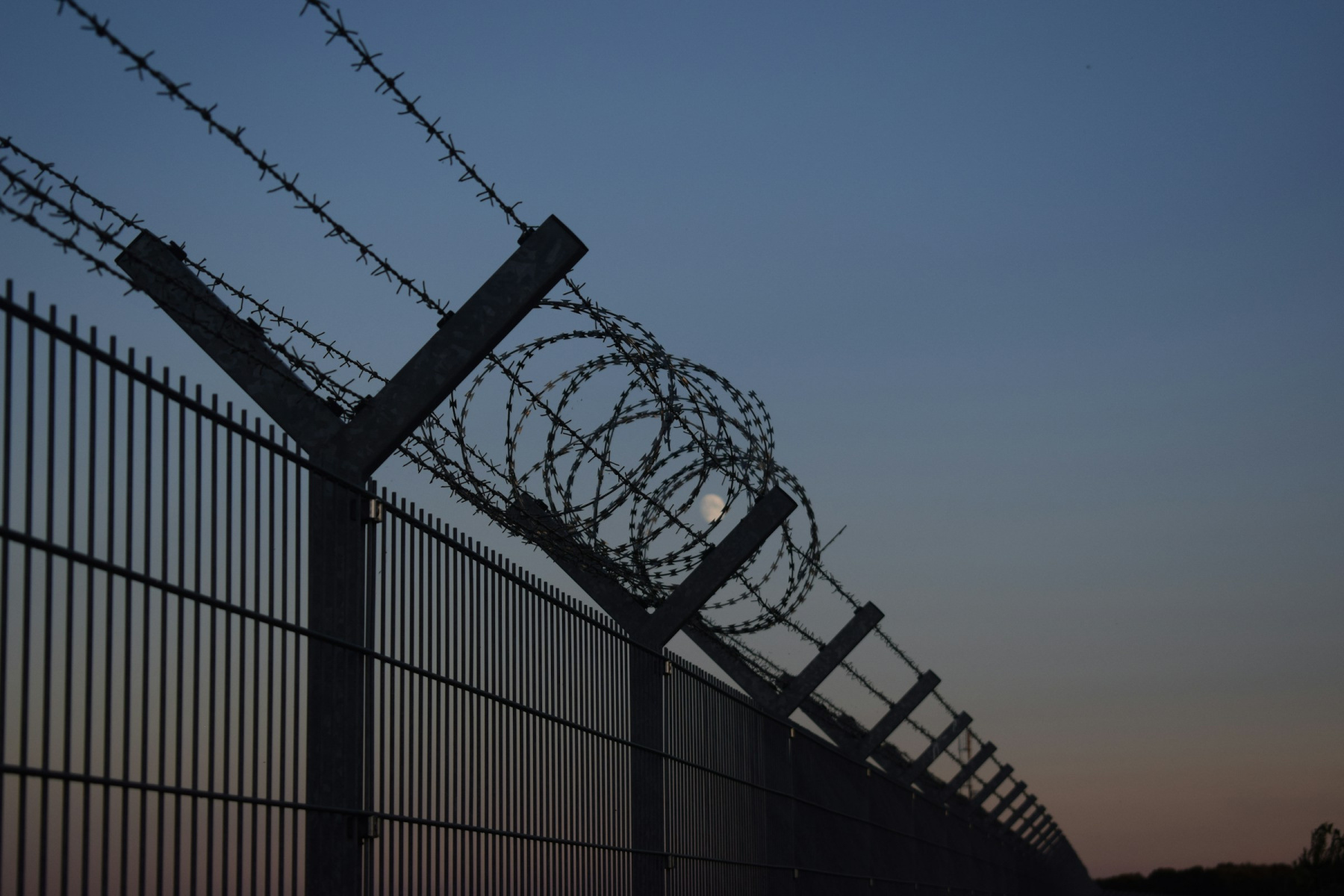
The issue of borders regularly features in public debates, the media, and political discourse. Here, it is explored without oversimplification, offering a broader and more nuanced perspective. The exhibition illustrates that borders can be permeable, shifting, visible or invisible, tangible or symbolic. They may appear as a boundary line, a checkpoint, a maritime limit, a militarized zone, or a digital network.
Instead of reacting to the latest headlines, Border steps back to offer visitors guiding insights. This approach encourages a deeper understanding of borders, moving beyond quick judgments or sensationalism. The exhibition also highlights the work of geographers, showcasing their field observations and visualization tools, especially cartography, to help visitors see the lines that shape our world from a fresh perspective.
The exhibition path is made up of ten thematic islands that guide visitors from one territory to another and from one issue to the next. It explores the border between Mexico and the United States, the divide between Venezuela and Colombia, the invisible boundaries of cyberspace, and portrays Europe both as a peace project and as a continent marked by deadly borders. It also examines maritime borders, the demilitarized zone between North Korea and South Korea, the frontier between Georgia and Russia, as well as the border between Cameroun and the Central African Republic, plus the sandy boundary separating Niger and Algeria. Each example sheds light on a different reality — whether it’s separation, control, threat, movement, or coexistence.
The visit concludes with a 30-minute film that weaves together the themes explored throughout the tour, encouraging viewers to broaden their perspective. This final segment offers an opportunity to exchange viewpoints, challenge common assumptions, and reflect on the major political, social, and environmental balances shaping our world today. As you leave, you might no longer see a border as just a simple dividing line, but rather as a space brimming with stories, tensions, and questions that deeply influence our present moment.
This page may contain AI-assisted elements, more information here.
Dates and Opening Time
From April 14, 2026 to January 2, 2028
Location
Cité des sciences et de l'industrie
30 Avenue Corentin Cariou
75019 Paris 19
Access
Metro: line 7, Porte de la Villette station. Bus: lines 139, 150, 152, Porte de la Villette station. Tramway: T3b, Porte de la Villette station.
Prices
Tarifs réduits: €4 - €12
Plein tarif: €15
Official website
www.cite-sciences.fr
Booking
Book your tickets with Paris je t'aime here
More information
Open Tuesday to Saturday from 9:15 AM to 6:00 PM, and on Sundays from 9:15 AM to 7:00 PM.