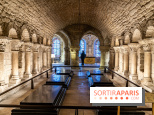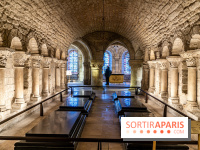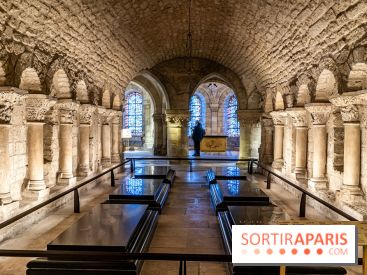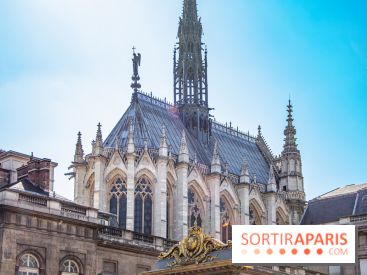
We often think of Notre-Dame de Paris as the epitome of Gothic architecture, but it was in the north of the Paris region that it all began. In the 12th century, Abbot Suger initiated an architectural revolution at Saint-Denis, in Seine-Saint-Denis. It's a little-known story... yet one of great importance!
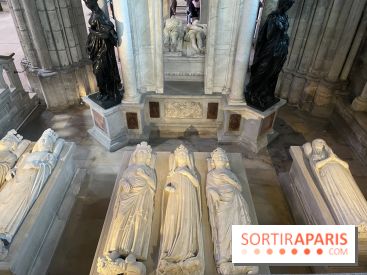
At a time when Europe was still dominated by the Romanesque style of massive churches with small windows, an upheaval was taking place in the Île-de-France region. In the 1130s-1140s, the influential and visionary Abbot Suger decided to rebuild the Basilica of Saint-Denis, the necropolis of the kings of France.
Saint-Denis Basilica, the necropolis of the Kings of France in Saint-Denis (93), discover its history
How about (re)discovering the Basilique Saint-Denis? Classified as a historical monument, this religious edifice in Saint-Denis (93) is home to the necropolis of the Kings of France, and is a must-see for history buffs and those curious about the region's heritage. We tell you all about it! [Read more]
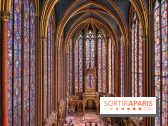
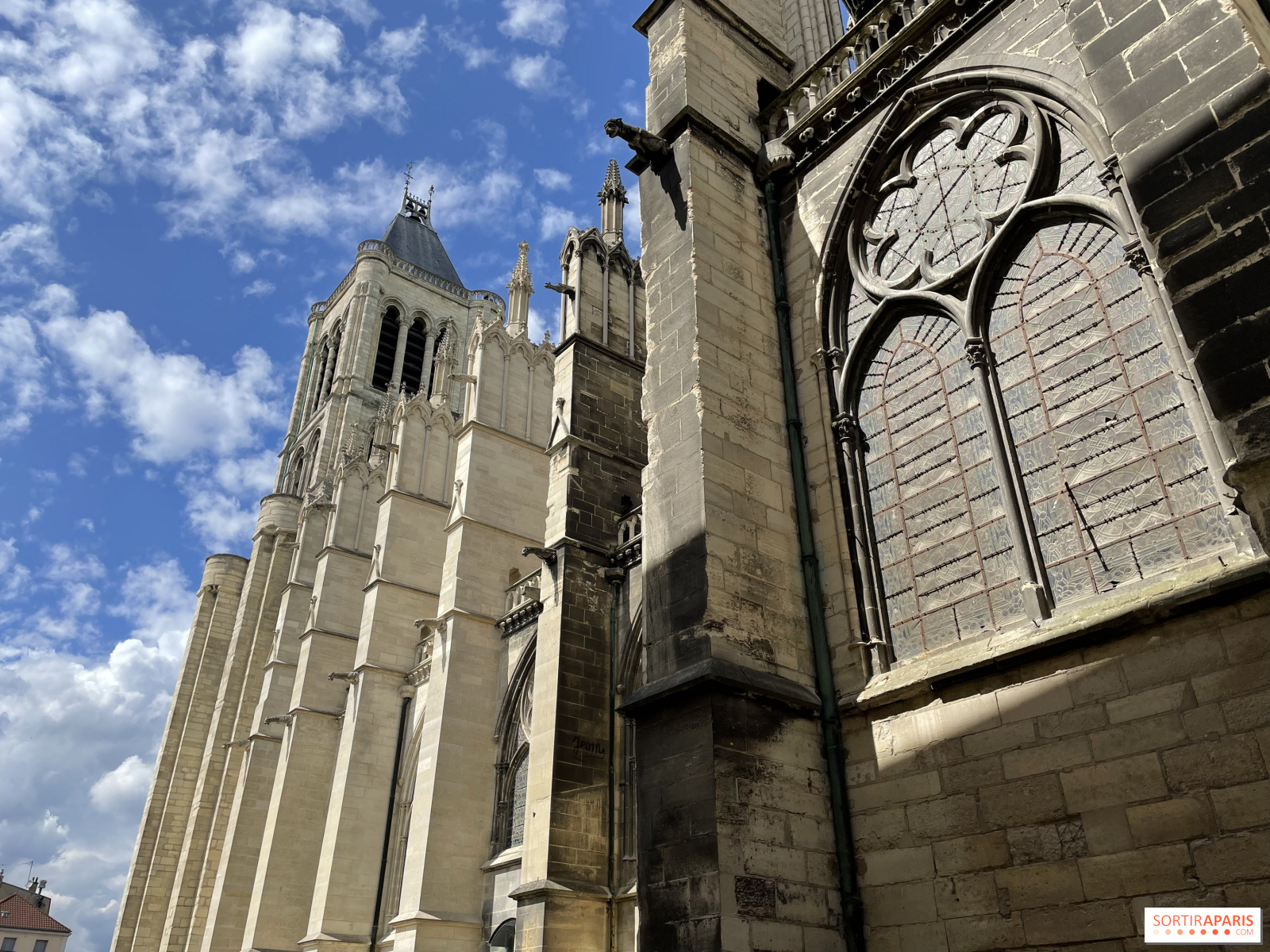
His goal? To create a spiritual space where divine light could flow freely. To achieve this, he used innovative techniques such as pointed arches, cross vaults and buttresses. These innovations made it possible to raise the walls and insert large, colorful skylights. The effect is striking: the stone seems to give way to the light.
This first phase of work (the ambulatory and the western façade) marks one of the earliest expressions of the Gothic style. At the same time, a similar project was underway in Chartres, where the Romanesque cathedral was partly transformed along the same lines.
What distinguishes the Gothic style, as seen at Saint-Denis, is first and foremost the idea that architecture can serve spirituality through light. The structure of the church becomes a veritable theological tool: every ray that passes through the colored stained-glass windows is supposed to carry the divine presence.
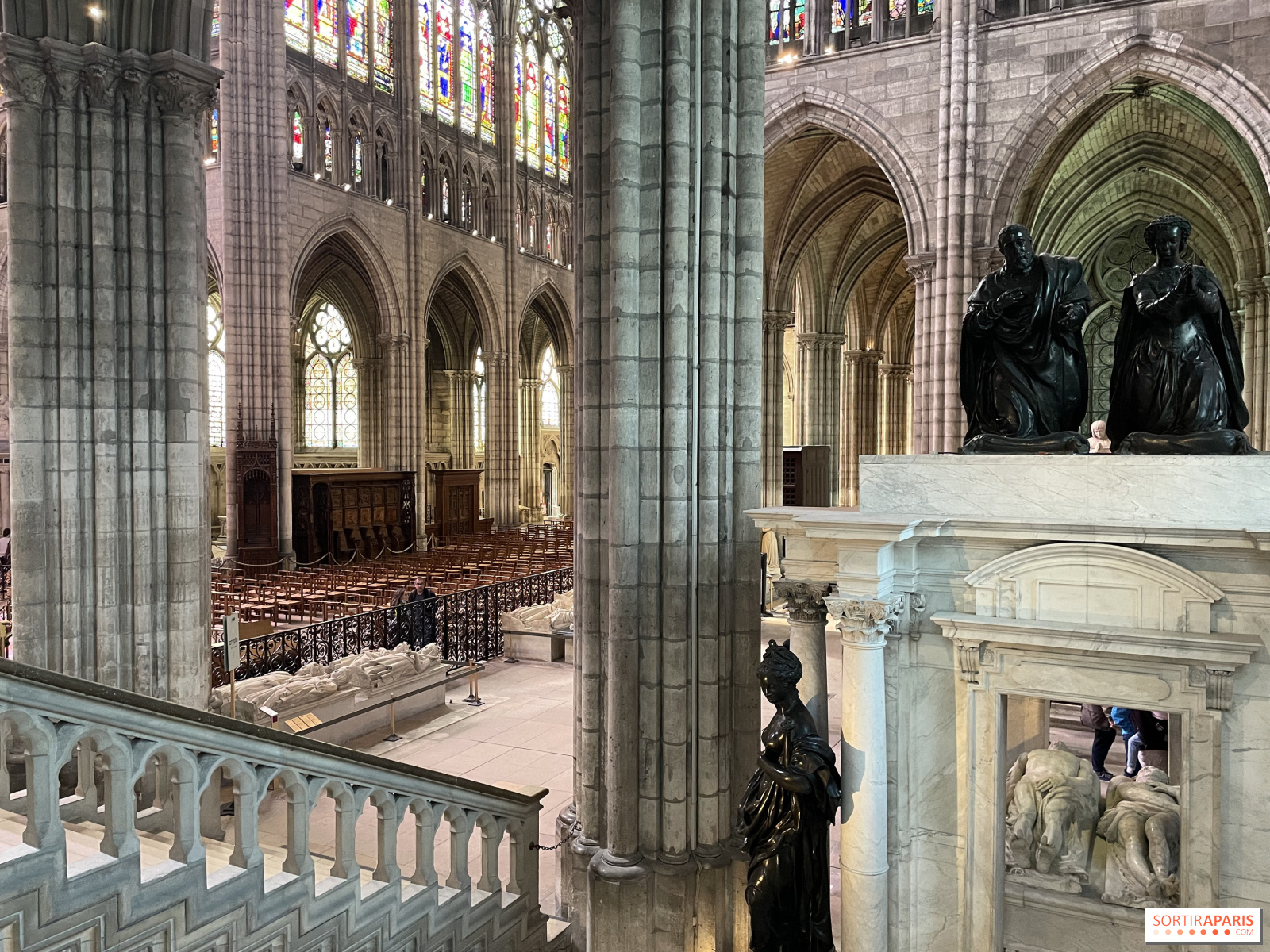
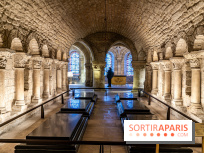
Saint-Denis Basilica
The Gothic style also allows for a new narrative. Stained glass windows and sculptures multiply on facades and interiors, like an open book on Scripture. This change is not just about technique, but also about a more open, dynamic and vertical vision of the world.
What began in Saint-Denis and Chartres soon spread to Sens, Paris, Soissons, Reims... The Gothic style became the norm for major religious projects, and gradually spread throughout Europe. It went through several phases, from the primitive Gothic to the increasingly decorative Flamboyant Gothic.
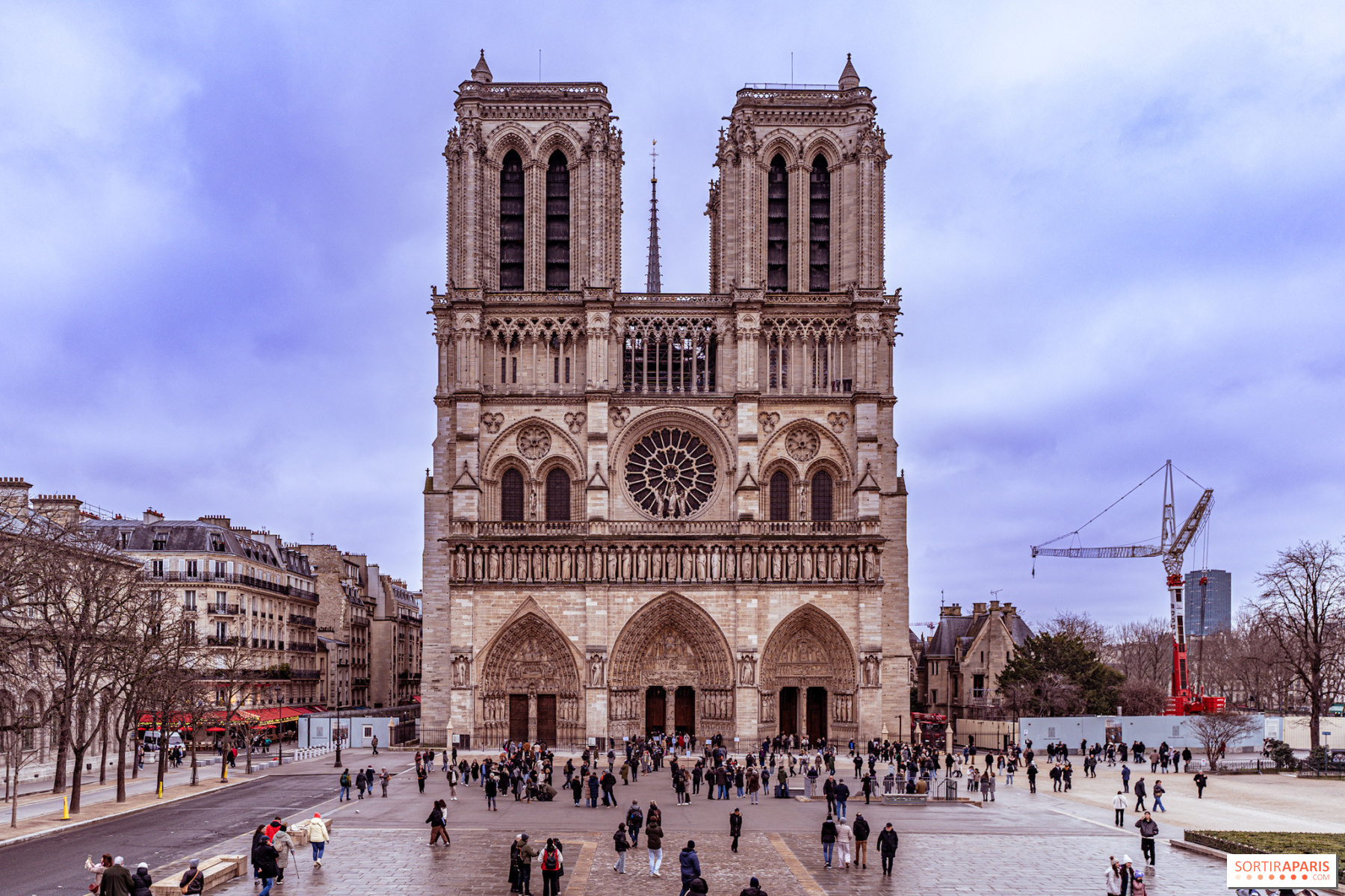
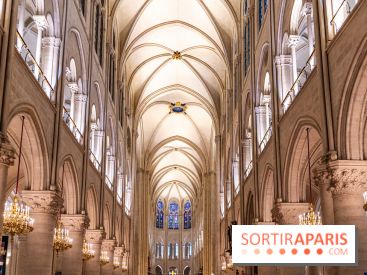
Notre-Dame de Paris Cathedral
Ironically, the basilica of Saint-Denis has long been overshadowed by Notre-Dame de Paris. Yet, without Abbé Suger and his daring building project in Seine-Saint-Denis, the history of European architecture would have been very different.
This page may contain AI-assisted elements, more information here.
Location
Saint-Denis Basilica
1, Rue de la Légion d'Honneur
93200 Saint Denis
Official website
www.saint-denis-basilique.fr











 Saint-Denis Basilica, the necropolis of the Kings of France in Saint-Denis (93), discover its history