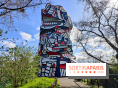
In the heart of the Villette district, Orgues de Flandre is one of Paris's most striking residential developments. Designed byGerman architect Martin Schulz van Treeck, a pupil of Jean Ginsberg, this ambitious project replaced the former Cité des Flamands, then considered dilapidated, and was built between 1973 and 1980.
Covering an area of almost six hectares, the complex comprises four large towers, named Prélude, Fugue, Cantate and Sonate, complemented by tiered buildings onAvenue de Flandre. At 123 metres, the Prélude tower is the tallest apartment building in Paris. The whole complex houses no fewer than 2,000 apartments!
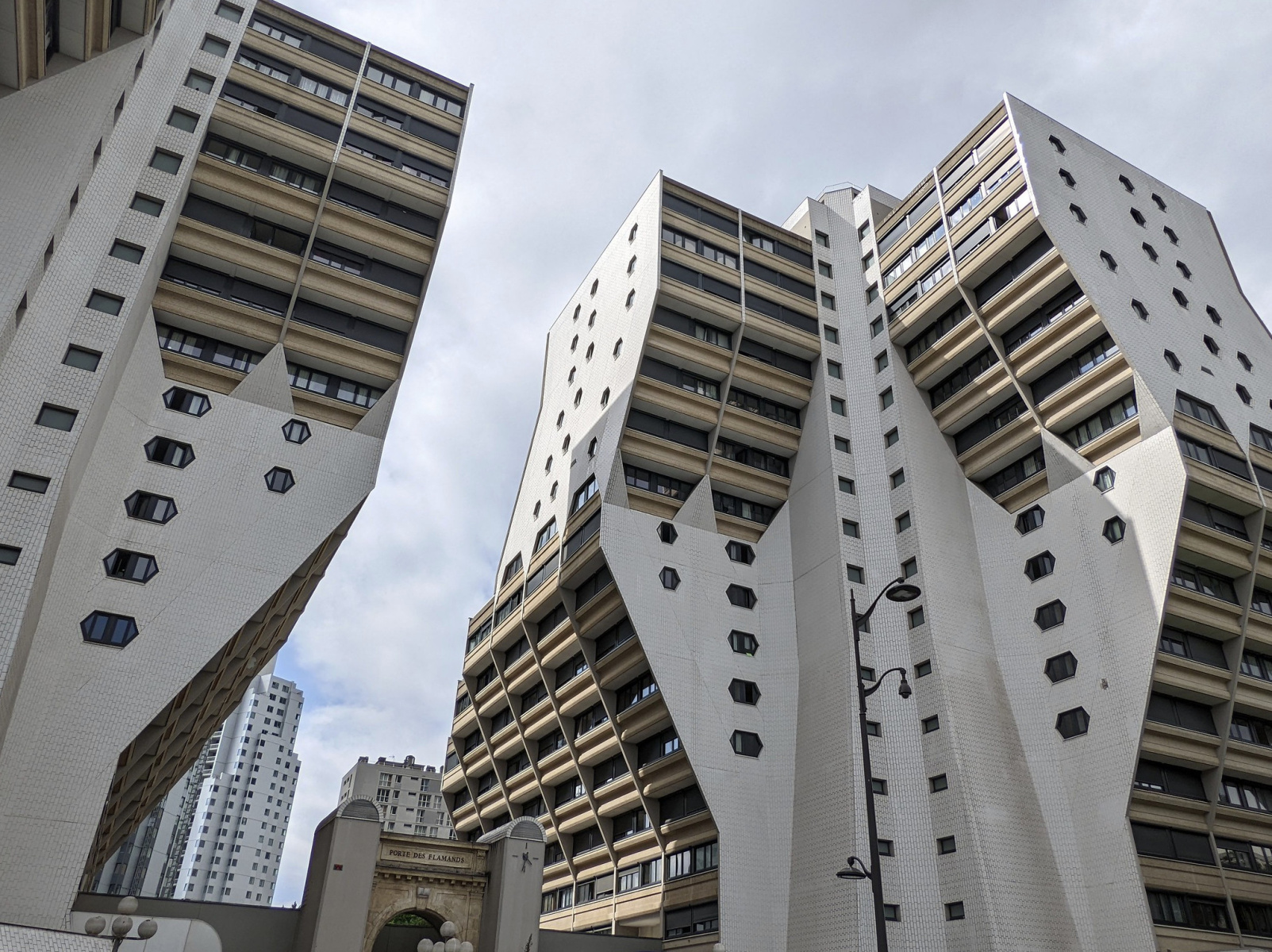
With this project, the Berlin architect wanted to break away from the monotony of the large-scale developments of previous decades. He applied a play of volumes, corbels, recessed or projecting facades, to create an architectural musicality, hence the name "Organs" given to these towers conceived as a harmonic whole, with volumes that seem to rise and fall like a score.
Thearchitecture of Les Orgues de Flandre is a remarkable example ofpost-modern experimentation applied to large-scale social housing, in a Paris undergoing radical change at the turn of the 1970s and 1980s. The project stands out from the rigid standardization of the bars and towers of the Trente Glorieuses era: here, everything is designed to create rhythm, verticality and strong plastic expression.
What strikes you first is the orchestrated silhouette effect, a veritable skyline in the heart of the 19th arrondissement. Rough concrete is omnipresent, but carefully crafted: cantilevered balconies, level offsets, facades sculpted by protrusions and recesses create a constant play of shadows. The towers are not simply vertical; they are fragmented, cut, almost faceted, giving them a sculptural appearance.
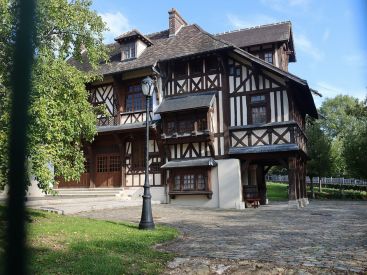
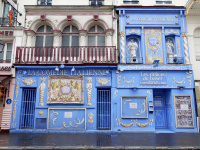
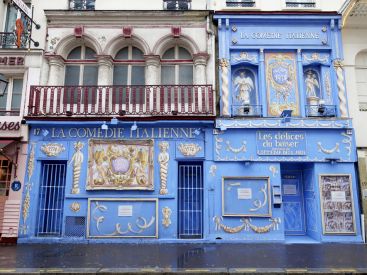
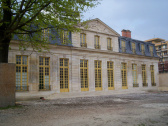
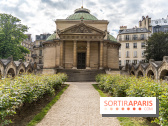
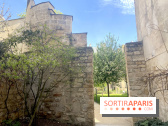
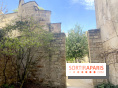
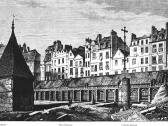
The stepped buildings lining the Avenue de Flandre form a gentler urban transition, sloping down towards the street and structuring a planted interior space. The only vestige of theformer workers' housing estate, the Porte des Flamands was moved some forty meters and reinstalled in the center of Les Orgues de Flandre, as a visible vestige amidst the concrete.
This blend of monumentality, expressive geometry and musical references gives the Orgues de Flandre a unique identity in the Parisian landscape. It's a bold architectural achievement, sometimes criticized for its gigantism, but one which, at a time when Brutalism is being rediscovered and revalued, is regaining its place in the capital's contemporary architectural heritage.
Please note that the Orgues de Flandre are not a traditional tourist attraction, being privately owned, but there's nothing to stop you admiring them from the street, contemplating their bold silhouette, the play of light and shadow on the facades and stopping in front of the Flemish Gate.
Unusual and beautiful buildings to discover in Paris
How about discovering some of the most beautiful buildings in Parisian architectural history? Unusual facades to discover all over the capital. The editorial team invites you on an aesthetic journey through the heart of the City of Light, from medieval splendor to Art Nouveau and contemporary boldness, revealing an unusual Paris that is sometimes unsuspected. [Read more]




 Unusual and beautiful buildings to discover in Paris