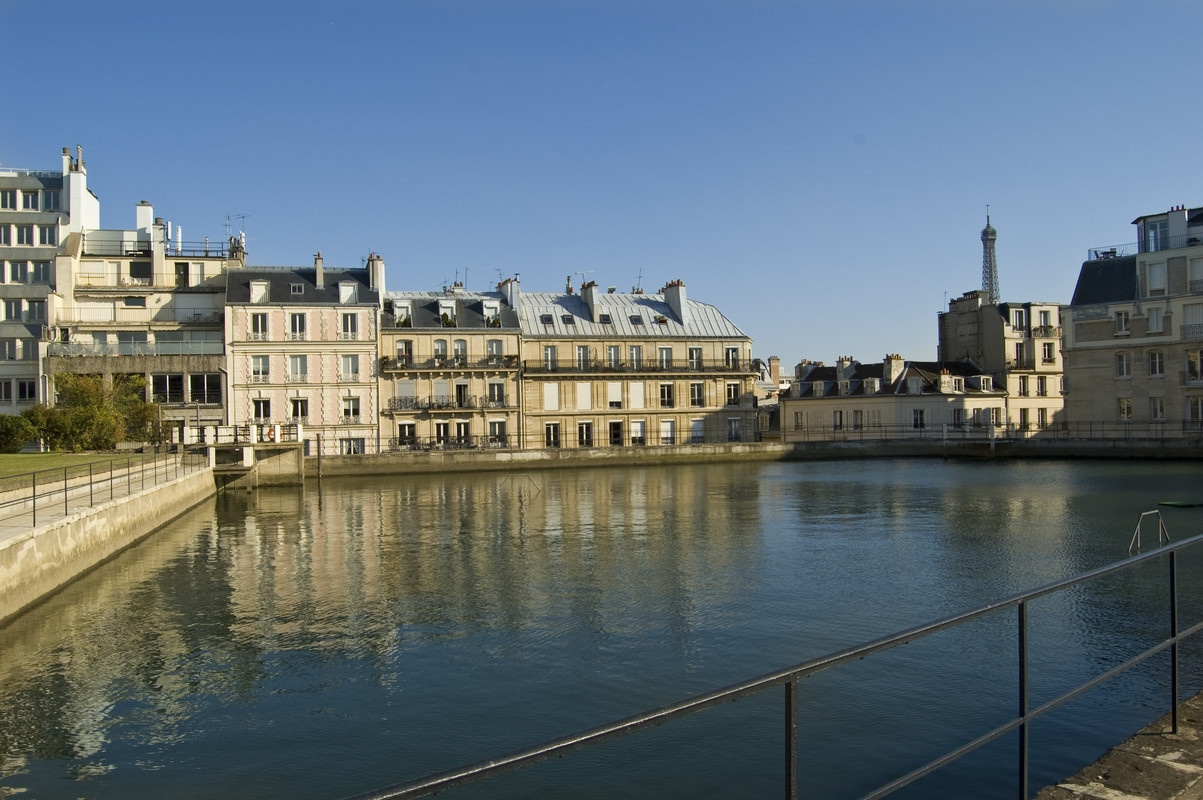
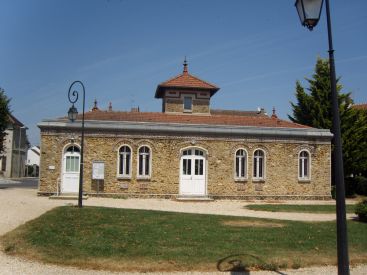
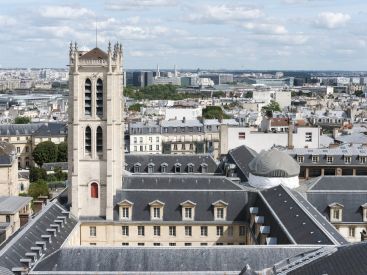
Perched on the hill of Chaillot, the Réservoir de Passy is one of those Parisian landmarks that are both discreet and essential. A hydraulic structure from the XIXᵉ century, technical heritage and potential for urban renewal, it resembles a huge swimming pool between the rooftops of Paris, well hidden from the public eye, but under the gaze of the inhabitants of the buildings above it.
Construction of the Passy reservoirs began in 1858 under the Second Empire, under the direction of Eugène Belgrand, general engineer of the Ponts et Chaussées department, who was responsible for modernizing the Paris water network. Commissioned in 1866, the reservoirs were designed to store large quantities of non-potable water for public use.
Originally, two large open-air basins were installed, later supplemented in 1898 by a third basin and several underground basins to meet the capital's growing needs, with a total non-potable water storage capacity of 56,000 m3: Ville juste, Copernic and Bel-Air.
The Passy reservoirs are still in use for some parts of Paris's non-potable water service, supplied via a network of canals and pumps. Today, they are mainly used to power the waterfalls in the Bois de Boulogne, water the parks and gardens in the west of the capital and clean the streets.
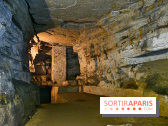
They dominate Paris, some 55 metres above the level of the Seine, allowing gravity to be used for efficient distribution. The massive millstone walls, underground vaults and open-air basins create a strong contrast between the prestigious urban context of the 16th arrondissement and the silence of an almost invisible but imposing structure.
This page may contain AI-assisted elements, more information here.