In 1668, Molière is riding the crest of his fame. At 46, Jean-Baptiste Poquelin now runs the Troupe du Roi and has been based for years at the theatre of the Palais-Royal, just steps from the Louvre. Louis XIV extends his protection, but this close tie to power hasn’t spared the dramatist from controversy. Tartuffe, first staged at Versailles in 1664, remained banned after provoking the ire of devout circles. A new version presented in 1667 under the title L'Imposteur was also forbidden.
Molière continues to write at an astonishing pace. In January 1668, he unveils Amphitryon; in July, George Dandin ou le Mari confondu is staged before the court at the Grand Divertissement royal de Versailles. Then comes L'Avare. On 9 September 1668, the Troupe du Roi presents for the first time the play on the the stage of the Palais-Royal. Early editions carefully preserve the memory of this date: the title page notes that the comedy was “performed for the first time in Paris, at the Théâtre du Palais-Royal, on 9 September 1668, by the Troupe du Roi.”
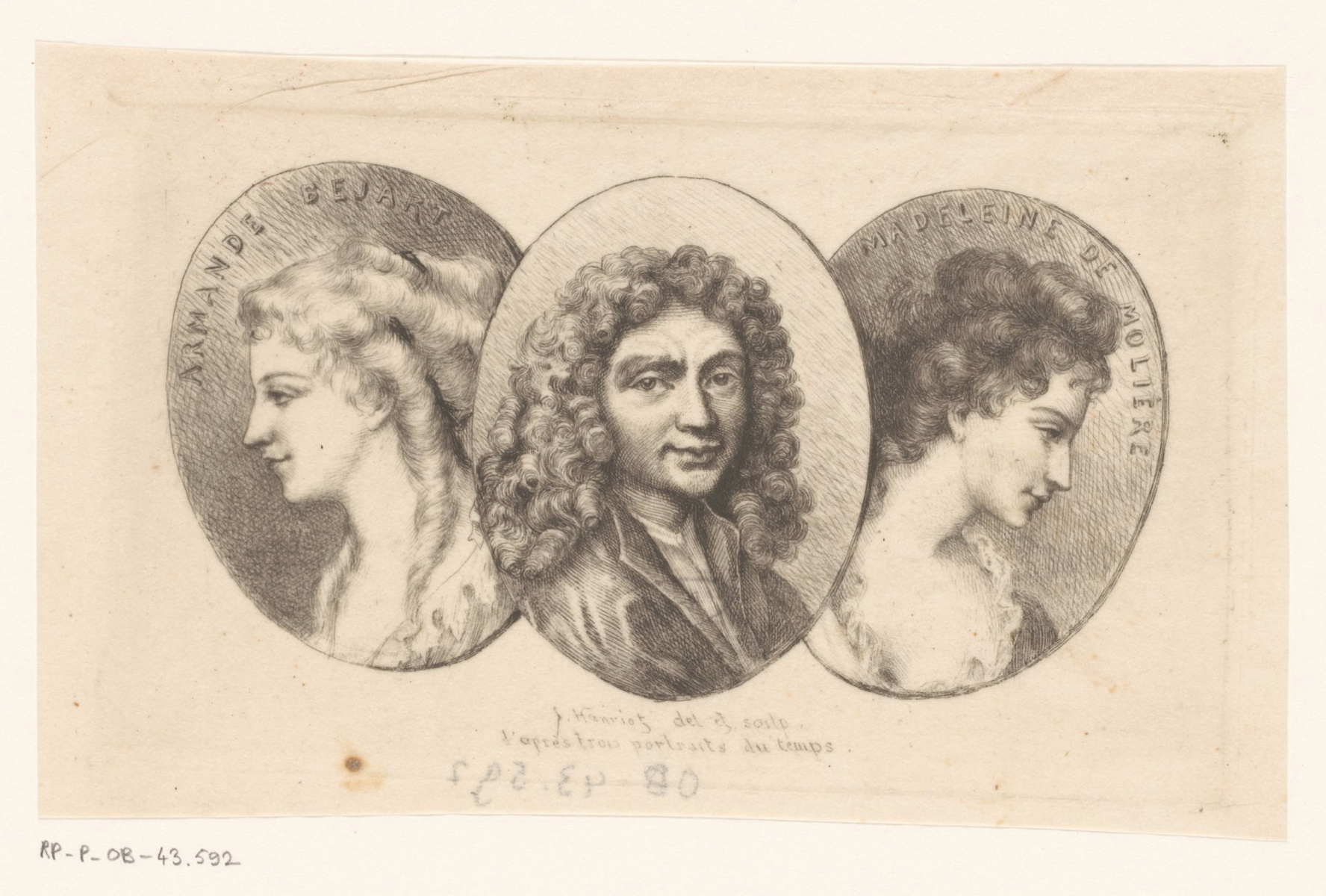
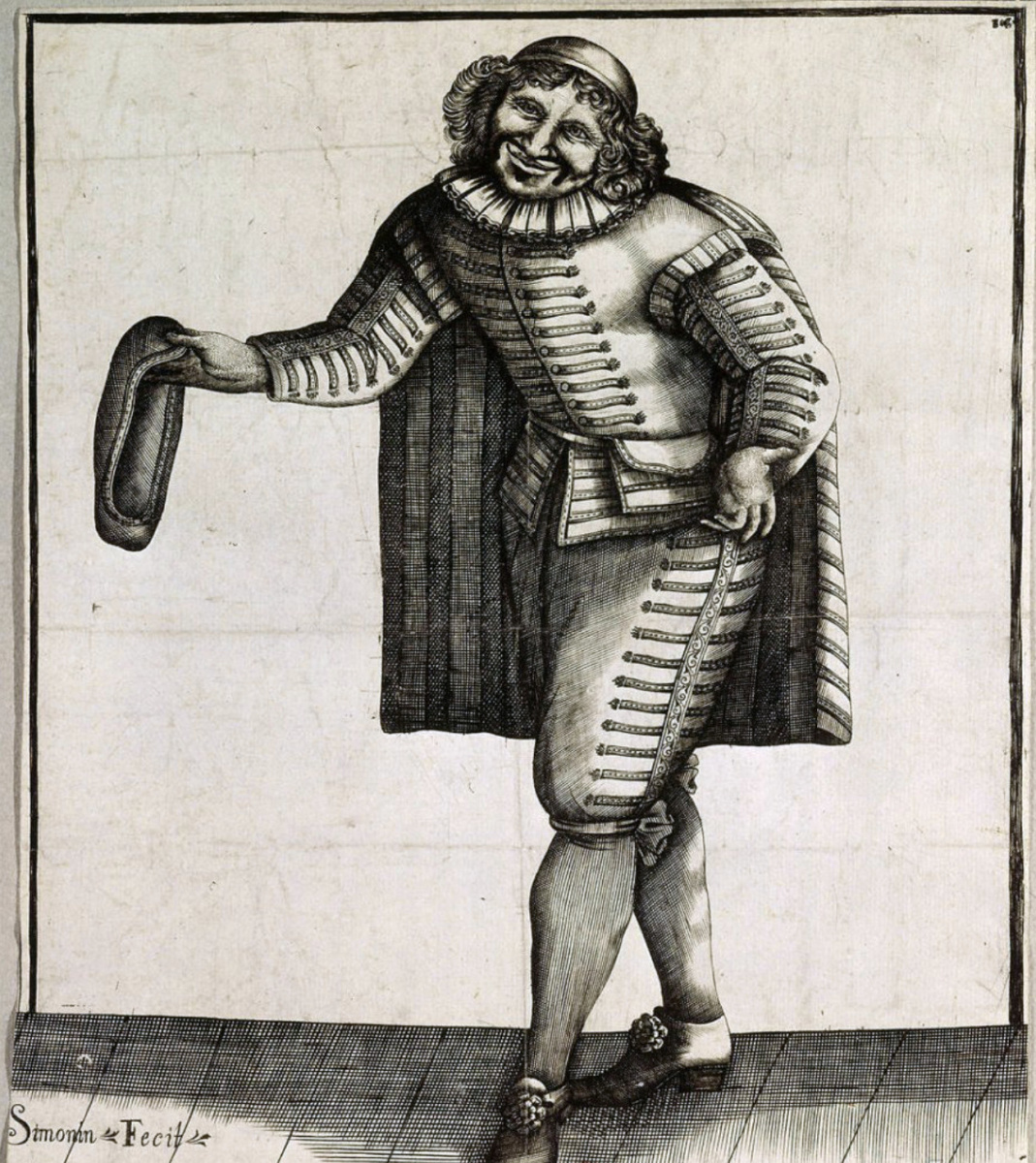
Not only is he the author, he also plays Harpagon. At 46, the dramatist himself embodies this aging, tyrannical, suspicious father obsessively devoted to his fortune. Tradition even says that Molière leans into his own cough, which he already endures, to heighten certain comic effects of the character.
Harpagon is rich, and that’s exactly why he won’t spend a thing. The entire play turns on this contradiction. The miser has enough money to live comfortably, but every expense feels like an unbearable loss. He suspects his servants, keeps a close watch on his house, lends money at exorbitant rates, and hides in his garden a strongbox containing ten thousand écus of gold. An obsession that poisons everything around him.
Yet this character, now almost indissociable from Molière’s name, fails to charm the Parisian audience of 1668 at once! It stands as one of the most intriguing paradoxes in the history of L'Avare: the play is so familiar today that it’s hard to picture its first appearance as a relatively disappointing theatrical premiere, and yet the premiere on September 9 did not spark the hoped-for enthusiasm.
The form chosen by Molière likely plays a crucial role. L'Avare is a major five-act comedy written in prose. Yet the Parisian audience is accustomed to linking grand comedy with verse, and in particular with the alexandrine. The figures for the premières représentations confirm this tendency: the initial run comprises only 9 performances through 7 October 1668. L'Avare then returns to the Palais-Royal for a second series of 12 performances between 14 December and 22 January following.
The average box-office, just over 500 livres per performance according to the troupe’s ledgers, marks a modest success rather than a triumph. Another Molière play would soon steal the spotlight from him. On February 5, 1669, after years of struggle, Tartuffe could finally be staged without restrictions. This time, the reception is substantial, and in the face of the Tartuffe phenomenon, L'Avare temporarily slides into the background.
But Molière does not abandon it, however. He revives the play again in 1670, 1671 and 1672, still at the Palais-Royal. Yet when he dies in February 1673, L'Avare still has not secured the monumental place in theatre history that it would come to hold. This consecration is built up gradually, and it endures beyond Molière's own troupe.
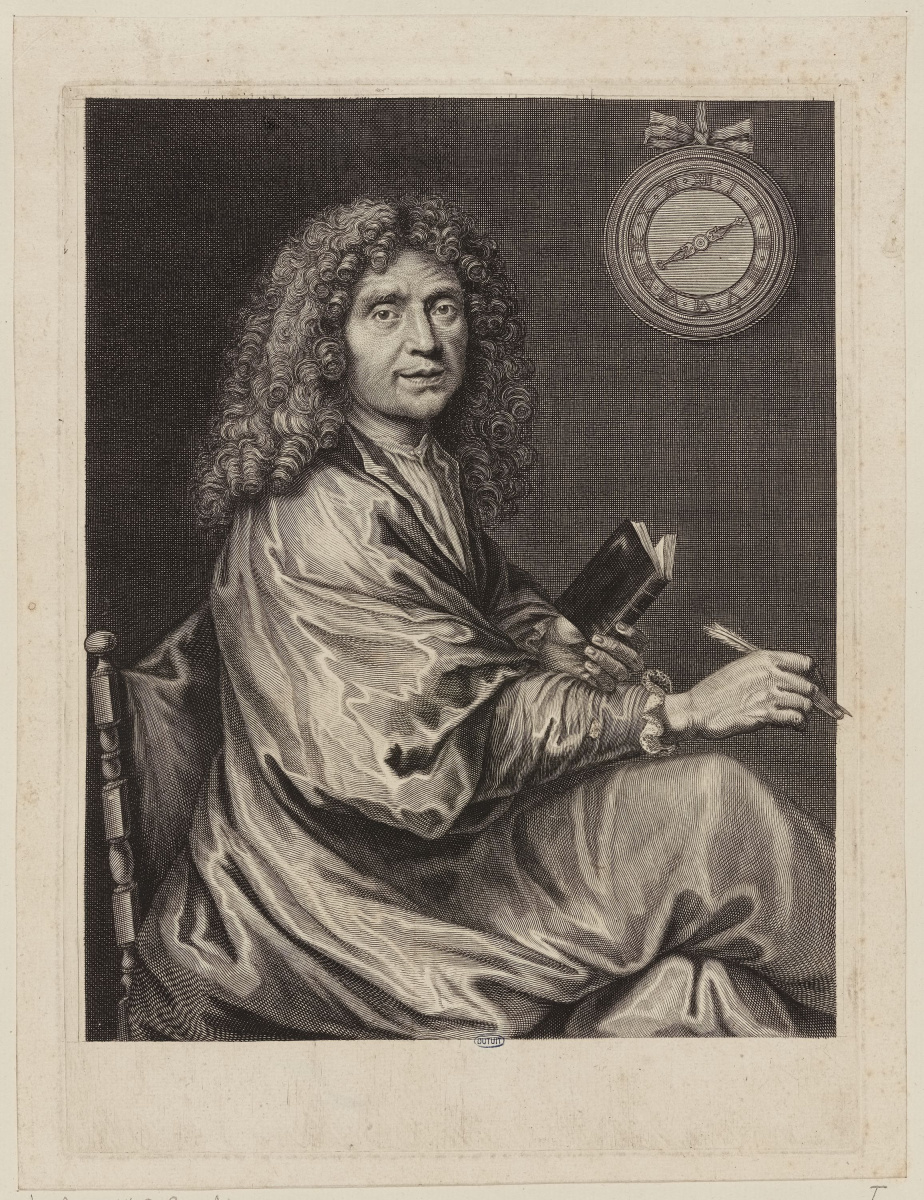
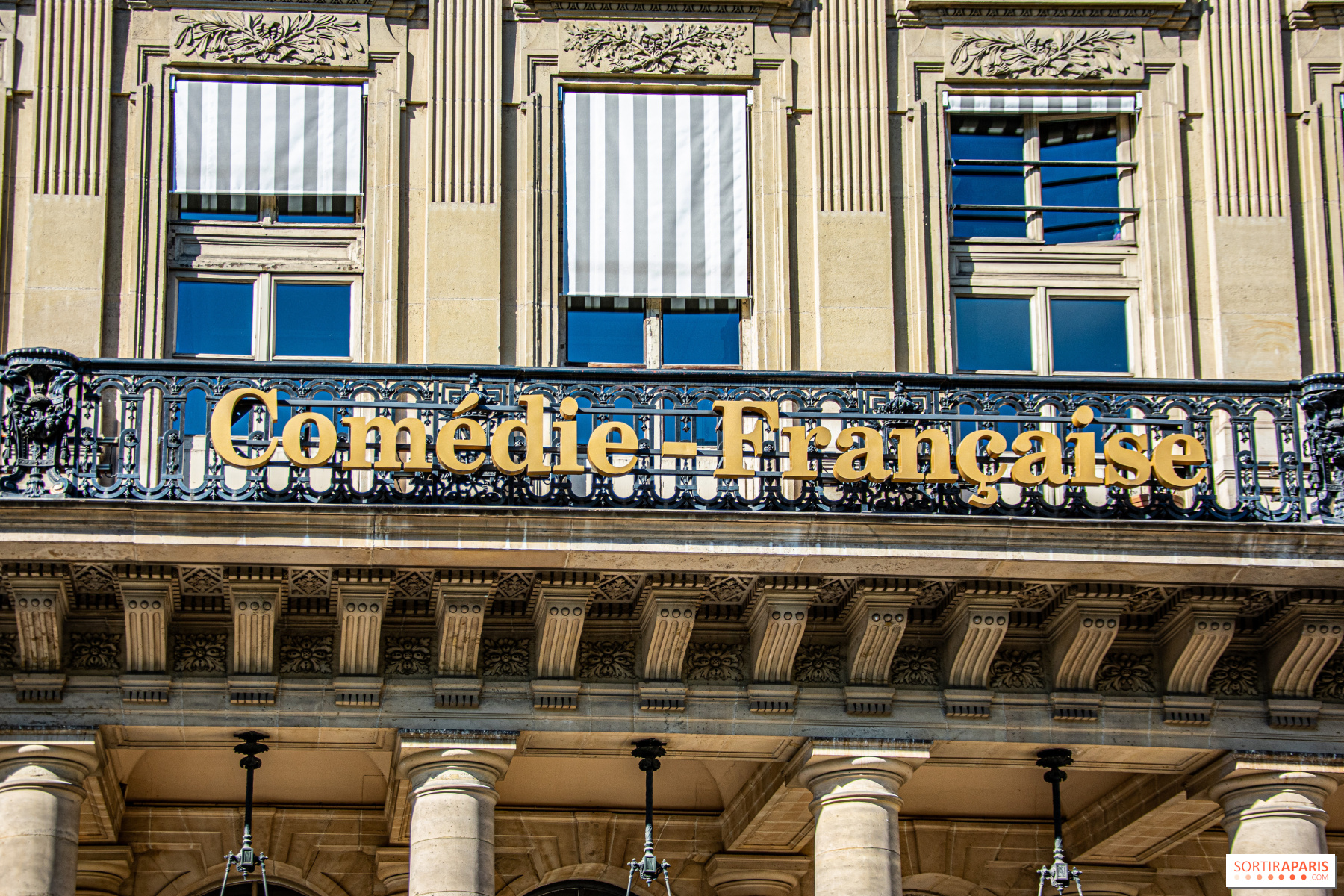
In 1680, Louis XIV orders the gathering of Paris's leading French troupes: marking the birth of the Comédie-Française. The Miser is staged by the new company on September 2, 1680 at the Hôtel Guénégaud Theatre, just days after the troupe's formation.
Over the centuries, the role of Harpagon has stood as one of the great tests for French actors. Molière created the character; later came Rosimond, Brécourt, Duchemin, Des Essarts and Grandmesnil. In the 19th century, interpretations continued to evolve: Leloir endowed the part with a disturbing, almost hallucinatory dimension, while Coquelin cadet, from 1893 onward, stressed its comedic potential.
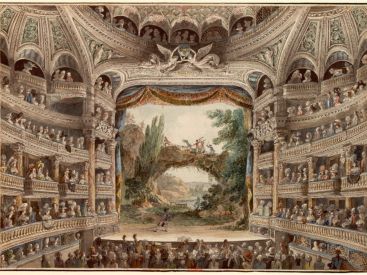
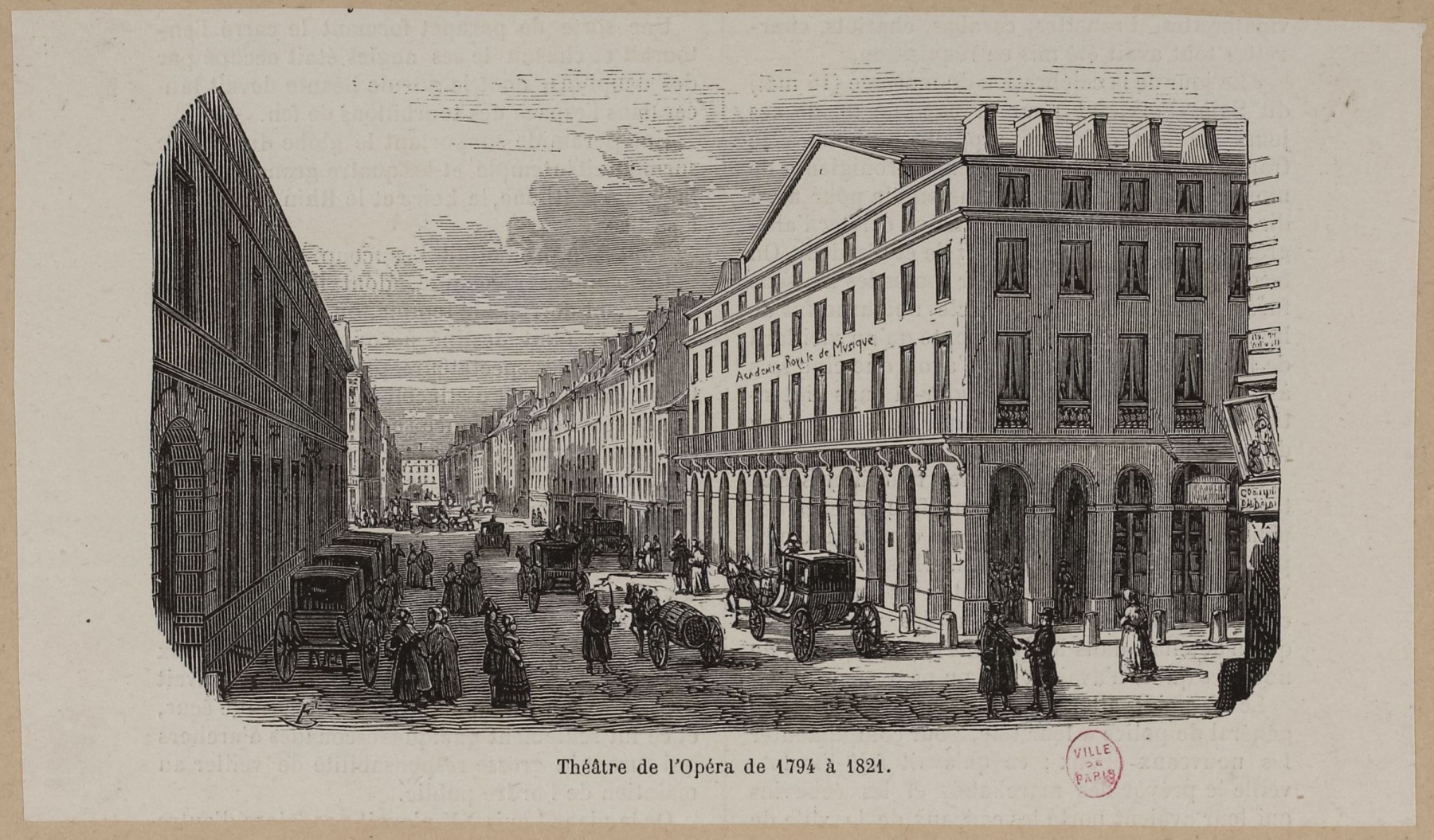
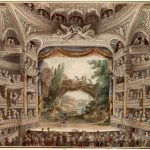
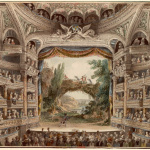
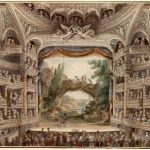
The venue for this premiere, too, has changed dramatically. The Molière's Palais-Royal Theatre is not the current home of the Comédie-Française! The hall where L'Avare was created belongs to the palace built in the 17th century for Cardinal Richelieu, then called the Palais-Cardinal, where a theatre was installed. Upon Richelieu’s death in 1642, the palace passed back to Louis XIII before being occupied by the royal family and taking the name Palais-Royal.
In this room, Molière and his troupe settled in 1660, after performing at the Petit-Bourbon, which was demolished to make way for the Louvre’s enlargement. For more than a decade, the Palais-Royal thus became one of the main laboratories of Molière’s theatre. Notably, there they created L'École des femmes, Le Misanthrope, L'Avare or Le Bourgeois gentilhomme. It is also there that Molière performed Le Malade imaginaire for the last time on 17 February 1673, before dying a few hours later at his home on rue de Richelieu.
For further reading:
Discovery walk in Paris on the tracks of Molière
To mark Molière's 400th birthday, take a stroll around Paris in the footsteps of the great French playwright, and discover the many places that marked his life. [Read more]
On October 21, 1680, the Comédie-Française was founded by order of King Louis XIV, the result of a merger between Molière's troupe and that of the Hôtel de Bourgogne. The sovereign's idea was simple: to put an end to the quarrels between the two rival troupes, while reaffirming royalty by promoting classical French theater, at a time when the Comédie-Italienne was very much in vogue. [Read more]
The Comédie-Française occasionally opens the doors to its backstage areas. Discover the dressing rooms, the technical spaces, and the traditions of the prestigious House of Molière. [Read more]
This page may contain AI-assisted elements, more information here.
Dates and Opening Time
On September 9, 2026
Location
Comédie française - Salle Richelieu
1 Place Colette
75001 Paris 1
Route planner
Accessibility info
Access
Metro Palais Royal - Musée du Louvre

















 Discovery walk in Paris on the tracks of Molière
 Ephemeris of October 21 in Paris: The birth of the Comédie-Française


 How can you tour the backstage of the Comédie-Française and see what goes on behind the scenes?