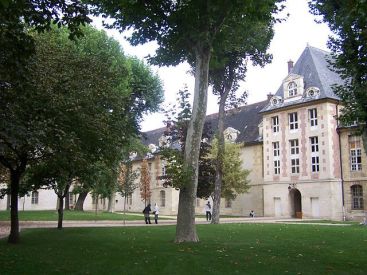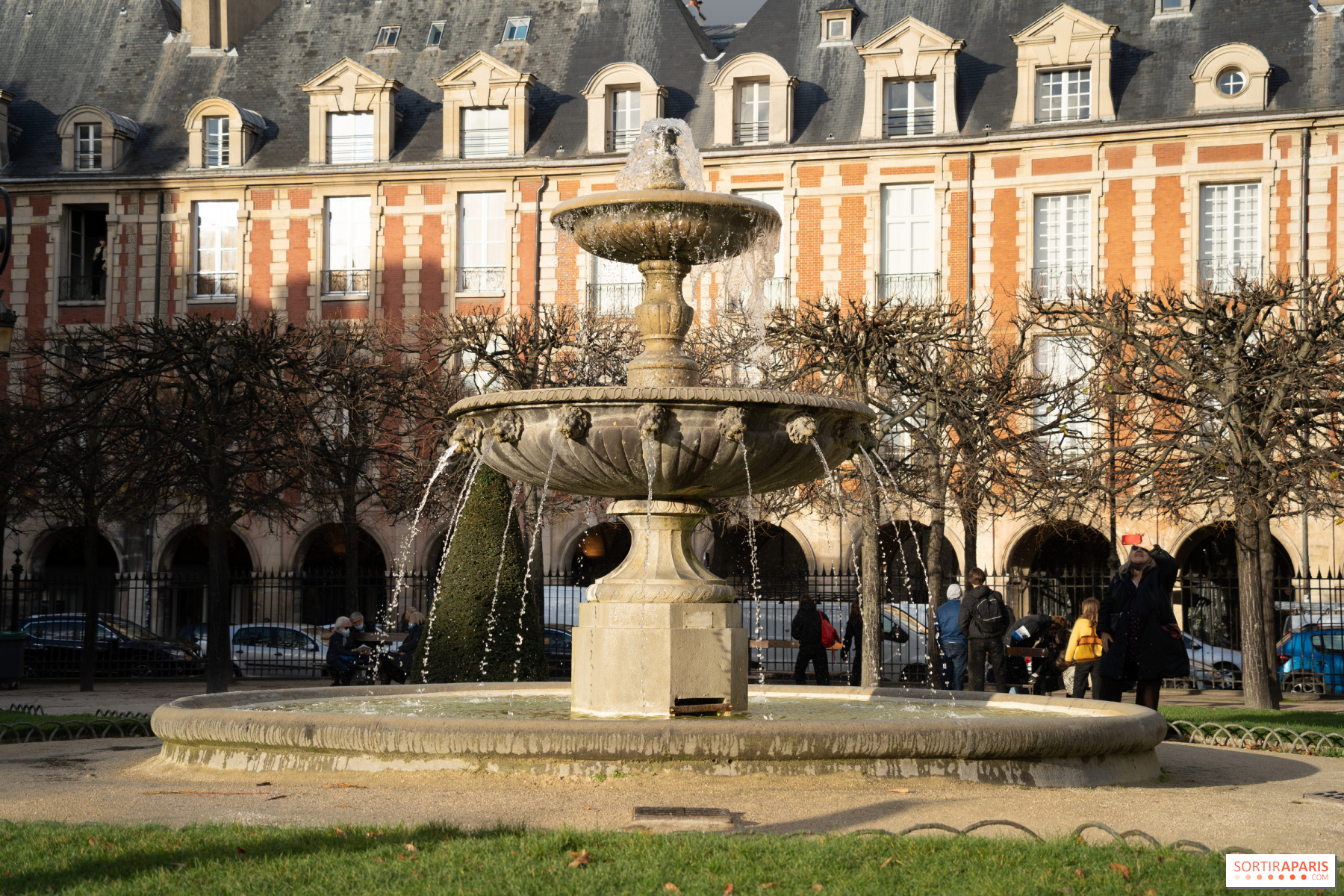
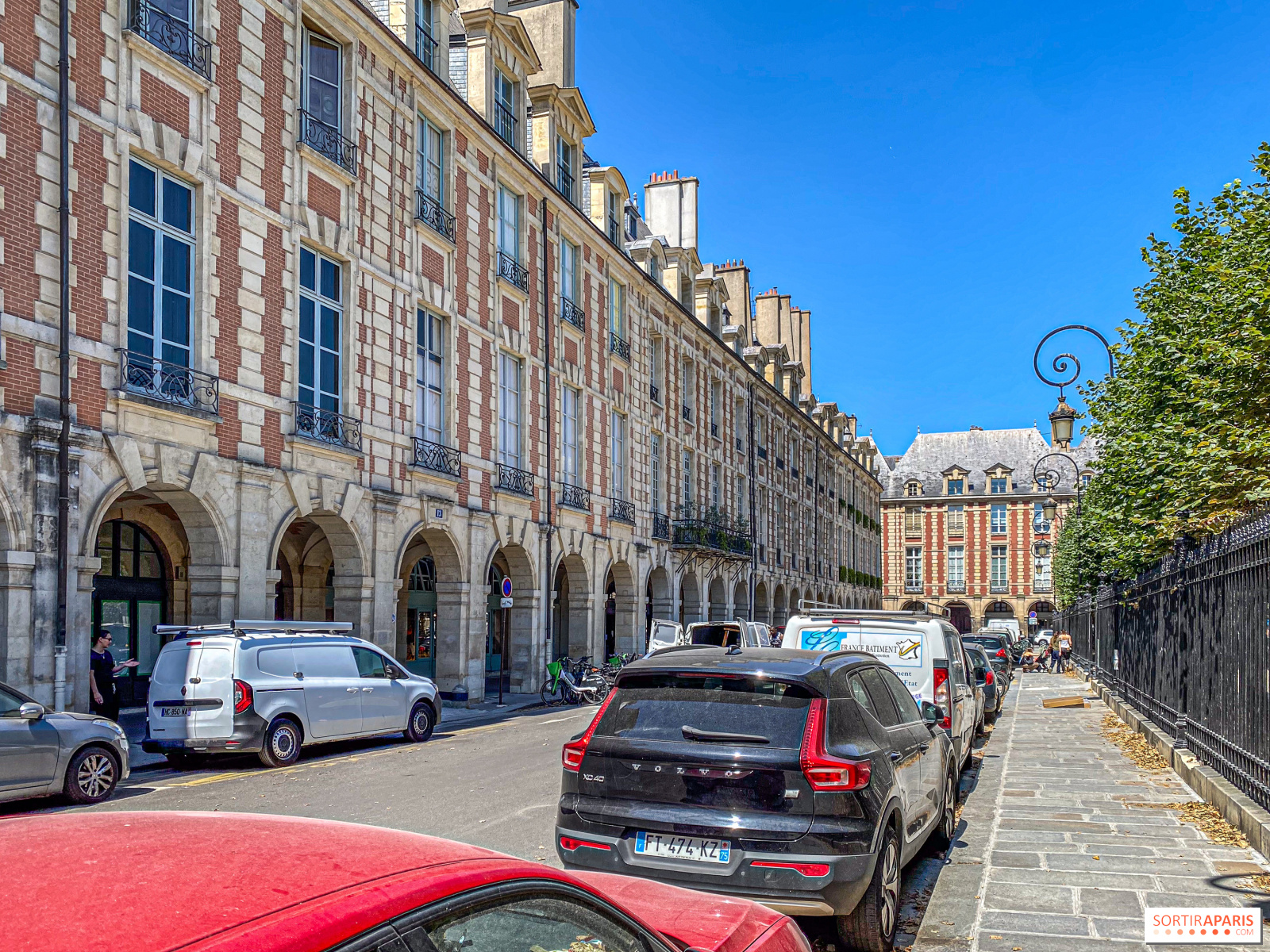
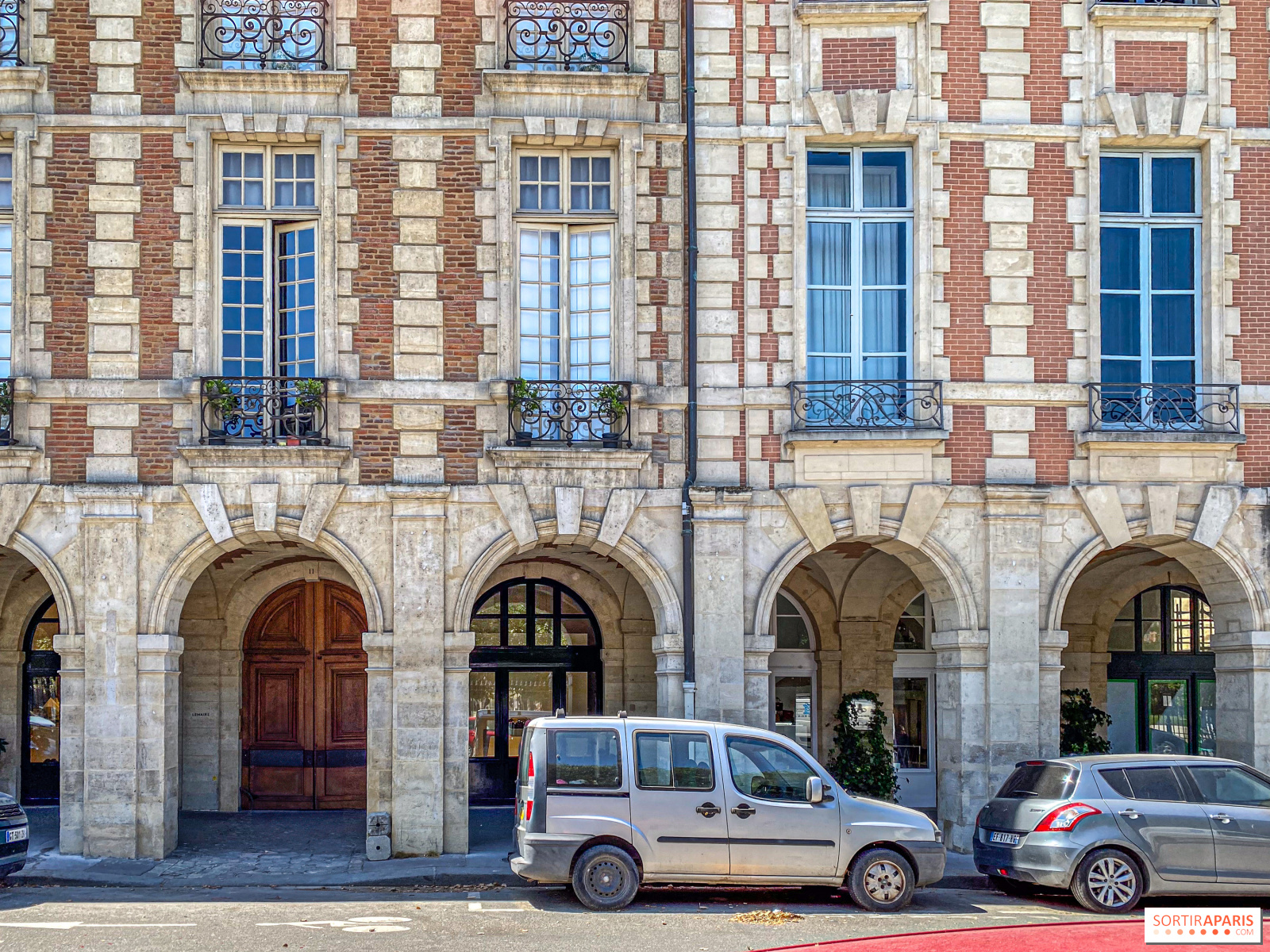
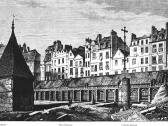
When this name first appears in 1800, the square already has almost two centuries of history behind it. It all begins under Henri IV, who in 1605 orders the creation of a regular, grand square on part of the lands of the former Hôtel des Tournelles. Around a vast quadrangular space, red-brick facades rise and stone facades gradually take shape, crowned by tall slate roofs and extended by arcades on the ground floor. Two buildings dominate the ensemble: the King’s Pavilion to the south and the Queen’s Pavilion to the north.
Henry IV, assassinated in 1610, does not live to see his project completed. In 1612, the New Place Royale hosts grand festivities centered on the marital alliances between the French and Spanish crowns. It quickly becomes one of the premier addresses of the Parisian aristocracy. Madame de Sévigné is born there in 1626; Richelieu owns a townhouse there, and an equestrian statue of Louis XIII is installed in its center in 1639.
The Révolution reshapes this royal identity. The statue of Louis XIII is toppled in 1792 and the square’s name becomes politically awkward. Like many Parisian streets, it then adopts several appellations, notably Place des Fédérés, then Place de l’Indivisibilité. Paris’s map tracks these regime changes right down to the street plaques.
It is in this context that September 13, 1800 enters the scene. France now lives under the Consulate and Napoleon Bonaparte is First Consul. That day, the old Place Royale receives a new name: the place des Vosges.
But why pick a department hundreds of kilometers from Paris? The historical tradition holds that the Vosges were singled out for their eagerness to pay the contributions demanded by the new regime. It’s often said that the department was the first to settle its tax obligations, even though older sources do not all word the distinction in exactly the same way. The point is clear: the new name is a civic tribute paid to the department for its conduct toward the public finances.
The origin is thus far less romantic than the surroundings might suggest. The Place des Vosges owes its name to a tax-collection story! This naming also fits its era to a tee. After the Revolution, those in power sought new references free of monarchical vocabulary. Where "Place Royale" openly celebrated the monarchy, "Place des Vosges" foregrounds a department of the Republic and, through it, a form of civic virtue.
The name was far from being permanently settled yet. With the Restauration, the Bourbons return the square to its former title of Place Royale. The name Place des Vosges reemerges with the Second Republic in 1848, before another hiatus under the Second Empire. It isn’t until 1870 that the appellation is finally restored.
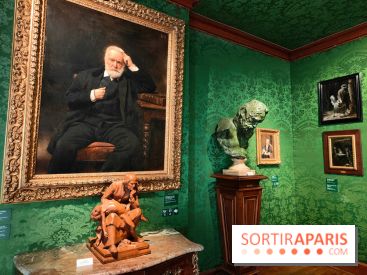
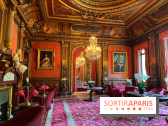
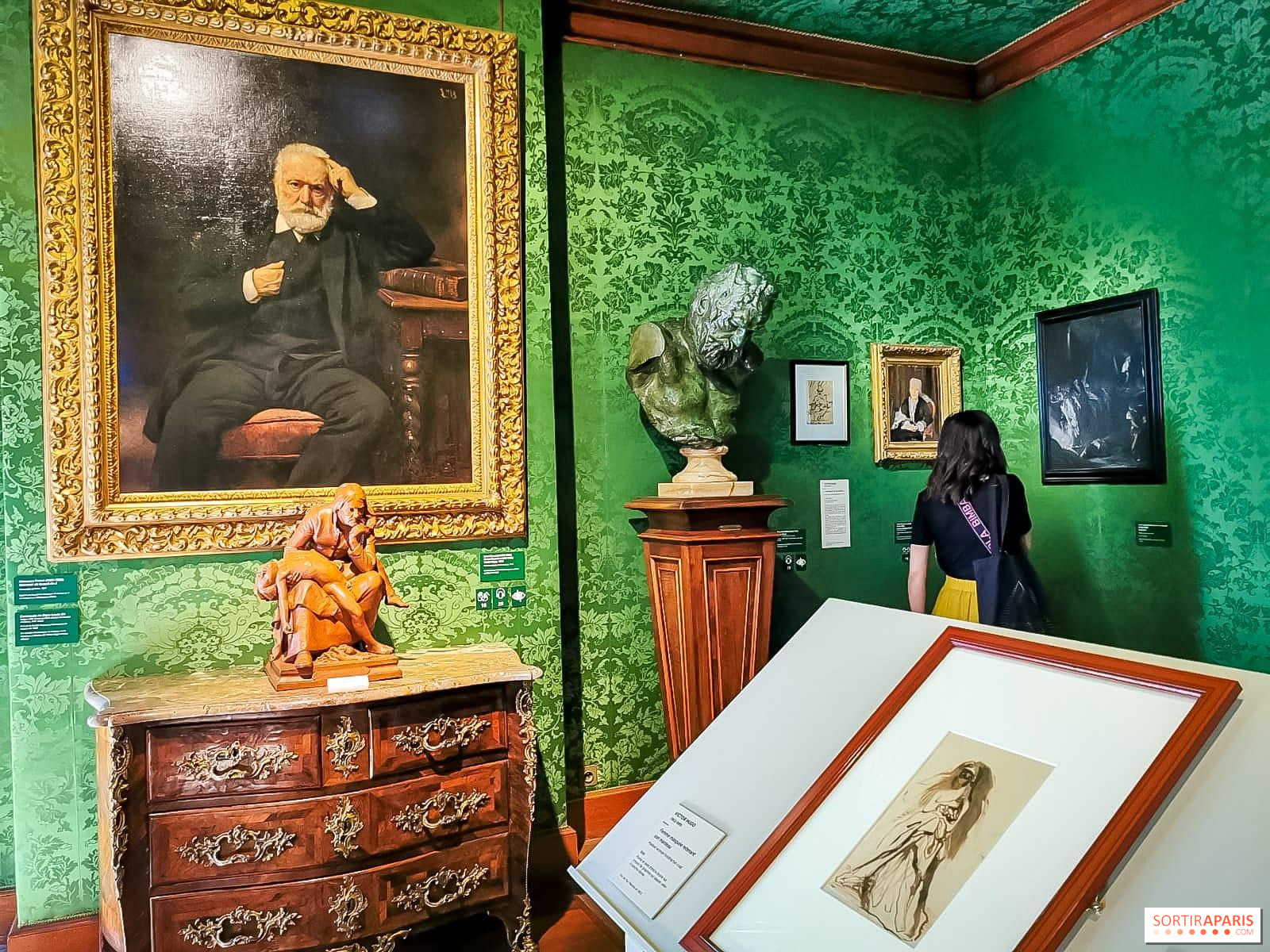
Meanwhile, another name became permanently attached to the address. From 1832 to 1848, Victor Hugo lived at No. 6, in the Hôtel de Rohan-Guéménée. His apartment now houses the Maison de Victor Hugo. The square thus preserves successive traces of Henry IV’s monarchy, of the Revolution, of the Consulate, and of 19th‑century literary Paris, and it reveals how Paris accumulates its history even in the names of its streets and squares.
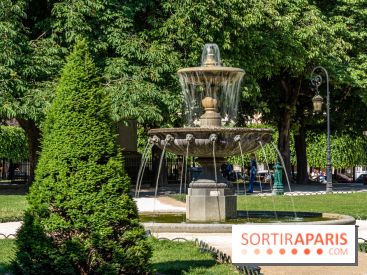
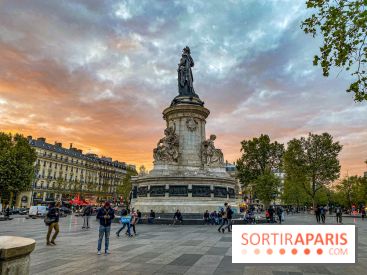
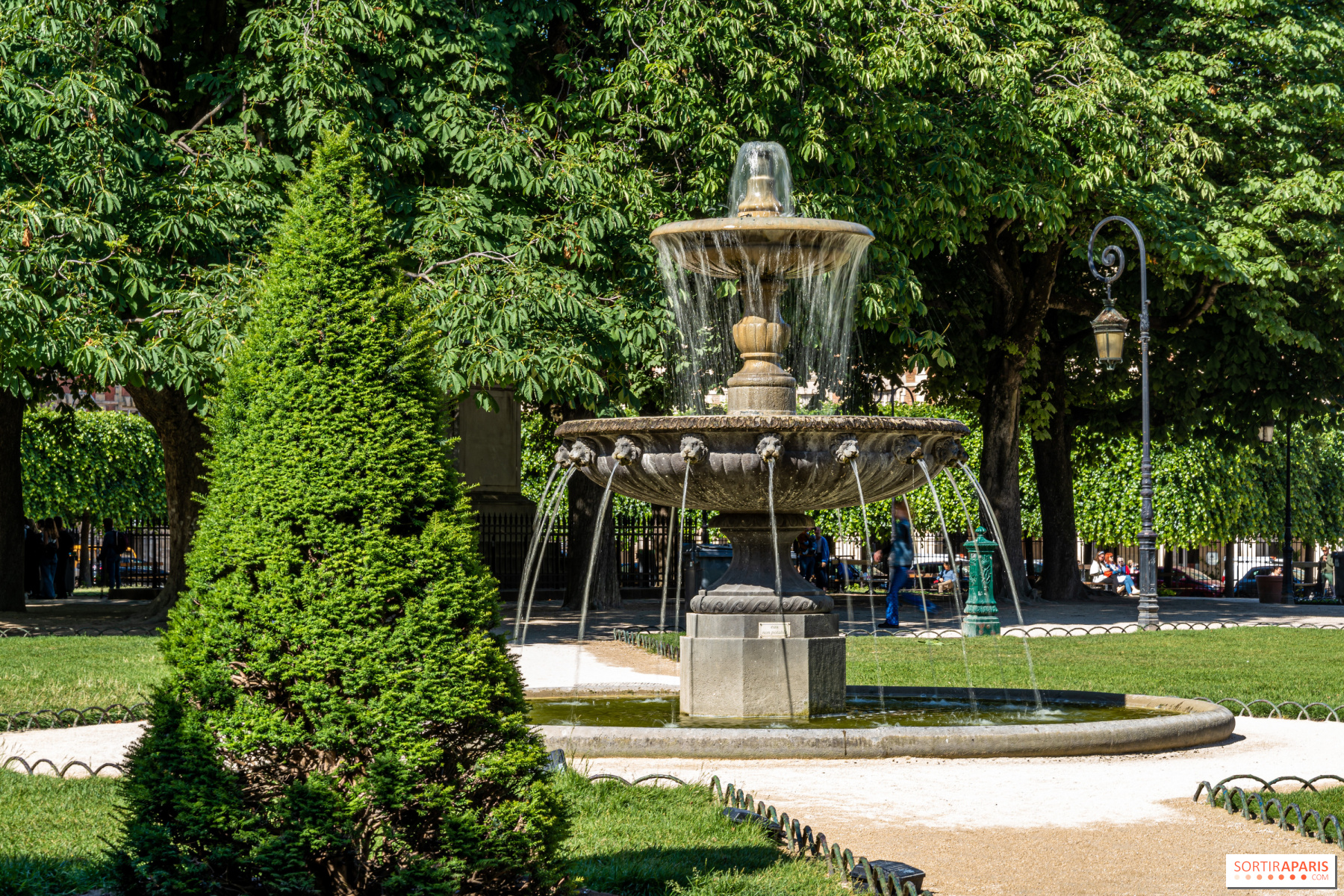
The architecture of this square, which was royal, revolutionary then republican, still makes it possible to recognize the project launched at the beginning of the 17th century: brick and stone façades, arcades, regular pavilions and tall slate roofs surround—still today—the square Louis-XIII, where a new statue équestre du roi was installed in the 19th century to replace the one destroyed during the Revolution!
To go further:
Place des Vosges, an iconic spot in Paris' Marais district
On the Marais side of Paris, the Place des Vosges is one of the most iconic squares in the area, a favorite with tourists and Parisians alike in the summer months. Discover the history of this charming square. [Read more]
La Maison de Victor Hugo is hidden in Place des Vosges, in the heart of Paris. This museum dedicated to the most famous of French authors lets visitors step into the apartment where the artist and his family lived, as well as into his artistic universe. [Read more]
This page may contain AI-assisted elements, more information here.
Dates and Opening Time
On September 13, 2026
Location
Place des Vosges
Place des Vosges
75004 Paris 4
Route planner
Accessibility info














 Place des Vosges, an iconic spot in Paris' Marais district


 La maison de Victor Hugo à Paris, une immersion artistique dans l'univers du célèbre écrivain français