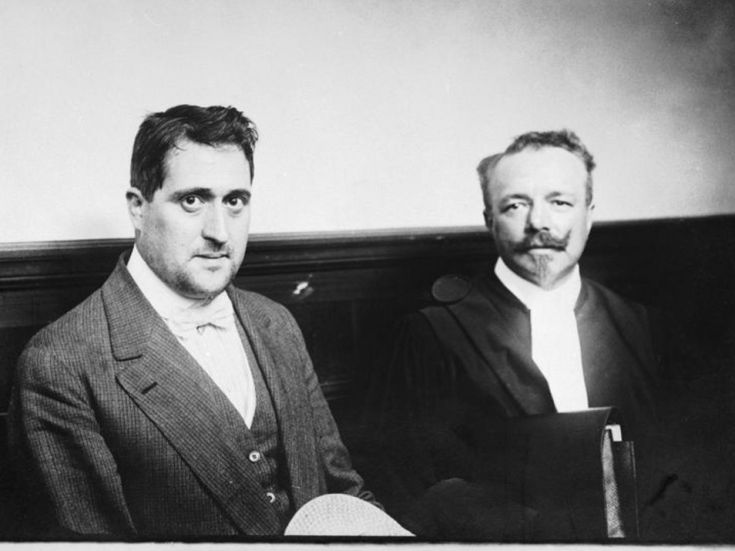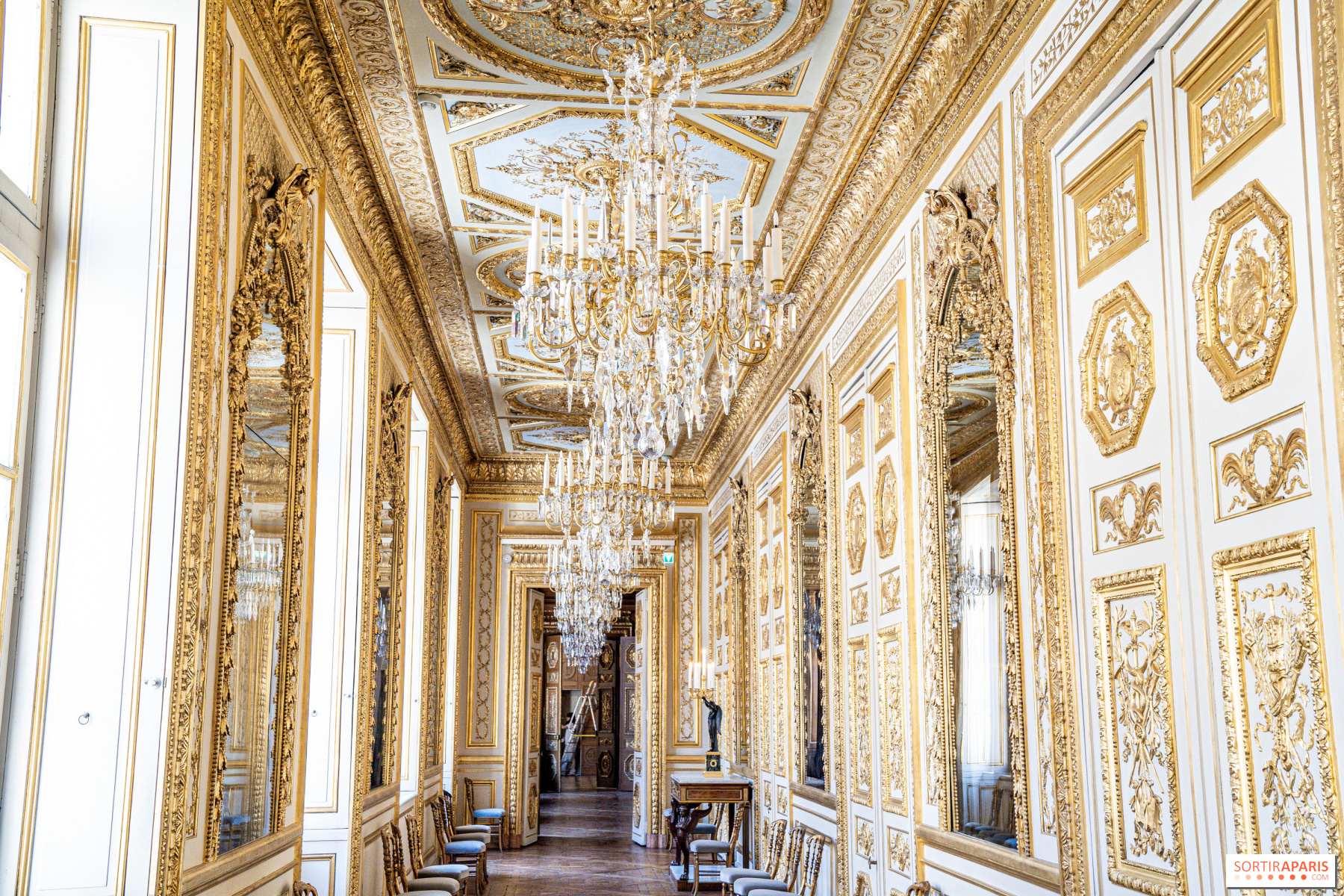
During the night of September 16–17, 1792, robbers were caught in the act at the National Garde-Meuble, on today’s Place de la Concorde. Authorities soon discover that a theft of extraordinary scale has been underway for several days in the building: nearly 9,000 gemstones have vanished, among them some of the most renowned diamonds of the French monarchy. The treasure accumulated by the kings of France for centuries has just been dispersed in a few nights!
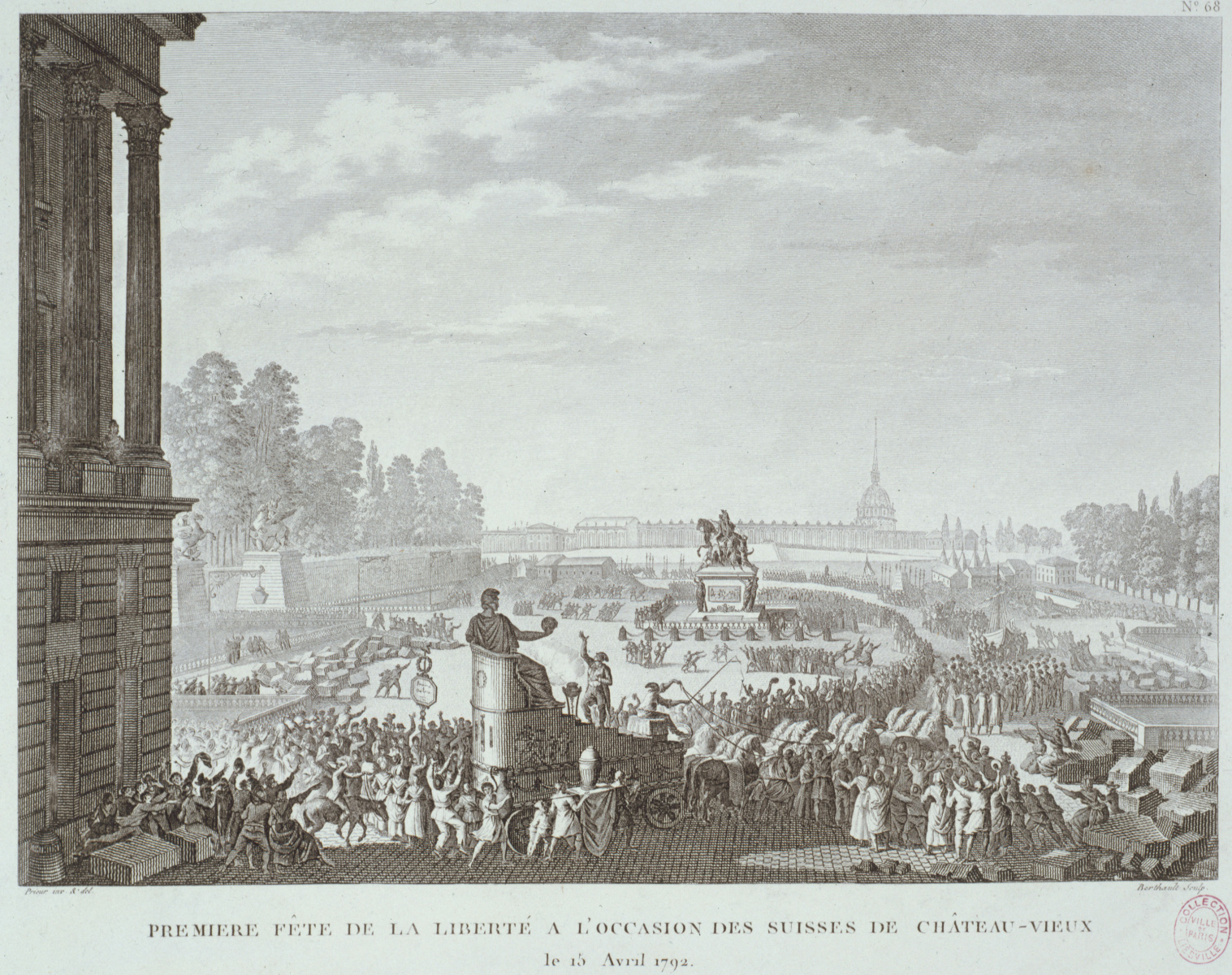
To understand how such a burglary could unfold almost at the very gates of power, we must return to a Paris that September 1792 was especially chaotic. The monarchy had fallen after the storming of the Tuileries on August 10, Louis XVI was imprisoned in the Temple and the Prussian and Austrian armies were pressing into France. Between September 2 and 6, the massacres carried out in Parisian prisons claimed more than a thousand lives. It is in this feverish capital that several bands of thieves would take advantage of lax surveillance to strike one of the most precious treasures in Europe.
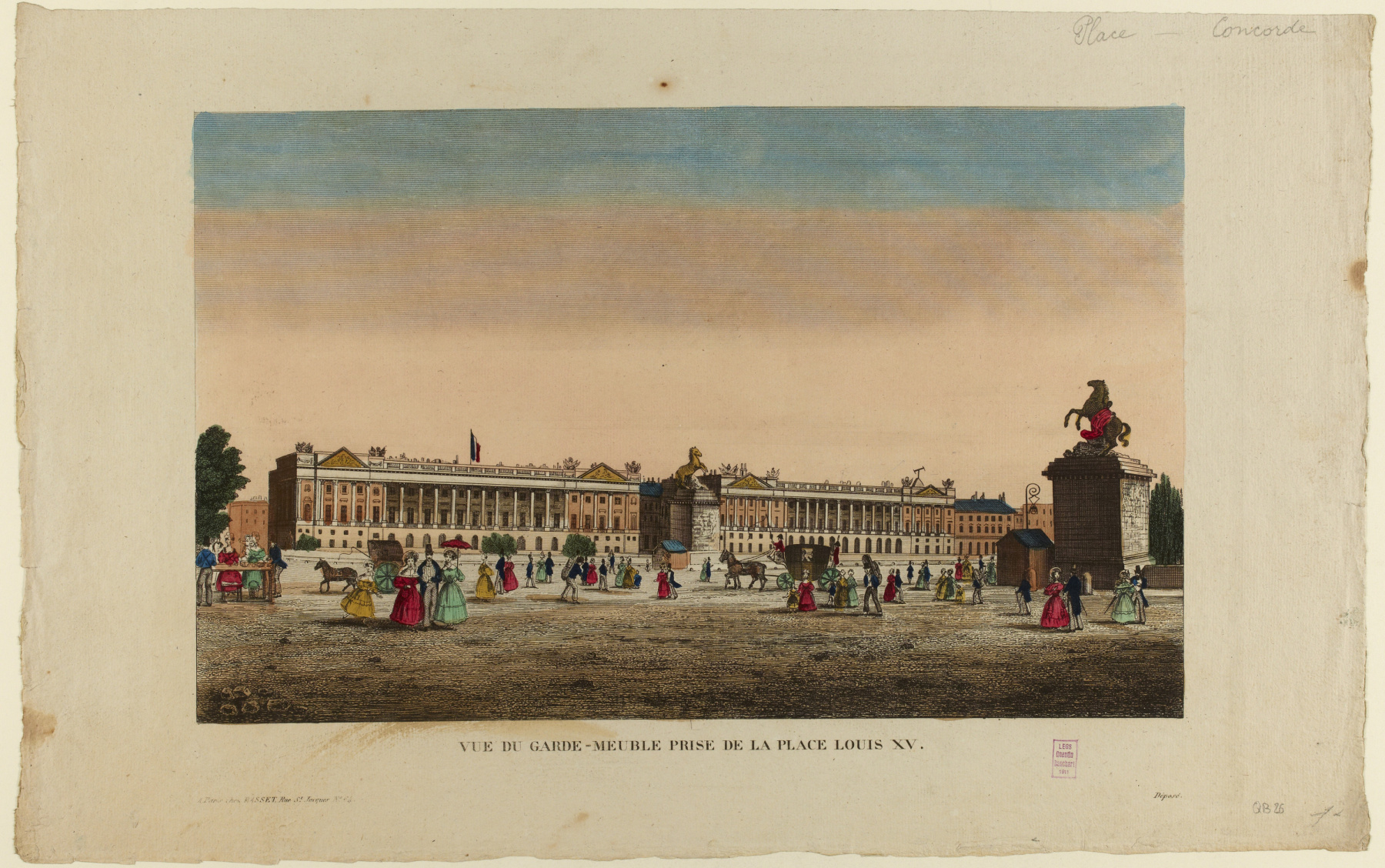
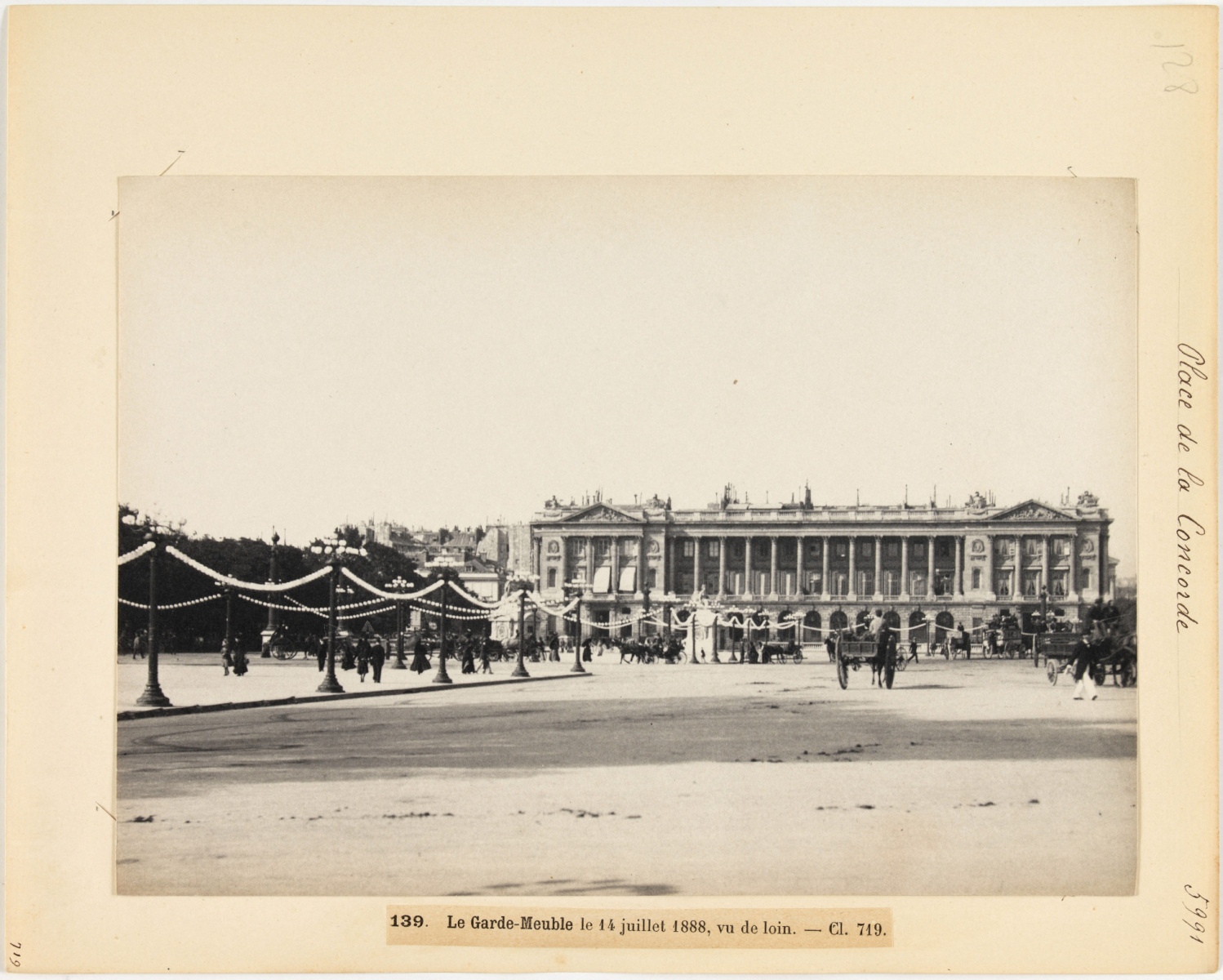
This institution is housed in the Garde-Meuble, today the Hôtel de la Marine. Built in the 18th century by Ange-Jacques Gabriel on Place Louis-XV, the future Place de la Concorde, it is charged with preserving and administering the furniture, tapestries, weapons and other precious objects belonging to the Crown. Some of its collections are even put on public display. Among them are the Crown Jewels, whose history officially traces back to Francis I, who sought to assemble a set of stones linked to the monarchy and transferrable to his successors.
The treasure’s contents are dizzying. An inventory taken during the Revolution records, in particular, 9,547 diamonds, 506 pearls, 230 rubies and spinels, 150 emeralds, 71 topazes and 35 sapphires. And some stones already carry a history almost as famous as the sovereigns who wore them.
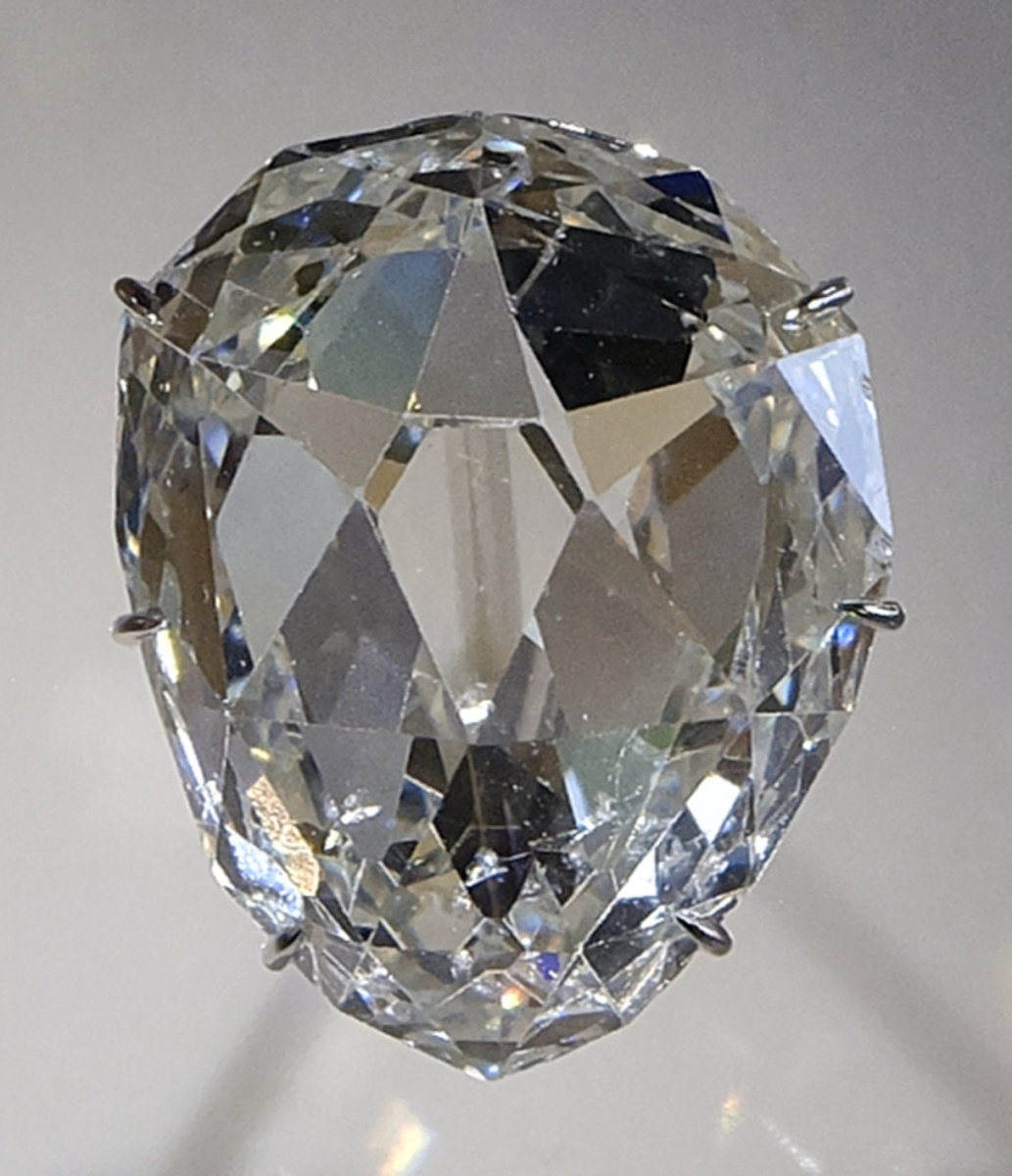
Notably, the Regent, an exceptional diamond acquired in 1717 by Philippe d'Orléans during his regency and subsequently used on several royal crowns. Also the Sancy, which passed through the hands of several great European families, and above all the spectacular Grand Blue Diamond of Louis XIV, a stone brought from India by the traveller and merchant Jean-Baptiste Tavernier. Purchased by the Crown under Louis XIV and later recut, this diamond of about 69 carats was incorporated under Louis XV into the insignia of the Order of the Golden Fleece.
An extraordinary treasure, then, but its existence and composition were by no means secret. The inventory of the jewels was made public during the Revolution, and the Garde-Meuble could previously be visited. The riches kept behind its walls were thus well known enough to attract predatory interest!
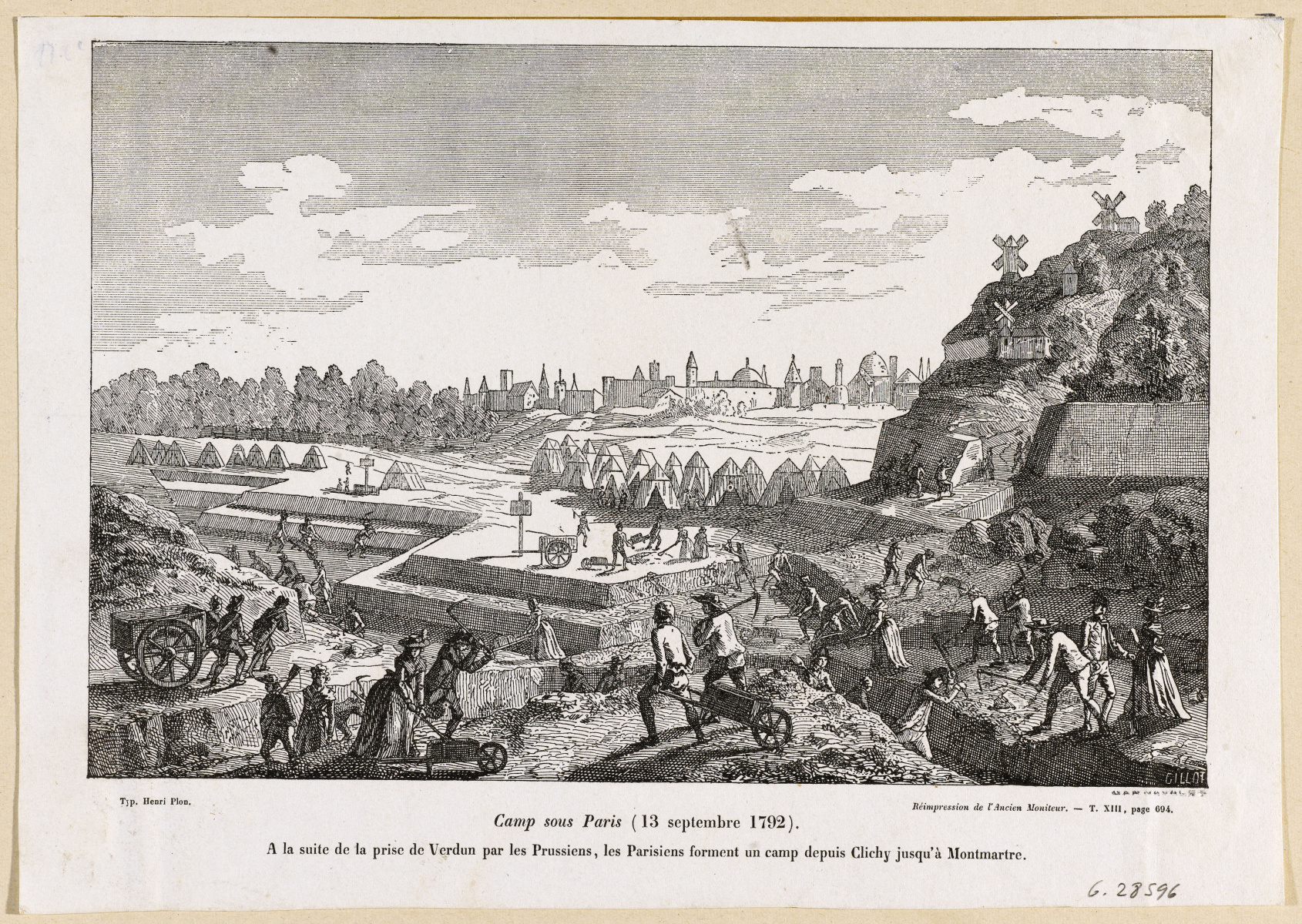
The first break-ins occurred in the night of September 11–12, 1792. The thieves exploited the building’s layout and the lax surveillance. They reached the rooms where the jewels were kept by entering through the façade and the windows that overlook the colonnade. The seals on the main access points, paradoxically, create the impression that the treasury is protected, even as the exterior openings remain vulnerable.
Most of all, the burglars realize they can come back. For several nights, different men slip into the building and carry off stones and jewelry. The affair takes on an almost unbelievable dimension: the Crown Treasury is not emptied in a single raid, but gradually, as Paris endures one of the Revolution's most turbulent periods.
And the thieves are even getting comfortable! Reports from the investigation describe meals and bottles consumed inside the Garde-Meuble. The break-in at times looks less like a tightly clandestine operation perfectly orchestrated than a prolonged plunder in which several people take part.
Everything hinges on September 16. In the dead of night, men are finally spotted on the outskirts of the building, and some are arrested with stones on them. When authorities inspect the rooms, they grasp the scale of the disaster. Nearly 9,000 precious stones were carried away. The Regent, the Sancy and the Grand Blue Diamond have disappeared, as have several insignia and historic jewels. The dynastic heritage of the Bourbons, built and enriched over generations, has just been dismantled in a matter of days.
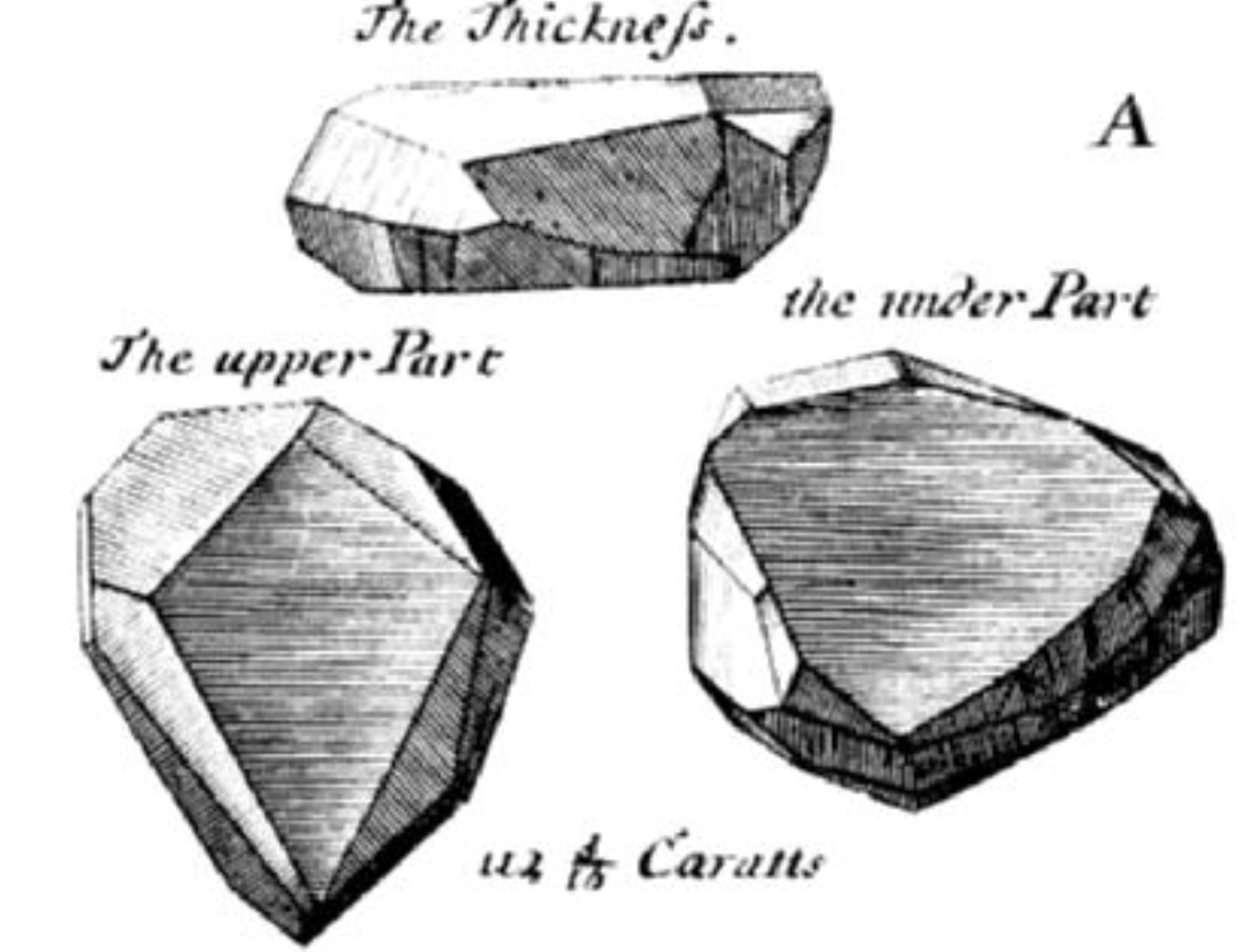
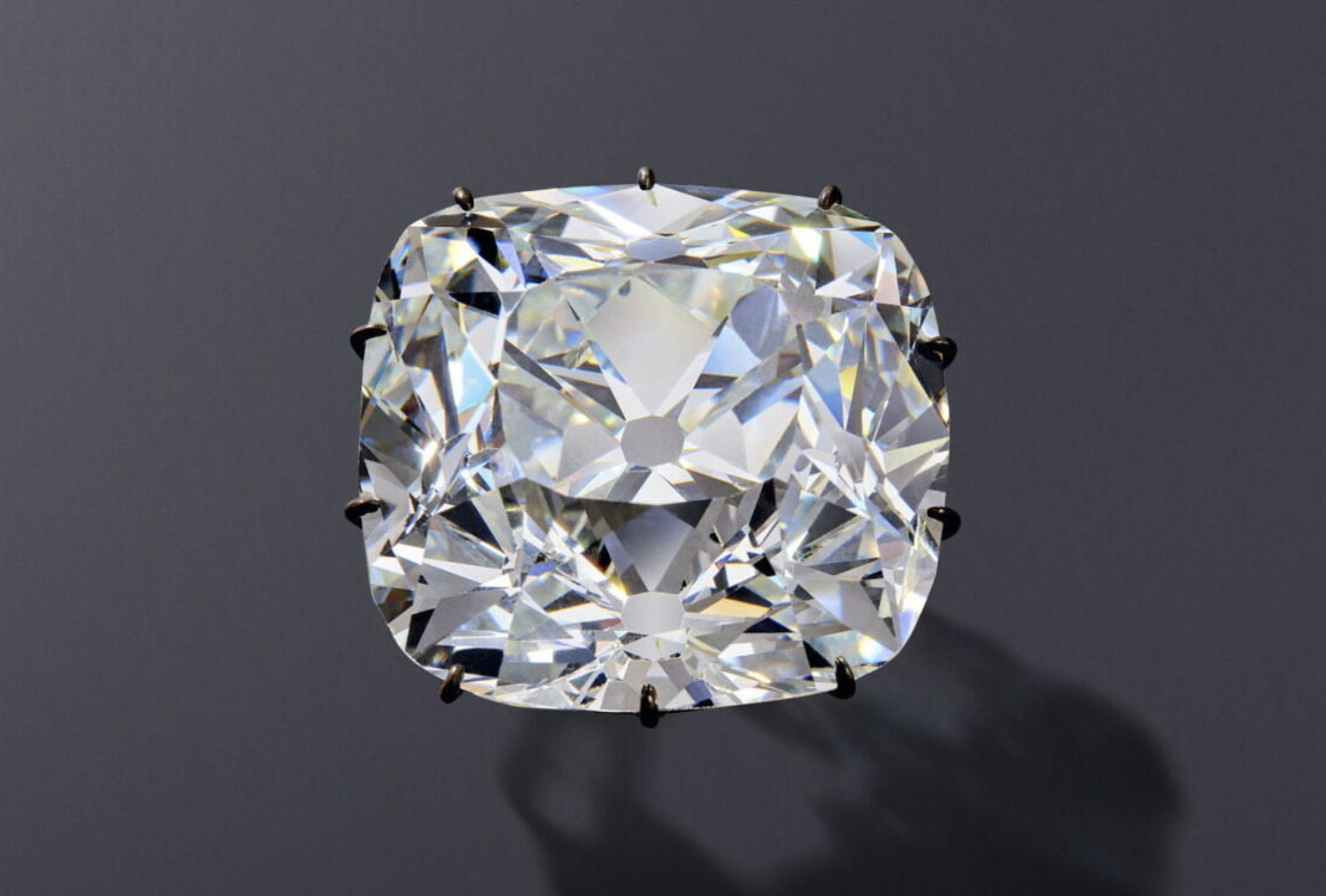
The investigation begins immediately, and a substantial portion of the loot gradually reemerges. The Regent, in particular, is located and re-enters the national collections; it is today housed at the Louvre Museum. Other pieces also make their way back to France after a lengthy pursuit. About two-thirds of the jewels are eventually recovered after two years of inquiry, but not all of them return!
Some objects vanish for good, while others take far more mysterious journeys. The most fascinating case remains the Grand Blue Diamond of Louis XIV. After the 1792 theft, its trail goes cold. The stone was presumably recut to mask its origins, an irreversible operation that erased its original form.
Exactly twenty years after the burglary, in 1812, a smaller blue diamond appears in London. It would then pass into the collection of banker Henry Philip Hope and become the famous Hope Diamond, today kept at the Smithsonian Institution in Washington. Gemological research since has reinforced the identification of the Hope as originating from the Great Blue Diamond of the Crown of France.
The case quickly feeds the political suspicions as well. In a Revolution where every event fuels accusations of conspiracy, some contemporaries refuse to believe that a treasure so substantial could have been stolen by mere criminals. Ministers and revolutionary leaders are accused of having looked the other way, or even of having orchestrated the theft. Danton is notably targeted by later rumors, but there is no solid evidence to establish the existence of a broad political conspiracy behind the burglary, and these hypotheses must be kept distinct from the facts established by the investigation.
The theft of the Crown Jewels remains, in this sense, extraordinary without the need to invoke a conspiracy. Its success owes as much to a concrete mix: a vast, well-known treasure, a building that was inadequately guarded, and a Paris profoundly disrupted by the fall of the monarchy, the war, and the violence of September. The scene of the burglary, meanwhile, still exists: the Garde-Meuble has become the Hôtel de la Marine, on the Place de la Concorde.
For further reading:
The Hôtel de la Marine in Paris, the sublime monument on Place de la Concorde
Do you know the Hôtel de la Marine? Let's discover this restored treasure of Parisian heritage, enthroned on the Place de la Concorde! [Read more]
This page may contain AI-assisted elements, more information here.
Dates and Opening Time
On September 16, 2026
Location
Hôtel de la Marine
2 Place de la Concorde
75008 Paris 8
Route planner
Accessibility info
Access
M° Concorde (lines 1, 8 and 12)





























 The Hôtel de la Marine in Paris, the sublime monument on Place de la Concorde