He is small, moustached, wears a winged helmet, and stands up to the Roman invader “now and forever.” On October 29, 1959, readers are first introduced to Astérix the Gaul, on page 20 of issue 1 of the weekly Pilote. René Goscinny writes the script, Albert Uderzo provides the drawings, and Astérix is about to become one of the best-known heroes in French comics.
Its true birth dates back to the summer of 1959 in Bobigny, in Seine-Saint-Denis (93). Albert Uderzo was then living with his family in a social housing flat at 3 Rue Rameau. It was there that René Goscinny joined him to develop a new series for the future magazine Pilote.
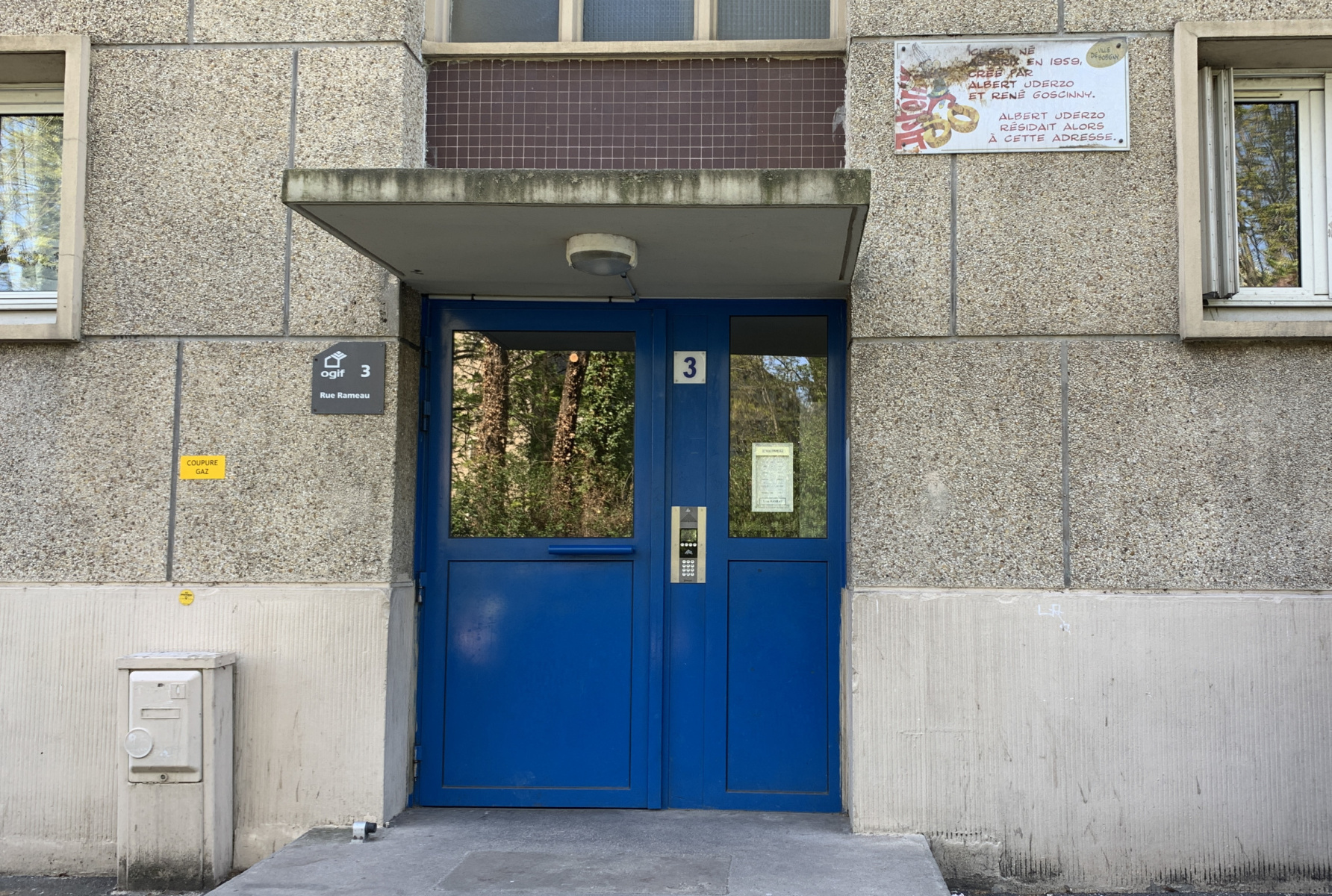
The two authors are seeking a character capable of embodying a certain French culture for the new magazine. Among the early leads is the Roman de Renart, but another cartoonist is already tackling the subject. Goscinny and Uderzo then walk nearly methodically through the history of France. Prehistory is raised and then abandoned. At last come the Gauls, with schoolyard memories of druids, mistletoe, and warriors who fear the sky will fall on their heads.
The idea instantly struck a chord! Uderzo likes to draw powerful, bulky characters; Goscinny instead imagines a hero who turns traditional codes on their head. Astérix will be small, clever, and resourceful, leaning more on wit than on brawn, the opposite of the classic muscular hero. Uderzo nevertheless secures his giant: Obélix, a tall, solid Gaul who still plays a secondary role in the first adventure.
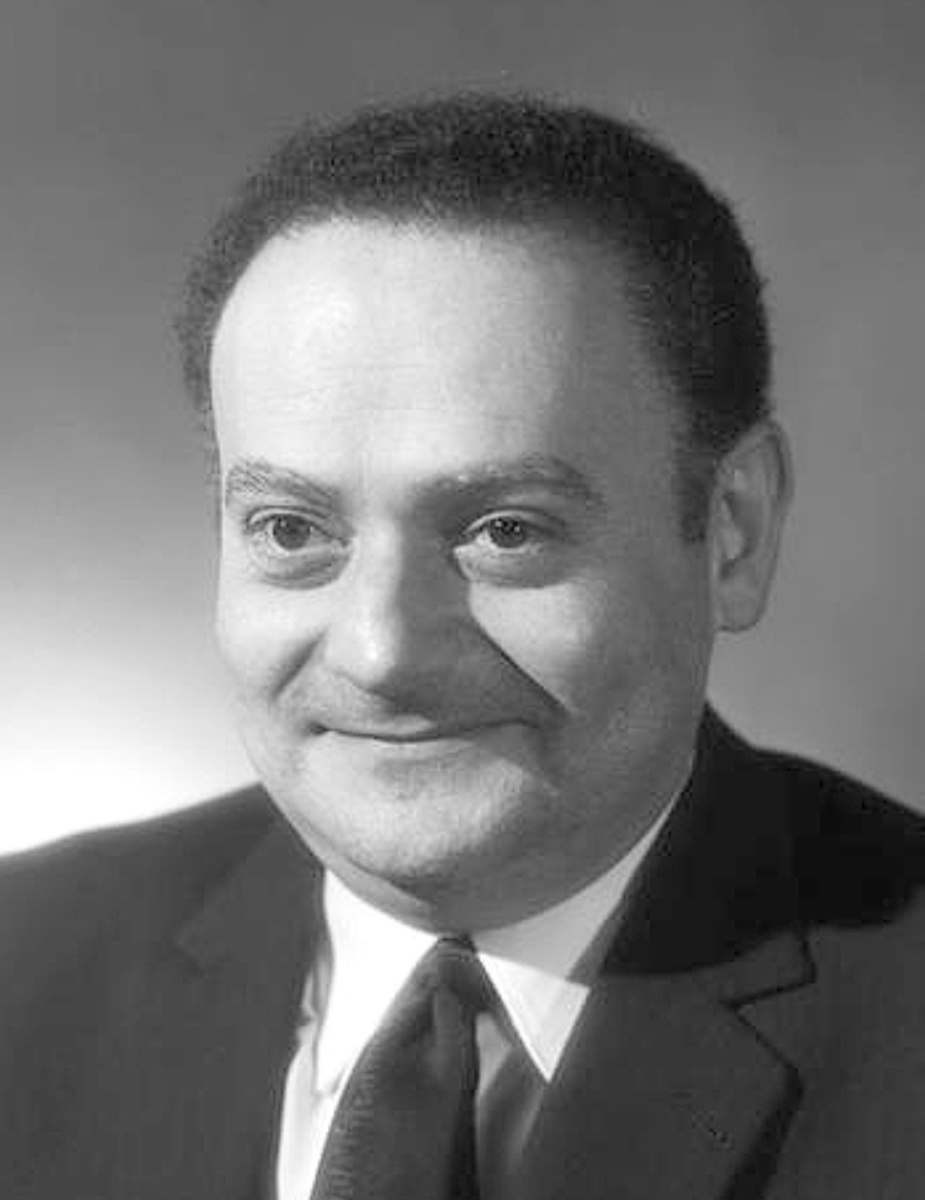
Around them, a whole universe is quickly taking shape: the druid Panoramix, his magic potion, the chieftain Abraracourcix, the bard Assurancetourix, Jules César and the Roman camps surrounding this improbable village that refuses to accept defeat at Alésia. Goscinny twists school memories and clichés about "our ancestors the Gauls", while Uderzo gives them instantly recognizable silhouettes. Wordplay, anachronisms and caricatures gradually become the grammar of the series.
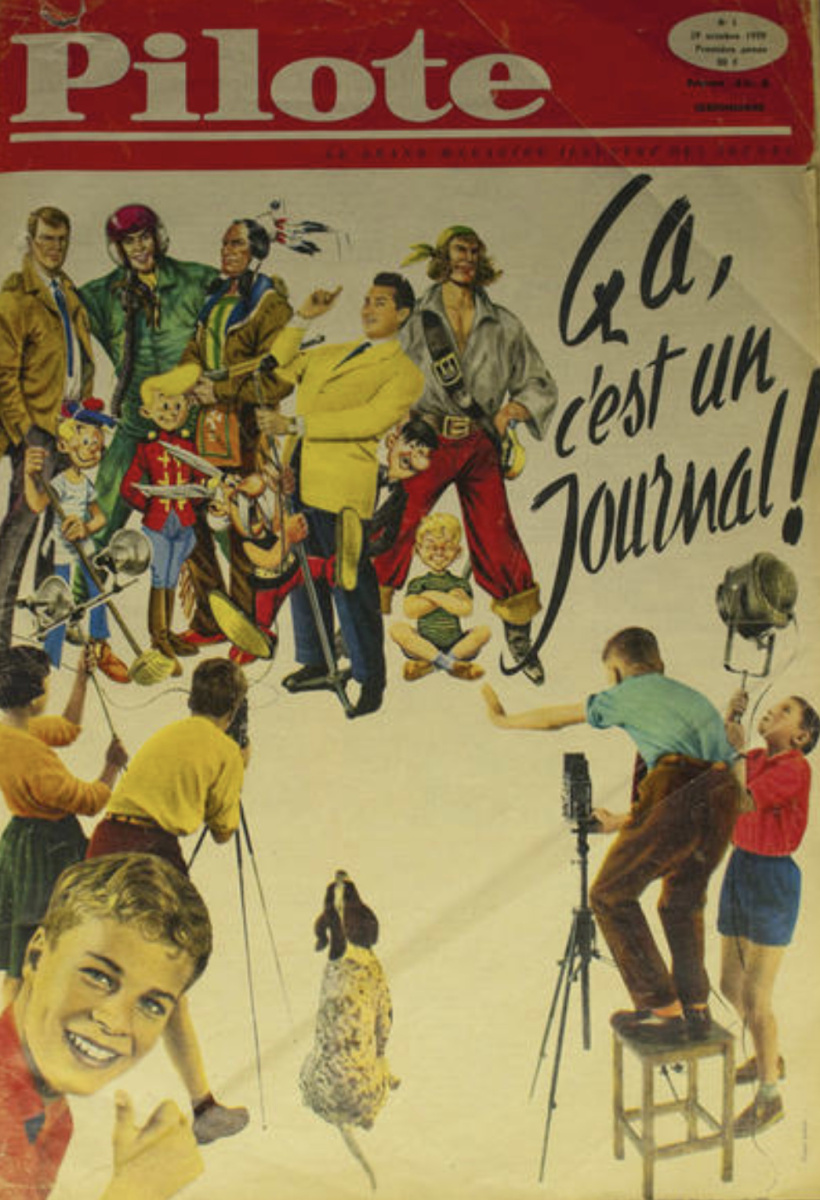
When the first issue of Pilote lands on the stands on Thursday, October 29, Astérix only fills a portion of it. The magazine aims to blend comics, reportage, games and current affairs to refresh a youth press that remains highly codified. Surrounding Goscinny and Uderzo are, notably, Jean-Michel Charlier, Jean Hébrard and François Clauteaux. The launch is spectacular: according to the official Astérix site, the 300,000 copies printed are snapped up on the first day!
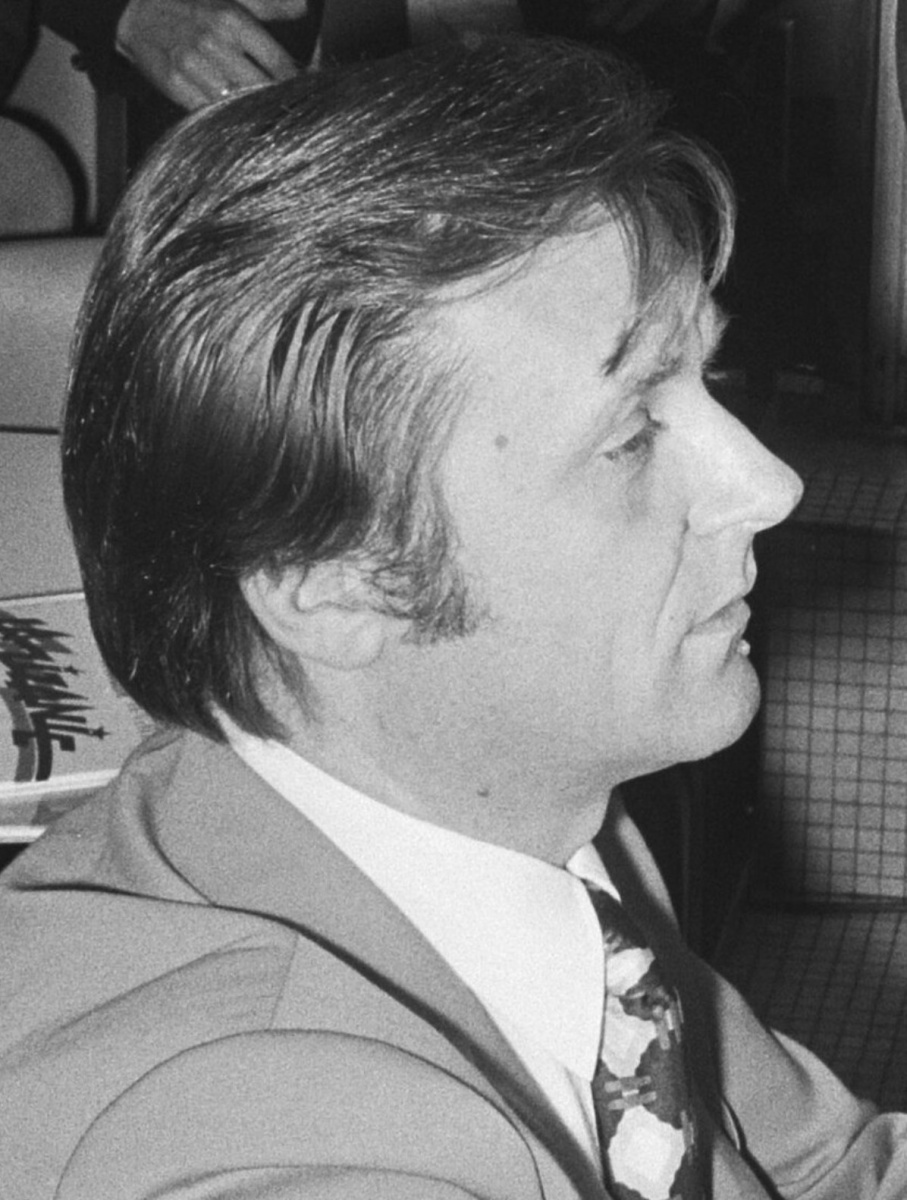
The first page of Asterix the Gaul kicks off an adventure that would run through the issues up to 1960. The original drawings kept today by the Bibliothèque nationale de France reveal Uderzo’s work in pencil, India ink, and white gouache. In 2011, the artist donated to the BnF the 44 original pages from this inaugural story, alongside those from The Golden Sickle and Asterix in Belgium.
The move to the album format arrived in 1961 with Astérix le Gaulois. The phenomenon quickly took off, but some elements that are now inseparable from the series hadn’t yet appeared. Obélix is kept in the wings in the first tale and Idéfix doesn’t exist yet: the little dog would only appear a few years later, in Le Tour de Gaule d’Astérix.
Astérix's popularity is steadily reaching beyond the ranks of comic-book readers. Goscinny would later explain that the series helped make comics acceptable to an adult audience that was already reading them but hesitating to admit it. Translations, animated series, films and other merchandise would follow, while the little Gaul village would become a cultural touchstone well beyond France.
October 29, 1959 remains the date of Astérix's public birth. Behind the cover of Pilote and the armorican village hides a much more French origin: a few weeks earlier, two authors, seated around a table in a Bobigny housing project, were playfully conjuring up from school memories a little Gaulish warrior who had yet to be destined to conquer the world!
Further reading:
What to do in Seine-Saint-Denis (93)? Heritage, good addresses and activities, ideas for outings
Want to discover the Paris region? We'll take you on a tour of the Seine-Saint-Denis region's heritage and must-sees. We've got the best places to go, the hottest events and the most fun things to do in the 93 region just waiting for you! Follow our guide! [Read more]
From the must-see Basilica of Saint-Denis, where the Queens and Kings of France are laid to rest, to the Air and Space Museum, via the bucolic Parc de la Poudrerie, the Seine-Saint-Denis département is a treasure trove of little nuggets to discover with the whole family and the kids: why not take a trip? [Read more]
Parc Astérix reveals for summer 2026 an unprecedented nighttime show blending drones, water jets, projections and fireworks, to be unveiled from July 11, a completely redesigned Egypt zone, and water-based attractions designed to withstand the heat, running until August 30, 2026. [Read more]
This page may contain AI-assisted elements, more information here.
Dates and Opening Time
On October 29, 2026
Location
Bobigny Town Hall
31 Avenue du Président Salvador Allende
93000 Bobigny
Route planner
Accessibility info
Official website
www.parcasterix.fr





























 What to do in Seine-Saint-Denis (93)? Heritage, good addresses and activities, ideas for outings


 What to do with children in Seine-Saint-Denis? Our favorite family outings in the 93


 Parc Astérix Summer 2026: new drone-and-fire show, Egypt-themed zone and water attractions