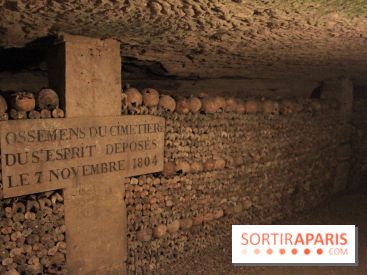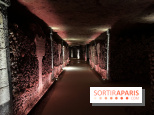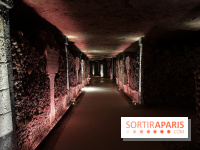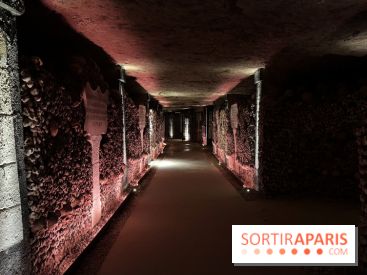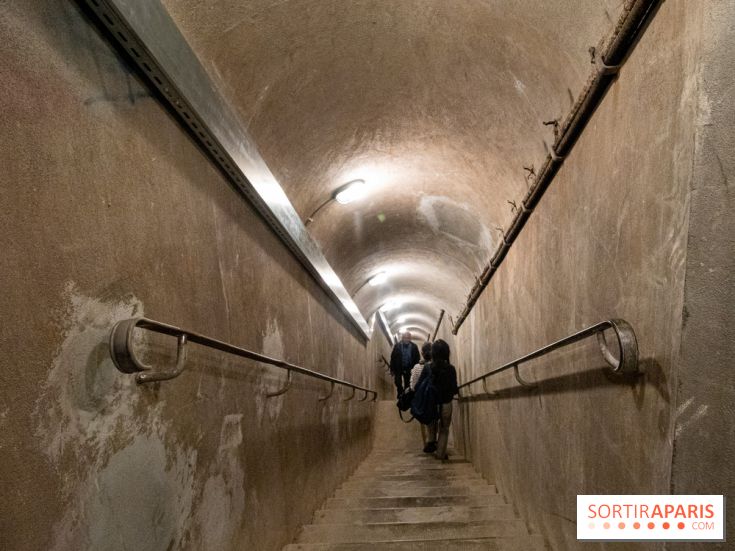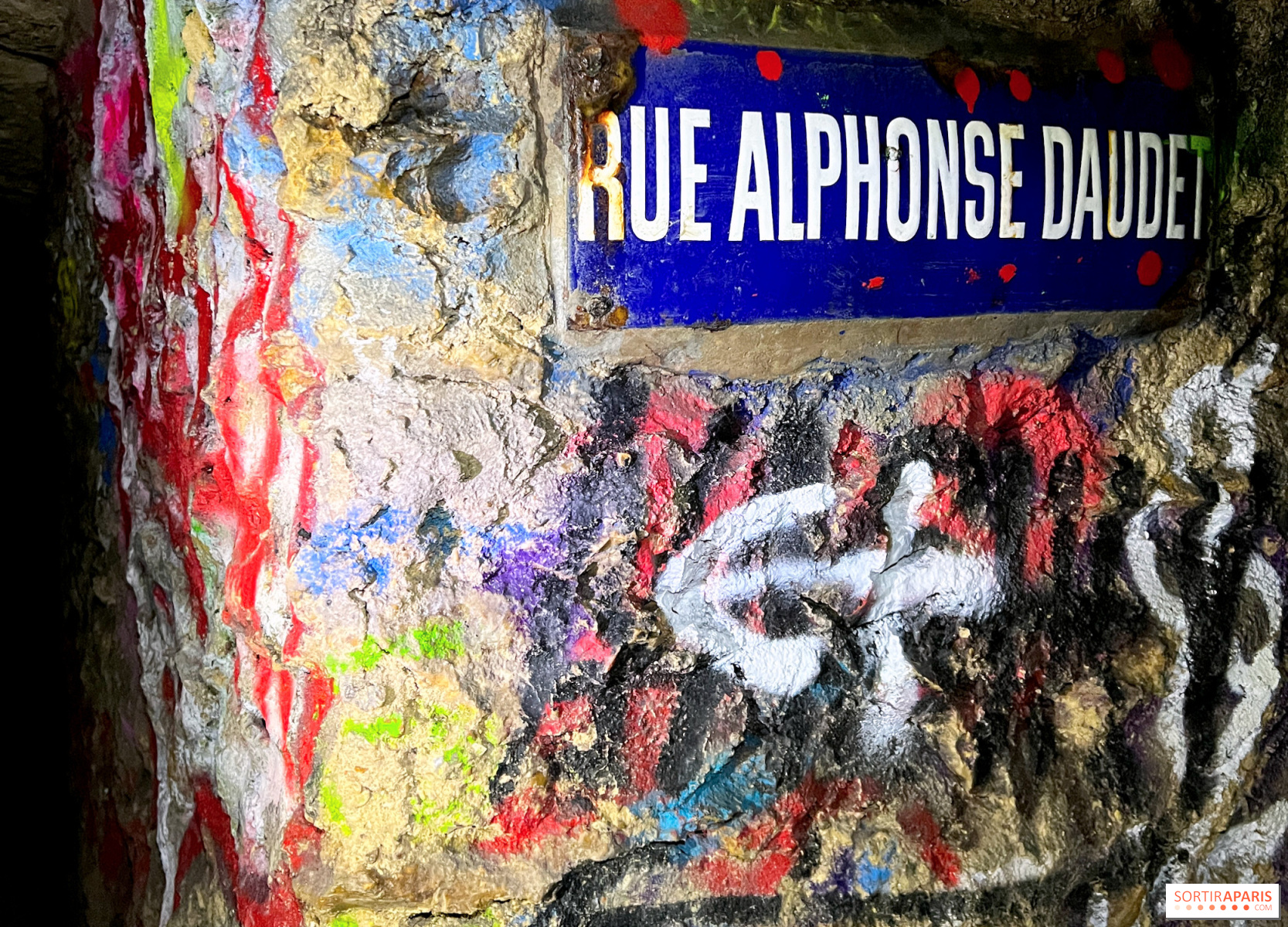
When the Parisian underground is mentioned, the Catacombs come to mind immediately. Yet they represent only a tiny slice of a vast network of galleries carved over centuries to extract the limestone that helped build much of the capital.
This underground heritage, invisible from the surface, remains under permanent surveillance today. Since 1777, the General Inspection of Quarries (IGC) has been responsible for mapping, inspecting, and consolidating these old quarries to safeguard the safety of residents and the buildings constructed above.
A little-known yet essential mission behind the functioning of Paris. Here's what it's all about!
In the 18th century, Paris was expanding rapidly. Since the Gallo-Roman era, generations of workers have been digging beneath the city to extract the Lutetian limestone used to construct churches, private mansions, and buildings. These underground extraction sites eventually formed a true labyrinth.
Over time, some quarries are abandoned before they are properly stabilized. The consequences soon follow: streets collapse abruptly, swallowing road surfaces, houses, and pedestrians. The most famous incident occurs on December 17, 1774, when a section of Rue d’Enfer (now Denfert-Rochereau Avenue) caves in for several hundred meters!
Facing these risks, King Louis XVI established, on April 4, 1777, the Inspection générale des carrières, entrusted to architect and engineer Charles-Axel Guillaumot. Guillaumot then undertook a monumental task: exploring the galleries, drawing up extremely precise maps, numbering the quarries, and launching significant consolidation works. A large portion of the inscriptions visible today in the former Parisian quarries actually dates from this period.

More than two centuries after its founding, the General Inspectorate of Quarries continues the same mission. Its teams bring together engineers, geologists, surveyors, technicians and inspectors who specialize in underground risk. Their job is to regularly descend into the old quarries to check the condition of the pillars, vaults and consolidations carried out over the centuries. They look for the slightest crack, water ingress, ground movement or early warning signs of a collapse.
The Inspectorate is also responsible for keeping the map of former quarries up to date. These plans, continually updated, are essential for architects, developers, local authorities, and companies looking to build or renovate a structure in the relevant areas.
Contrary to popular belief, the IGC doesn’t just monitor the famous Catacombs. Its remit spans nearly 300 kilometers of galleries beneath Paris, and by convention also includes networks in several municipalities in the inner suburbs as well as certain facilities belonging notably to the RATP, the SNCF or the Ministry of the Armed Forces.
Although the quarries have not been worked for a long time, they still shape everyday life for Parisians. Nearly one in five Parisian buildings is built above former limestone or gypsum quarries. Before any major real estate project, plans are reviewed to determine whether consolidation work or special foundations are needed.
The opinions issued by the General Inspectorate of Quarries are taken into account in many urban-planning permits. The teams also monitor the effects of heavy rainfall, rising groundwater, or drought episodes, which can threaten certain areas. While spectacular collapses have become exceedingly rare thanks to consolidations undertaken for over two centuries, the risk has never disappeared entirely.

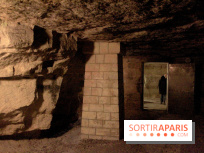
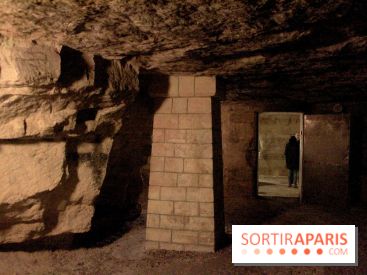
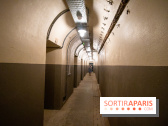
As they carry out their inspections, the IGC agents traverse a genuine slice of Parisian history. The galleries still preserve traces of the old workings, the marks left by the quarrymen, the surveying plaques installed in the 18th century, or the stone consolidations carried out under the direction of Guillaumot and his successors.
Some sections connect to the Catacombs, while others remain largely unknown to the public. They form a unique scientific, historical and technical heritage in Europe, which continues to be the subject of research and surveying campaigns.
The General Inspectorate of Quarries is not open to the public. Its administrative offices are not open to visitors, and the galleries it oversees remain off-limits, except by special authorization. This ban serves both to protect visitors and to preserve sometimes fragile works.
To discover a portion of this underground world, head to the Catacombs of Paris, housed in an old quarry and open to visitors, or take part in some exceptional operations organized by the City of Paris. The General Inspection of Quarries occasionally engages in mediation efforts and regularly publishes maps, archives, and materials that help readers better understand its work.
While its agents operate out of sight, their mission remains indispensable: without them, the hundreds of kilometres of tunnels that wind beneath the capital would pose a far greater risk to buildings, streets… and the millions of people who live above!
The forbidden catacombs: what is really hidden in Paris's largest underground labyrinth?
Forbidden catacombs fascinate as much as they worry. Between urban legends, clandestine explorations, and a genuine ossuary open to the public, it's sometimes hard to separate fact from fiction. So, which catacombs can one actually visit in Paris? And what does the vast underground network off-limits to the public conceal? [Read more]
Dates and Opening Time
Next days
Tuesday:
from 09:45 a.m. to 08:30 p.m.
Wednesday:
from 09:45 a.m. to 08:30 p.m.
Thursday:
from 09:45 a.m. to 08:30 p.m.
Friday:
from 09:45 a.m. to 08:30 p.m.
Saturday:
from 09:45 a.m. to 08:30 p.m.
Sunday:
from 09:45 a.m. to 08:30 p.m.
Location
Catacombs
1, place Denfert-Rochereau
75014 Paris 14
Route planner
Official website
www.catacombes.paris.fr




 The forbidden catacombs: what is really hidden in Paris's largest underground labyrinth?