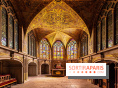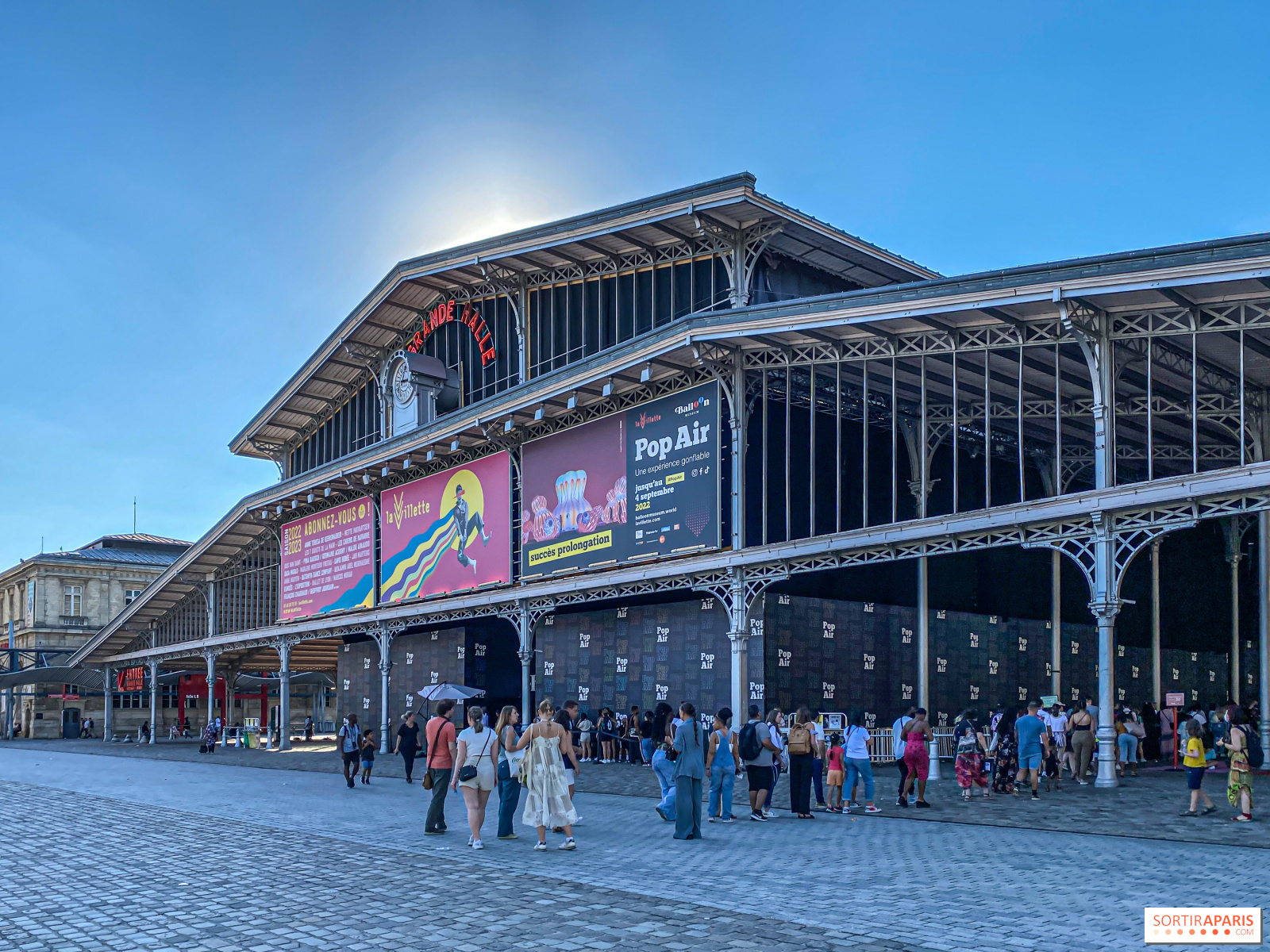
Before it became the epicenter of contemporary art exhibitions and festivals, the Grande Halle de la Villette had a... much more bleeding atmosphere. Built between 1865 and 1867 under Napoleon III, the former abattoirs of La Villette were the largest butchery complex in the world: 39 hectares dedicated to cattle, sheep, pigs and other poultry, transported by train, barge... Up to 4 million animals were slaughtered here every year!
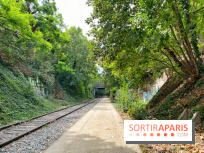
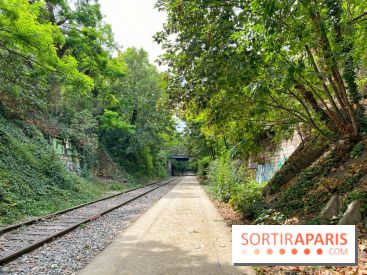
Composed of metal framework structures, the Grande Halle, or"ox hall", was designed by architect Jules de Mérindol, a pupil of Victor Baltard, and was the largest permanent metal building in Paris at the time. Nearby , the Pavillon de la Bourse, now the Théâtre Paris-Villette, and the Nubian Lions fountain, then used as a drinking trough, were also part of the complex. They were supplied by two stations located on a branch of the Petite Ceinture line: the Paris-Bestiaux station and the Paris-Abattoirs station.
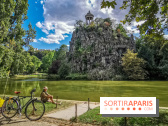
The area was even nicknamed "the City of Blood" by the chroniclers of the time. It wasn't until 1974 that the butchery came to a definitive halt: the abattoir closed its doors, and the French government launched a major redevelopment operation. The result: a cultural park, cinemas, concert halls and even the Géode, to make people forget the site's bloodthirsty past, in the image of the Buttes Chaumont park, which was once a far cry from today's bucolic setting.
Location
La Grande Halle de La Villette
211 Avenue Jean Jaurès
75019 Paris 19
Route planner
Accessibility info
Access
Metro line 5 "Porte de Pantin" station