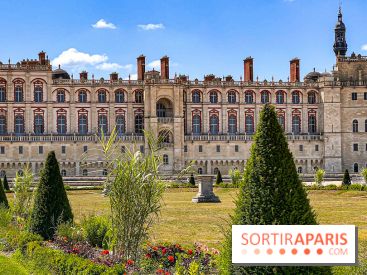
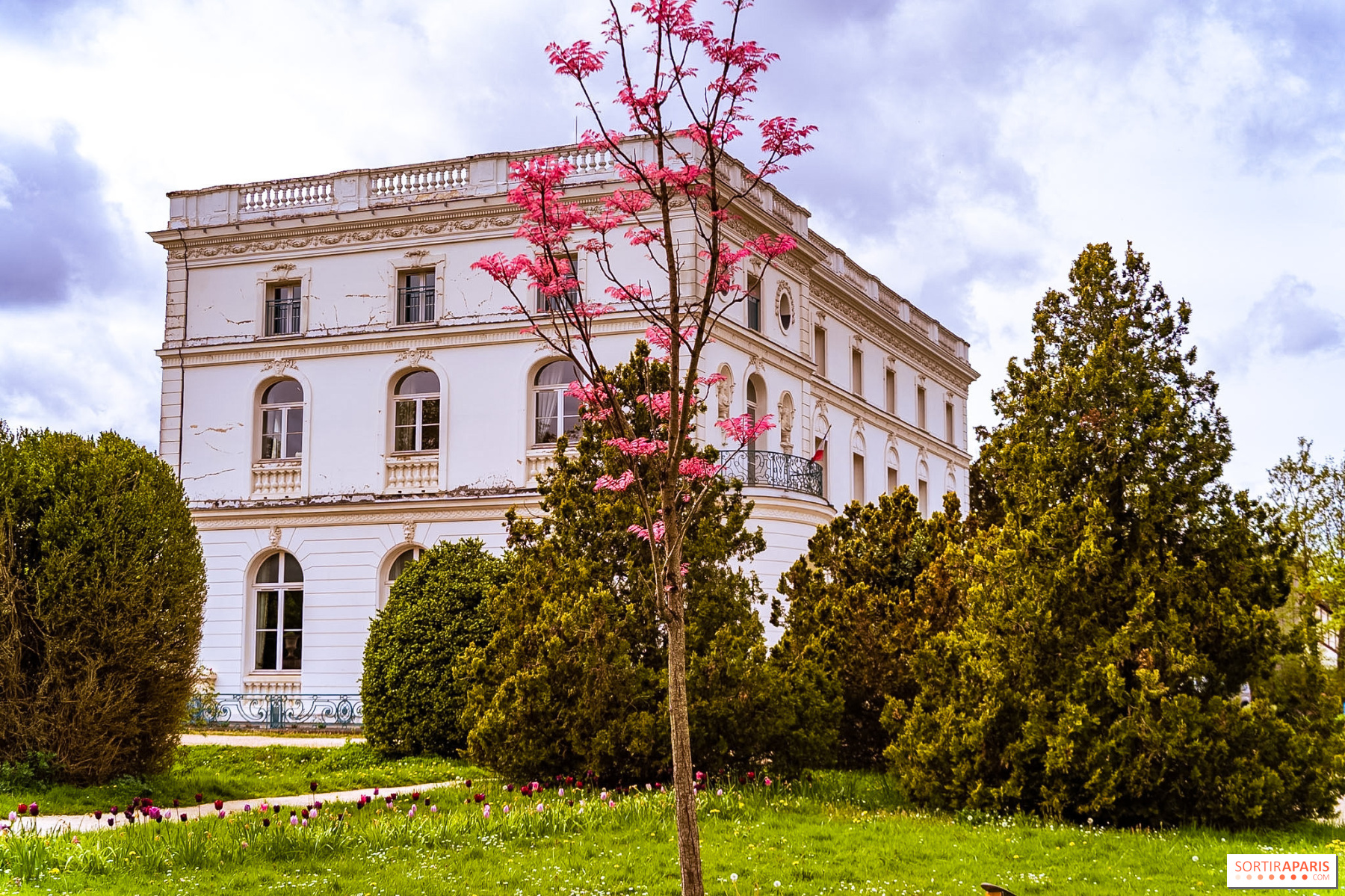
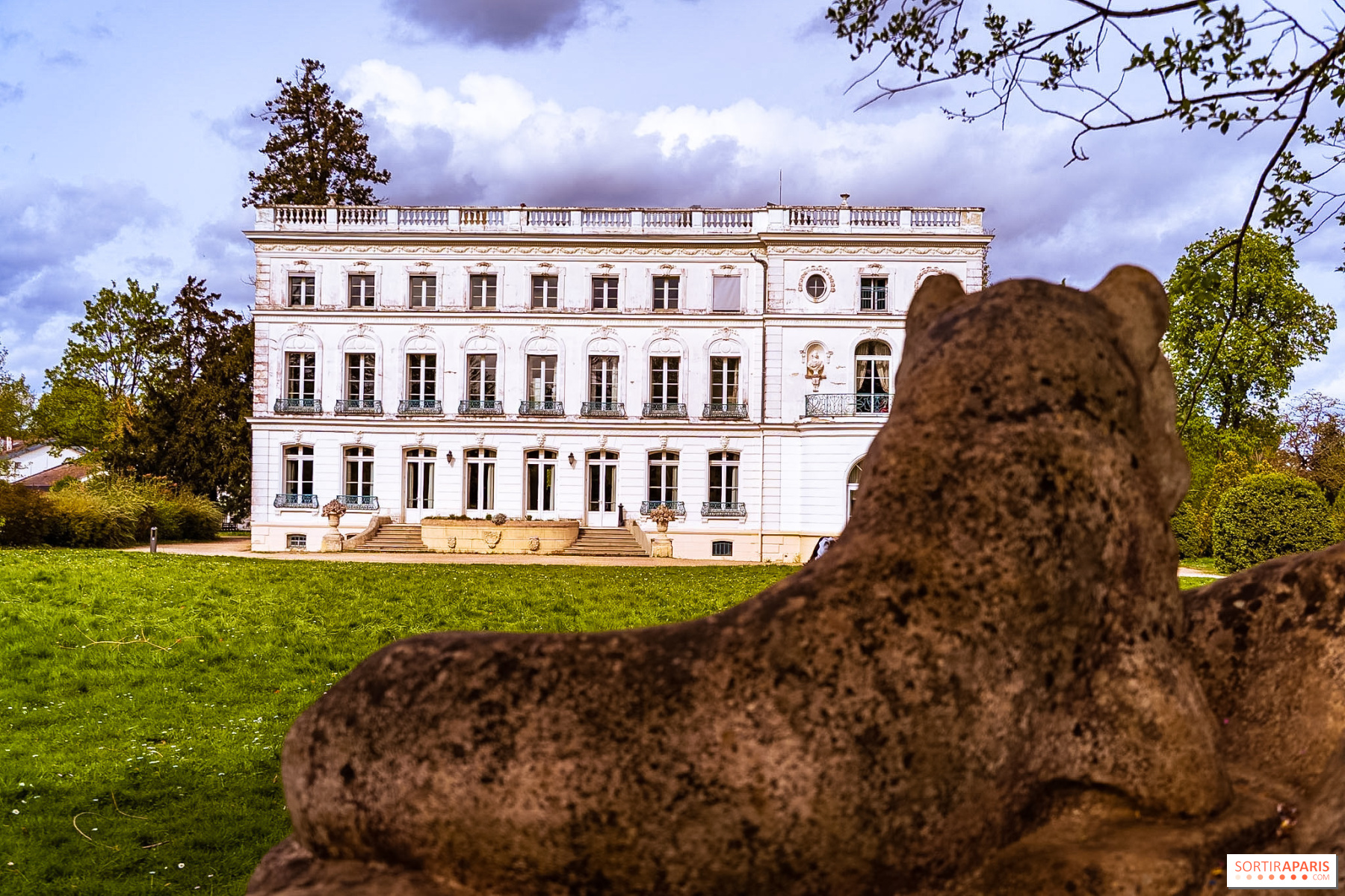
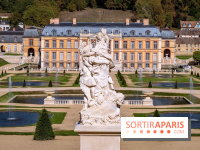
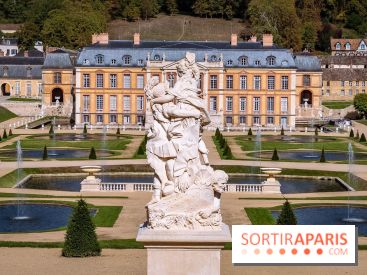
You don't necessarily expect much when you pass through the gates of the château du Haut-Buc, in Buc, in the Yvelines. A municipal park, a few lawns, a 19th-century façade as neat as a postcard. And then you move on, you read a plaque, you lift your eyes to a sculpture, you snag a shred of history along the way and you realise that this public, free-to-enter site, just minutes from Versailles, piles on layers like a mille-feuille. A king’s hidden child, a sky-longing astronomer, a comic-book hero and arbres remarquables: there’s clearly more to see here than meets the eye.
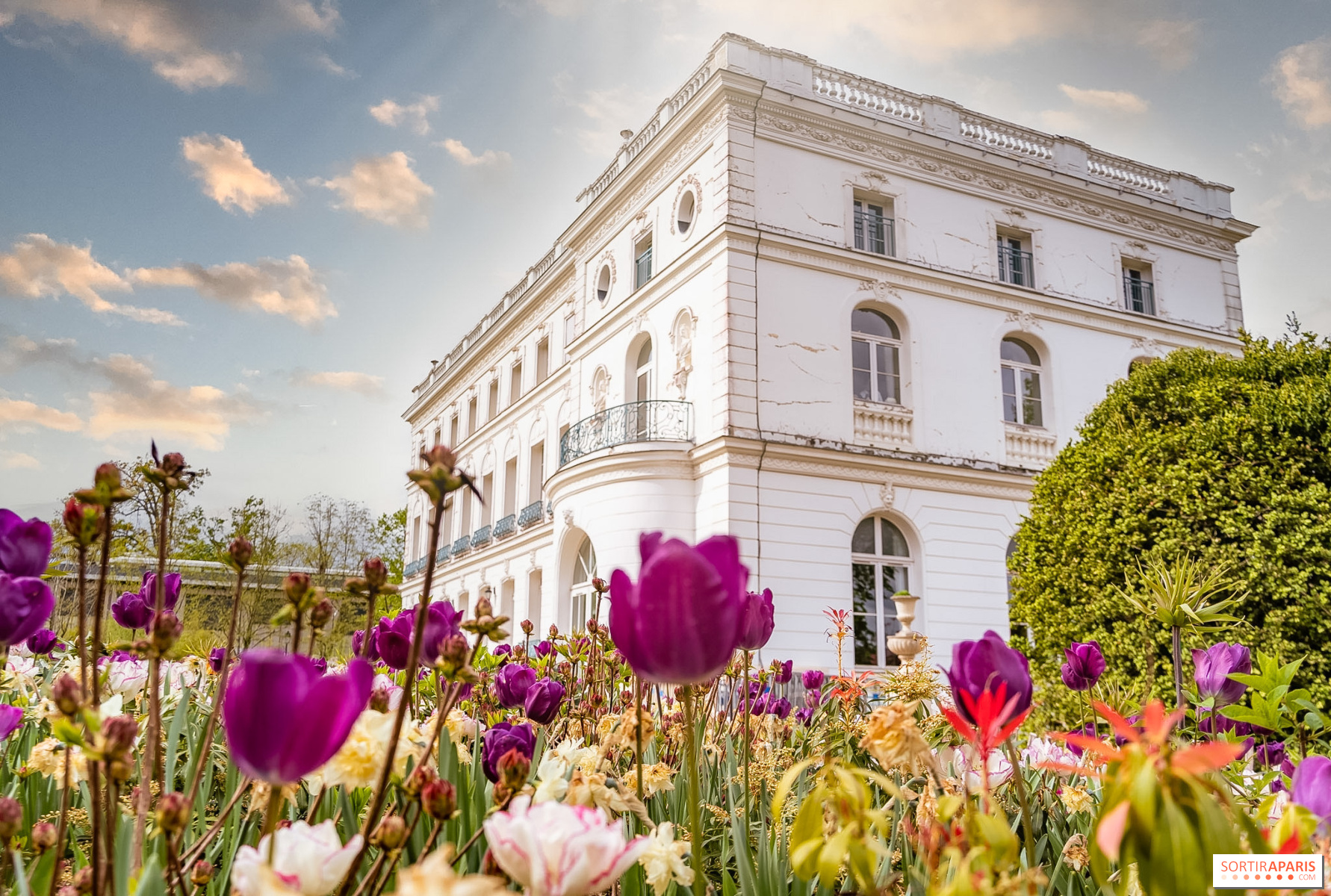
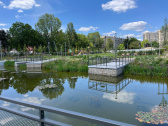
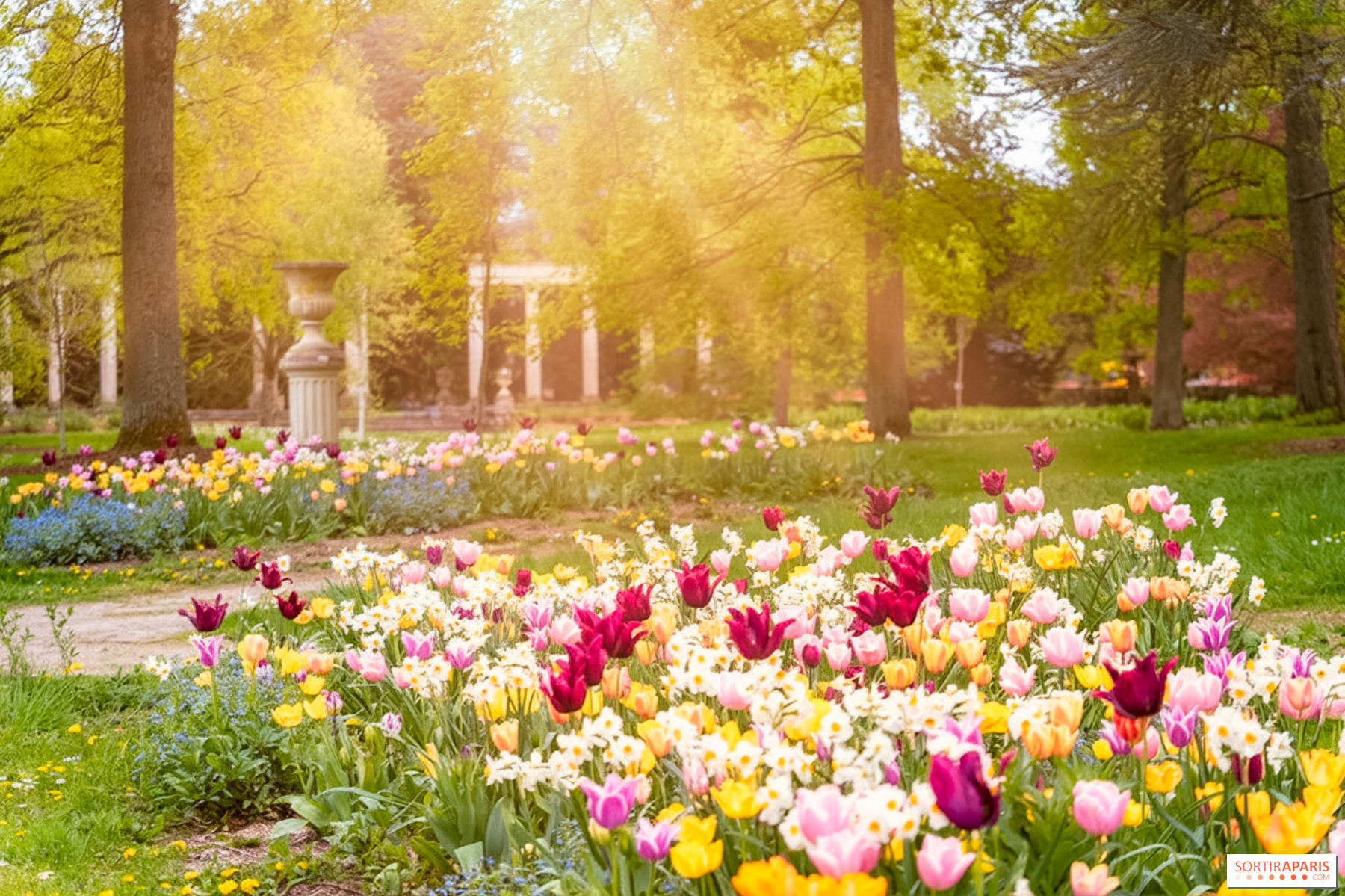
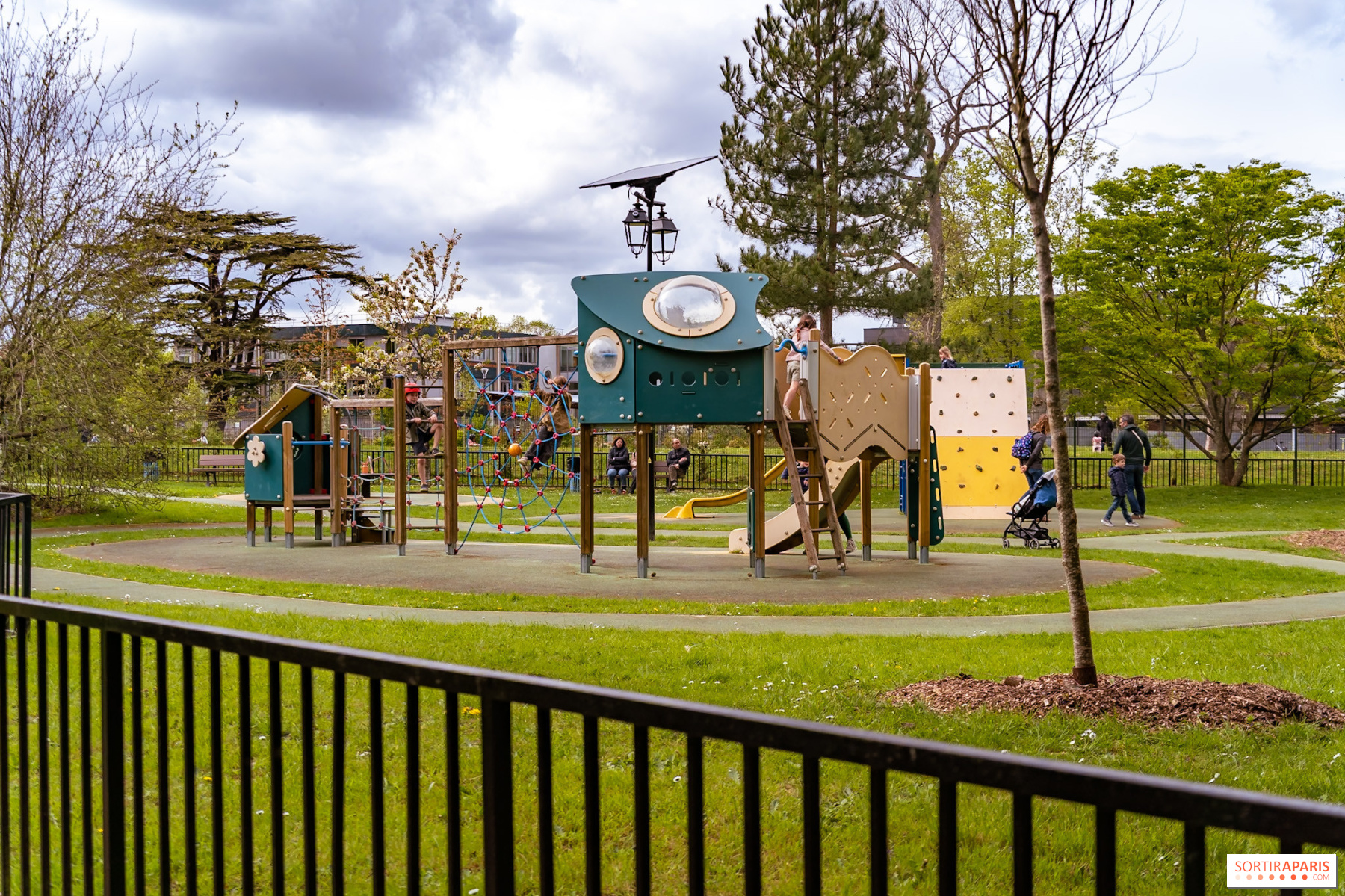
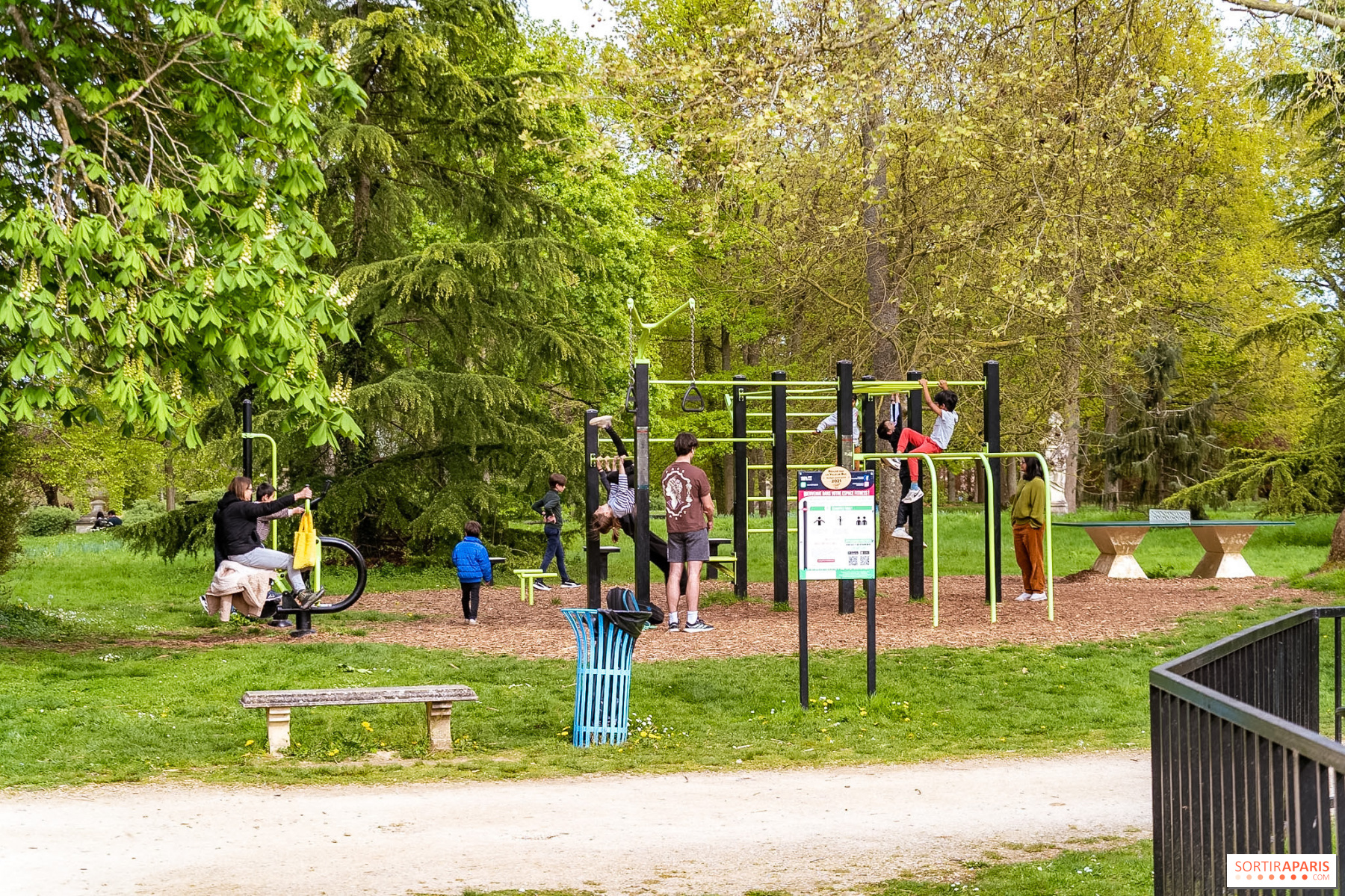
Before delving into history and royal secrets, it’s worth noting that the parc du château de Buc is, above all, a vibrant, well-equipped public space. Sports fields and a street-workout area welcome fitness enthusiasts, while kids have their own zone with the "Les Elfes" playground. Eco-friendly dry toilets are also on site. This isn’t the park locked behind a fence to be admired from afar: here you picnic, run, play, and stroll. And to top it off, the setting is genuinely beautiful.
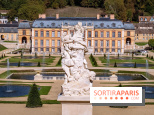
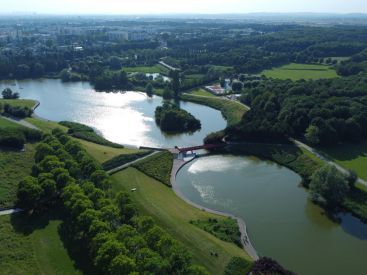
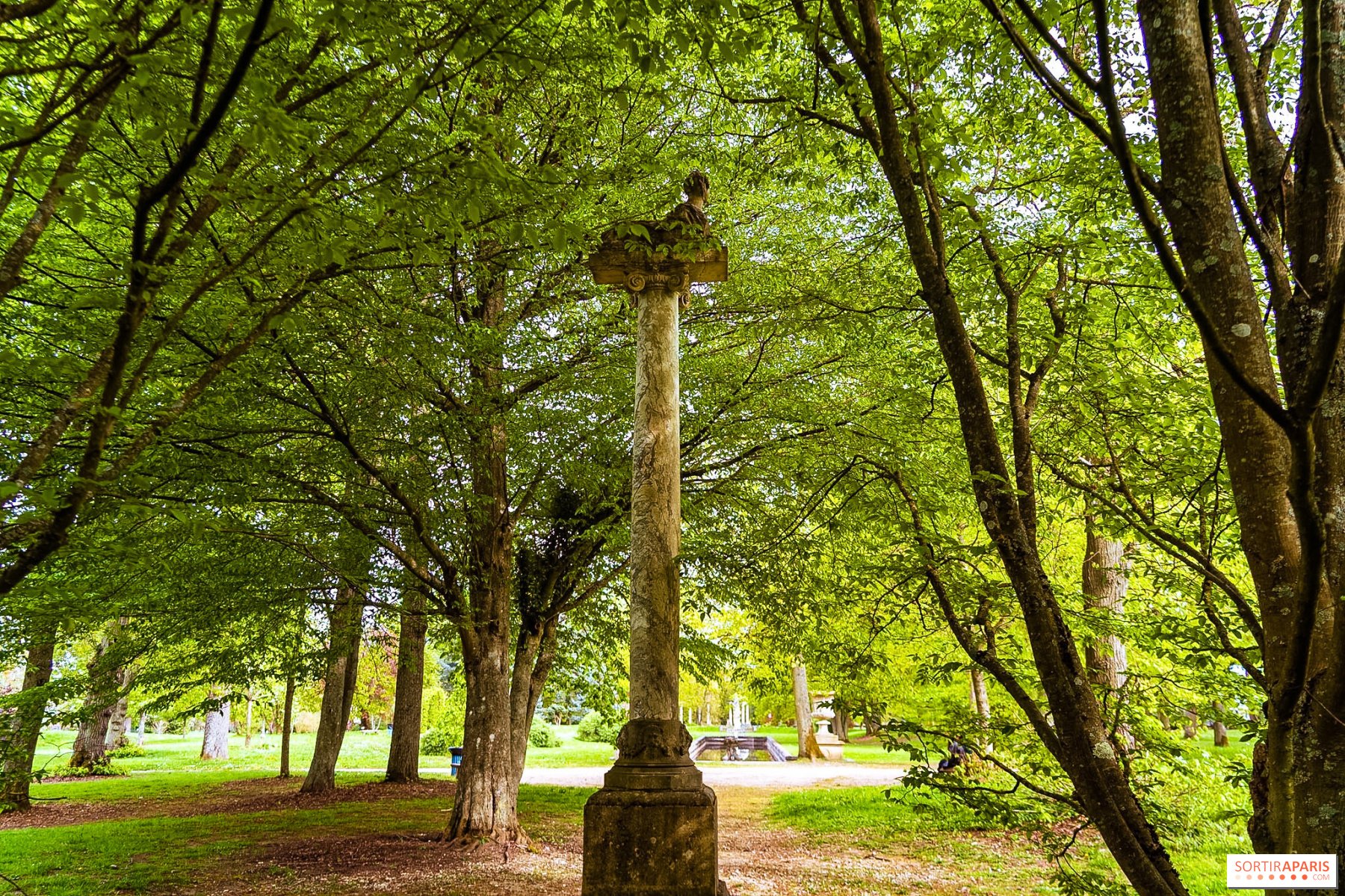
The park houses remarkable monuments such as the sphinx column, several basins, le temple de l'Amour and, of course, the castle itself. This Temple of Love is well worth a stop: it is an almost exact copy of the one at the Petit Trianon of Versailles, tucked into an alignment of Ionic columns at the foot of a basin.

The gardens also house a five-piece sculptural ensemble, including an allegory of Air, one of Spring, a Sphinx, a pair of leopards, and Hebe with Jupiter’s eagle, all drawn from works by Étienne Le Hongre and Pierre Ier Legros. An outdoor stroll that quickly turns into an improvised tour of art history, with no admission fee and no lines.


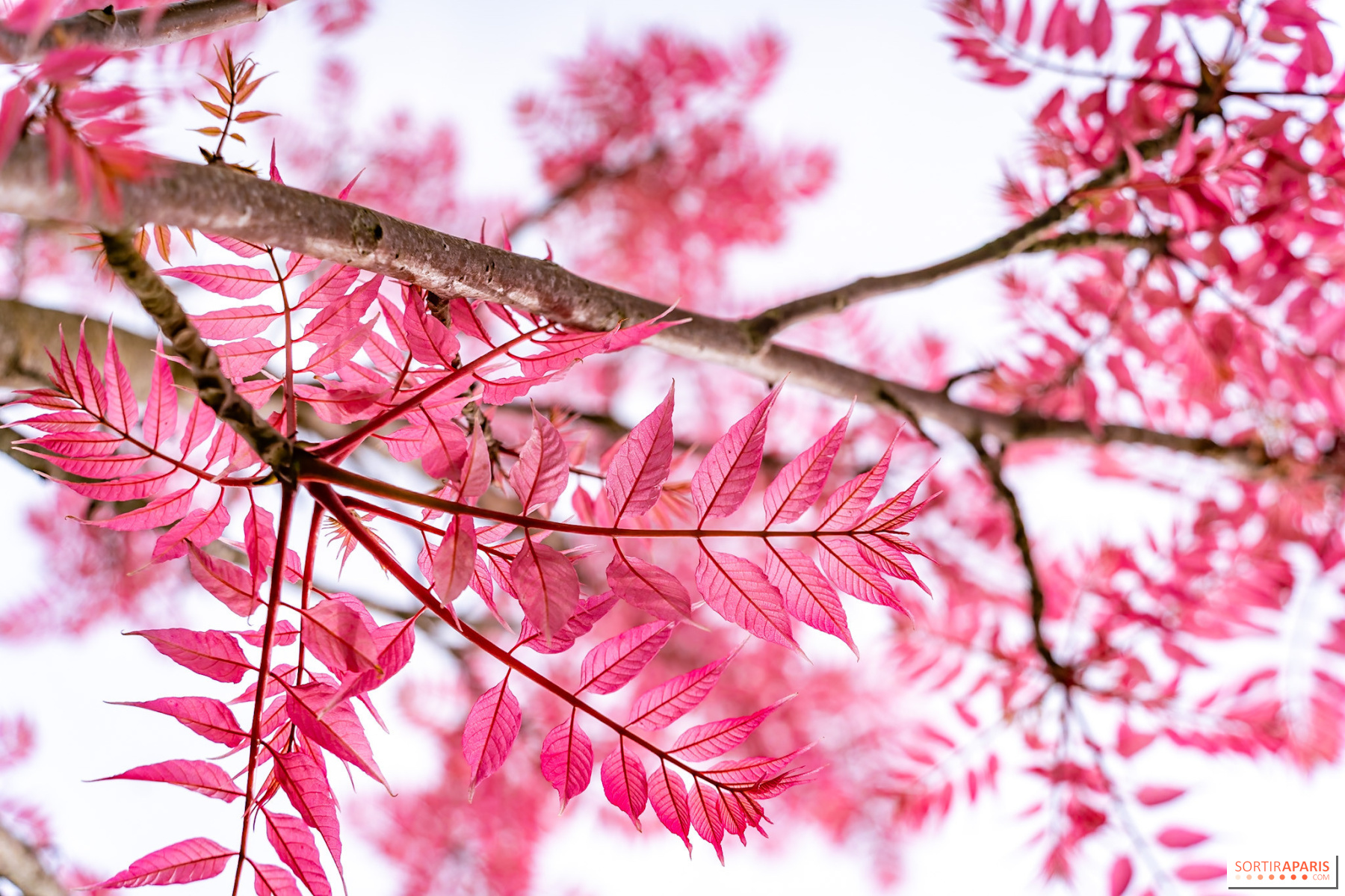
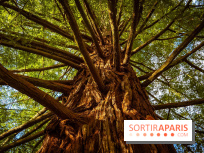
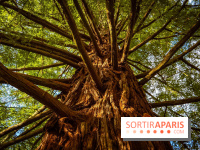
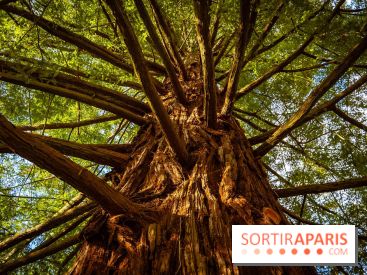
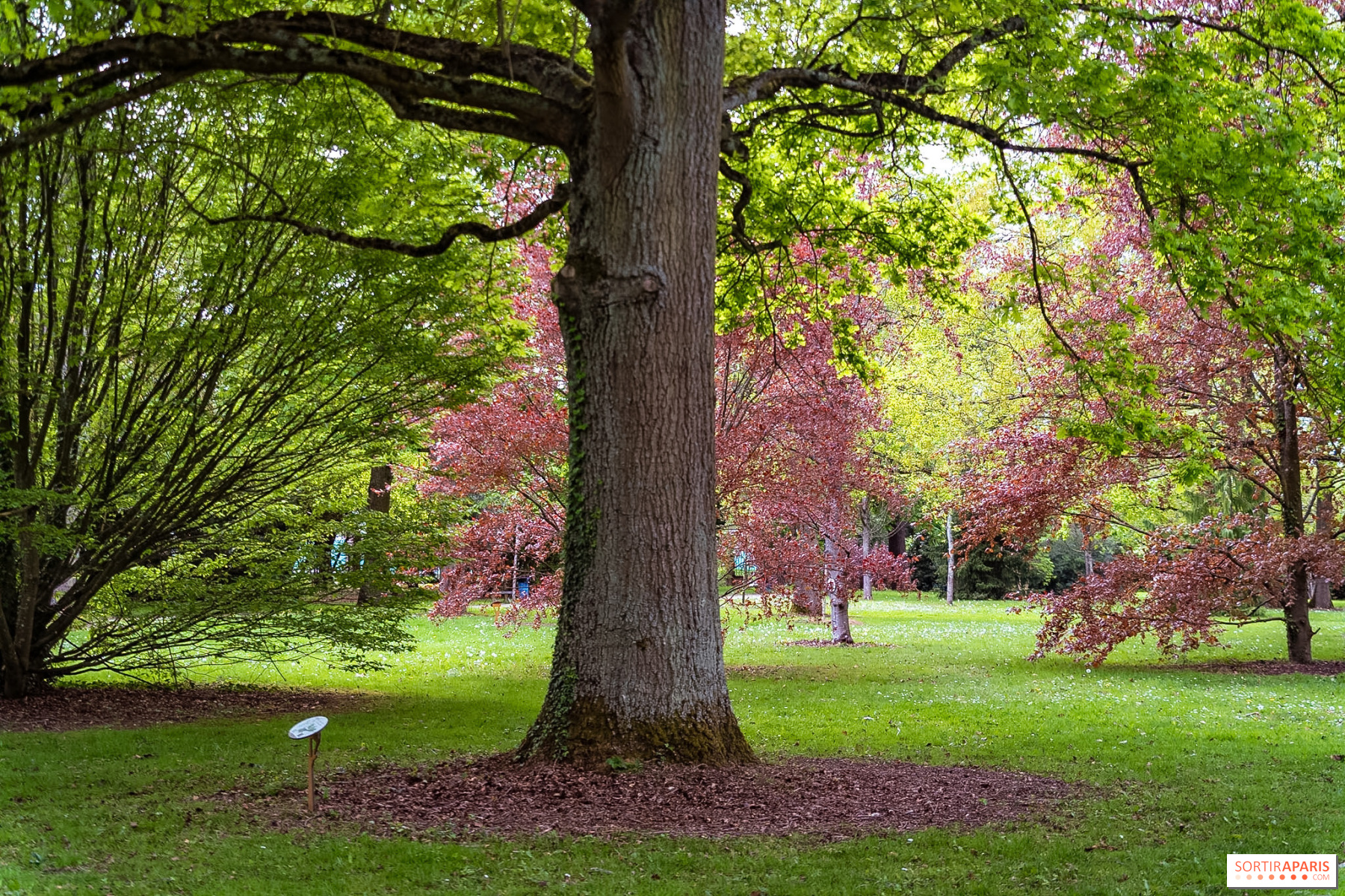
The park has recently expanded its botanical dimension. The arboretum offers a peaceful stroll through a wide array of remarkable trees, perfect for botany enthusiasts. And the numbers are impressive: the park is home to 529 trees across 126 different taxa, all of which have just undergone a health assessment by the ONF. The study’s conclusion: overall, the biomechanical condition of this tree heritage appears very satisfactory.

Educational kiosks mark a first collection, accompanying each species and offering a chance to learn how to spot their leaves and flowers, and to understand the different roles they play in local biodiversity preservation. The tree census will continue, with even more species to discover soon. It’s not the Versailles-Chèvreloup Arboretum and its 2,000 taxa stewarded by the National Museum of Natural History, certainly. But the appeal here lies precisely in its accessibility and human scale. We wander, pause, read, observe, and walk away with a handful of tree names in mind that we hadn’t really bothered to commit to memory before.

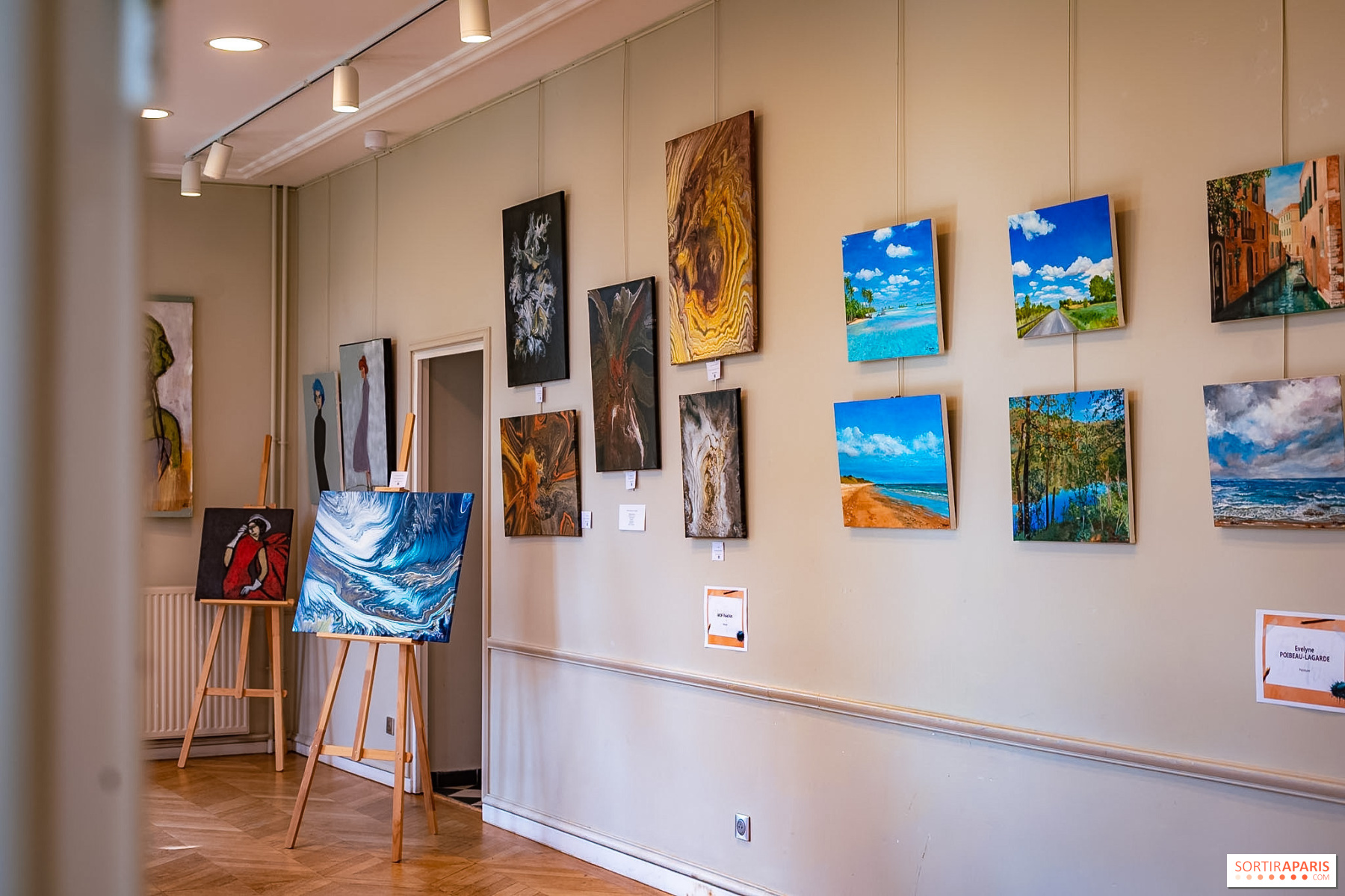
To see the château du Haut-Buc in the Yvelines as nothing more than a static backdrop would be reductive. The edifice is very much alive, and so is the town’s relationship with it. The municipality has turned it into a vibrant hub for culture and sport, with a program that blends Festival de Musique Romantique, Nuits de l'Opéra, concerts, festival de bande dessinée, and sporting events like the Foulées Olympiques de Buc. The building also houses the école municipale de musique de Buc, whose students regularly perform in the château’s halls—a poetic way to let music resonate where a royal child once grew up out of sight. Such regular, discreet but deeply rooted happenings say a lot about what this estate means to Buc’s residents: a patrimoine vivant, not merely a stone memory.
Before it became a municipal park frequented by local families, this estate served a far less innocent purpose. Tied to the royal bailiwick at the end of the 17th century and tucked into the era’s grand Versailles park, the Château du Haut-Buc was used by Louis XIV to discreetly shelter his illegitimate son, Louis Alexandre de Bourbon, Count of Toulouse, whom he had with Madame de Montespan, in order to keep him out of sight of the court before his legitimization in 1681.

The young count grew up here, sheltered from court intrigues, while his father ruled over Versailles a few kilometers away. A rather peculiar arrangement. After the count’s death, Louis XV had the château demolished, eager to erase the memory of his ancestor’s illicit loves. From that era only a few statues and the keeper’s house at the park entrance survive. This small, unassuming pavilion that you pass by without lingering is nevertheless one of the last visible traces of the 17th century on the site. A modest relic for a history that is anything but.

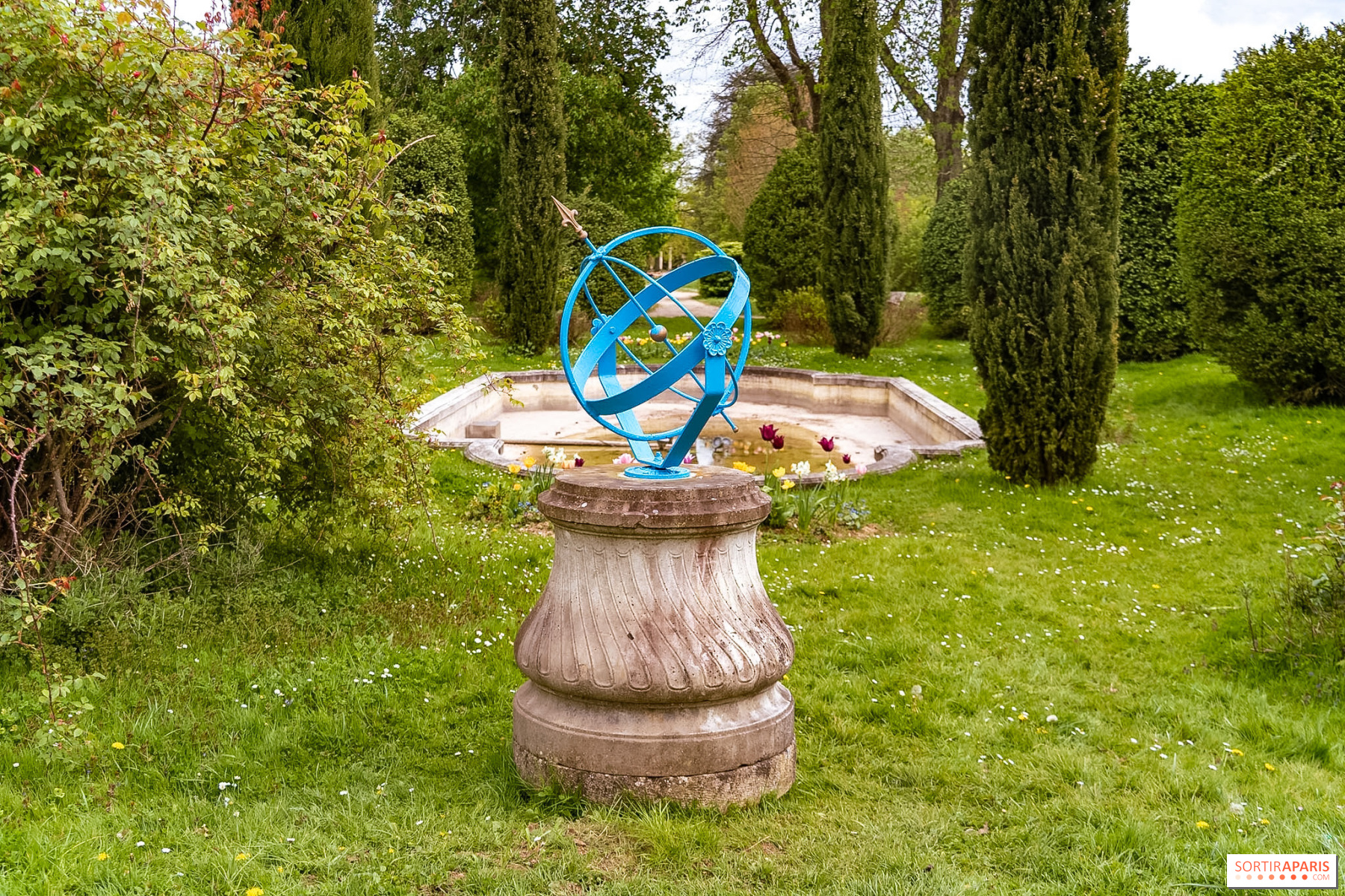
Undoubtedly the most surprising chapter in this whole story. In 1918, Gentilli di Giuseppe, a passionate amateur astronomer, bought the château and, in 1922, installed a giant 60 cm telescope in the garden. One can easily imagine the scene: a massive instrument rising among the lawns, just steps from Versailles, where courtiers once promenaded. Federico Gentili di Giuseppe was a nobleman and a wealthy amateur astronomer. When World War II broke out, his family of Jewish origin had to leave the capital. His son Marcel sought refuge at the Pic du Midi Observatory from 1942. A year after the war ended, he donated the telescope and its dome to the Observatory, in gratitude for the years of exile spent at the Pic du Midi. The instrument that had stared at the sky from the Buc gardens thus ended its days atop the Pyrenees. A life path as romantic as the place itself, and one that few visitors suspect as they stroll calmly beneath the trees.
Blake and Mortimer fans have another great reason to detour. The Château du Haut-Buc, rendered with altered architecture and under the fictional name Château de Troussalet, appears in Edgar P. Jacobs’s album S.O.S. Météores (1959). In this story, the estate serves as a hideout for Olrik’s gang as part of a meteorological plot spanning Europe. Jacobs had spotted the property while studying precise maps, noting that the street layout and the manor’s entrance matched perfectly the chase he envisioned for his tale. The result is an album of remarkable documentary precision, where the streets of Buc and the castle’s surroundings are drawn with such meticulous detail that today they delight fans hunting for real-life locations. The town even paid tribute with an exhibition and guided walks to the action sites, organized in partnership with the Jacobs Foundation. As you pass the gate, you’ll find yourself mentally matching it to the panel in the album.
The Haut-Buc Castle Park invites those who enjoy outings with a story to tell—curious families with kids, fans of local history, BD enthusiasts, and budding botanists. It’s free, open year-round, and each season brings a different light. The estate sits at 20 rue Louis Massotte in Buc (78530), just a short drive or public transit ride from Versailles. The park is open daily from 8:00 to 22:00 from May 1 to September 30, and from 8:00 to 20:00 from October 1 to April 30. All cultural programming can be found on the town of Buc website.
To extend the day in the area, the Versailles-Chèvreloup Arboretum offers a far wider botanical immersion, with its marked trails and collections stewarded by the Muséum national d'Histoire naturelle. In a more heritage-focused vein, the domaine de Rambouillet and its Bergerie nationale are well worth a visit for another facet of royal Yvelines. And if you want to stay with the theme of lesser-known parks on the Paris doorstep, the arboretum de la Vallée-aux-Loups in Hauts-de-Seine also holds some charming surprises.
This page may contain AI-assisted elements, more information here.
Dates and Opening Time
Next days
Saturday:
from 12:00 a.m. to 11:59 p.m.
Sunday:
from 12:00 a.m. to 11:59 p.m.
Monday:
from 12:00 a.m. to 11:59 p.m.
Tuesday:
from 12:00 a.m. to 11:59 p.m.
Wednesday:
from 12:00 a.m. to 11:59 p.m.
Thursday:
from 12:00 a.m. to 11:59 p.m.
Friday:
from 12:00 a.m. to 11:59 p.m.
Location
Château du Haut-Buc
20 Rue Louis Massotte
78530 Buc
Route planner
Official website
www.villedebuc.fr