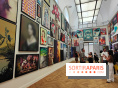
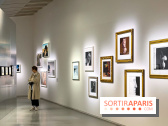
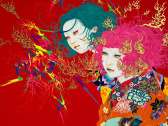
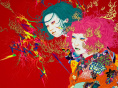
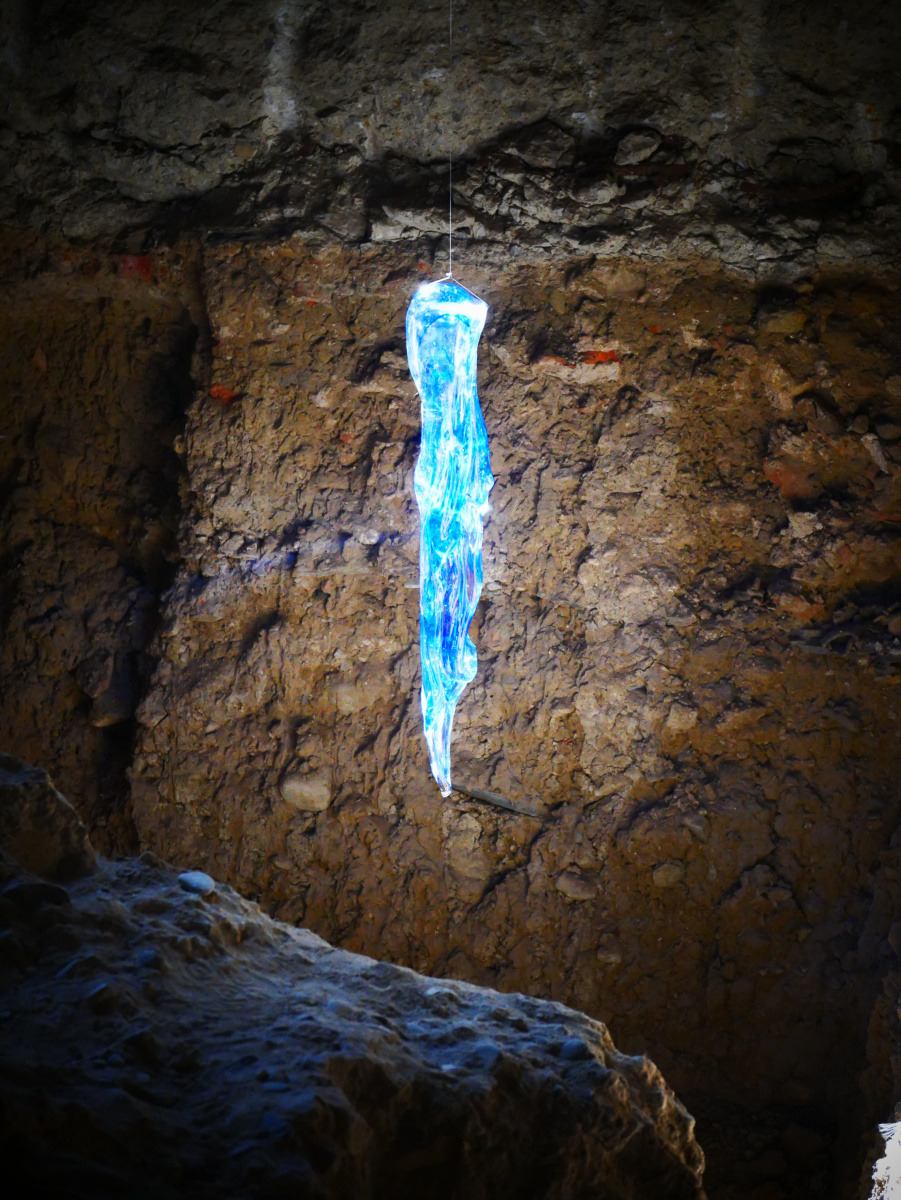
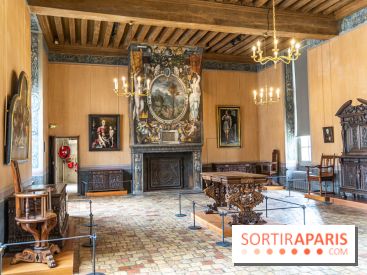
What if the invisible could be seen? In Saint-Ouen-l’Aumône, in the Val-d’Oise, the Abbey of Maubuisson hosts Cosmofania, a collective contemporary art exhibition dedicated to the sacred, to rites, memory, and the invisible worlds, running from October 11, 2026 to February 21, 2027. This third and final installment of the cycle Metamorphoses of the Sacred gathers thirteen artists in the halls of the former Cistercian abbey.
The term Cosmofania does not officially exist in the French language. It joins kosmos, meaning world or universe in Greek, with phainein, which means to show or reveal. The exhibition thus turns its attention to what isn’t immediately visible, but can come into view through gestures, objects, sounds, or symbols. Following Mandorla and Inkarna, this final chapter broadens the inquiry to collective beliefs, rituals, transmitted narratives, and the different ways we connect to what lies beyond our reach.
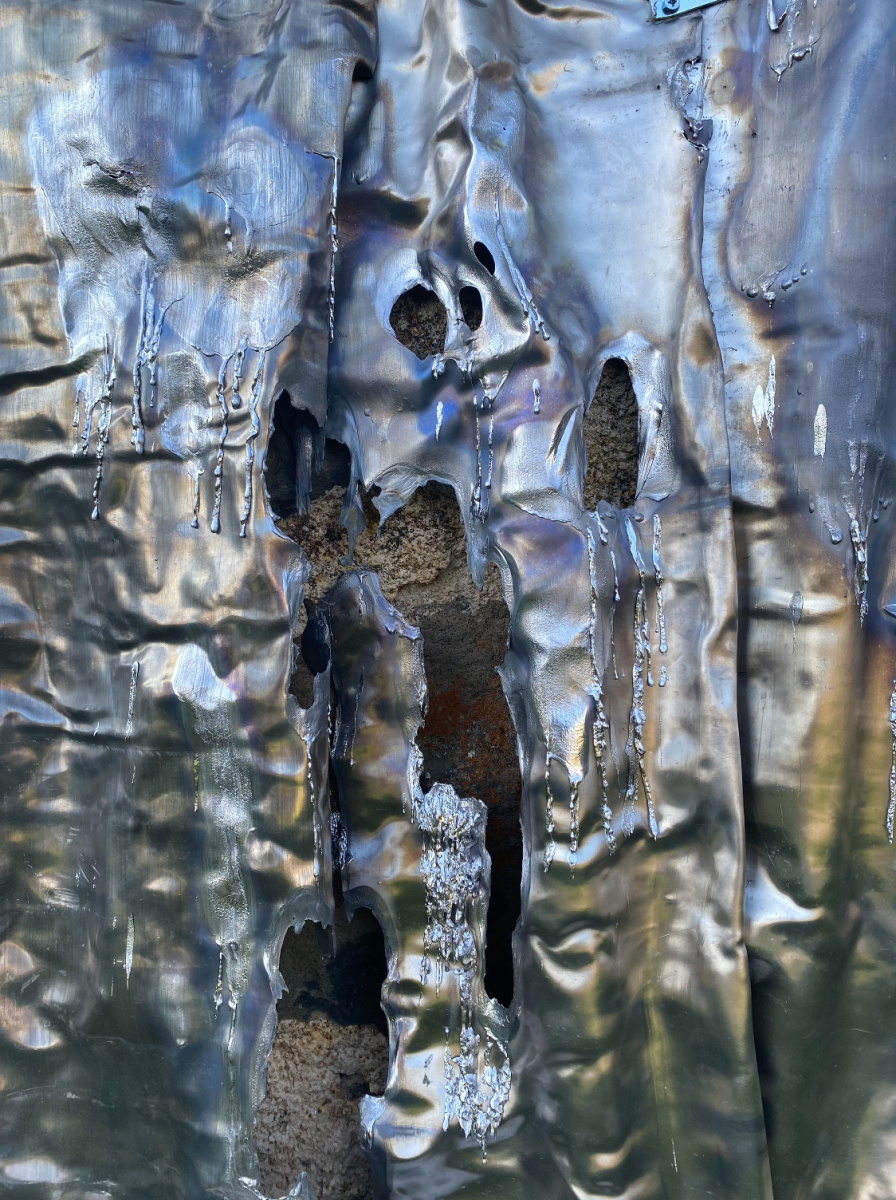
From the very start of the route, stones and crystals loaned by the Museum d’Histoire Naturelle de Nantes set the tone. These materials, long present in beliefs and spiritual practices, converse with the works installed in the abbey. Marion Flament draws on the weighing of the soul with Psychostasie, an installation made of ceramic rosaries and glass forms. Régine Cirotteau presents photographs of volcanic landscapes taken near Naples, while Ronan Masson imagines a cave inhabited by giants with their heads turned upside down.
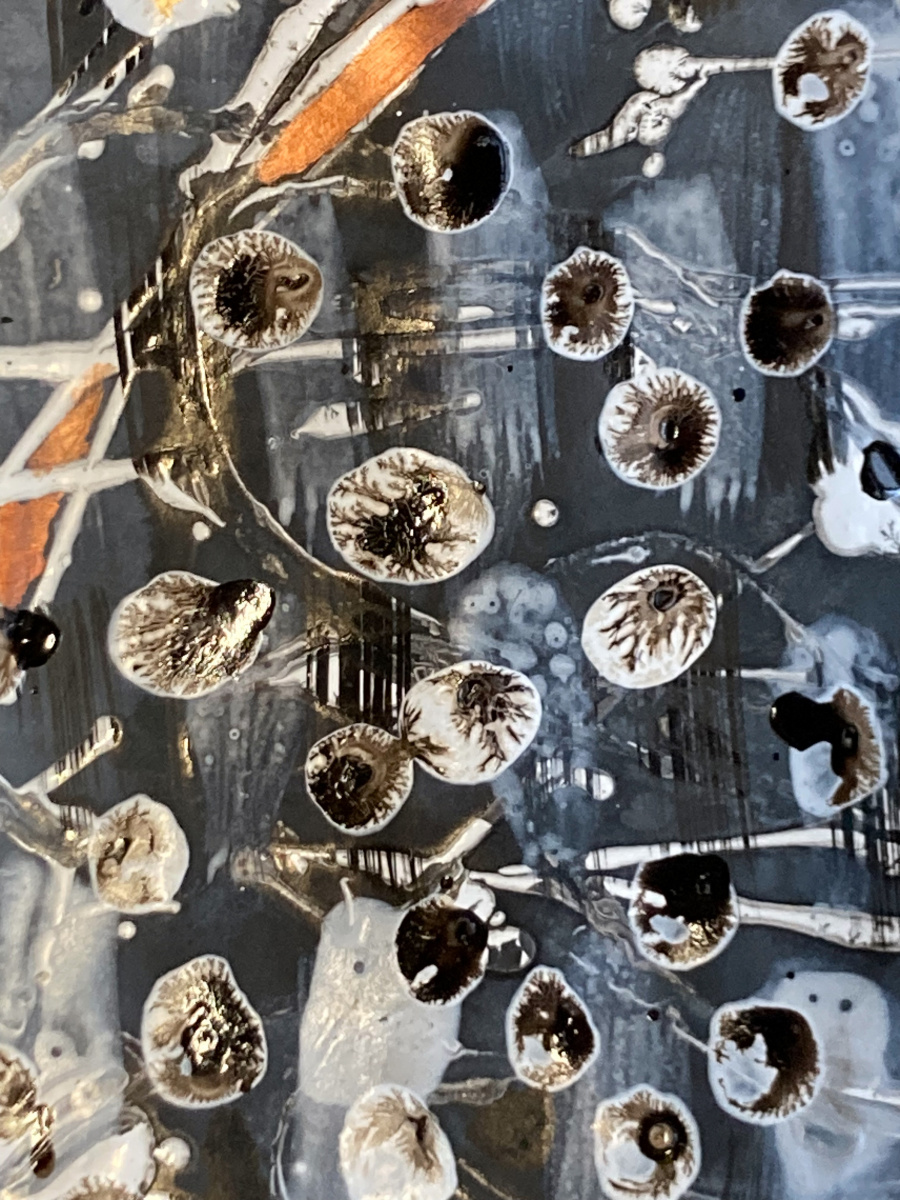
The exhibition path also draws on breath, movement, and sound. Tal Waldman links drawing to conscious breathing in a suite of paintings, videos, and glass sculptures. Charles Fréger photographs the whirling dervishes, those Sufi dancers whose spins accompany a spiritual practice. Erik Nussbicker transforms animal materials into instruments, while Dany Leriche and Jean-Michel Fickinger present traditional puppets photographed in Mali, paired with ceremonies and ancient narratives.
Several artists are also turning their attention to place memory and the transmission of history. Philippe Deloison evokes the nuns who lived for centuries at the Abbaye de Maubuisson, through drawings and texts written in automatic writing. Bénédicte Estripeau gathers memories, symbols, and testimony in a sweeping textile work entitled Nos Sorcières. Shana Rouaix uses the sound of a drum to fill the rooms with resonance and recall the old Cistercian chants once heard in the abbey.
Some installations are designed to come alive through performances. Darius Dolatyari-Dolatdoust creates a textile space made up of masks, costumes, paintings, and sounds exploring exile and family memory. Chloé Viton, for her part, revisits the myth of Romulus and Remus in a work that blends sculpture, drawing, and fashion. The opening on 10 October 2026 will also feature several artistic interventions, including a performance by Ronan Masson, a mandala created by Tal Waldman, and a musical solo by Erik Nussbicker.
Co-curated by Marie Ménestrier and Emmanuel Reiatua Cuisinier, Cosmofania brings together thirteen artists in a venue steeped in more than eight centuries of history. The exhibition isn’t about delivering a single, fixed definition of the sacred; it’s about showing how it can reveal itself in matter, gesture, sound, and story. It’s then up to each visitor to follow what they see, hear, or feel as they move through the show.
This page may contain AI-assisted elements, more information here.
Dates and Opening Time
From October 11, 2026 to February 21, 2027
Location
Maubuisson Abbey
Avenue Richard de Tour
95310 Saint Ouen l'Aumone
Route planner
Access
Transilien Line H or RER C at "Saint-Ouen-L'Aumône" station
Official website
abbaye-de-maubuisson.fr
More information
Open Wednesdays from 9:30 a.m. to 11:45 a.m. and from 1:00 p.m. to 5:45 p.m., and from Thursday through Monday from 1:00 p.m. to 5:45 p.m. Closed on Tuesdays. Open on public holidays from 1:00 p.m. to 5:45 p.m., except December 25 and January 1.














![[En attente d'infos] Exposition Magie à la Cité des Sciences : quand l’illusion devient une expérience scientifique](https://cdn.sortiraparis.com/images/1021/66131/1294743-exposition-magie-a-la-cite-des-sciences-quand-l-illusion-devient-une-experience-scientifique.jpg)
![[En attente d'infos] Exposition Magie à la Cité des Sciences : quand l’illusion devient une expérience scientifique](https://cdn.sortiraparis.com/images/1022/66131/1294743-exposition-magie-a-la-cite-des-sciences-quand-l-illusion-devient-une-experience-scientifique.jpg)
![[En attente d'infos] Exposition Magie à la Cité des Sciences : quand l’illusion devient une expérience scientifique](https://cdn.sortiraparis.com/images/1023/66131/1294743-exposition-magie-a-la-cite-des-sciences-quand-l-illusion-devient-une-experience-scientifique.jpg)
![[En attente d'infos] Exposition Magie à la Cité des Sciences : quand l’illusion devient une expérience scientifique](https://cdn.sortiraparis.com/images/1024/66131/1294743-exposition-magie-a-la-cite-des-sciences-quand-l-illusion-devient-une-experience-scientifique.jpg)