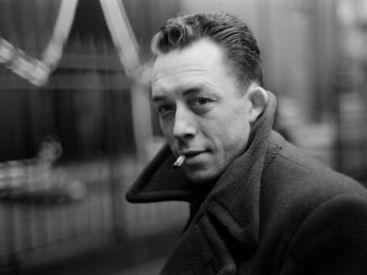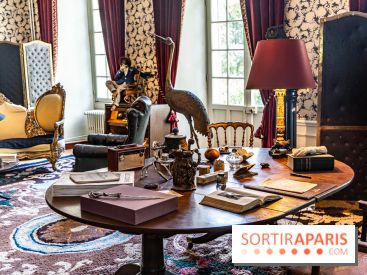
Simone de Beauvoir is still very much a part of the Parisian landscape. The places where she lived and wrote have become milestones in her intellectual and feminist history. To walk in the footsteps of the author is to embrace a geography of thought; at every street corner, the city still whispers her essential questions on equality, freedom and emancipation.
The city of Paris has extended his work beyond the walls: the footbridge that bears his name has become an architectural metaphor for a bridge between generations and people - through equality. In the heart of Saint-Germain-des-Prés, the square dedicated to Jean-Paul Sartre and her seals the dialogue of a mythical couple in front of their stronghold - the Café de Flore.
Explore Paris in the footsteps of Simone de Beauvoir, between streets, commemorative plaques and mythical places. An exploration that begins now, at the crossroads of the places where she lived, wrote and campaigned, in connection with Sartre but also with her own intellectual and political influence.
A majorfeminist philosopher, writer and activist of the 20ᵉ century, Simone de Beauvoir (1908-1986) revolutionized understanding of the female condition by laying the foundations of modern feminism, notably through her work The Second Sex, published in 1949.
A committed activist, she campaigned actively for women's rights, notably taking part in the Manifesto of the 343 in 1971, which called for the right to abortion. A resident of the Left Bank, she shared a vibrant intellectual life with Jean-Paul Sartre in Parisian literary circles.
103 boulevard du Montparnasse (6ᵉ arr.). Simone de Beauvoir was born in 1908 in this building, above the brasserie La Rotonde, one of Montparnasse's literary hotspots. Her story began in a neighborhood that was already vibrant and creative.
71 rue de Rennes (6ᵉ arr.). It was here, without elevator or running water, that the Beauvoir family settled after financial difficulties. Simone spent her adolescence here, in an environment that was both modest and formative.
91 avenue Denfert-Rochereau (14ᵉ arr.). In 1929, she moved into her grandmother's apartment and brilliantly prepared for the agrégation in philosophy, where she came second, just behind Jean-Paul Sartre.
11 rue de la Bûcherie (5ᵉ arr.). Between 1948 and 1955, Simone wrote Le Deuxième Sexe and Les Mandarins.
11 bis, rue Victor-Schœlcher (14ᵉ arr.). Simone de Beauvoir lived there from 1955 until her death in 1986. The building houses a commemorative plaque highlighting this symbolic address. She lived there with Claude Lanzmann during the 1950s-1960s.
Le Stryx, rue Huyghens (14ᵉ arr.). Simone de Beauvoir recounts in Mémoires d'une jeune fille rangée (1958) how she drank a glass of alcohol there for the first time. It was a landmark experience in her journey towards individual freedom.
A stroll in the footsteps of Jean-Paul Sartre in Paris, from Café de Flore to Montparnasse
What if Jean-Paul Sartre had never really left the streets of Paris? Between statues, mythical cafés and squares bearing his name, explore the City of Light through the emblematic places linked to the philosopher. [Read more]
The Simone-de-Beauvoir footbridge (12ᵉ-13ᵉ arr.). Inaugurated in 2006, this elegantly designed pedestrian and cycle bridge embraces the Seine, linking the Bibliothèque François-Mitterrand to the Parc de Bercy.
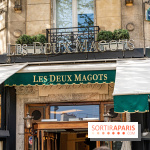
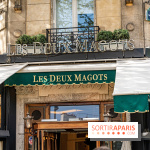
Place Jean-Paul-Sartre-et-Simone-de-Beauvoir (6ᵉ arr.). Located opposite the famous Les Deux Magots café, which the couple frequented regularly, this square, inaugurated in April 2000, anchors their memory in the Parisian urban landscape.
La Rotonde (6ᵉ arr.). A place for Montparnos' intellectual exchanges and social initiations, La Rotonde is mentioned in his memoirs as a terrain of freedom and discovery.
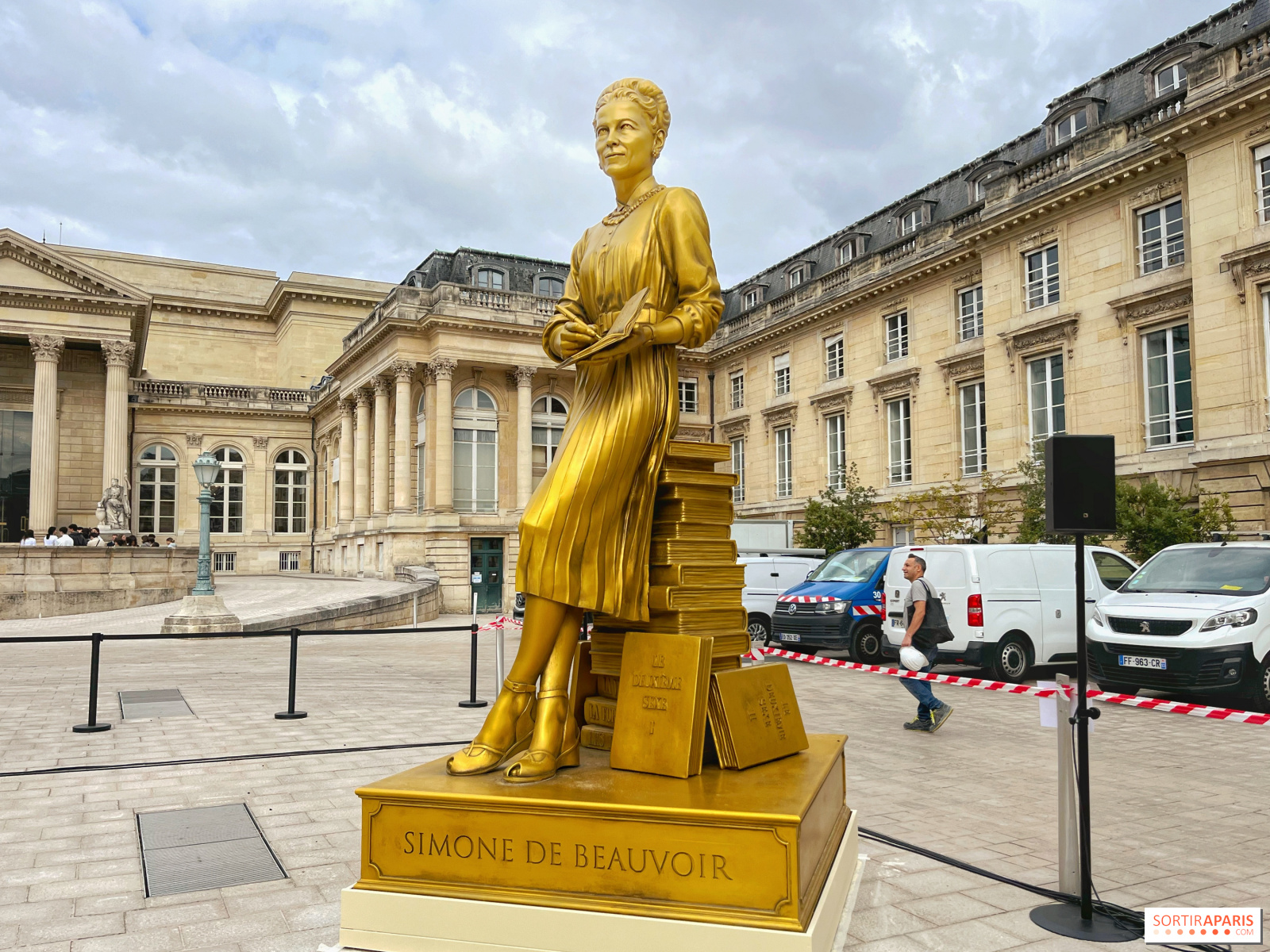
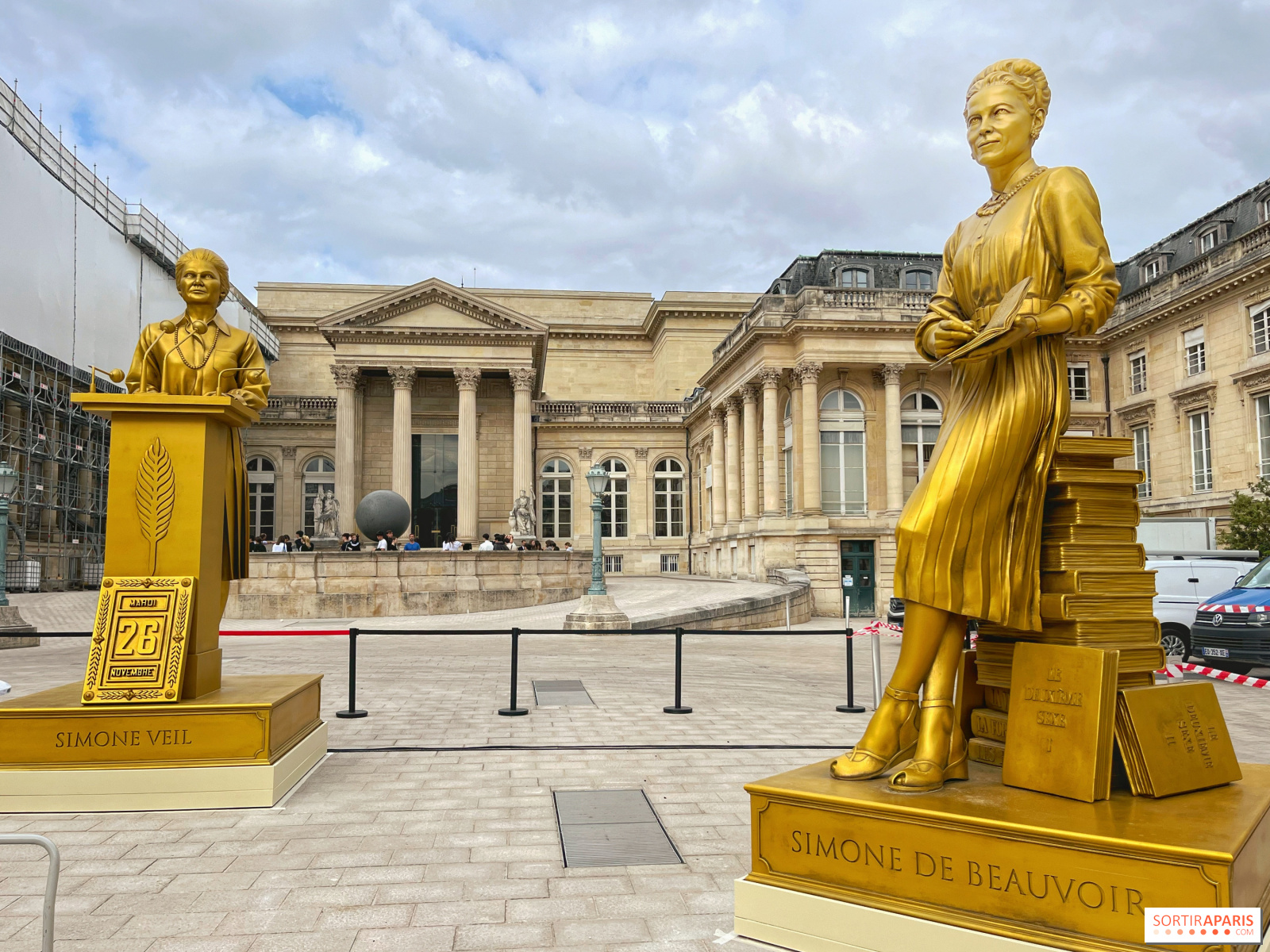
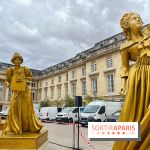
The golden statue of 2024 (18ᵉ arr.). As part of the Paris 2024 Olympic Games, a golden statue of Simone de Beauvoir has been installed on rue de la Chapelle, among other iconic female figures.
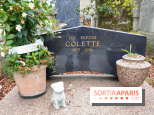
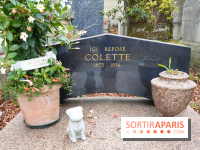
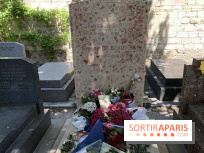
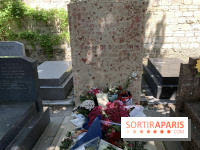
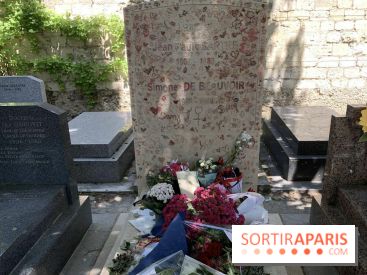
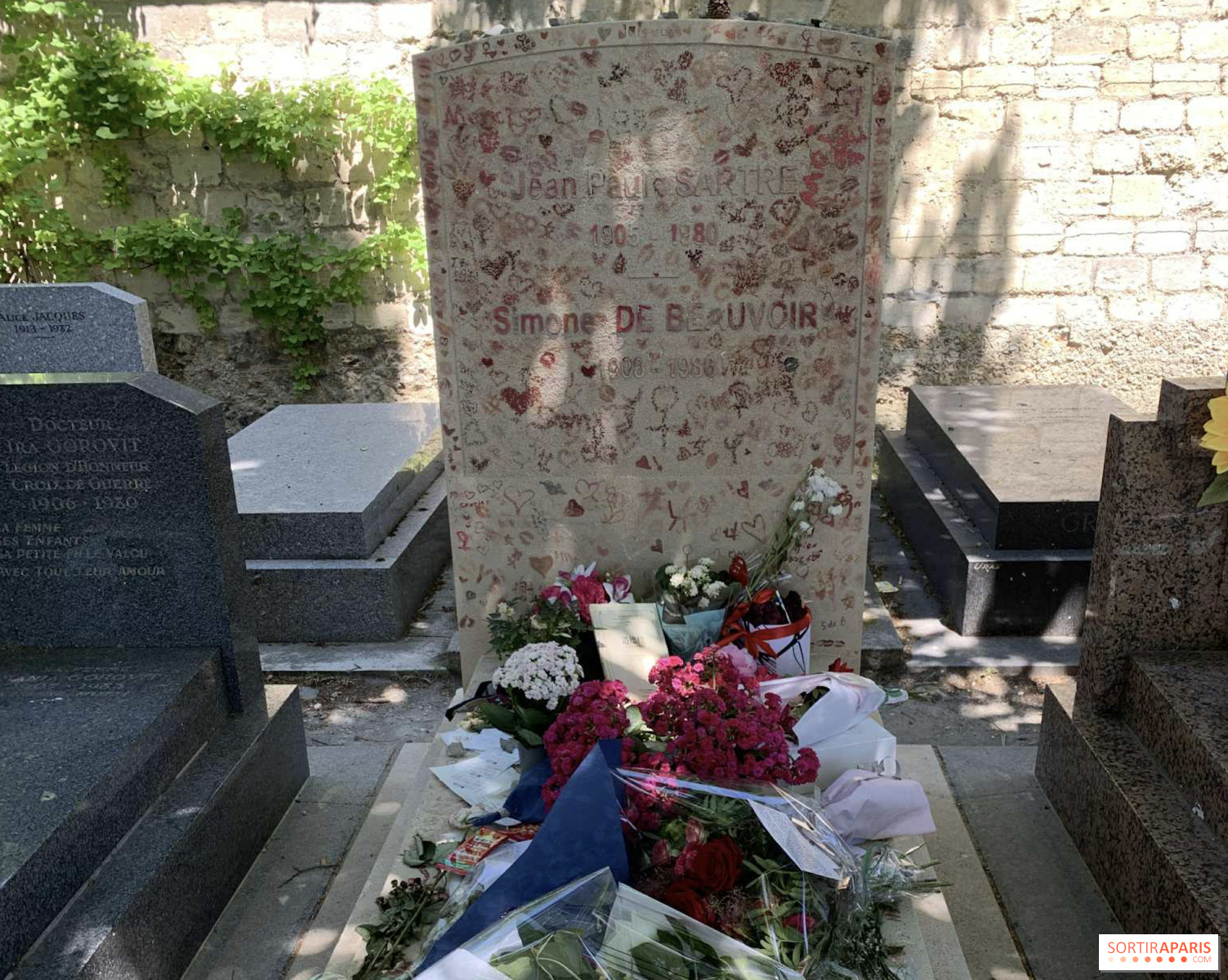
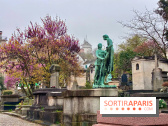
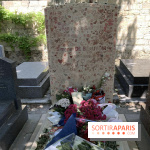
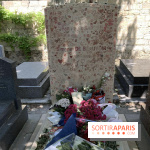
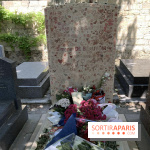
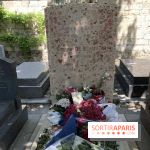
Montparnasse cemetery (14ᵉ arr.). Simone de Beauvoir is buried alongside Jean-Paul Sartre in the Montparnasse cemetery, division 20. Their grave is simple, sober, and regularly flowered by admirers - there are handwritten messages and pens left by visitors in tribute to their work.
Immerse yourself in the Paris of yesteryear, discovering the mythical and historic restaurants, bistros and cafés where artists, authors and intellectuals met. [Read more]
They had marked the opening ceremony of the Paris 2024 Olympic Games: the 10 golden statues of women are to be installed and inaugurated on July 26 on rue de la Chapelle, in the 18th arrondissement. [Read more]
The Montparnasse cemetery is the final resting place of many famous personalities, and a stroll through it is a free and instructive pleasure. [Read more]
Location
Montparnasse Cemetery
3, boulevard Edgar Quinet
75014 Paris 14



















 A stroll in the footsteps of Jean-Paul Sartre in Paris, from Café de Flore to Montparnasse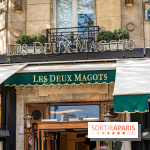
 The legendary restaurants and cafés of artistic and literary Paris, historic addresses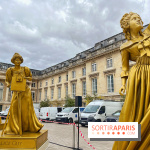


 Paris Olympics: golden statues of 10 women to be unveiled this summer in the 18th arrondissement


 A little tour of the Montparnasse Cemetery