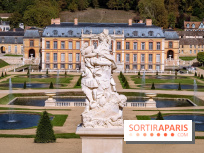
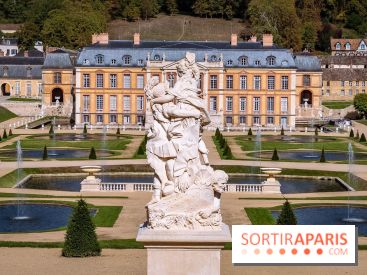
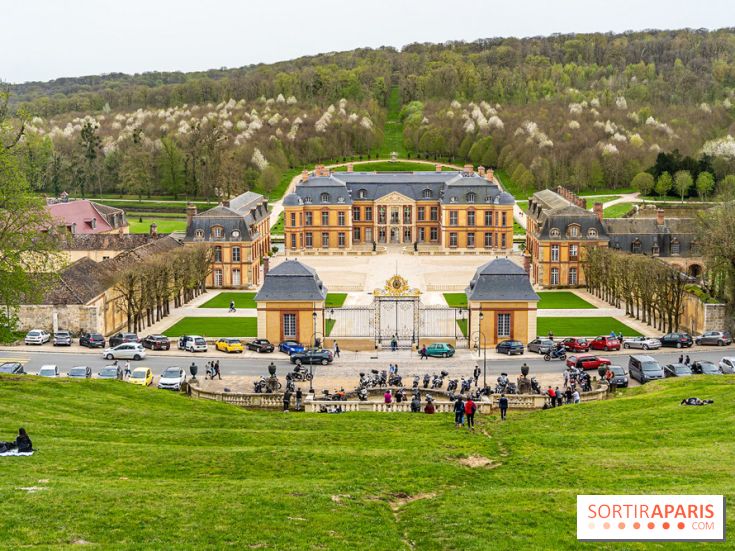
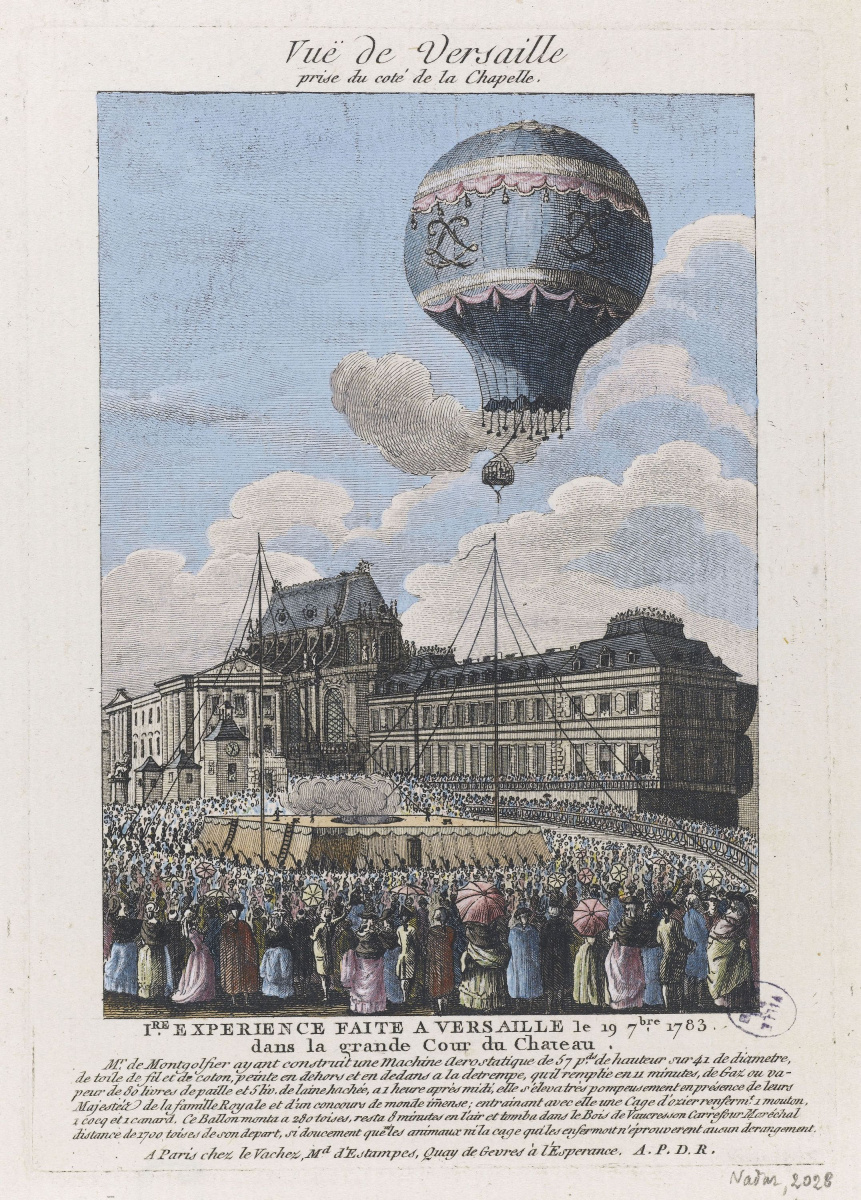
On September 19, 1783, a massive crowd gathers at the Palace of Versailles to witness a feat that only a few months earlier would have seemed unimaginable. In the presence of Louis XVI and the royal family, a Montgolfier brothers’ balloon rises off the ground with three unusually appointed passengers: a sheep, a duck, and a rooster. No man yet dares to board, so before risking a human life, the question is tested: can a living creature endure a voyage aloft?
The story starts far from Versailles, in Annonay, Ardèche, where Joseph and Étienne Montgolfier come from a prominent family of papetiers. Since 1782, the two brothers have been tinkering with envelopes of paper and canvas filled with heated air. They still don’t know the exact physical mechanisms at work and speak of a particular gas, but their instinct works: hot air, lighter than the surrounding air, allows the balloon to rise.
On June 4, 1783, a first public demonstration staged in Annonay makes such an impression that word reaches all the way to Paris. The Royal Academy of Sciences takes an interest in the experiment, and Étienne Montgolfier travels to the capital to carry on with his trials. The conquest of the air quickly becomes one of the era's foremost scientific curiosities.
Versailles must deliver the decisive demonstration. For the occasion, Étienne Montgolfier teams up with Jean-Baptiste Réveillon, owner of the famed wallpaper factory at Folie Titon on the Faubourg Saint-Antoine in Paris. The airship built for the experiment, christened Réveillon, is spectacular: about 18.5 meters tall by 13 meters wide, nearly 400 kilograms, and a blue cotton fabric envelope, paper-coated, with gold ornaments standing out.
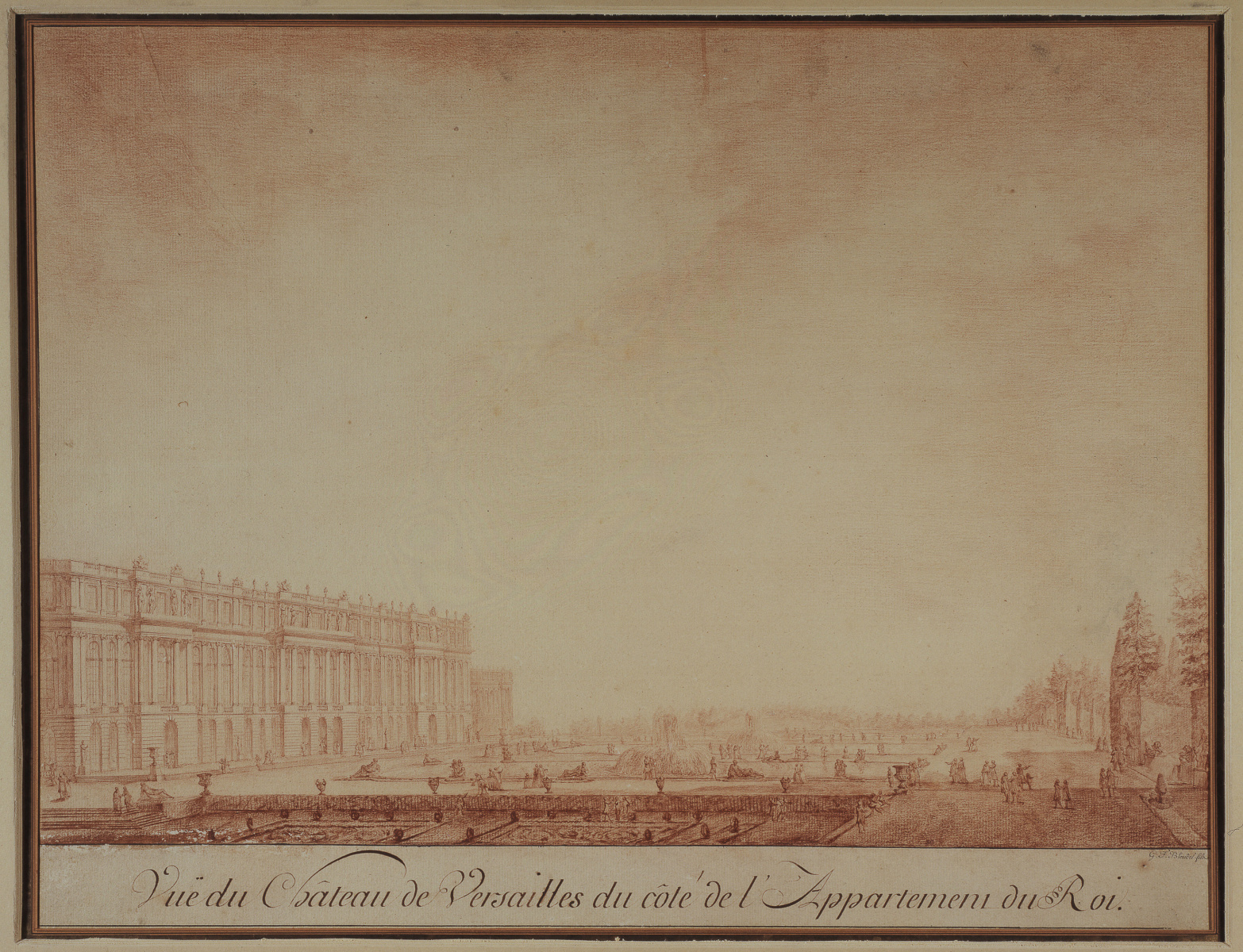
Its making, however, is in danger of coming apart at the seams. A few days before the royal presentation, the balloon used in the tests is badly damaged. A rapid rebuild of an envelope fit to be presented before the Court is required. The September 19 appointment remains on schedule. Yet one more question looms far more delicate: what happens to a living organism when it climbs several hundred meters? Today the answer seems obvious, but in 1783 it was anything but. Aerostatics are just emerging, and no one has yet performed a genuine free flight aboard a balloon. The scientists have no idea how altitude, movement, or the upper-atmosphere air might affect the human body.
It is therefore decided to dispatch animals. The selection of the three species follows a deliberate experimental logic. The sheep, a terrestrial mammal whose physiology is deemed close enough to that of humans, will be the primary subject of observation. The duck, used to flying, provides, in a sense, a baseline for comparison. As for the rooster, a bird capable of flight but essentially terrestrial in its habits, it occupies an intermediate position.
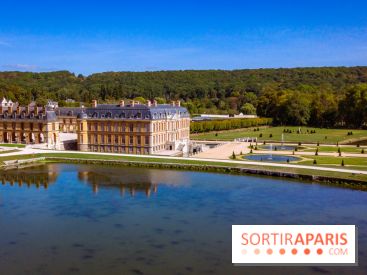
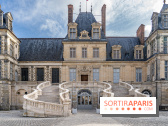
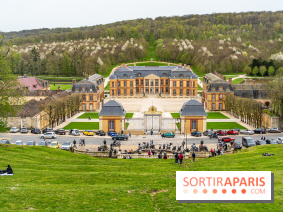
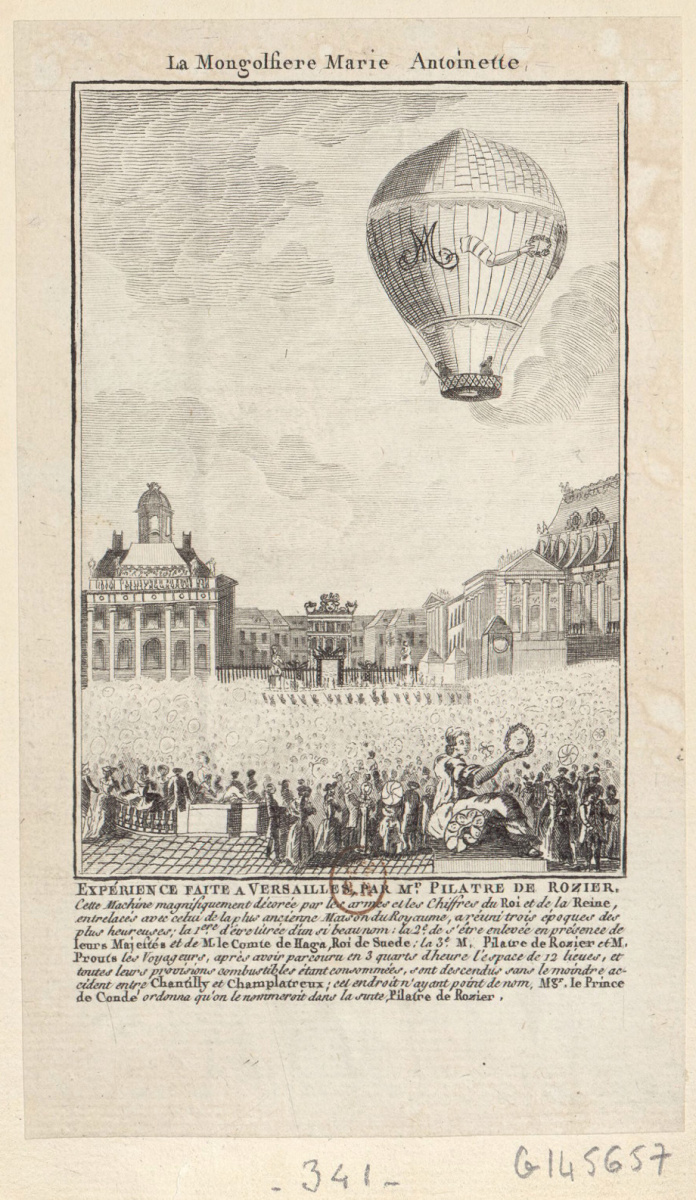
On September 19, the forecourt of the château de Versailles is swarmed by spectators. Contemporary engravings depict a massive turnout; some even put the figure at more than 130,000 people—a number that should be treated with caution, given how imprecise 18th-century crowd estimates were. What is certain, however, is the presence of Louis XVI, Marie-Antoinette and the royal family. The scientific experiment has become a courtly spectacle.
At 1 p.m., a cannon shot signals the start of operations. The 3 animaux are placed in a cage or a panier d'osier suspended beneath the airship. To inflate the enormous envelope, a fire is kept burning, fed notably with straw and wool. Eleven minutes later, the balloon is ready, it is released and begins to rise.
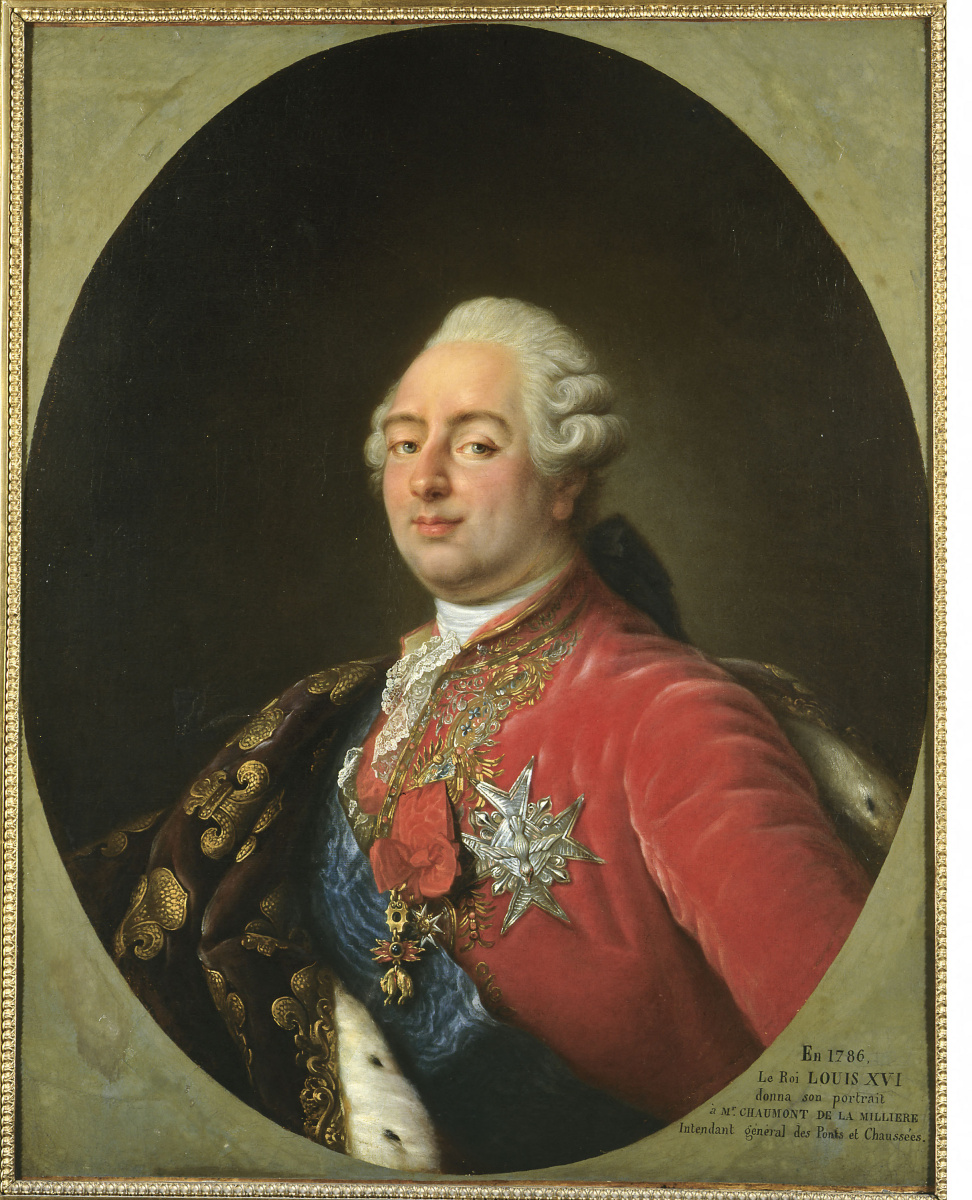
Before the crowd, the enormous blue-and-gold envelope rises above Versailles with its sheep, rooster and duck. The balloon reaches about 600 meters high, but a tear in the envelope curtails the experiment and triggers a gradual descent. After roughly 8 minutes in flight, the airship lands around 3.5 kilometers from its starting point, in the Bois de Vaucresson, at the spot known as the Maréchal crossroads.
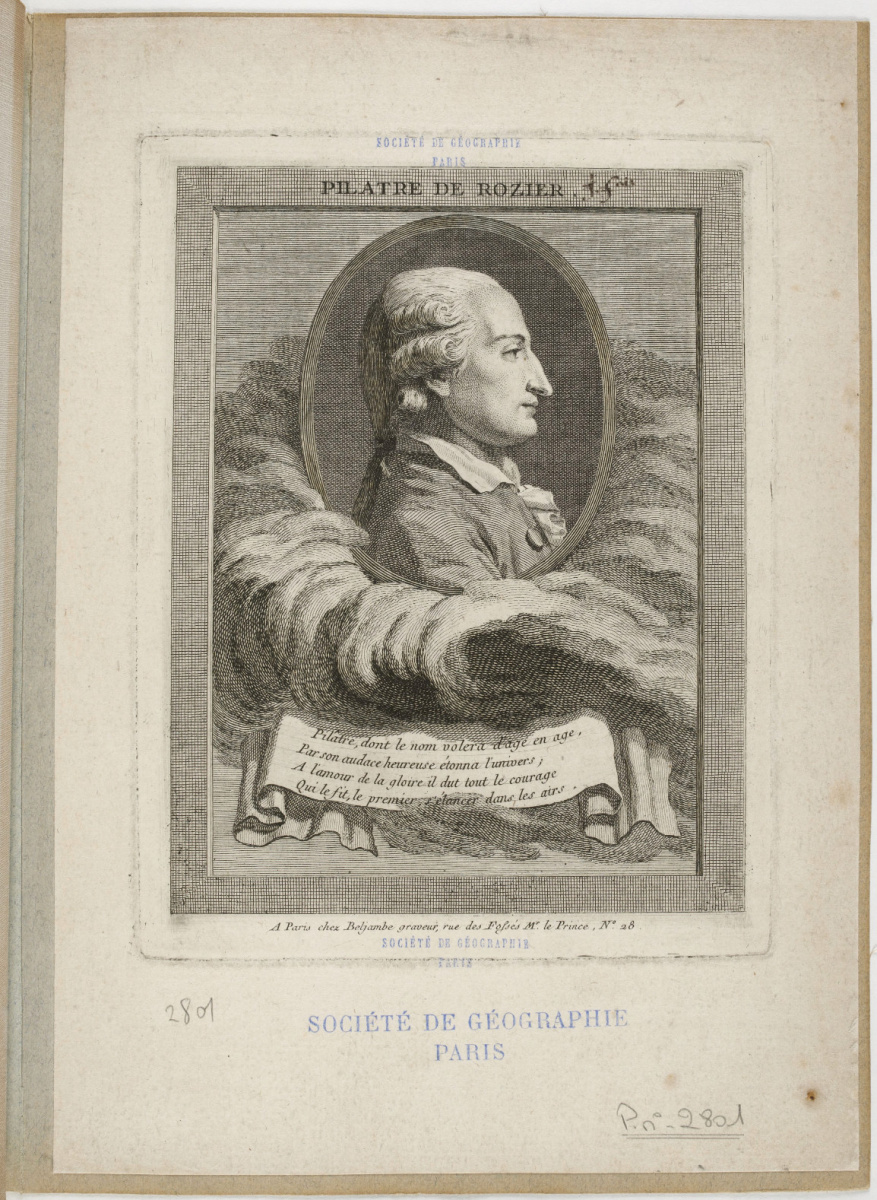
The fate of the three travelers remains to be learned. Jean-François Pilâtre de Rozier, a young physicist who has followed the Montgolfier experiments with great enthusiasm, climbs into the balloon. The verdict is decisive: the animals are alive, although some accounts mention a injury to the rooster, which would have been struck by the sheep’s paw during landing rather than as a result of the altitude.
The experiment achieved its objective: a mammal spent several minutes in the air with no apparent physiological consequences. It thus becomes much harder to maintain that a man could not do the same! Louis XVI would have first contemplated using condamnés for the initial human trials, a proposal that Pilâtre de Rozier is said to have opposed, insisting on the honor of attempting the experiment himself. If the anecdote has been widely repeated, the exact circumstances of this discussion are less well documented than the flight itself.
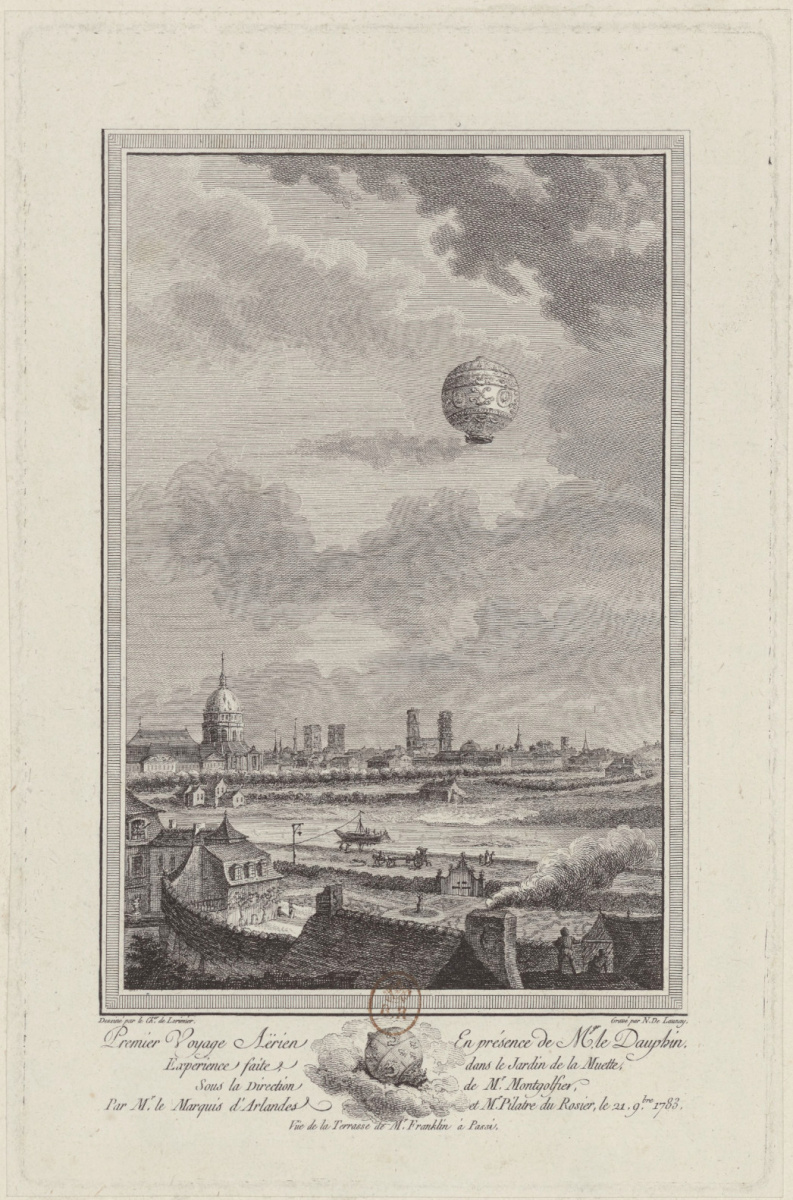
One thing is certain: Pilâtre de Rozier is about to climb into the nacelle. By October, he was conducting captive ascents, the balloon tethered to the ground by ropes. Then, on November 21, 1783 in Paris, from the château de La Muette, Pilâtre de Rozier and the marquis François Laurent d'Arlandes step into a montgolfière and ascend unaided. This time, no cable restrains them. The two men glide over Paris for about twenty minutes before landing near the Butte-aux-Cailles. For the first time, human beings have completed a free flight aboard a flying machine!
Between the two experiments, only 73 days elapsed. The Versailles flight thus holds significance far beyond its picturesque appearance. The sheep, the duck and the rooster are not merely three animals sent into the sky to amuse Louis XV; they were the first passengers in an experiment designed to directly pave the way for the human flight.
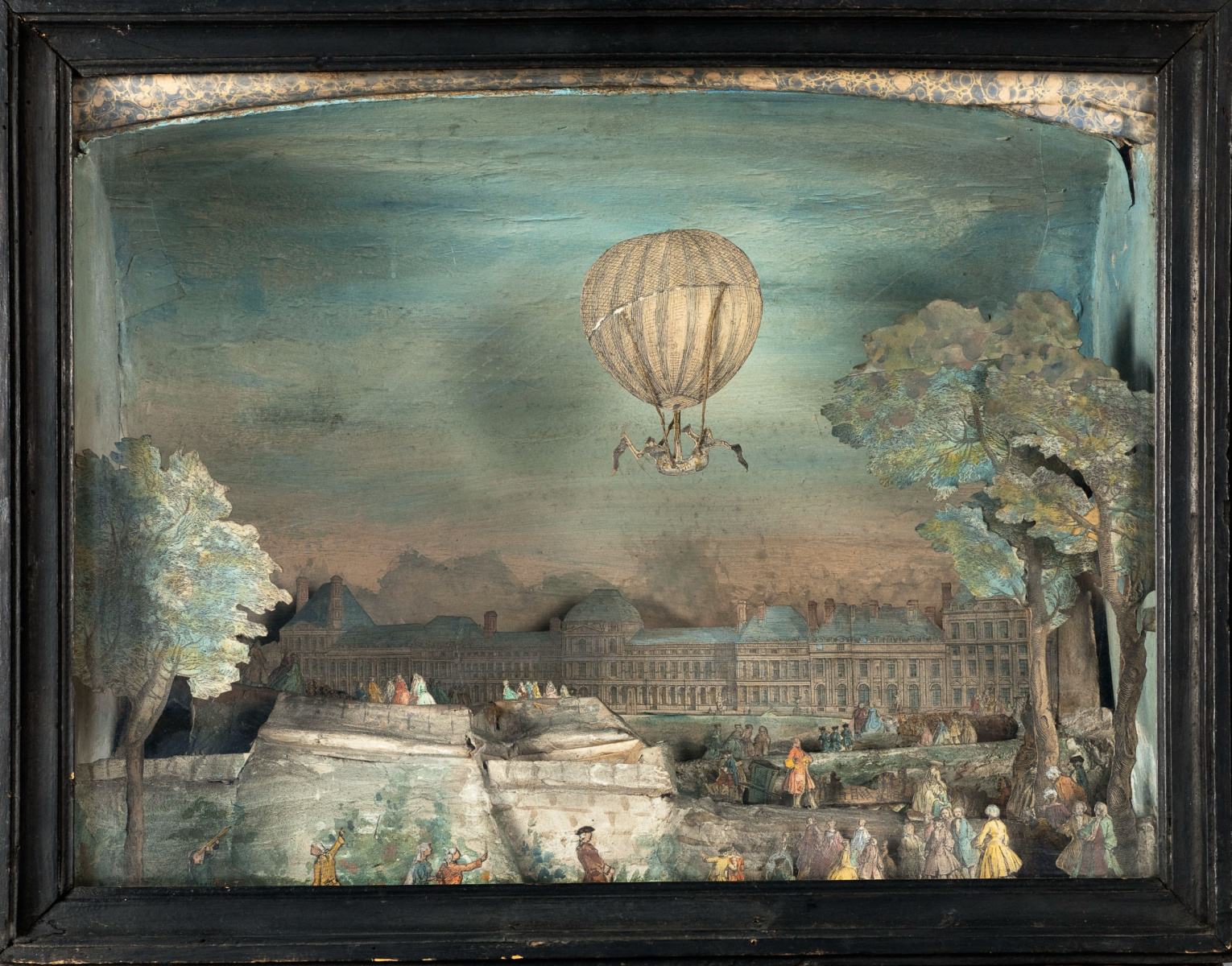
Success soon sparks a genuine fever for ballooning. In Paris and Versailles, ascents attract large crowds, and balloons spill into the decorative arts: fans, plates, boxes, jewelry, fabrics and furniture are adorned with Montgolfier balloons. This "ballomania" becomes one of the defining fashions of the final years of the Ancien Régime.
The three pioneers of September 19, for their part, can look forward to a much calmer retirement. Indeed, according to the account preserved by the Château de Versailles, Louis XVI had the animals of the royal menagerie gathered together again after their adventure!
For further reading:
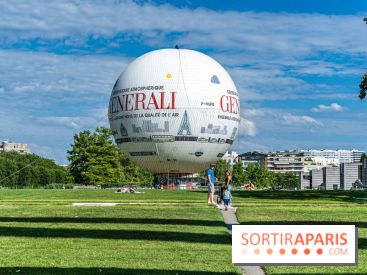
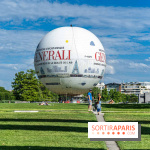
Le Ballon de Paris Generali at Parc André Citroën
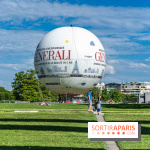
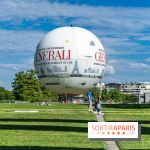
Flying over Paris in a balloon has been possible since 1999 on the lawn of the Parc André Citroën with the Ballon de Paris, now also known as the Ballon Generali. To take in the view, breathe in the air and amaze the kids, try out an original ride in the world's largest balloon. [Read more]
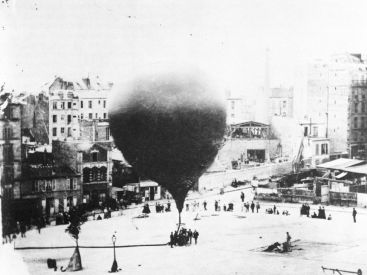
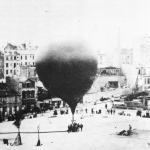
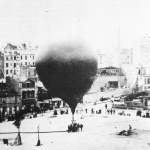
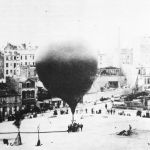
On September 23, 1870, with Paris under siege from the Prussian army, the first balloon took off from Place Saint-Pierre. Christened Le Neptune, the aircraft took off carrying 125 kilos of official dispatches for members of the government who had retreated to Tours. [Read more]
This page may contain AI-assisted elements, more information here.
Dates and Opening Time
On September 19, 2026
Location
Palace of Versailles
Château de Versailles
78000 Versailles
Route planner
Accessibility info

















 Le Ballon de Paris Generali at Parc André Citroën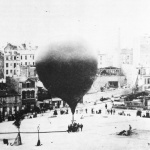
 On this day in Paris, September 23: The first French airmail flight during the Siege of Paris.