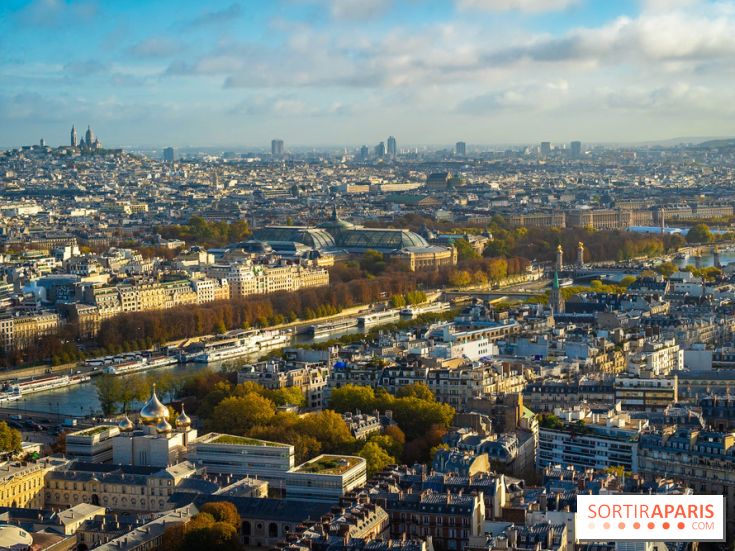
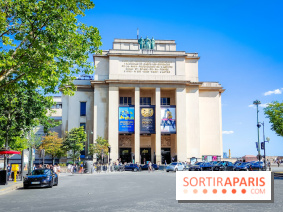
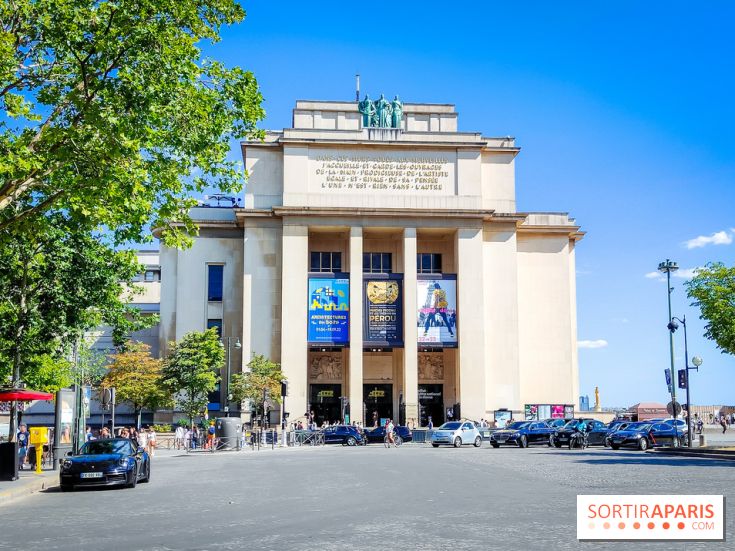
6 novembre 1889, the last visitors walk once more through the palais, galeries et jardins set up from the Champ-de-Mars au Trocadéro, the long de la Seine and all the way to the esplanade des Invalides. Since spring, Paris has been living to the rhythm of a colossal exposition staged to celebrate the centenary of the Révolution française and to showcase to the world the progress in industry, science and technology. In a matter of months, more than 32 million entries were recorded and roughly 61,000 exhibitors presented their inventions, their productions and their know-how.
The 1889 Exposition Universelle spanned roughly 95 hectares of Paris. Visitors could encounter industrial machines, electrical installations, the telephone, objects from all corners of the globe, and a sweeping, metal architecture pushed to scales rarely seen before. European monarchies largely shunned the event, which was deeply tied to the 1789 anniversary, but that official absence did little to dampen its popular appeal.
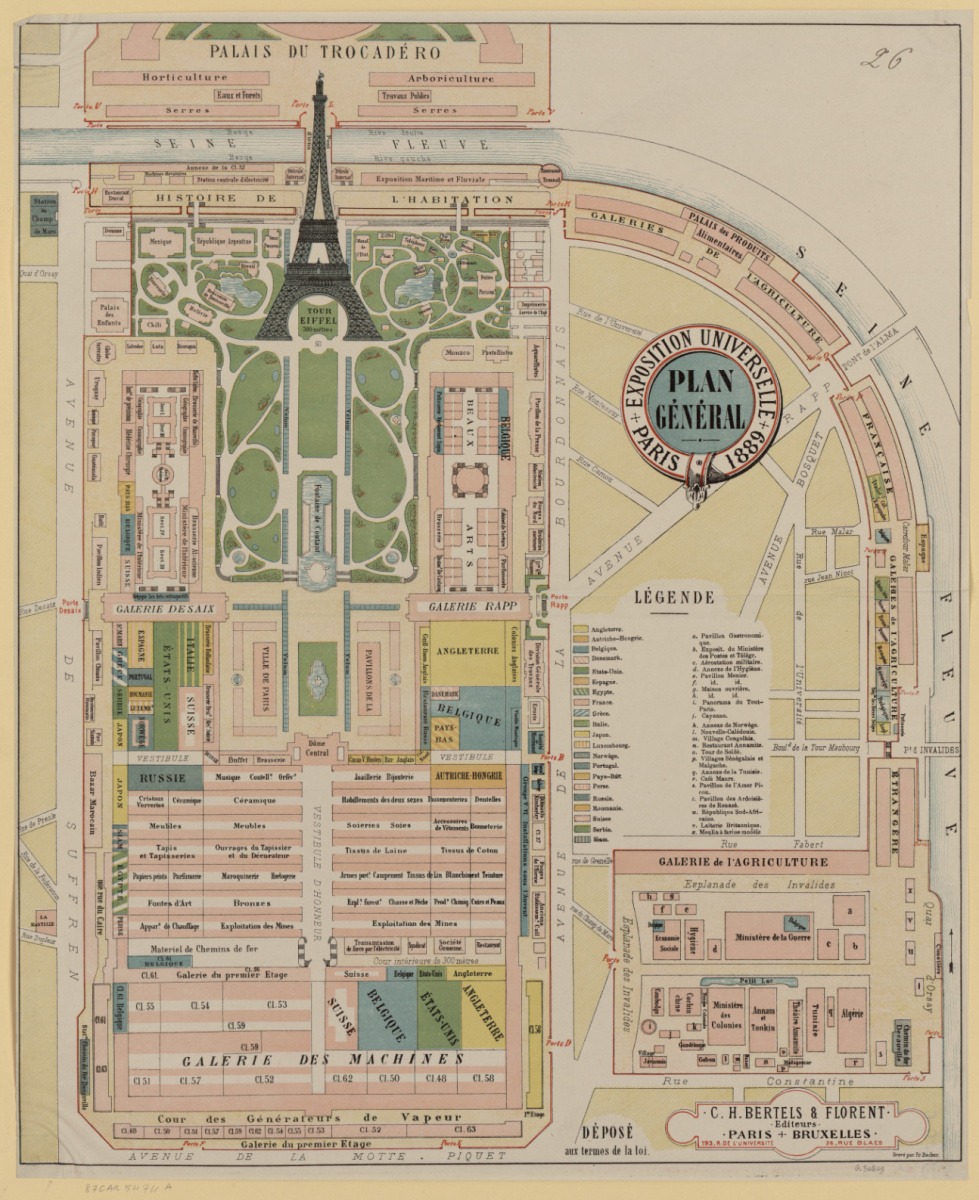
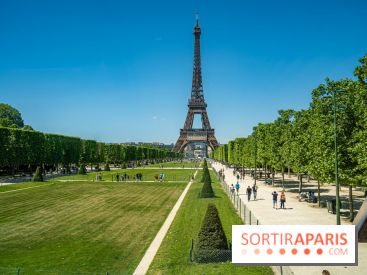
Amid this profusion, two structures dominate the scene: the Galerie des Machines, a vast 420-meter-long metal nave, and above all a 300-meter tower that seems to have been planted along the Seine to challenge every height known: the Eiffel Tower !
When Gustave Eiffel began erecting his tower in 1887, the mood was far from unanimous. Writers, painters and architects denounced this gigantic metal structure as an affront to the Parisian landscape! Maupassant, François Coppée, Charles Garnier and Leconte de Lisle were among the signatories of the famous artists’ protest published during the construction.
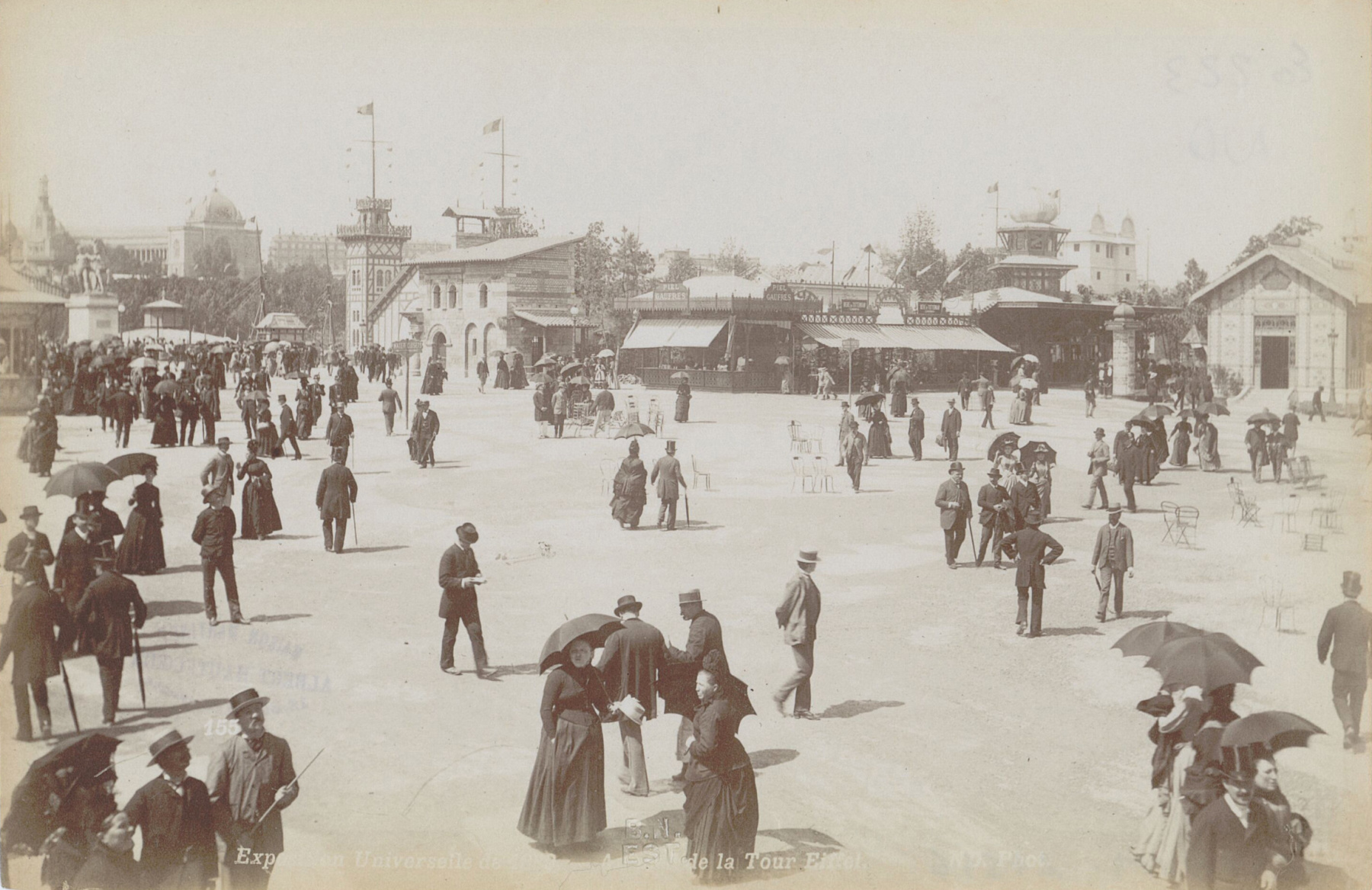
Two years on, the public has spoken loudly. Completed in the spring of 1889, the Tower instantly became the star of the Exposition. It stood as the tallest structure in the world, with about 300 m of framework and more than 312 m to the top of its flagpole. From the very first days, while the elevators were still not in operation, tens of thousands of visitors chose to climb its stairs to glimpse Paris from a height previously inaccessible to the public.
All told, 1,953,122 people climbed the Eiffel Tower during the Exposition, nearly two million visitors in just a few months! Entrance to the Exposition cost one franc; ascending the Tower required an extra ticket. Gustave Eiffel even welcomed some of the year's most famous visitors at the summit, including Thomas Edison, who came to show him his phonograph. The monument that some had dubbed an industrial monstrosity had become one of Paris’s most sought-after attractions!
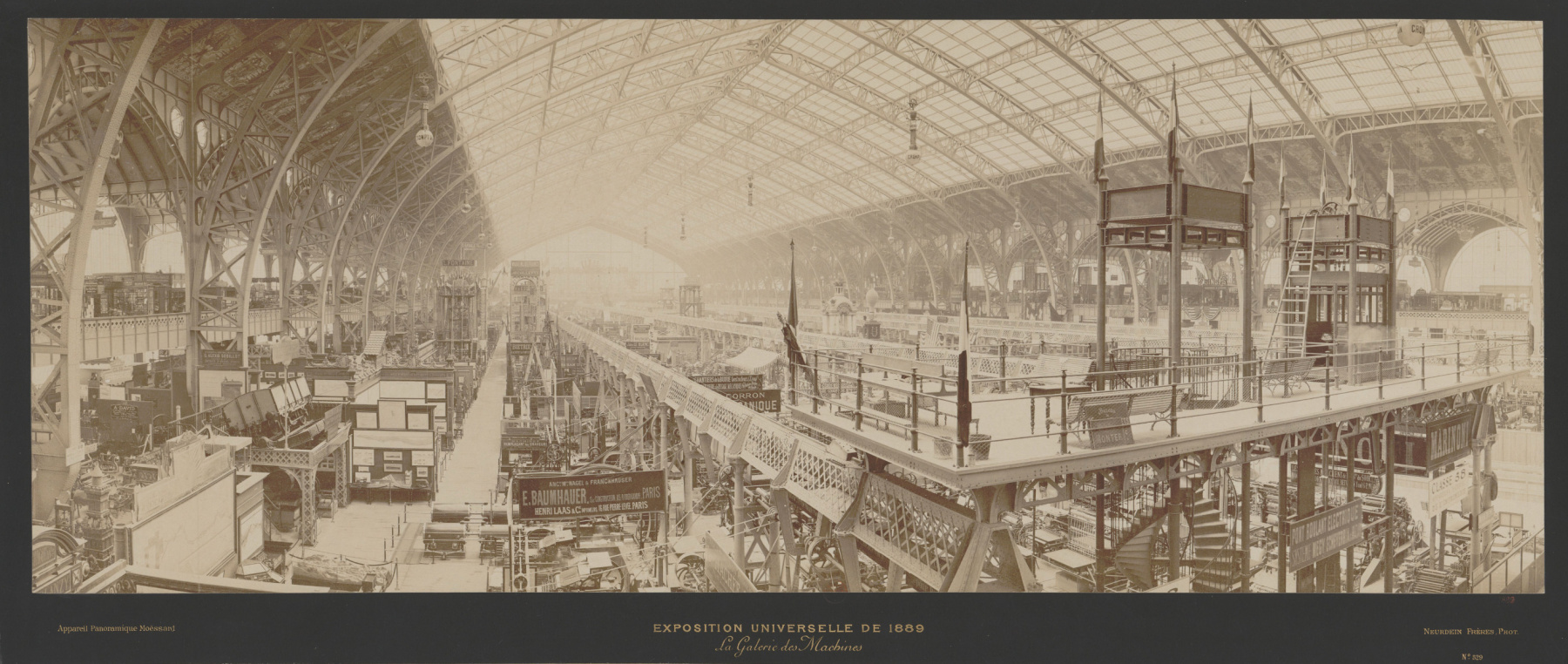
The closing of the Exposition marks the start of a colossal dismantling. A large portion of the buildings were designed to last only a few months. National pavilions, restaurants, galleries and decorative structures were progressively dismantled, sold, relocated or destroyed. Even the spectacular Galerie des Machines, initially intended to outlive the fair, ultimately disappeared in 1909 for lack of lasting use. From the vast decor of 1889, Paris would end up retaining very few buildings visible today.
The Eiffel Tower, by contrast, enjoys a solid reprieve. A pact signed in 1887 allowed Gustave Eiffel to operate it for 20 years from December 31, 1889, after which ownership would revert to the City of Paris. Its preservation beyond that window was far from guaranteed when the Exposition closed: dismantling at the dawn of the 20th century remained a very real possibility!
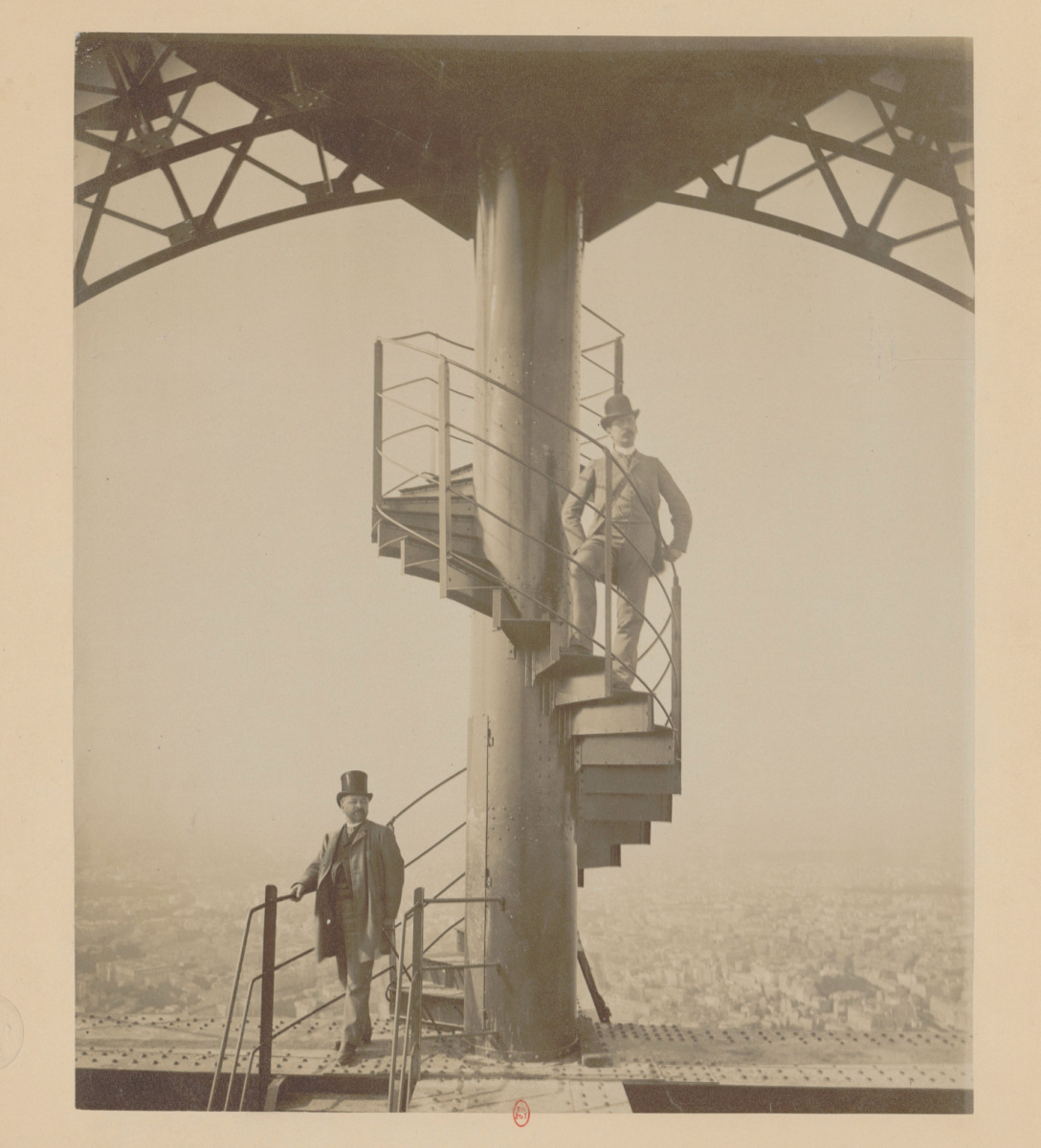
Eiffel would devote the coming years to demonstrating the scientific value of his design, developing, in particular, meteorological and aerodynamic research, and then wireless telegraphy experiments. These uses, and especially the Tower’s military interest in radio transmissions, would ultimately play a crucial role in its preservation.
For further reading:
The Eiffel Tower: opening hours, access, prices... Discover Paris's most iconic monument
The Eiffel Tower has established itself as the most emblematic monument in Paris. Since 1889, it has watched over Paris and its inhabitants, astonishing visitors and those who see it from afar. Want to find out more? Click here! [Read more]
Behind the elevators of the Eiffel Tower lies a fascinating technical universe. Machine rooms, maintenance workshops, technical spaces, a bunker, Gustave Eiffel's apartment... These areas closed to the public tell another story of Paris's most famous monument. But can they sometimes be visited? [Read more]
This page may contain AI-assisted elements, more information here.
Dates and Opening Time
On November 6, 2026
Location
Eiffel Tower
Avenue Gustave Eiffel
75007 Paris 7
Route planner
Accessibility info
Access
Metro and RER: Line 6 or 9 "Trocadéro" station Line 6 "Bir-Hakeim" station RER C "Champ de Mars - Tour Eiffel" station


















 The Eiffel Tower: opening hours, access, prices... Discover Paris's most iconic monument
 Engine rooms, bunker, Eiffel’s apartment: Can you visit the Eiffel Tower’s behind-the-scenes areas?