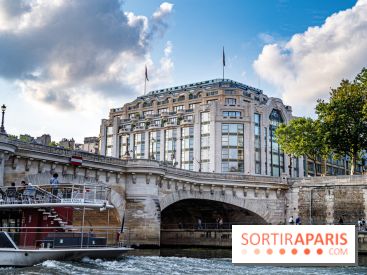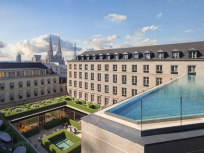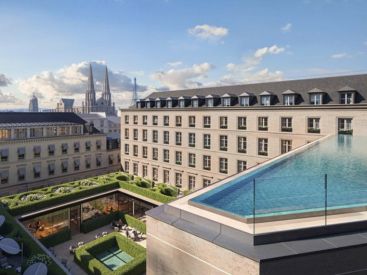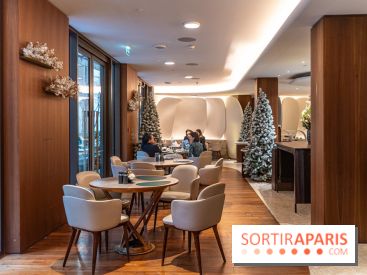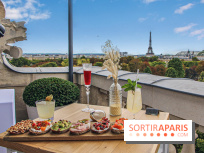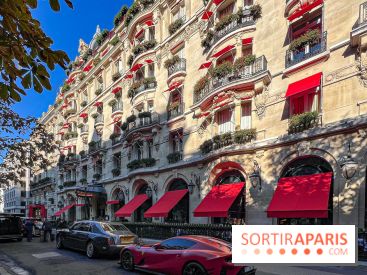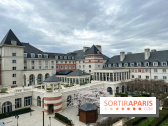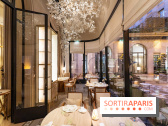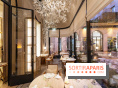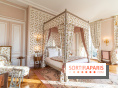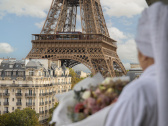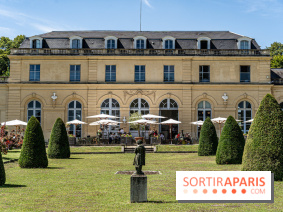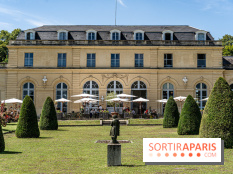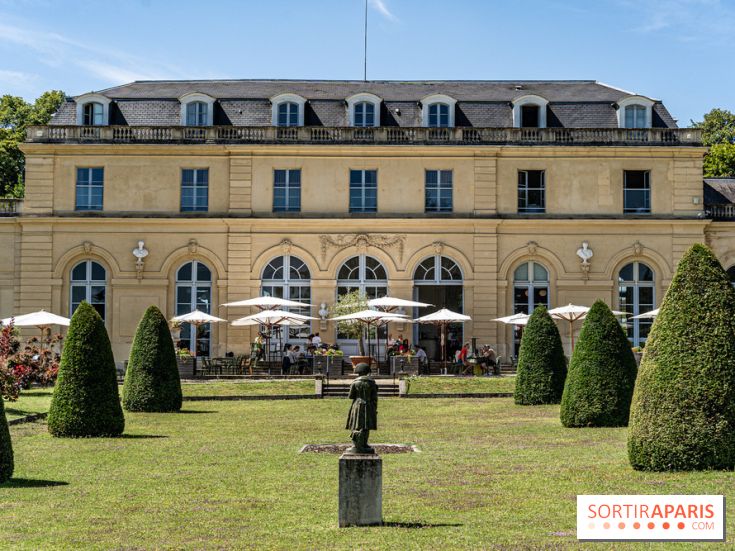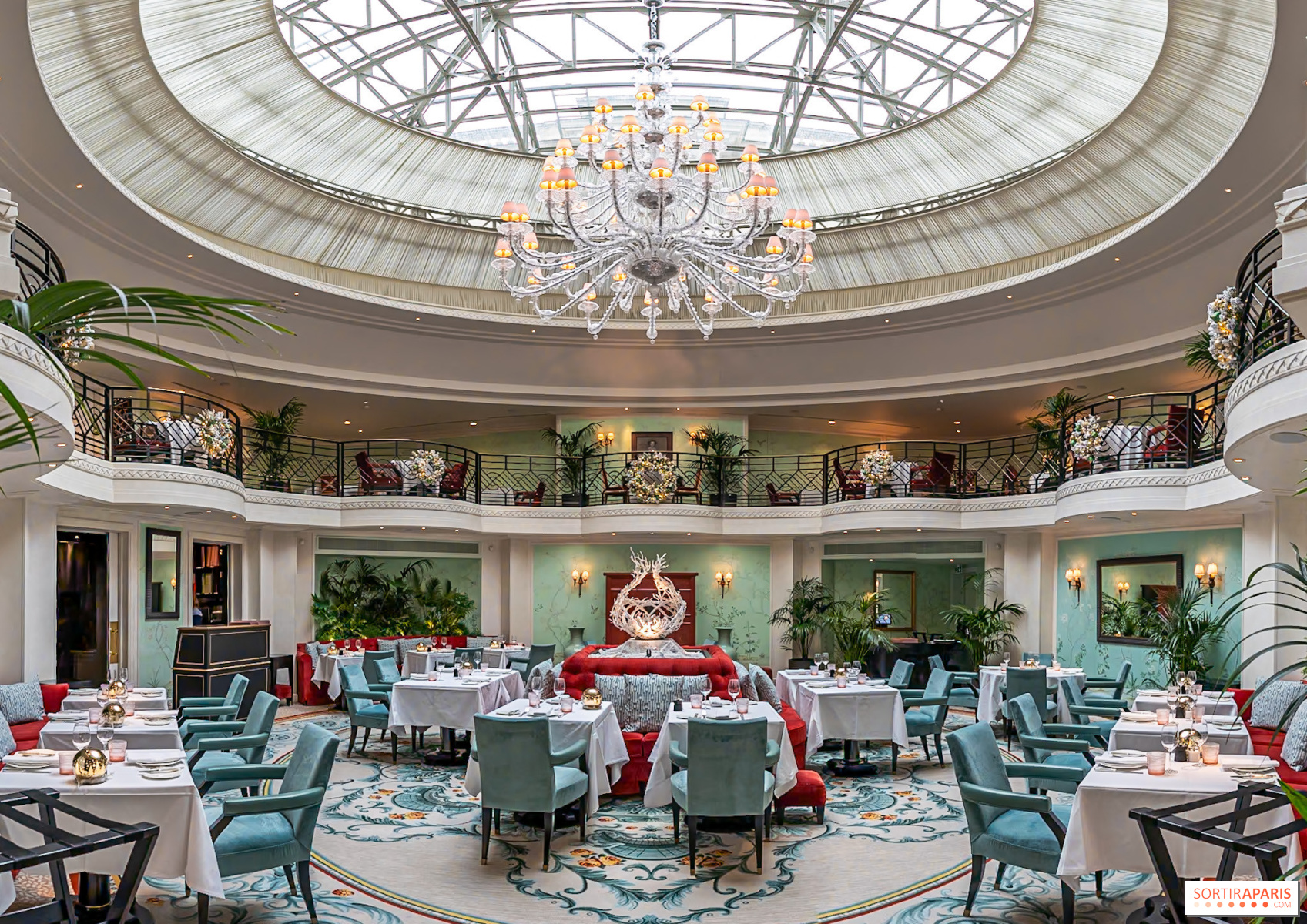
The story of the Shangri-La Paris begins at the end of the 19ᵉ century when, in 1891, Prince Roland Bonaparte acquired land in Chaillot to erect a palace to house his scientific collections, library and dreams of erudition. Built from 1892 to 1895 to plans byarchitect Ernest Janty, the building adopts an eclectic style, inspired byLouis-XIV architecture, in an urban palace approach.
After the Prince's death in 1924, the palace passed into the hands of Princess Marie Bonaparte, before being sold to the Compagnie universelle du canal de Suez in 1925, which undertook a major refurbishment between 1929 and 1931 under the direction of Michel Roux-Spitz. The French state then acquired the building, using it for administrative purposes, before the Shangri-La group purchased it in 2005.
After several years of meticulous restoration, orchestrated by architect Richard Martinet with the interior designed by Pierre-Yves Rochon, the hotel opened its doors in 2010 and was awarded the Palace distinction in 2014.
Listed as a Historic Monument since 2009, it is now a living bridge between Prince Bonaparte's scientific past and the contemporary demands of luxury.
Roland Bonaparte was more than just an aristocrat. A grand-nephew of Napoleon I, he was also a scholar with a passion for geography, botany and anthropology. During his lifetime, he amassed an immense collection of herbariums and rare books, which he installed in the lower part of the palace, around the inner courtyard and in the common areas. The original building consisted of two main sections: a three-storey side building with mansard roofs, and a library.
Architect Ernest Janty chose to combine stone walls, wrought-iron balconies, columns, pediments and loggias, in a dense eclectic style reminiscent of Belle Époque interiors. After 1925, under Michel Roux-Spitz, the mansard was removed, and stepped levels and an arched glass roof added, while preserving the main body and its monumental façade.
Under state ownership, the building houses official services, but its heritage grandeur is attracting attention. In 2009, the building's facades, roofs, grille, grand staircase and salons were classified as Monuments Historiques, protecting its decorative elements.
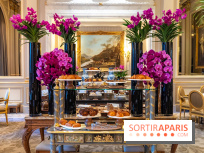
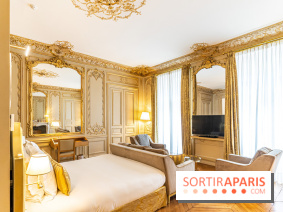
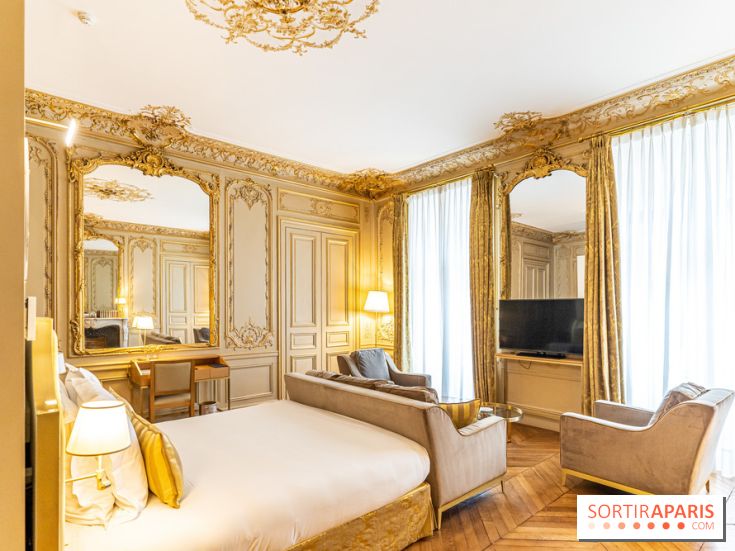
During the renovation for the opening of the palace, the Shangri-La hotel group restored the facades stone by stone, recreating damaged sculpted elements. The glass roof of the Fresnel courtyard is redesigned to become a luminous interior lounge. Architects Richard Martinet and Pierre-Yves Rochon blend noble metals, French marble, lacquered wood and subtle Asian decorative elements.
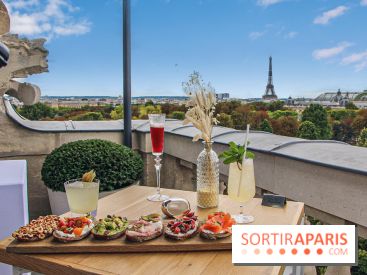
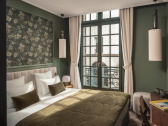
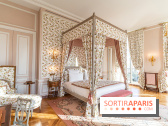
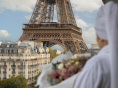
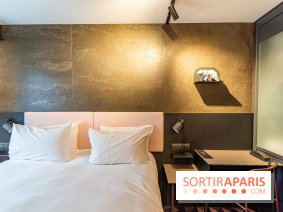
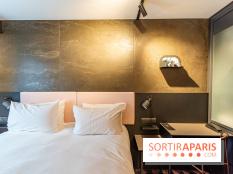
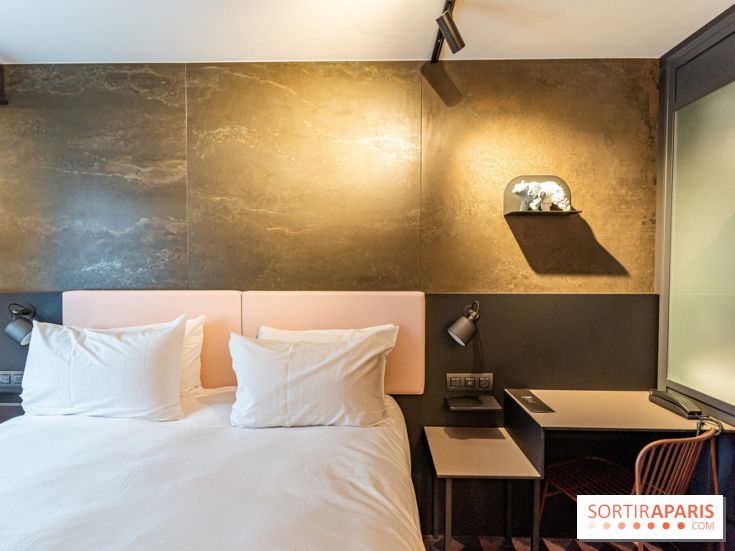
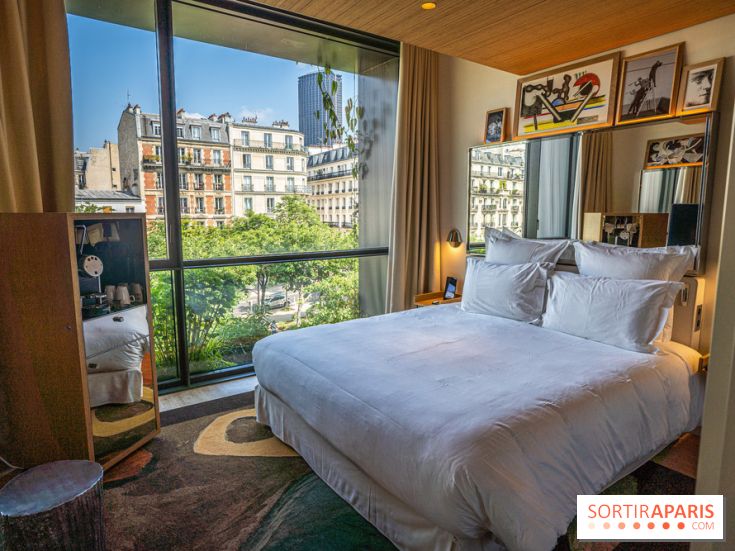
The result is a collection of 63 rooms, 33 suites and 4 Signature suites bearing symbolic names — Gustave Eiffel Suite, the Prince Bonaparte Apartment — with some offering spectacular views of the Iron Lady.
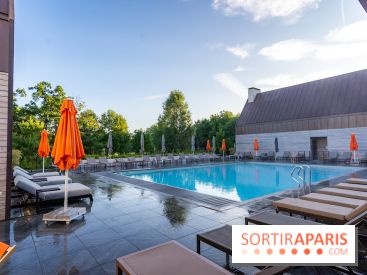
The listed areas encompass the grand drawing room, the dining room, the family lounge, the gallery, the rotunda, the grand staircase, the lobby, the façade, and the ground-floor salons (today The Prince's Salons and the Prince Bonaparte Apartment). The spa features a 17-meter pool converted from the former stables, set within an indoor garden that fills the space with light. Here you’ll find treatments, hammams, treatment rooms and a fitness room.
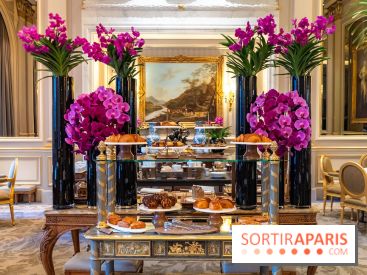
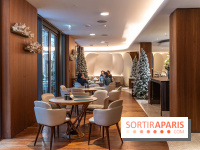
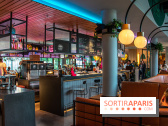
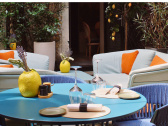
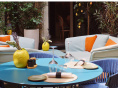
The Shangri-La Paris boasts several restaurants: the Salons du Prince mentioned above, Maison Roland, and the Shang Palace, the Chinese restaurant that used to hold a Michelin star. The bar Botaniste sits in a botanical ambiance, playing with herbs, plants and warm wood-toned displays.
By blending princely heritage, listed architecture and gastronomy, the Shangri-La Paris confirms its status among the capital’s iconic palaces.
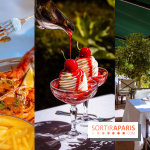
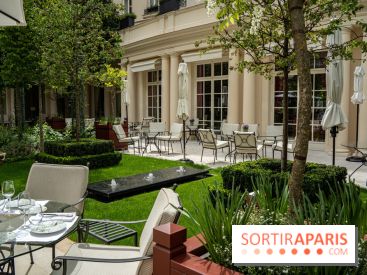
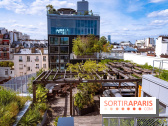
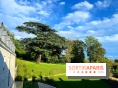
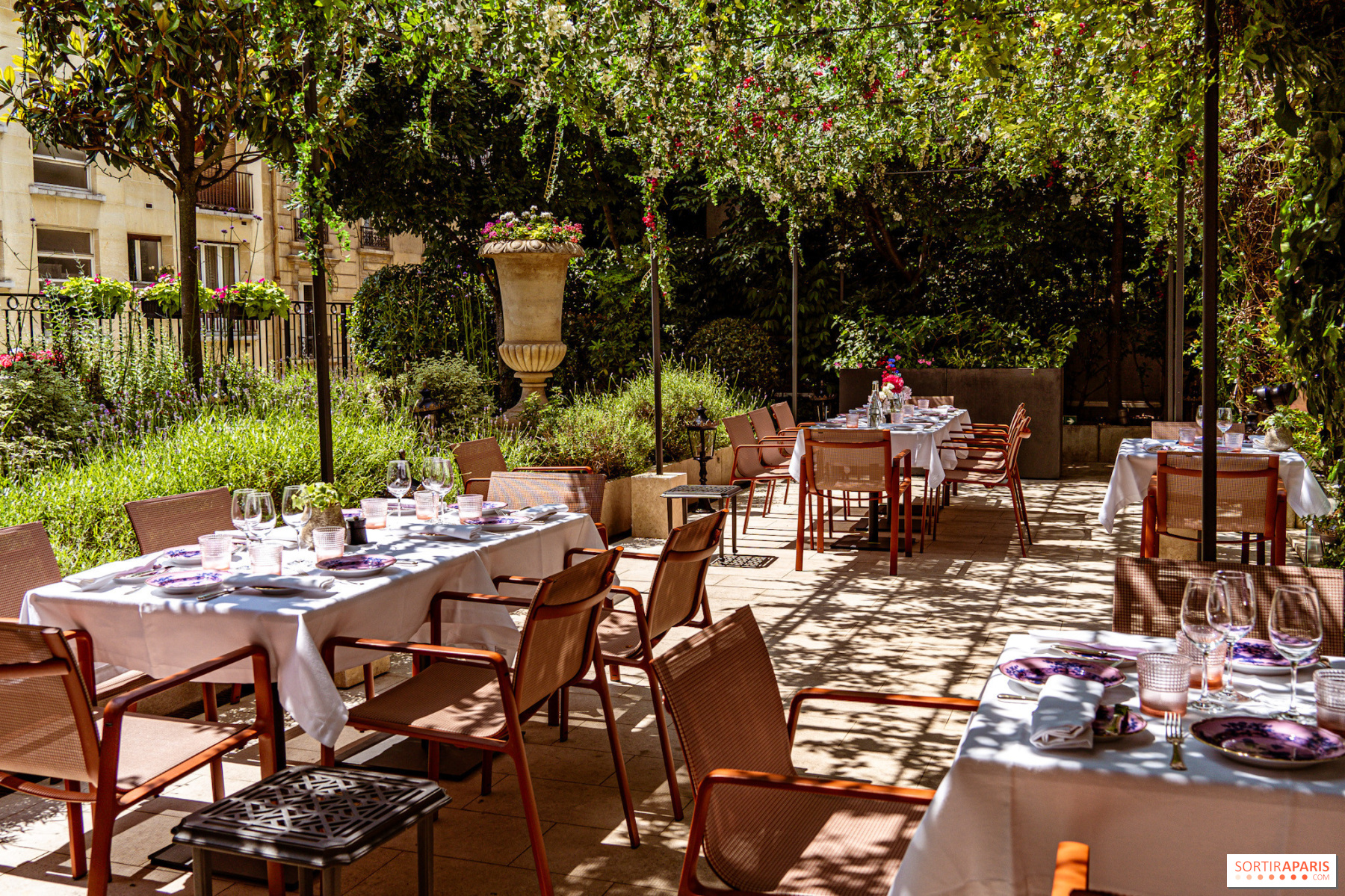
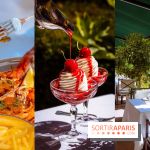 Terrace in Maison Roland’s garden at Shangri-La Paris: the 16th arrondissement’s secret refuge.
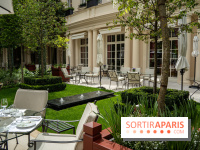
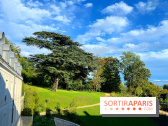
The Garden Terrace at Shangri-La Paris reopens for the sunny season, just steps from the Trocadéro. This garden, usually closed to the public, now hosts the Maison Roland bistro, to be enjoyed all summer 2026 for a lovely interlude with the Eiffel Tower in view. [Read more]
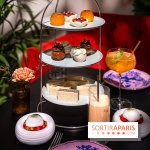
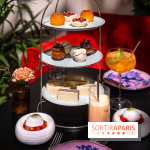
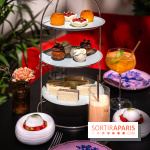
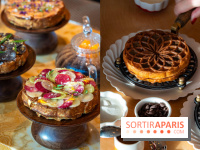
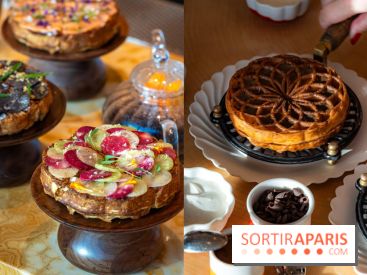
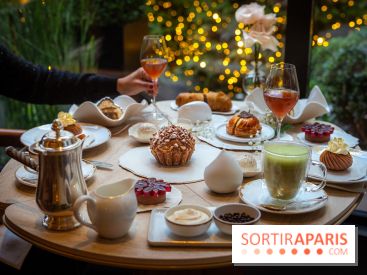
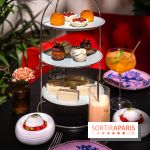 Delicious tea time at the Shangri-La Paris by Timothy Lam
A refined tea time experience at a luxury hotel? Head to the Shangri-La Paris to discover the latest tea offering crafted by Timothy Lam, the talented new pastry chef taking over from Maxence Barbot. Here's everything you need to know. [Read more]
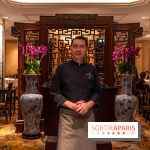
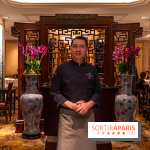
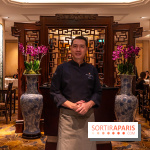
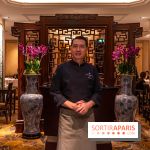 Shang Palace by Tony Xu, we tested the Chinese restaurant at Shangri-La Paris
Shang Palace, the only gourmet Chinese restaurant, has unveiled its new menu under the leadership of its new Chef, Tony Xu. It's time to (re)discover the fine cuisine of this emblematic Parisian restaurant, located within the Shangri-La. [Read more]
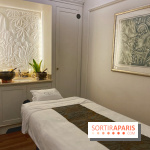
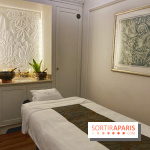
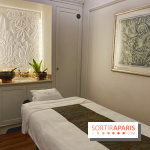
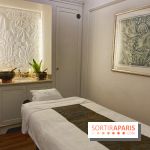 Re-connect, a treatment combining massage and Tibetan bowls in the spa of the Shangri-La Paris palace
For the ultimate in relaxation, the Shangri-La spa offers a wide range of treatments, including Re-connect, which combines massage and Tibetan bowls for a relaxing sensory journey. [Read more]
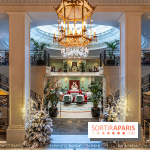
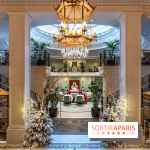
 La Bauhinia restaurant, awakened by Quentin Testart's marine cuisine at the Shangri La Paris
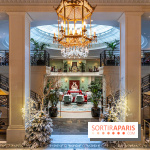
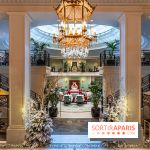
La Bauhinia is the name of the sublime Shangri-La Paris restaurant named after a tropical flower. Under the leadership of new chef Quentin Testart and pastry chef Maxence Barbot, the menu is inspired by the sea, from Sri Lanka to Brittany, all under the sublime glass roof designed by architect Maurice Gras. [Read more]
Dates and Opening Time
Next days
Saturday:
from 12:00 p.m. to 02:00 p.m.
- from 07:00 p.m. to 10:00 p.m.
Sunday:
from 12:00 p.m. to 02:00 p.m.
- from 07:00 p.m. to 10:00 p.m.
Monday:
from 12:00 p.m. to 02:00 p.m.
- from 07:00 p.m. to 10:00 p.m.
Tuesday:
from 12:00 p.m. to 02:00 p.m.
- from 07:00 p.m. to 10:00 p.m.
Wednesday:
from 12:00 p.m. to 02:00 p.m.
- from 07:00 p.m. to 10:00 p.m.
Thursday:
from 12:00 p.m. to 02:00 p.m.
- from 07:00 p.m. to 10:00 p.m.
Friday:
from 12:00 p.m. to 02:00 p.m.
- from 07:00 p.m. to 10:00 p.m.
Location
Shangri-La Paris
10 Avenue d'Iéna
75116 Paris 16
Route planner
Accessibility info
Official website
www.shangri-la.com