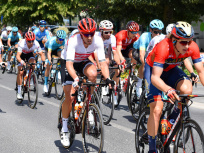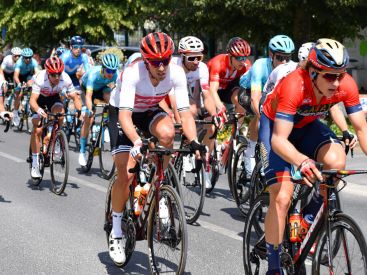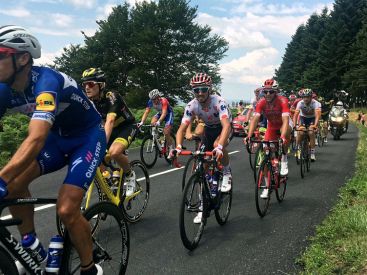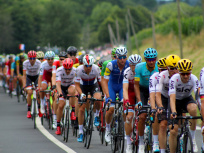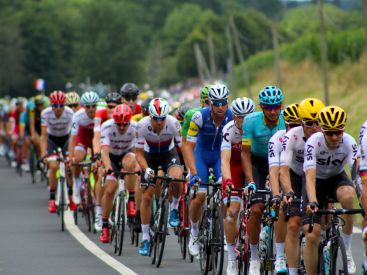
It's the return of the Grande Boucle! This July, from the 4th to the 26th, sports fans are glued to the Tour de France, the traditional summer showcase. This event, which blends cycling and heritage, operates under a set of very precise rules that can feel opaque to newcomers. For example, do you know what the different leaders’ jerseys signify, what it takes to win them, and the advantages they confer? Here's a quick recap to help you follow the Tour de France 2026.
Tour de France 2026: all the news and information you need to know about the Grande Boucle
The 2026 Tour de France will start in Barcelona on July 4 and finish on July 26, with an exceptional route. This 113th edition will cross five mountain ranges, including a double ascent of Alpe d'Huez, before finishing on the Champs-Élysées in Paris. Here's a quick overview of the information and news you need to know about the race! [Read more]
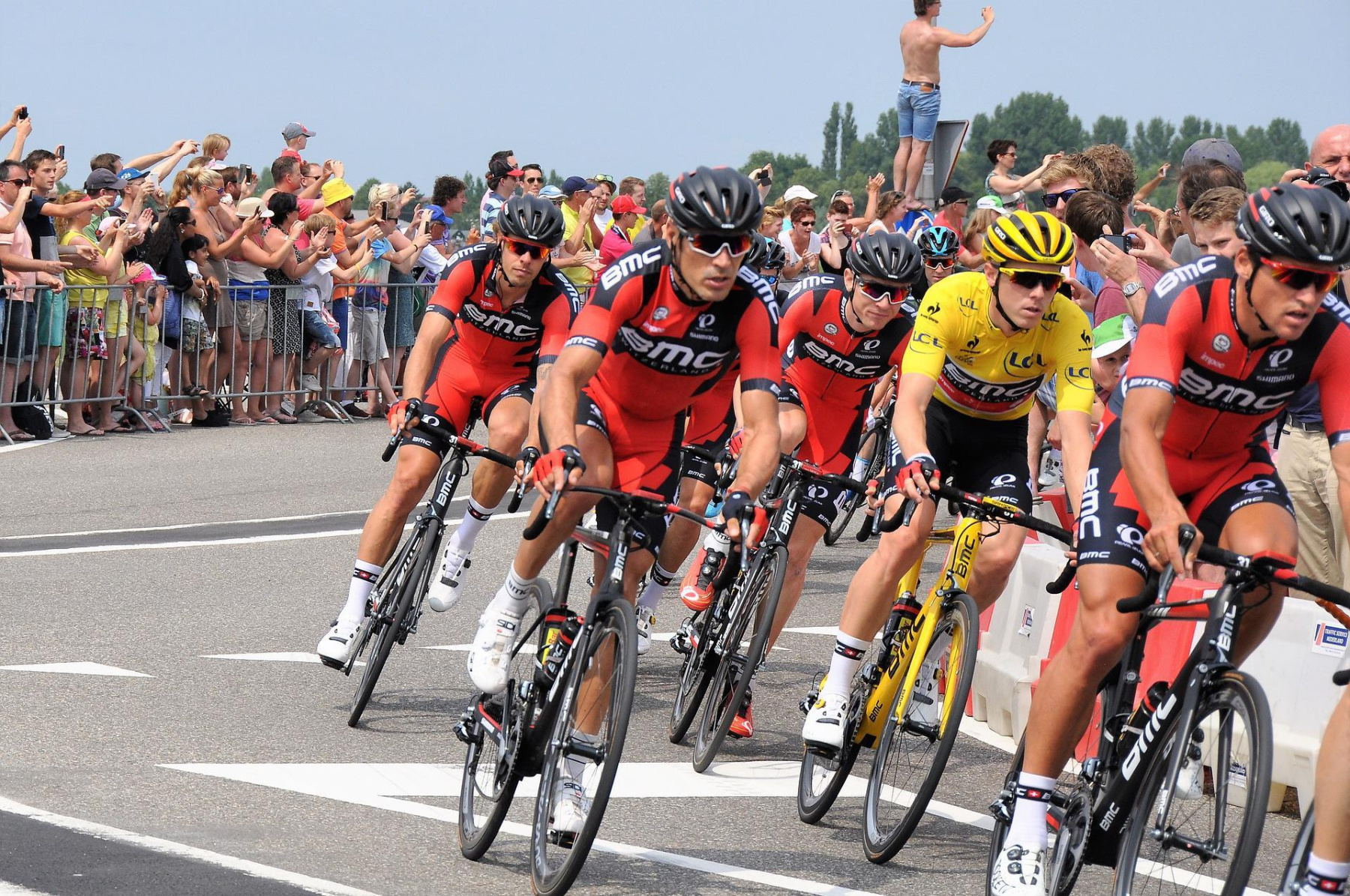
Runners wear their daily kit—the jersey that bears their team name and sponsors. But some athletes sport special jerseys that stand out from the rest and are highly coveted by all their rivals on the circuit.
These jerseys symbolize different victories and skills, and help spotlight the riders who stood out most on the Tour. A single rider can wear more than one jersey: you can win the yellow jersey, the white jersey, and the polka-dot jersey!
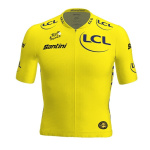
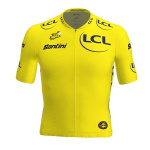
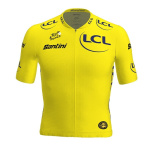
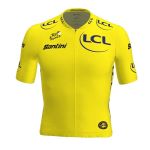 The yellow jersey
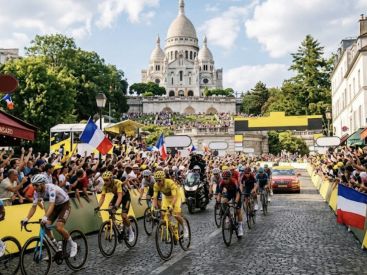
It's the Grail, the ultimate goal for every rider taking part in the Tour de France: the yellow jersey is awarded at the end of each stage to the leader of the individual general classification by time. After the final arrival on the Champs-Élysées, the yellow jersey is worn by the winner of the competition. Symbol of excellence, prestige and victory, the Yellow Jersey only grants its favors to a rider who is complete, at ease on flat terrain, in the mountains and in time trials, explains the Tour de France site. This yellow jersey is therefore synonymous with victory!
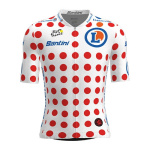
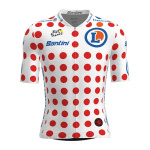
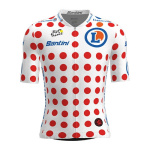
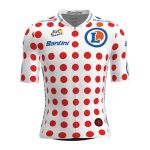 The polka-dot jersey
This jersey isn’t handed out to just anyone: to earn it you need exceptional endurance and remarkable physical strength! The polka-dot jersey honors the leader of the King of the Mountains standings, so it’s deeply tied to mountain stages. For a bit of history, “the polka-dot jersey first appeared in 1975, the same year the Tour reached the Champs-Élysées for the first time, a Tour won by Bernard Thévenet. Its colour comes from the jersey of a rider, Henri Lemoine, who raced on the track from the 1930s to the 1950s and whom Félix Lévitan, co-director of the Tour with Jacques Goddet, had particularly noticed. ”
 The green jersey
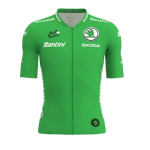
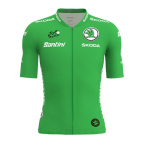
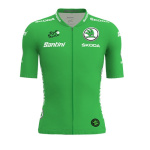
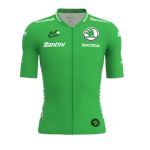
This bright green jersey is awarded to the best sprinter. More formally, it honors at each stage the leader of the points classification. Points are earned at each stage finish, and at the intermediate sprints along the route. This jersey was created in 1953, for the Tour de France’s 50th anniversary. “Its color comes from its first sponsor, La Belle Jardinière, a clothing chain. It goes without saying that sprinters are typically the ones who claim this symbol of explosiveness, enthusiasm, and speed. Just look at the list of winners to be convinced, notably the Slovak Peter Sagan, who seized the green jersey seven times,” notes the official Tour site.
 The white jersey
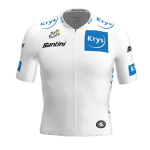
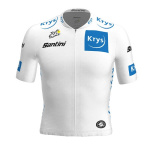
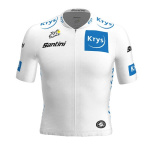
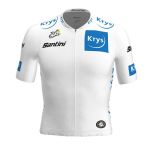
This jersey is dedicated to the young hopefuls of cycling, the talents who emerge on the Tour de France. The white jersey highlights the rider aged 25 or under who achieves the best combined classification that blends the time, points and mountains classifications. Often, these young athletes spotted on the Tour go on to very strong careers in cycling, piling up victories at major events. This jersey came into existence in 1968, but it would be until 1975 that it would reward the future and the youth of the Tour peloton by identifying the leader of the young rider standings.
The riders from the teams lining up at the start of this Tour 2026 will therefore be competing for these jerseys at every stage, hoping that their efforts will allow them to climb to the top of the podium on Sunday, July 26, after the finish on the Champs-Elysées.
Top-tier sport awaits us again this year!







 Tour de France 2026: all the news and information you need to know about the Grande Boucle