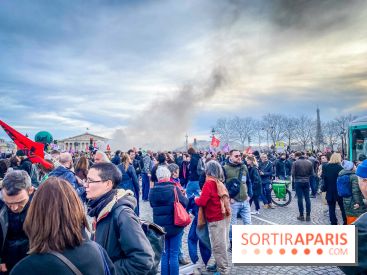
Strikes are such an integral part of French social life that they often arouse astonishment and even fascination abroad.
To understand why and how strikes have become so deeply rooted in French culture, we need to go back a long way in history, and look at the important role played by trade unions, the French relationship with the State and work, and France's very specific legal framework.
France's attachment to the strike has its roots in the great social movements of the 19th century, notably the Industrial Revolution and the first workers' struggles. The strike was legalized in 1864 by the Ollivier law under Napoleon III, making it a legitimate tool for making demands from the outset.
It then became a constitutional right in the preamble to the 1946 Constitution, which was taken up again in the 1958 Constitution. Since then, strikes have been considered a fundamental right in France.
In France, the revolutionary tradition (1789, 1830, 1848, May 1968...) nurtures a political culture in which popular protest plays a driving role insocial change. Demonstrations, strikes and occupations are all seen as a way ofexisting in the public arena.
Where other countries prefer negotiation or compromise, the French often resort todirect action to make their voice heard.
Although the unionization rate in France is relatively low (around 10% of employees), trade unions play a central role in social life. They have a strong presence in large public-sector companies, and are often the driving force behind the most visible strikes.
Their power lies not so much in membership numbers as in their ability to mobilize and block key sectors, notably transport.
French labor law strictly regulates strikes, protecting striking employees against sanctions or unfair dismissal. This legal framework guarantees a degree of stability and encourages people to strike as a last resort, without fear of unduly severe repercussions.
This legal certainty reinforces the use of strikes as a pressure tool.
In France, work isn't just an economic activity: it's a space for social and even existential demands. There's also a very strong relationship with the state, seen as both protective and responsible.
When it reforms, particularly in the areas of healthcare, pensions or education, mobilizations are quickly organized, as these sectors touch on fundamental values of solidarity.
Finally, strikes in France are not always limited to wage demands. It often takes the form of broader social movements, such as strikes against pension reform or those of the Gilets jaunes.
It's a lever for collective expression against political choices, a means of alerting people to a deep-seated malaise or perceived inequalities.
Deeply rooted in French culture thanks to a strong historical heritage, a political tradition of contestation, a favorable legal framework and a society where work is a major social issue, the strike is a way of saying no, debating and fighting for one's rights.
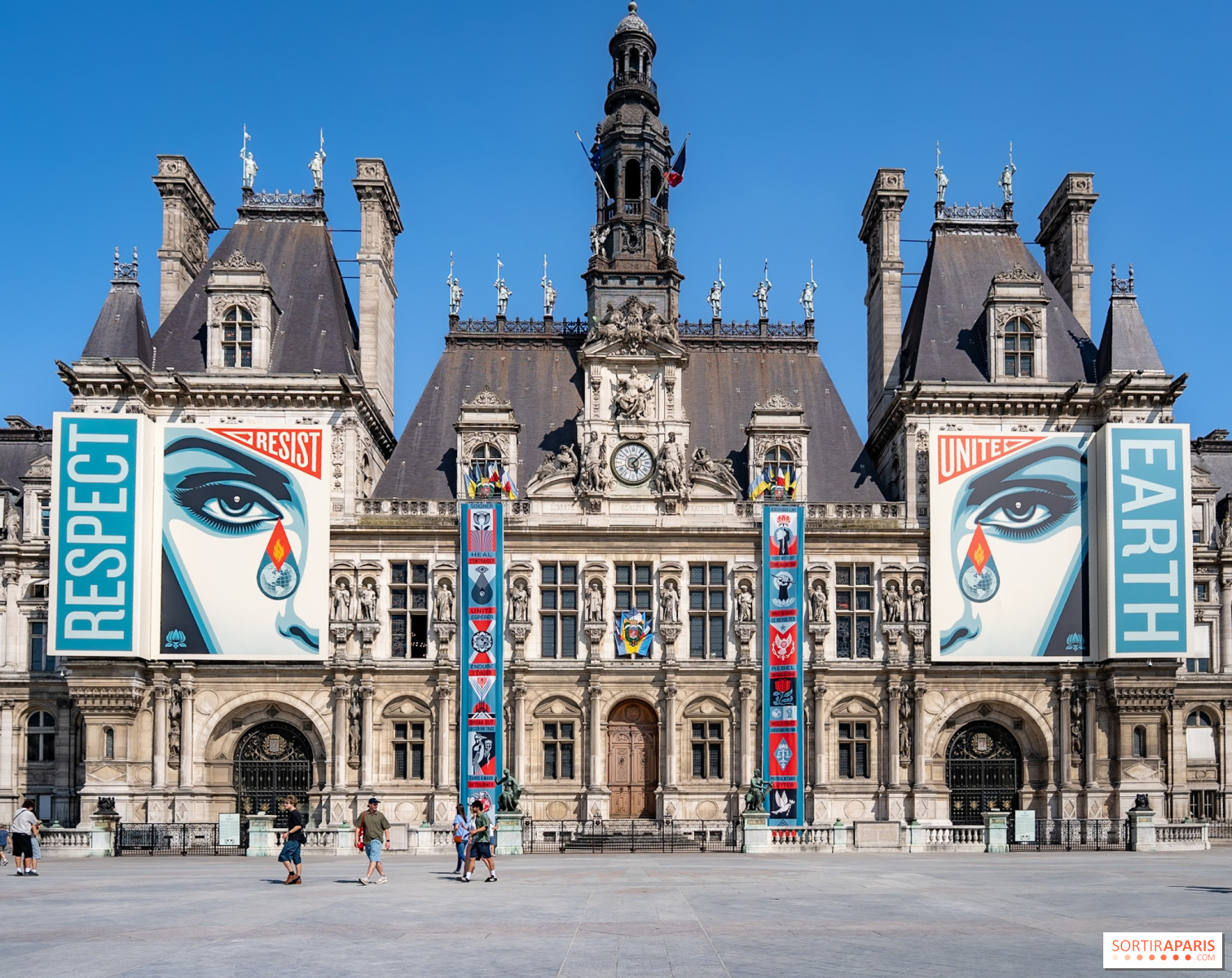
Did you know? The expression "faire la grève" ("go on strike") originated in Paris... in front of the Hôtel de Ville.
Did you know? The expression "faire la grève" (to go on strike) originated in Paris, on what is now the Place de l'Hôtel de Ville. Before evoking a demand, it referred to an open-air quest for work by unemployed workers. Discover the astonishing history of this phrase that has become part of everyday language. [Read more]
This page may contain AI-assisted elements, more information here.







 Did you know? The expression "faire la grève" ("go on strike") originated in Paris... in front of the Hôtel de Ville.