Paris is both setting and actor inZola's work: its streets, working-class neighborhoods and Haussmann transformations are all scenes in which Parisian life unfolds. ButEmile Zola 's presence in the city can be seen not only in his novels, but also in the stones and plaques dedicated to him by the capital.
Places where he lived, addresses that have disappeared, public tributes: discover a Zola who was as intimate as he was committed, in touch with the city and its contrasts.
A leader of naturalism, Émile Zola is acommitted writer. Author of Les Rougon-Macquart, he scrutinized the social, hereditary and political mechanisms that ran through the society of his time. His role in theDreyfus affair, with his famous"J'accuse!", remains a model of public intervention.
Settling in Paris, where he worked with leading newspapers and surrounded himself with Impressionist painters, Zola shaped a body of work that was literary, journalistic and political, always in the service of truth.
10 rue Saint-Joseph (2ᵉ arr.). Émile Zola was born here on April 2, 1840, where the original building still stands. After the death of his father, the family suffered hardship and Zola returned to Paris alone in the late 1850s to make his literary debut.
The Latin Quarter (5ᵉ arr.). He successively lived in various apartments around Montagne Sainte-Geneviève: rue Soufflot, rue Saint-Jacques, rue Monsieur-le-Prince and rue de l'École de Médecine. These were all places in the Latin Quarter where he grew intellectually.
21 rue de Bruxelles (9ᵉ arr.). Zola's last Parisian residence was a former mansion dating from 1849. It was in this apartment that Zola lived from 1889 until his death in 1902, most likely the victim of carbon monoxide poisoning due to a blocked chimney.
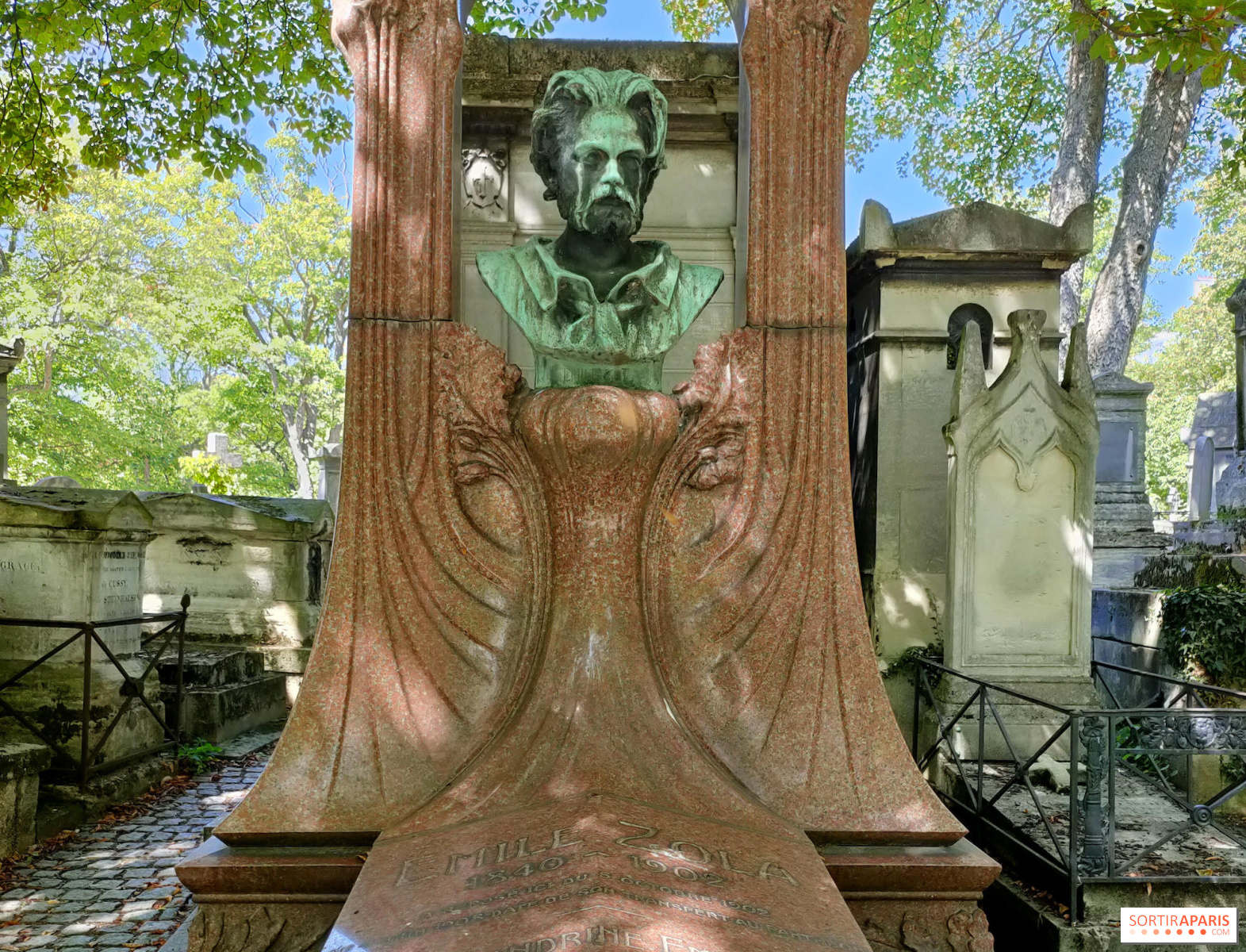
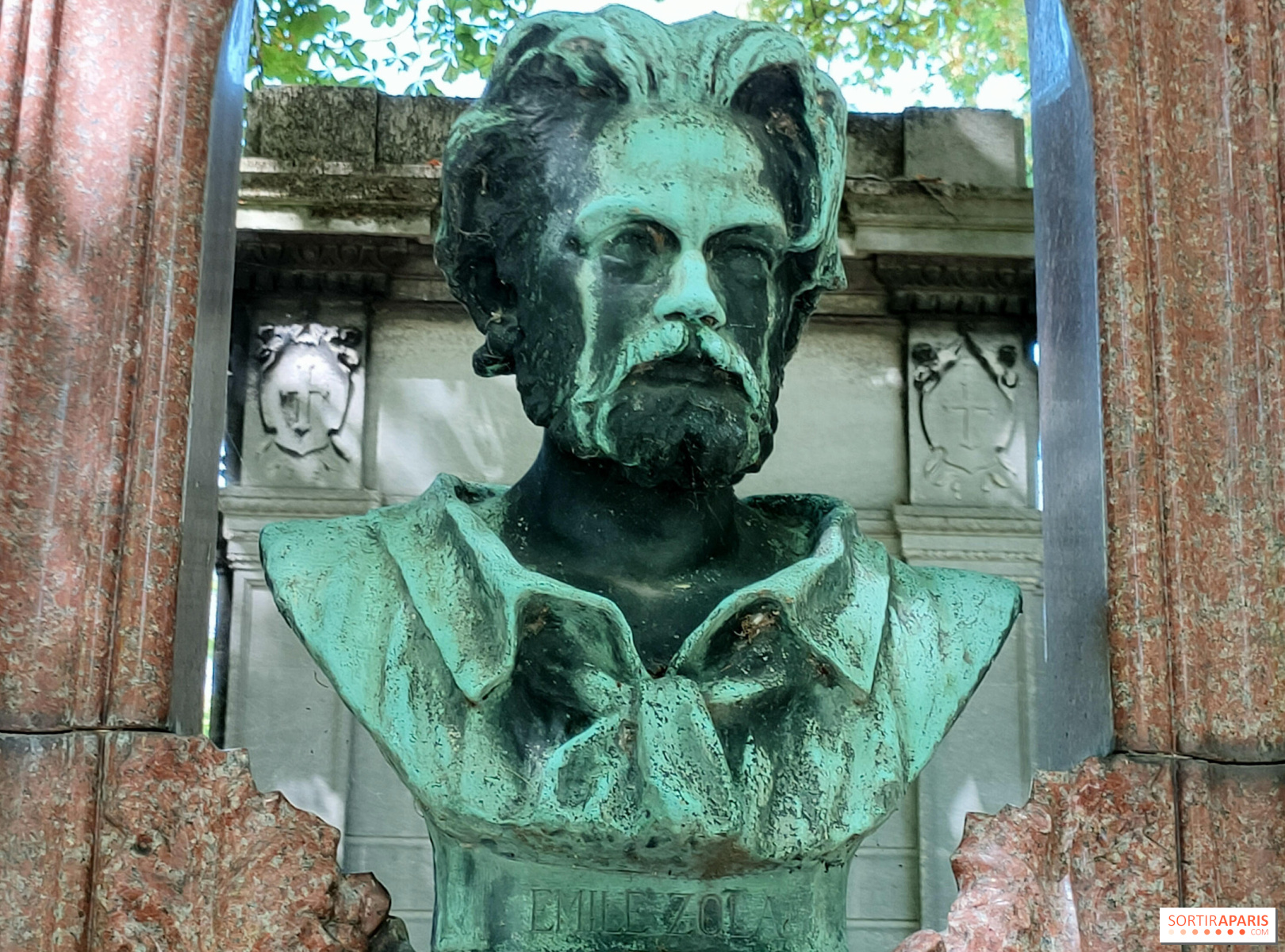
Montmartre cemetery (18ᵉ arr.). He is buried in the Montmartre cemetery, in division 30. Subsequently, his work and commitment led to his pantheonization in 1908.
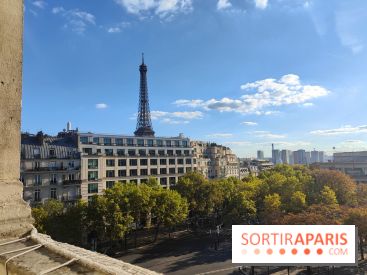
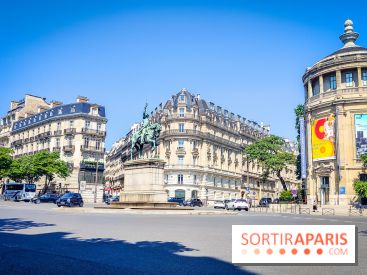
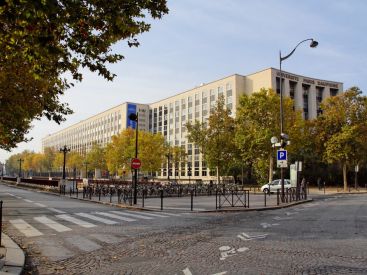
Avenue Émile-Zola (15ᵉ arr.). This avenue, which has borne his name since 1907, is lined with buildings from the early 20ᵉ century and leads to the Javel district. In the center of this avenue stood a statue of Zola inaugurated in 1924, but this was melted down during the Occupation. A commemorative stele was installed in its place in 1985.
Place Alfred-Dreyfus (15ᵉ arr.). Although this place is dedicated to Dreyfus, it is also linked to Zola by the inscription on a stele of quotations from J'accuse, recalling the author's involvement in this affair.
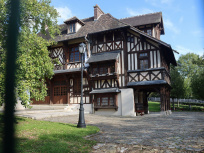
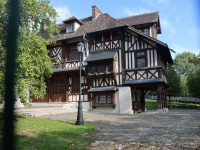
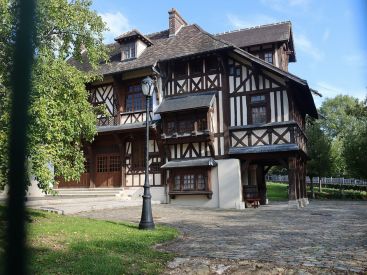
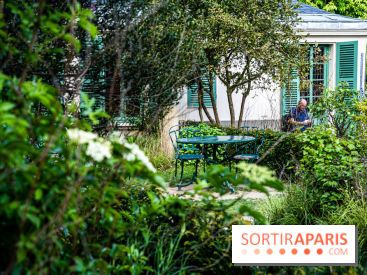
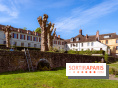
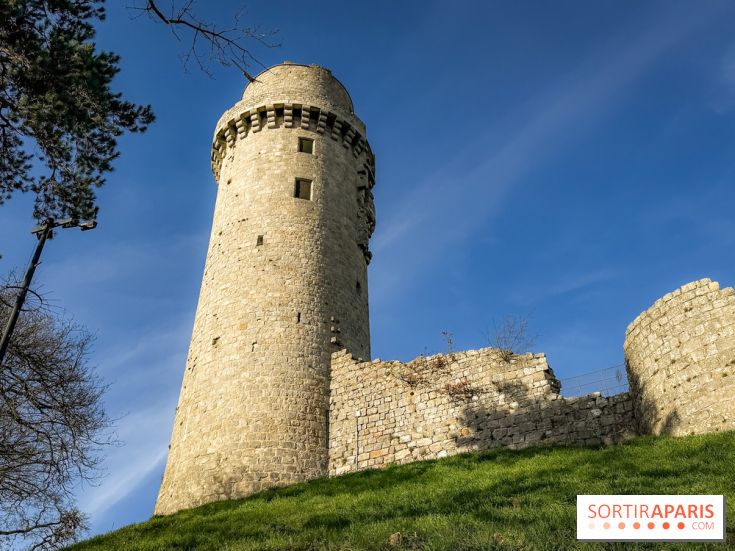
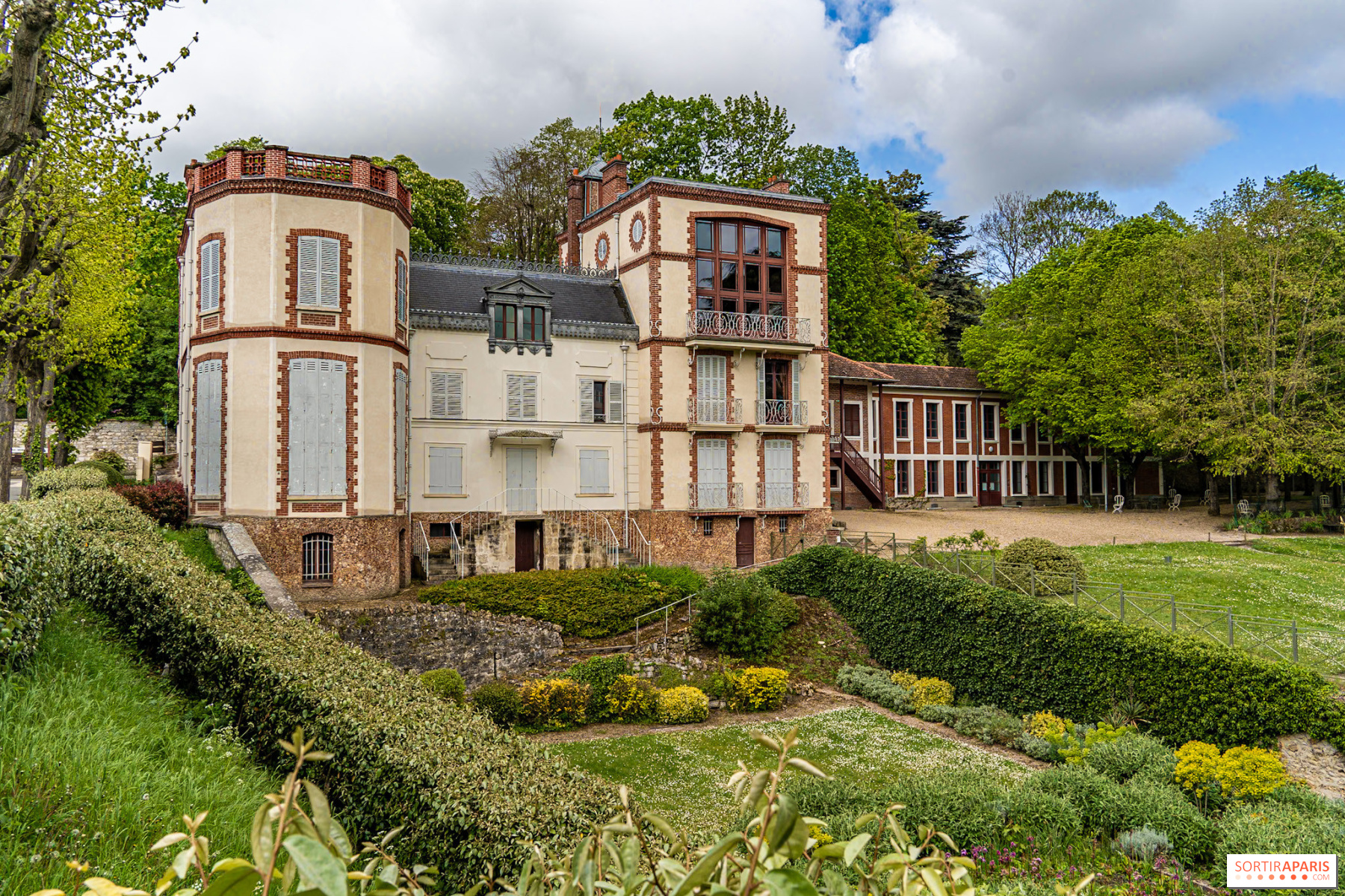
The Maison Zola-Musée Dreyfus (Yvelines). Located in Médan, Zola lived here for 24 years and wrote some of his major novels(Nana, Germinal, La Bête humaine). The house has been restored and reconstructed - the interiors, the roof with its balustrade known as the "Germinal Tower", the annexes and the work spaces. In the same building, an area is dedicated to the Dreyfus affair.
Parisian settings in Emile Zola's books. Zola's novels are constantly inspired by Paris. In L'Assommoir, the plot unfolds in the working-class neighborhoods around rue de la Goutte-d'Or, depicting a cramped, densely-packed working-class Paris, where misery rubs shoulders with toil. In Le Bonheur des Dames, he depicts Parisian department stores as temples of consumerism and symbolic spaces of the Second Empire. In La Curée, he criticizes the Haussmann transformations, showing the remodeled, sometimes grotesque city as a character in its own right. Les Halles, the Palais de la Bourse, the Louvre, the Grands Boulevards after the urban breakthroughs... In his novels, Paris is at once setting, subject and stake.



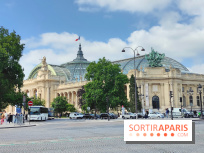
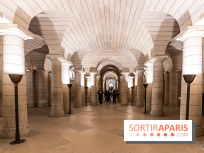
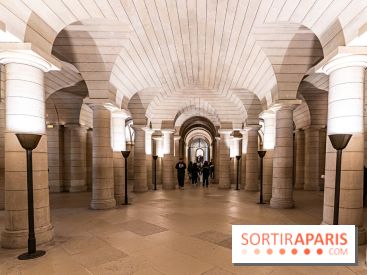
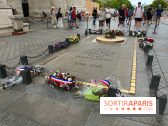
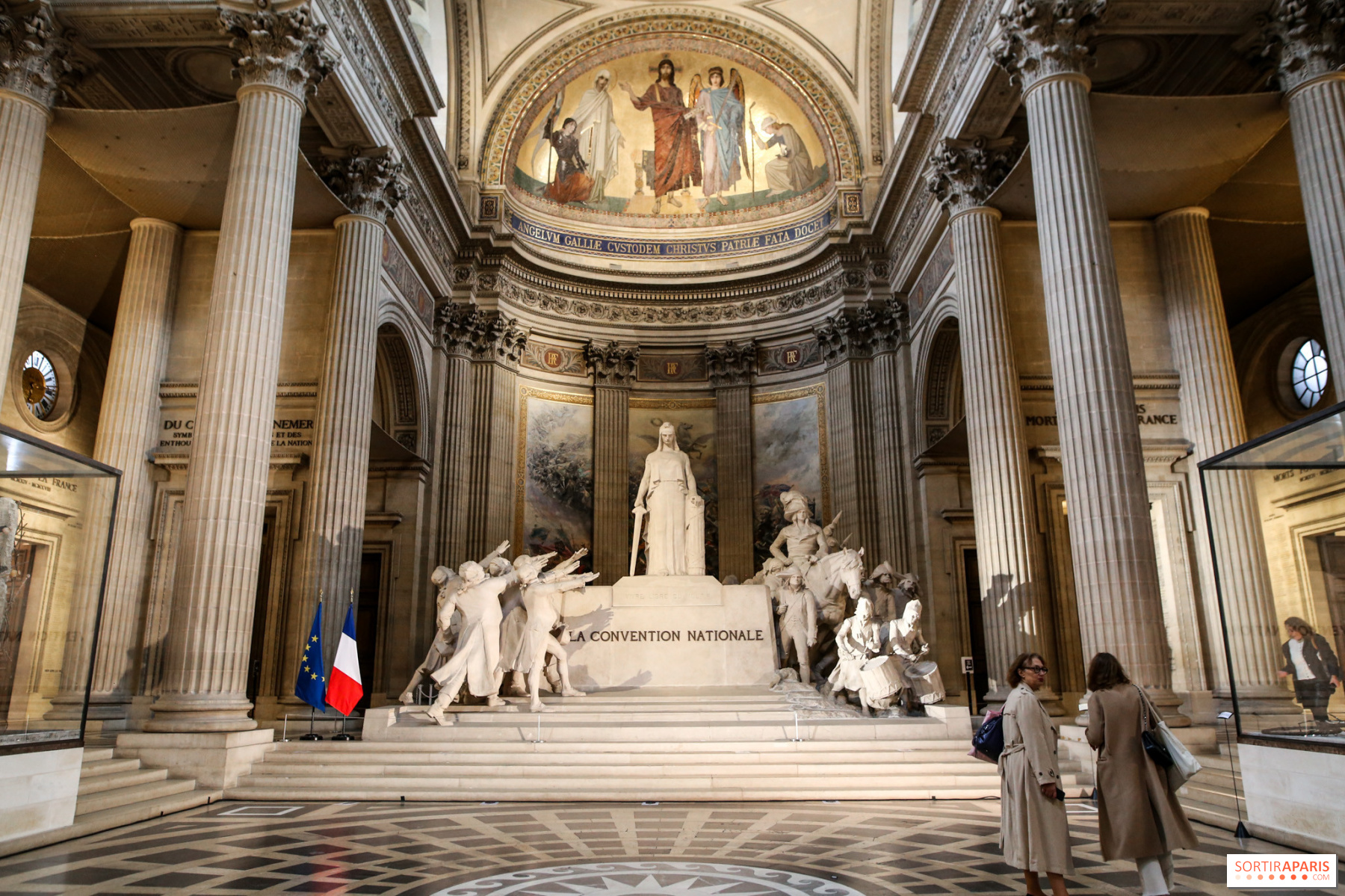
 The Pantheon in Paris: prices, opening hours, tour and history of this emblematic monument
The Paris Pantheon, an emblematic monument in the heart of the capital, reveals the history of France's great personalities. Originally a church dedicated to Sainte Geneviève, the Panthéon is open all year round, giving you the chance to discover its rich heritage and architectural secrets. [Read more]
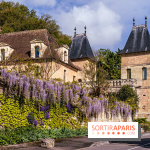
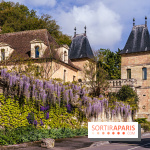
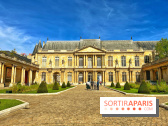
 The charming village of Médan in the Yvelines, its castle and its treasures
Nestled in a loop of the Seine just 30 minutes from Paris, the village of Médan offers a wonderful escape into time and history. Once the property of the Abbey of Saint-Germain-des-Prés in the Middle Ages, it now boasts a number of cultural treasures, including its famous 16th-century château and the home of the illustrious Émile Zola. We take you on a voyage of discovery. [Read more]
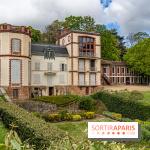
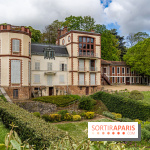
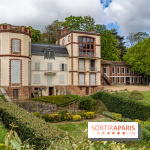
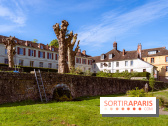
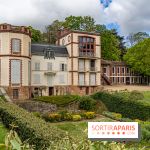 The Maison Zola, the Dreyfus Museum in Médan, Yvelines
In the heart of the Yvelines region, the Musée Dreyfus, in the grounds of the Maison d'Émile Zola, stands as a place steeped in literary and judicial history. Located in Médan, just an hour's drive from Paris, this historic house and museum is a must-see for anyone interested in the life and work of Émile Zola, as well as the Dreyfus Affair, two major elements of late 19th-century French culture. [Read more]
A stroll through Montmartre Cemetery
The Cimetière de Montmartre is the final resting place of François Truffaut, Jeanne Moreau, Michel Berger, France Gall, Dalida and Emile Zola. It's a refreshing must-see in the Montmartre district. [Read more]
Location
Paris Pantheon
Place du Panthéon
75005 Paris 5
Access
Metro: Luxembourg / Cardinal Lemoine / Maubert Mutualité




 A stroll through Montmartre Cemetery