The Parismetro conceals many mysteries, which we discover today through these unusual and fascinating anecdotes. Ghost stations, emblematic tiling, Art Nouveau and film shoots all mingle in the capital's underground passages. Between lines 1, 3bis and 7bis, these secrets reveal an unsuspected heritage that fascinates Parisians and tourists from all over the world alike.
For over a century, we've been using the Paris metro without knowing its best-kept secrets. Inaugurated on July 19, 1900, this revolutionary transport network hides treasures of history in its 303 stations and 226 km of galleries. From ghost stations toHector Guimard's creations, let's discover 10 anecdotes and stories that turn every journey into a cultural adventure.
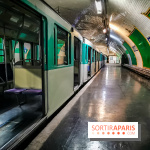
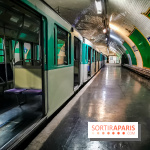
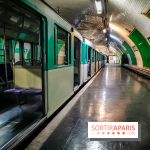 Did you know? A ghost station serves as a film set
The Porte des Lilas-Cinéma station is one of the world's most popular film sets. This ghostly station, closed to the public since 1939, hosts around 5 or 6 feature films every year. Amélie Poulain, John Wick and Les Femmes de l'ombre have all been filmed here. RATP rents out this customizable station for between €15,000 and €18,000 a day, generating nearly €200,000 in annual sales. The advantage? Crews can completely modify the set, change the advertising posters and even use vintage trains to suit the needs of the script. [Read more]
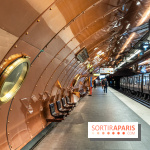

 Did you know? Jules Verne's submarine exists underground
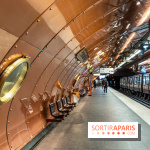
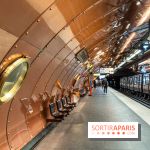
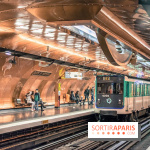
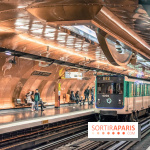
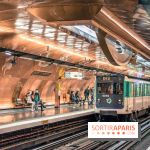
The Arts et Métiers station on lines 3 and 11 plunges us into the world of Jules Verne's Nautilus. In 1994, to celebrate the bicentenary of the Conservatoire National des Arts et Métiers, Belgian artist François Schuiten transformed the station into a real submarine. Riveted copper plates, brass portholes, ceiling gears and wooden seats create a unique retro-futuristic atmosphere. The portholes reveal models of historic inventions, paying homage to the Musée des Arts et Métiers. The renovation is inspired by 'Twenty Thousand Leagues Under the Sea', transforming every passage into an extraordinary voyage. [Read more]
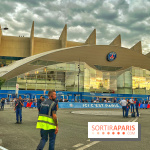
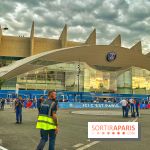 Did you know? A secret station hides beneath the Parc des Princes
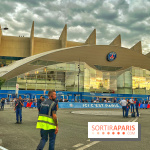
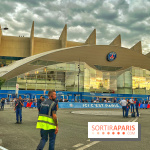
Beneath the Parc des Princes lies a little-known ghost station: Porte Molitor. Built in 1923 on lines 9 and 10, this station was intended to facilitate access to the stadium during Paris-Saint-Germain matches. However, when the Parc des Princes was expanded in 1932 and its capacity doubled, the station proved too small to handle the crowds. For safety reasons, it was never opened to the public, nor were there any subway entrances. Today, it serves as a siding for the Auteuil loop. [Read more]
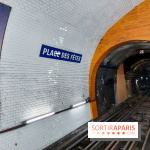
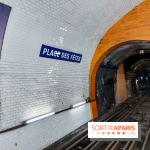
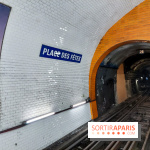
 Did you know? This station hides a World War II bunker.
The Place des Fêtes station on lines 7bis and 11 hides a wartime secret. Built in 1935, it was originally designed as an air-raid shelter to protect the civilian population from bombardment. Located 27 meters underground in a densely populated working-class district, it features airtight doors, a filter chamber to purify the outside air, and swing doors in the corridors. Its impressive 256-step escalator is the largest in the RATP network. At the time, the press described it as 'the biggest and safest shelter in the world'. Maison Blanche station shared this defensive function. [Read more]

 Did you know? Lost items include funerary urns and alligator skulls.
Every day, over 1,300 items are lost in the Paris metro. Among the most unusual finds: a full funeral urn, a wedding dress, a pair of skis, a bagpipe and even an alligator skull! Not to mention the many dentures left on the seats. These objects reveal the surprising diversity of the passengers who use this network, which carries over 5 million people a day. [Read more]
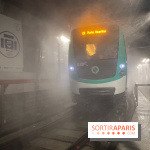
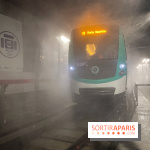
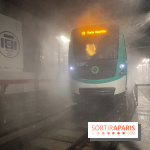
 Did you know? There's a subway washing machine in the Paris underground.
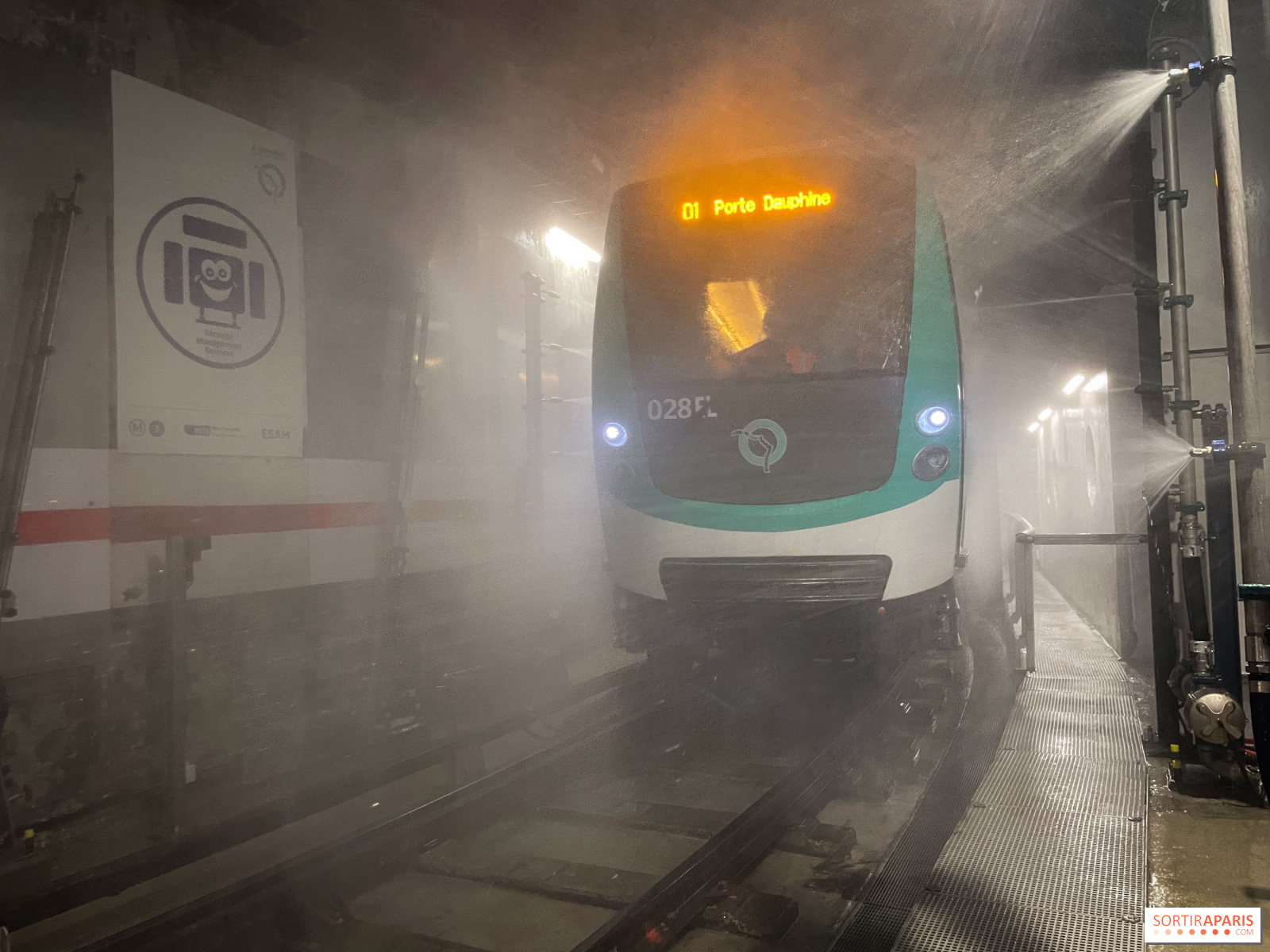
Have you ever seen a metro being washed? Under our feet, between Nation and the maintenance workshops on line 2, our trains are regularly sprayed to keep them clean! [Read more]
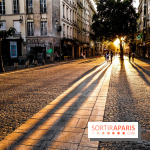
 Did you know? Châtelet makes you lose on purpose
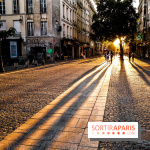
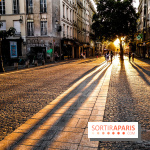
Châtelet-Les Halles holds the record for the world's largest metro station. If the pillars and displays make you get lost, it's deliberate! The station's complex layout is designed to prevent large crowds from moving from one entrance to the next. The station handles some 1,500 trains a day, and is a veritable underground crossroads for 5 metro lines and 3 RER lines. [Read more]
Did you know? White tiles were a technological revolution
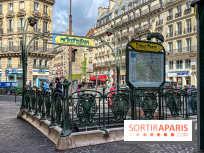
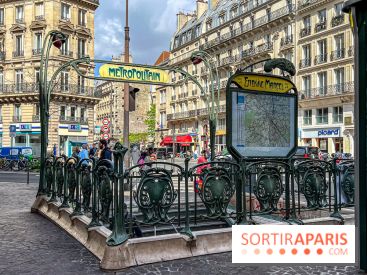
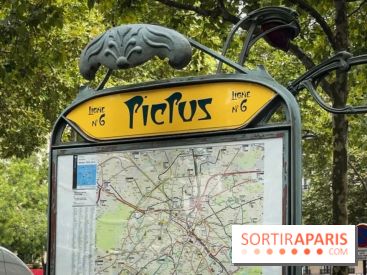
The metro's famous white tiles weren't chosen at random. Art Nouveau architect Hector Guimard designed the beveled tiles to reflect light. At the time, lighting was limited to a 15-watt bulb every 5 meters. Boulenger, a Paris-based company specializing in ceramics, carried out this huge project. This 'metro tile' has become so emblematic that it now adorns bars, restaurants and bathrooms the world over. [Read more]
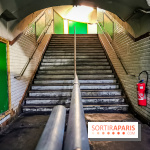
 Did you know? There are a dozen ghost stations in Paris. Do you know them?
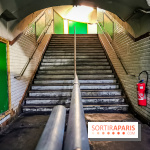
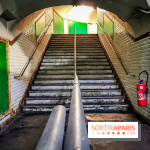
While many Parisians take the metro every day, few know that the capital is home to a dozen ghost stations. Stations that were operated and then finally abandoned, or stations that were never opened... what are these ghost stations and where are they located in Paris? We tell you all about them. [Read more]
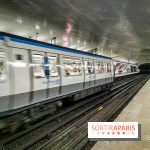


 Did you know? Metro and RER trains run in opposite directions for historical reasons
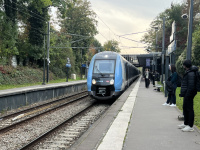
Why don't the metro and RER run in the same direction? This curiosity has its origins in the history of European railroads. RER trains always arrive on the right-hand side of the platform, as they run on the left-hand track, following the British railway tradition imported to France in the 1830s. The metro, on the other hand, arrives on the left-hand side of the platform, as Paris wanted to distinguish itself from the traditional railway system in 1900. The City of Paris deliberately created small-scale rolling stock running on the right-hand side to prevent the railways from mixing their tracks with the Paris metro. [Read more]