Cooking is not just a matter of taste or technique, it is also a history, a heritage, a fertile groundfor anecdotes that say a lot about the times, habits, influences... and the whims of the great names who shaped it. Want to discover facts that are sometimes little-known, often unusual, and always fascinating?
Why do we say "brigade" in the kitchen? What exactly is a MOF? Is the croissant really French? How can you tell the difference between a bistro, a brasserie, and a bouillon? Why do we celebrate the arrival of Beaujolais Nouveau? What is the story behind the Oreiller de la Belle Aurore? These are all questions we have asked ourselves without necessarily taking the time to look for the answers.
These stories, big and small, will take you on a journey from Versailles to modern kitchens, from royal palaces to everyday dining tables. They show how closely cuisine is linked to culture, power, technology... and even regional disputes!
Whether you're a foodie, just curious, or a fan of culinary trivia, take a seat and let yourself be surprised by the (sometimes juicy) secretsof culinary history through these historical and sometimes unusual anecdotes!



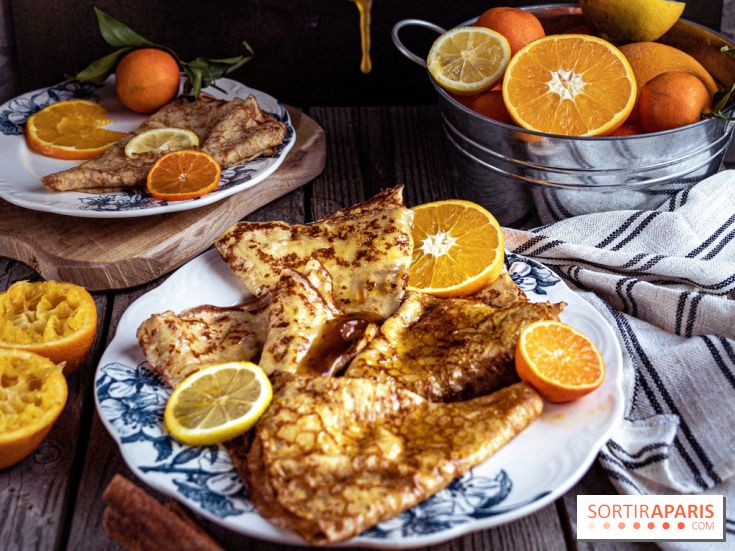
 Why do we eat crêpes on Candlemas 2026, February 2nd? History and origins
The tradition at Candlemas is to enjoy crêpes. But do you know exactly why? And are you familiar with the story and origins of this festival, celebrated every year on February 2nd? [Read more]



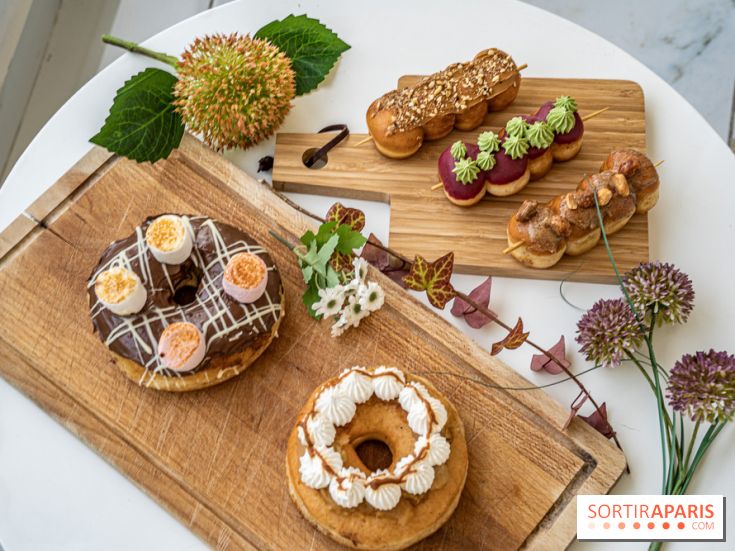
 What’s on the menu for Mardi Gras 2026? A look at traditional donuts across France's regions
It would be fair to say that the number of recipes and names for these sweet treats matches the variety of regions across France. So, let's take a quick tour of the different types of beignets in France, just in time for Mardi Gras 2026 on February 17th! [Read more]
 Why is Mardi Gras 2026 celebrated? History and origins
Mardi Gras falls this year on February 17, 2026. But what exactly are we celebrating on that day? Why does it always happen on a Tuesday, and not another day of the week? And what’s the story behind dressing up for Mardi Gras? [Read more]


 What do we eat for the Berber New Year, Yennayer 2026? Traditional Amazigh delicacies
What exactly do people eat to celebrate the Berber New Year? Explore the traditional Amazigh delicacies prepared and savored during Yennayer, on January 12, 2026. [Read more]
 What are the traditional dishes for Orthodox New Year 2026? Classic Slavic specialties
A quick overview, just in time for Orthodox New Year 2026, of traditional Slavic delicacies enjoyed with family before welcoming the new year with open arms on January 14th. [Read more]



 What’s on the menu for the 2026 Lunar New Year? Traditional Asian pastries
On the occasion of the Lunar New Year, explore a variety of traditional sweet treats and discover Paris's best bakeries and tea salons where you can indulge and purchase these festive delights! [Read more]



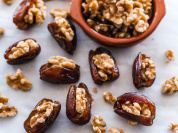
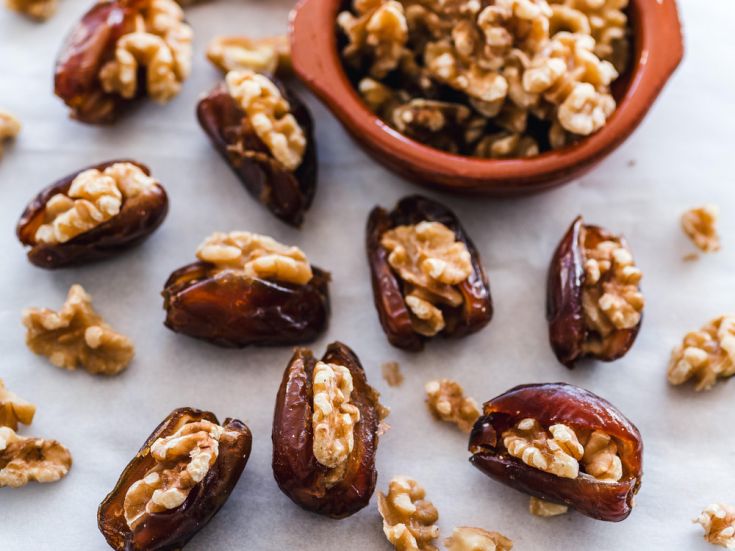
 What are the traditional dishes for Ramadan 2026? The classic specialties of iftar
Ramadan marks the holy month of fasting in the Muslim faith. As the fast is broken at sunset during the 'ftour' (or iftar), tables are often adorned with traditional dishes and sweet treats. Why not take this opportunity to explore these authentic specialties and discover the best spots to enjoy them right here in Paris?
[Read more]



 Croissants and pain au chocolat: two pastries that aren't so French after all! History and origin
They sit side by side in every bakery window: croissants and pains au chocolat are part of everyday life in France. But were they really invented in France? Let's take a look back at the history of these iconic pastries. [Read more]



 Why do chefs wear toques? The history of the headwear that became a French symbol
Why do chefs wear white chef's hats? Behind this iconic headwear lies an ancient history combining religion, monarchy, hygiene, and culinary prestige. Let's take a look back at the origins of a powerful symbol of French cuisine. [Read more]
 What is the difference between a bistro, a brasserie, a gourmet restaurant, and a bouillon?
Do you know the similarities and differences between a bistro, a brasserie, a gourmet restaurant, and a bouillon? We'll give you the answers! [Read more]

 Where does the word "gastronomy" come from? The origin, meaning, and evolution of a delicious term.
Today, the word "gastronomy" is synonymous with refined cuisine, expertise, and the culture of taste. But where does this term come from? Who invented it? And what does it really mean? Let's take a look back at the history of this iconic word. [Read more]
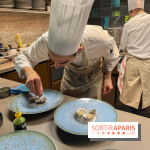
 Where does the term "brigade" in cooking come from? The history of a hierarchical system
In the world of gastronomy, the term "brigade" refers to the hierarchical and structured organization of a professional kitchen. But where does this almost military expression come from, and why do so many restaurants use it? [Read more]



 What is a MOF? Everything you need to know about the title of Meilleur Ouvrier de France
In the world of cuisine, as in many other professions, the title of Meilleur Ouvrier de France (MOF) represents the ultimate in excellence. But what does this distinction really entail? [Read more]



 History of French pastries: everything you need to know about the Yule log, the star of Christmas Eve celebrations
With chestnuts, chocolate, fruit, ice cream or rolled, small or large: the Yule log is the ultimate holiday dessert! But where does it come from, and what is its history? Let us tell you. [Read more]

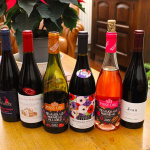
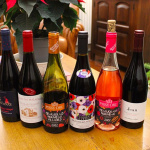
 Why do we celebrate the arrival of Beaujolais nouveau? History and origins of this French festival
Every year, on the third Thursday in November, Beaujolais Nouveau arrives in bars and restaurants. But do you know the origins of this French celebration? [Read more]
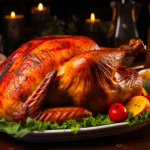
 What's for Thanksgiving 2025? Traditional American specialities
Let's eat! Discover the traditional American specialties you'll be enjoying at Thanksgiving 2025, on November 27! [Read more]
 The Paris region through its terroir : Discover the culinary specialties of Île-de-France
You think you know the Paris region like the back of your hand, but how well do you know its terroir? Don't delay in discovering the culinary specialties of Île-de-France! [Read more]



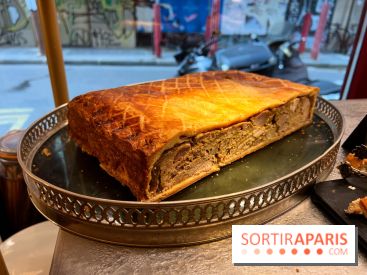
 Where can you eat a slice of Oreiller de la Belle Aurore in Paris? The history of this fabulous pâté en croûte
The mythical Pâté en Croûte and totemic figure of French cuisine, the Oreiller de la Belle Aurore is a little marvel... weighing up to 30kg! Discover the story behind this legendary recipe, and find out where to eat a slice in Paris. [Read more]
 What's for Día de Muertos 2025? Traditional Mexican specialties
Discover the traditional Mexican specialities that are customary for Día de Muertos 2025! [Read more]
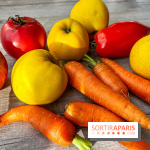
 Did you know? You can glean and collect fruit and vegetables for free in Ile-de-France.
In Île-de-France, it's possible to collect fruit and vegetables free of charge thanks to an age-old practice: gleaning. Once reserved for the most needy, gleaning has been given a new lease of life, attracting a varied public concerned with reducing food waste. We tell you how. [Read more]



 Did you know? You can walk on rails in Bercy Village, a vestige of the winegrowing past.
There's more to Bercy Village than shopping... If you look down, you'll still discover rails embedded in the cobblestones, remnants that tell another story of the neighborhood: that of an immense wine center that made Paris the world capital of the wine trade in the XIXᵉ century. [Read more]



 Did you know? Why is the glacier station called that?
Have you ever wondered where the names of certain metro stations come from? On line 6, Glacière station is one of those that intrigues. What's ice got to do with a station in the 13ᵉ arrondissement? Here's a look at a slightly frosty story. [Read more]
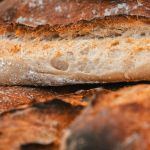 Are you familiar with the "Bread Decree", the law that governs the art of the baguette in France?
In France, we love baguettes, but do you know how? To make sure it's well made, there are codes, and even a law: the Décret Pain. We tell you all about it. [Read more]



 Did you know? The surprising story behind the iconic round shape of the champagne glass
The champagne glass has a much more surprising history than you might think. Behind its rounded curves lies a legend intimately linked to an emblematic royal figure in French history... [Read more]



 Boulevardier, Bloody Mary, Mimosa, French75, Blue Lagoon: cocktails invented in Paris
Legendary creations from Harry's New York Bar and the Ritz Bar in Paris, discover the origins, mythical recipes and anecdotes of the cocktails that invented Paris: the Bloody Mary, the French 75, the Monkey Gland, the Boulevardier, the Mimosa and the Blue Lagoon. [Read more]
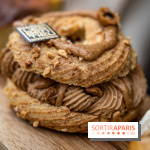
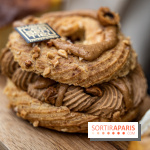
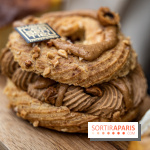
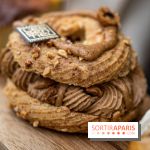 Do you know which Île-de-France town Paris-Brest comes from?
A gourmet creation par excellence, today the Paris-Brest can be found in most French bakeries and pastry shops. We tell you more about the history of this cake. [Read more]



 Did you know? Only one vestige of the former Halles de Paris remains in Nogent-sur-Marne.
The sole survivor of the twelve iron and glass pavilions designed by Victor Baltard to modernize the commercial heart of Paris, No. 8 now stands in Nogent-sur-Marne. A precious testimony to the industrial architecture of the Second Empire, it has been enjoying a second life since 1976. [Read more]
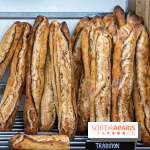
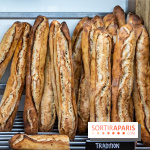
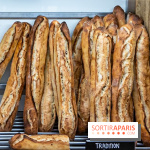
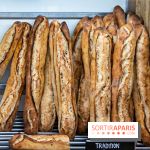 The baguette, the history of this Parisian bread that has become a French tradition and a national symbol
A timeless emblem of everyday life in France, the baguette was born in Paris in the early 20ᵉ century, shaped by history, craftsmanship and a few legends. Discover its origins, myths and rise to become a symbol in the eyes of the world. [Read more]



 Did you know? The Grande Halle de la Villette once housed a huge slaughterhouse.
Some of Paris's most famous landmarks hide their true identity... like the Grande Halle de la Villette. Now a welcoming exhibition center, it was once home to one of the world's largest slaughterhouses! [Read more]
 Brie de Meaux, Brie de Melun, Brie de Coulommiers: what are the differences between these cheeses from 77?
Brie de Meaux, Brie de Melun, Brie de Coulommiers: what are the differences between these three cheeses produced in Seine-et-Marne (77)? We tell you all about these treasures of the Ile-de-France region. [Read more]
 Did you know? Saffron is grown in the Brie region of Ile-de-France.
In recent years, saffron has made a comeback in the Brie region of Seine-et-Marne. Discover this delicate crop, its rare flavors and surprising anecdotes about the region. [Read more]



 Eggs mayonnaise, eggs mimosa... But what exactly is the difference?
Eggs mayonnaise or eggs mimosa, the hardest choice to make. But do you know the difference between these two famous bistro recipes, veritable totems of traditional French cuisine? [Read more]
 Guide Michelin: Are stars only awarded to gourmet restaurants?
Have you ever wondered whether Michelin stars are only awarded to gourmet restaurants? We've got the answer! [Read more]
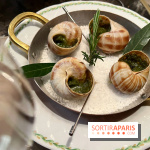
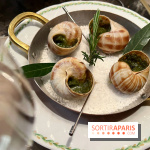
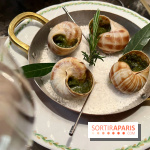
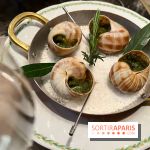 Why do we eat snails in France and how did they become a speciality?
Why do we eat snails in France? Discover the historical and cultural origins of this French gastronomic specialty, from prehistoric times to Burgundy, and learn why snails have become an emblematic holiday dish. [Read more]
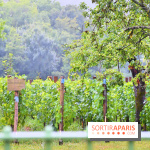
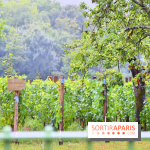
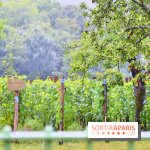
 Did you know? Île-de-France: once the world's largest vineyard!
Discover how vines, planted as far back as antiquity, made the Île-de-France the world's leading vineyard in the XVIIIᵉ century (over 40,000 ha), and explore the urban and rural vineyards that are resurrecting this prestigious tradition today. [Read more]



 Les poulets de la Commune: when the police squatted in a market... for poultry
During the Paris Commune in 1871, police officers were relocated to an old barracks built on a former poultry market. According to legend, this is how their nickname of "poulets" came about. While this anecdote may make you smile, it should be taken with a grain of salt... [Read more]



 Did you know? 5 unusual anecdotes about the Auberge Ravoux, Van Gogh's home in Auvers-sur-Oise
The Auberge Ravoux, a landmark in Auvers-sur-Oise, is best known for having been home to Vincent van Gogh's last days. But behind this reputation lie many surprising stories. Here are five more or less well-known anecdotes about this inn like no other! [Read more]



 Rabbits, flying bells and egg hunts: what are the origins of Easter symbols?
Flying bells, an Easter bunny and decorated eggs - these are the symbols that accompany the traditional Easter festivities. But where do these legends come from? We explain! [Read more]
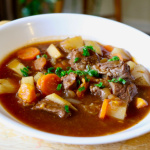
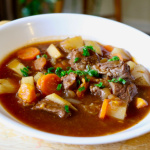
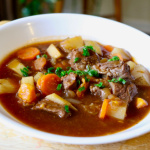
 What's for St. Patrick's Day 2025? Traditional Irish specialities
On March 17, it's time once again to celebrate St. Patrick's Day in the streets, pubs and restaurants of Paris. But just how well do you know the star dishes of Irish cuisine? Here's a quick rundown of traditional Irish specialities to whet your appetite! [Read more]



 Epiphany: What do we celebrate on this day and why do we eat a galette des rois on January 6?
After Christmas and New Year comes Epiphany. Officially celebrated each year on January 6, this day is the occasion to taste the famous galette des rois. As January 6 is not a public holiday, it's customary to start the festivities on the first Sunday of the month, which this year falls on Sunday, January 5, 2025. But do you know why? Do you also know the history and origins of Epiphany? We'll tell you. [Read more]



 What's for Diwali 2024? Traditional Indian specialities
What exactly do we eat for Diwali 2024? Discover the traditional specialities prepared and eaten during the great Indian and Hindu festival! [Read more]



 Did you know? Passage Jouffroy hides a gold ingot and Paris's first fast-food restaurant!
The Passage Jouffroy, located between the Grands Boulevards and rue de la Grange-Batelière, is a place rich in surprises and historical anecdotes. Built in 1846, it is famous for its metal architecture and glass roof, which have inspired many other Parisian passages. This emblematic site is home to unique boutiques and an unusual story revolving around a mysterious gold ingot that caused a sensation in the 19th century. To get there, you can enter either from Boulevard Montmartre at the Musée Grévin, or from Rue de la Grange-Batelière, each entrance offering a different perspective on this space steeped in history. [Read more]



 Should I leave a tip at a restaurant in Paris? How much and how? We explain it all
It's a question that many tourists ask themselves when they come to Paris: should you leave a tip in a restaurant in France? Yes, no, how much, how? We explain it all to you. [Read more]



 Did you know? The Félix Potin on rue Réaumur hid more than 200 skeletons in its basements.
As you pass the corner of rue Réaumur and Sébastopol, you marvel at the historic facade once built by Félix Potin, a store to which you return, tell the story, but where you also stay, a priori... The former headquarters of the brand that was once Paris' first department store, now a Monoprix, hides a macabre history. [Read more]



 Did you know? Do you know the origins of the Bistro Parisien?
"Bistro" in Paris: an emblematic term for popular bars, but where does it come from? Between myths and realities, discover the story behind this famous word, which may have come down to us from the Cossacks. [Read more]
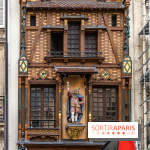
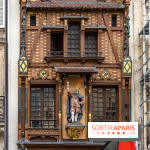
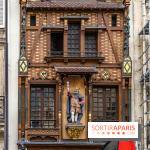
 Did you know? Why does the McD's in Saint-Lazare have the façade of an Alsatian house?
Does the unusual facade of the McDonald's at 119 rue Saint-Lazare in Paris appeal to you? Discover the history of this Alsatian house that contrasts with the capital's Haussmann-style buildings. [Read more]
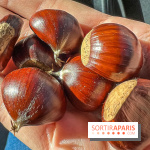
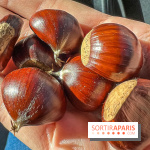
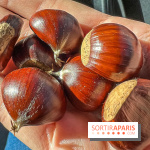
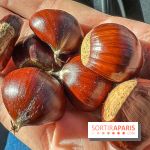 Autumn fruit: chestnut or sweet chestnut, how to recognize edible fruit in the forest
On a walk in the forest, you're sure to find chestnuts and sweet chestnuts at the foot of the trees, just waiting to be picked up and cooked. But beware: chestnuts are poisonous and cannot be eaten! Here's how to recognize them. [Read more]



 Mushroom picking: how can you be sure your harvest is edible?
It's one of the pleasures of autumn: strolling through the forest to pick porcini and mushrooms. But as we all know, these foods can be dangerous. How can you be sure that your harvest is safe and edible? [Read more]



 Why do we eat chocolate at Easter?
It's a fact: gourmands and gourmets feast on kilos of chocolates during Easter 2023. But exactly where does this tradition come from? [Read more]
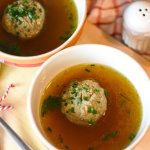
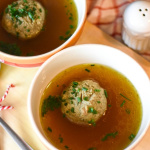
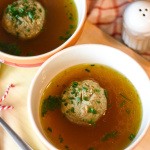
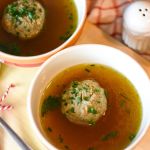 What to eat for Pesach 2023? Traditional Jewish specialties
From April 5 to 13, 2023, the Jewish community celebrates Pessa'h, to commemorate the Exodus of the Hebrews from Egypt. It is an opportunity to gather with family and share festive meals, full of rituals and customs, and to savor traditional Jewish specialties. [Read more]



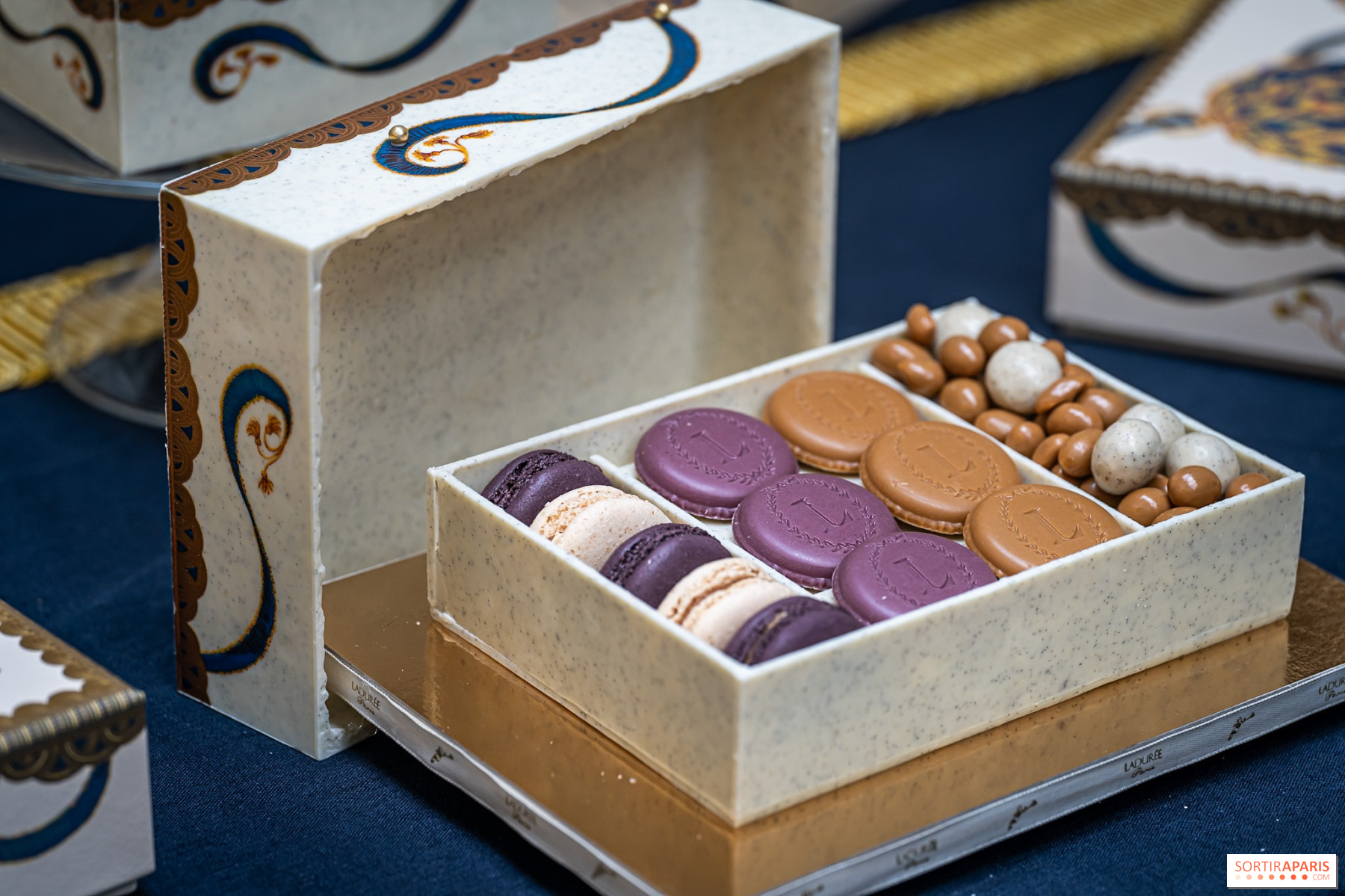
 The history of the famous Parisian macaroon
Macaroons are the guilty pleasure of many a sweet tooth. But do you really know its history? We tell you more about the origins of the macaroon, right up to its Parisian incarnation. [Read more]



 History of French Pastry: the Saint-Honoré
A veritable star of Parisian patisserie, the Saint-Honoré is a favorite among gourmets. But how did it all begin? We take you through the history of the Saint-Honoré. [Read more]
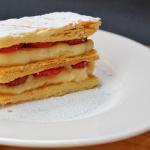
 History of French Pastry: where does the Mille-Feuille come from?
The Mille-Feuille is a classic French pastry. But where does this sweet treat come from? It's time to delve into the history of the Mille-Feuille. [Read more]



 History of French Pastry: Opera
Many of us love opera. Whether in a classic chocolate version or a new twist, it's a real guilty pleasure. But do you know the origins of this pastry? We'll take you through the history of opera. [Read more]