This year, Mardi Gras falls on February 17, 2026. This date marks the end of the Carnival, known as the "week of the seven fat days," before Lent begins on the following Wednesday, called Ash Wednesday. Traditionally, before a 40-day fast, people would indulge in what is called "feasting" in countries of Christian faith, enjoying rich foods that would be forbidden during Lent and until Easter.
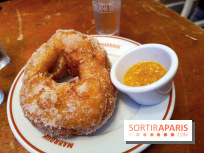
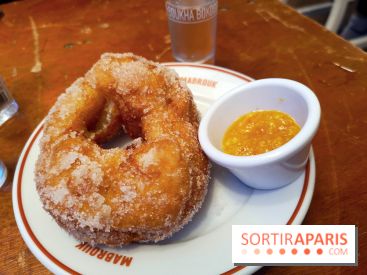
This day of festivities, bringing together a large number of people, made it possible touse up reserves of oil, butter, eggs and milk in inexpensive, quick-to-prepare pastry preparations that could easily be enjoyed by Mardi Gras participants. This is how the tradition of eating waffles and crêpes, but above all the unavoidable doughnuts, was born.
Diminutive of the word "beigne", the word "beignet" dates back to the 13th century. Back then, it already referred to a "ball of dough fried in butter". You may not know it, but beignets vary according to the region of France in which they are prepared.
It's quite simple: from Provence to Brittany, passing through Lorraine and Gascony, each region and each local specialty has its own take on the beignet. Recipes may vary slightly from one place to another—yet they often share a base of flour, milk, eggs, and butter—and each has its own unique name!
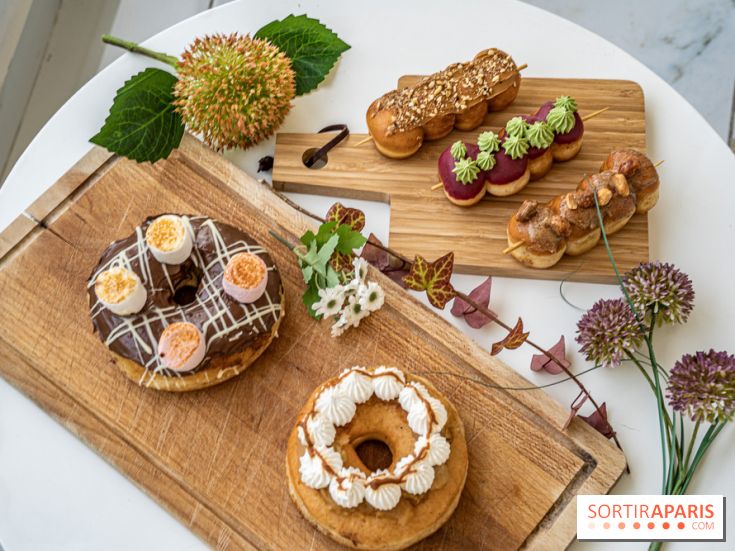
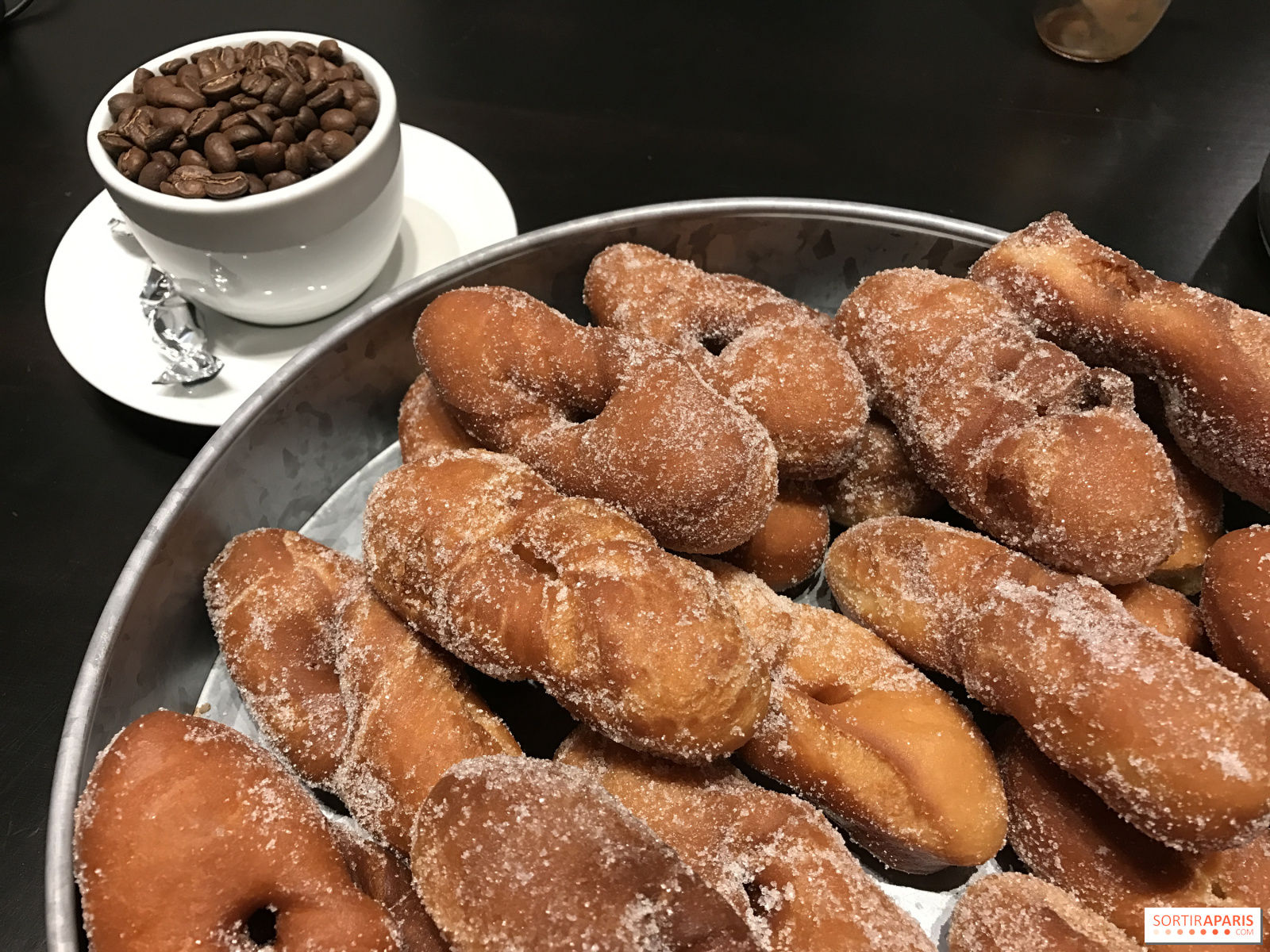
Whether they're round, triangular or diamond-shaped; plain, sweet or filled with jam or chocolate; whether they're crunchy or ultra-moist; and whether they're made with choux pastry, leavened dough or brioche dough, doughnuts are our favourite!
Here's an overview of the different types of doughnuts in France!
And to make them yourself at home, take a look at the best recipes from chefs!
So, what do we call doughnuts in your region?