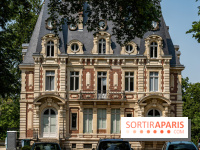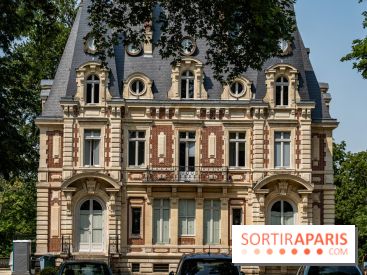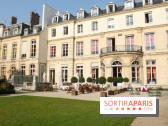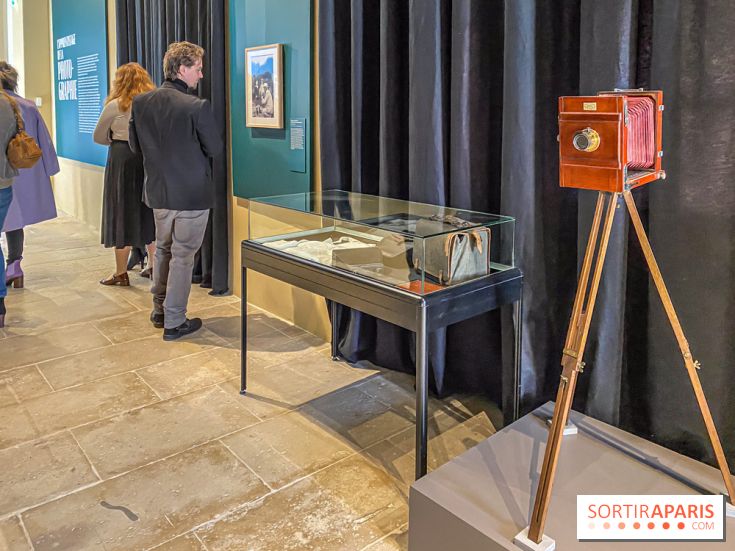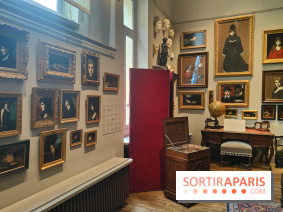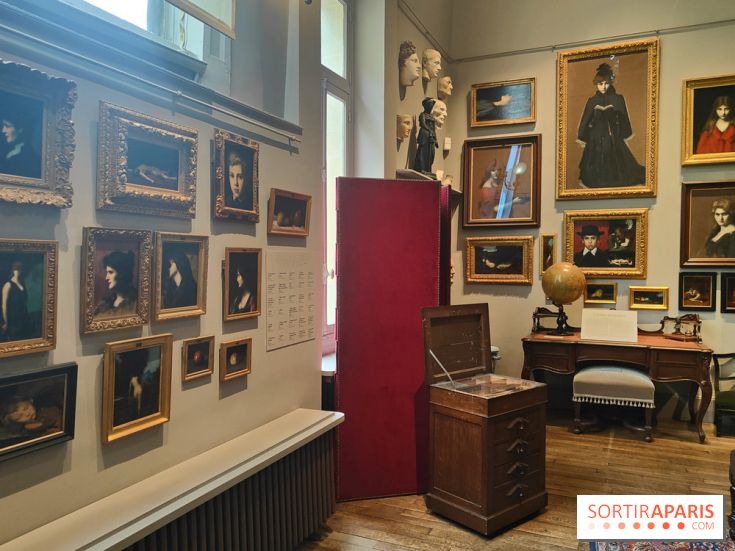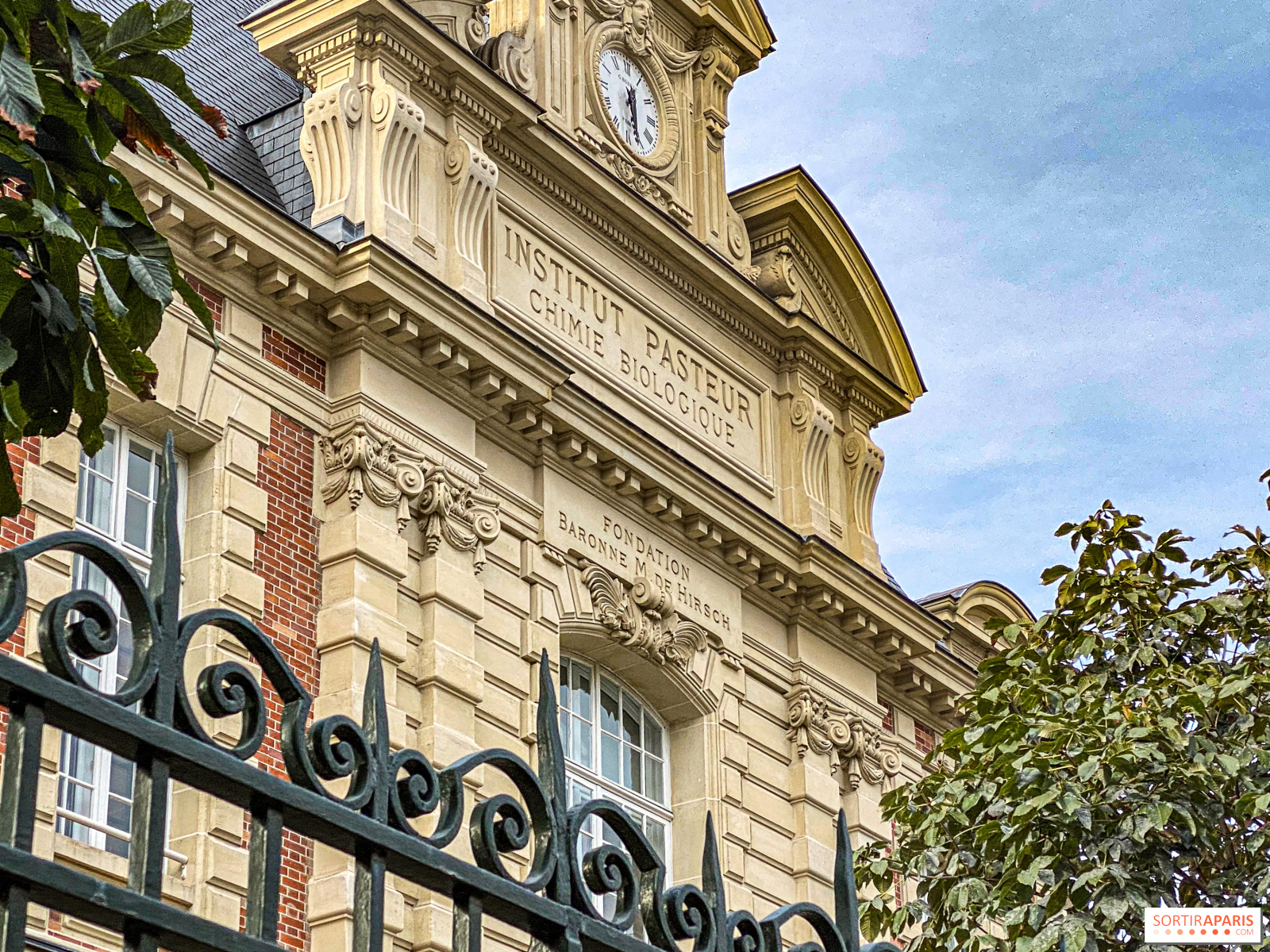
When Louis and Marie Pasteur moved into the historic building of the the Institut Pasteur in 1889, the scientist was already a global figure. The rabies vaccine, developed a few years earlier, had earned him international renown. After the deaths of Louis Pasteur in 1895 and Marie in 1910, their apartment was meticulously preserved: the rooms were faithfully recreated in the 1930s thanks to their grandson Louis Pasteur Vallery-Radot. The result? A kind of time capsule that offers a glimpse into Parisian bourgeois life at the end of the 19th century. Period furniture, works of art, original wallpapers, personal belongings and scientific mementos invite visitors to step into the couple’s intimate world, and to trace their enduring impact on the history of science.
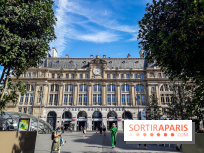
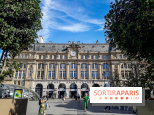
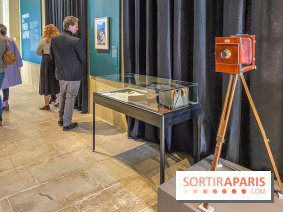
For several years now, the historic Pasteur Institute building has been the site of a major restoration and rehabilitation project. The aim goes beyond preservation: it’s about adapting the space for new museographic uses. The collections have been inventoried, relocated, and in some cases restored. More than 9,000 objects have undergone extensive conservation work before the renovations began. The project also extends to the most fragile decorative elements: textiles, furniture, artworks, and even certain wallpapers dating back to 1888.

The upcoming reopening should not be limited to rediscovering the apartment of Marie and Louis Pasteur.
The Pasteur Institute says it plans, at the end of these works, to offer a more ambitious itinerary than the one visitors have known so far. They will thus be able to discover how the research initiated by Pasteur opened the door to major advances, from pasteurization to modern vaccination, up to contemporary technologies such as mRNA.
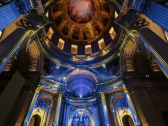
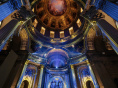
As visitors wind their way through the route, they could also uncover one of the Institute’s most astonishing secrets: beneath the building lie Louis Pasteur and his wife Marie, in a striking neo-Byzantine-inspired crypt designed by architect Charles Girault. Its colorful mosaics illustrate the scientist’s major breakthroughs and have long made it one of Paris’s hidden gems. Long accessible during museum tours, this crypt is set to reclaim its place in the future visitor route after the renovations.
The reopening of this landmark in the history of science is planned for November 2028, to mark the 140th anniversary of the Institut Pasteur. So a little more patience, then!
This page may contain AI-assisted elements, more information here.
Location
Pasteur Institute
25, rue du Dr Roux
75015 Paris 15
Official website
www.pasteur.fr