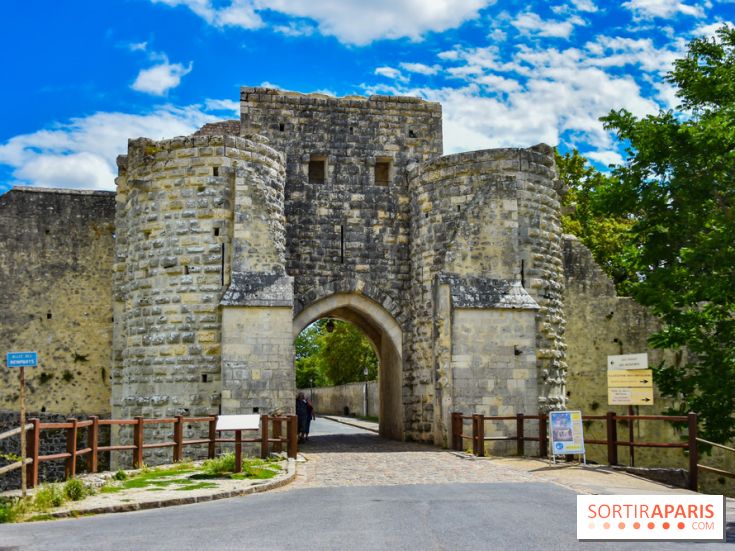
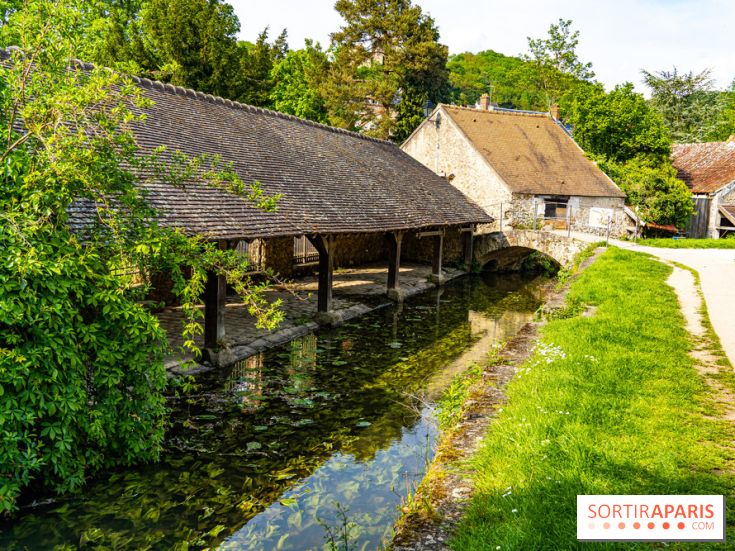
We're all familiar with the catacombs or the sewers of Paris... but have you heard of the caves of Pontoise? Far less famous than their Parisian cousins, they nevertheless offer an off-the-beaten-track experience, an original and little-known idea for an outing that will delight visitors with an explorer's soul.
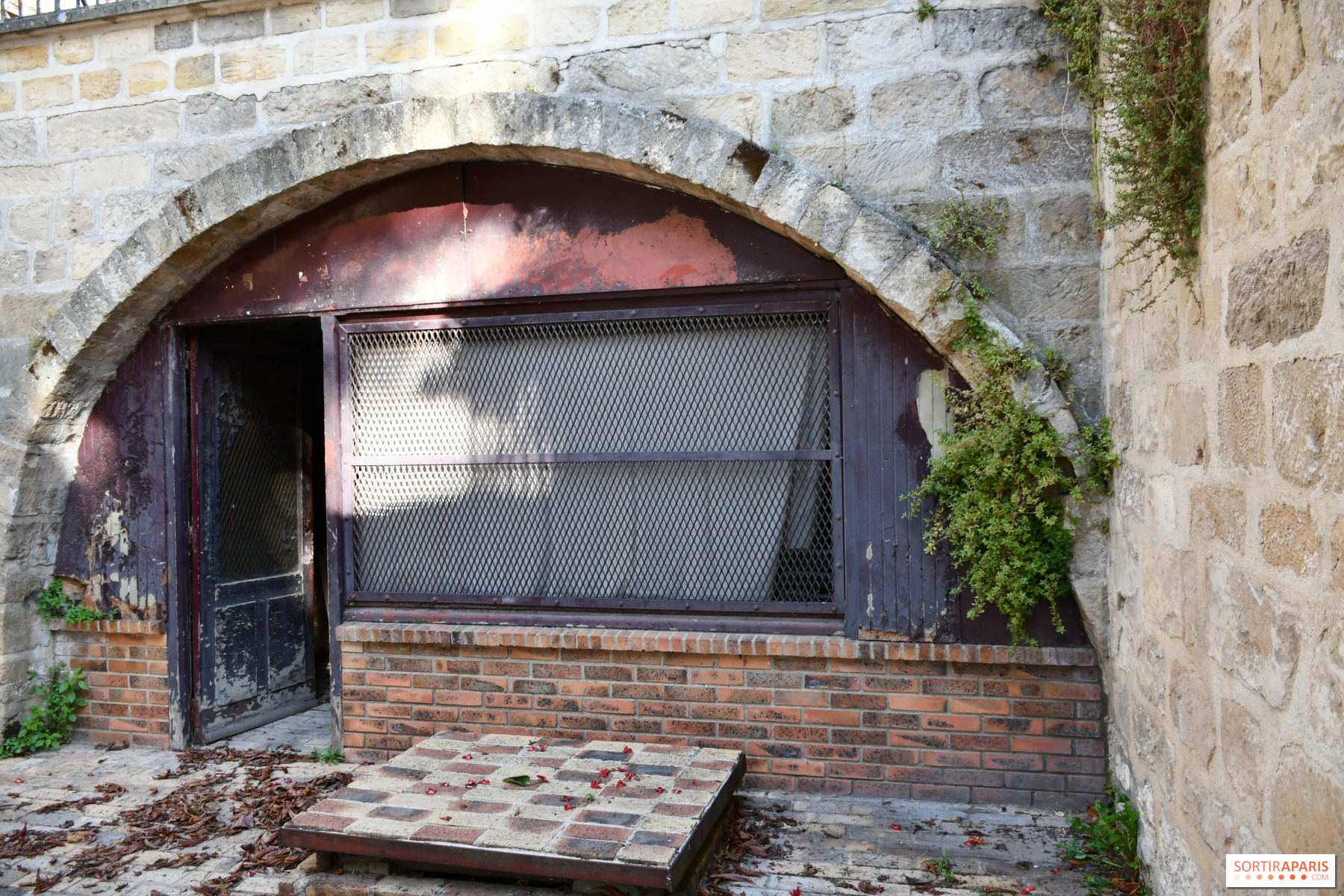
Beneath the historic streets of Pontoise, in the Val d'Oise , lies another world. Since the Middle Ages, a network of limestone quarries and caves has run beneath the town. Today, thanks to guided tours, it's possible to explore this unusual heritage for an adventure off the beaten track.
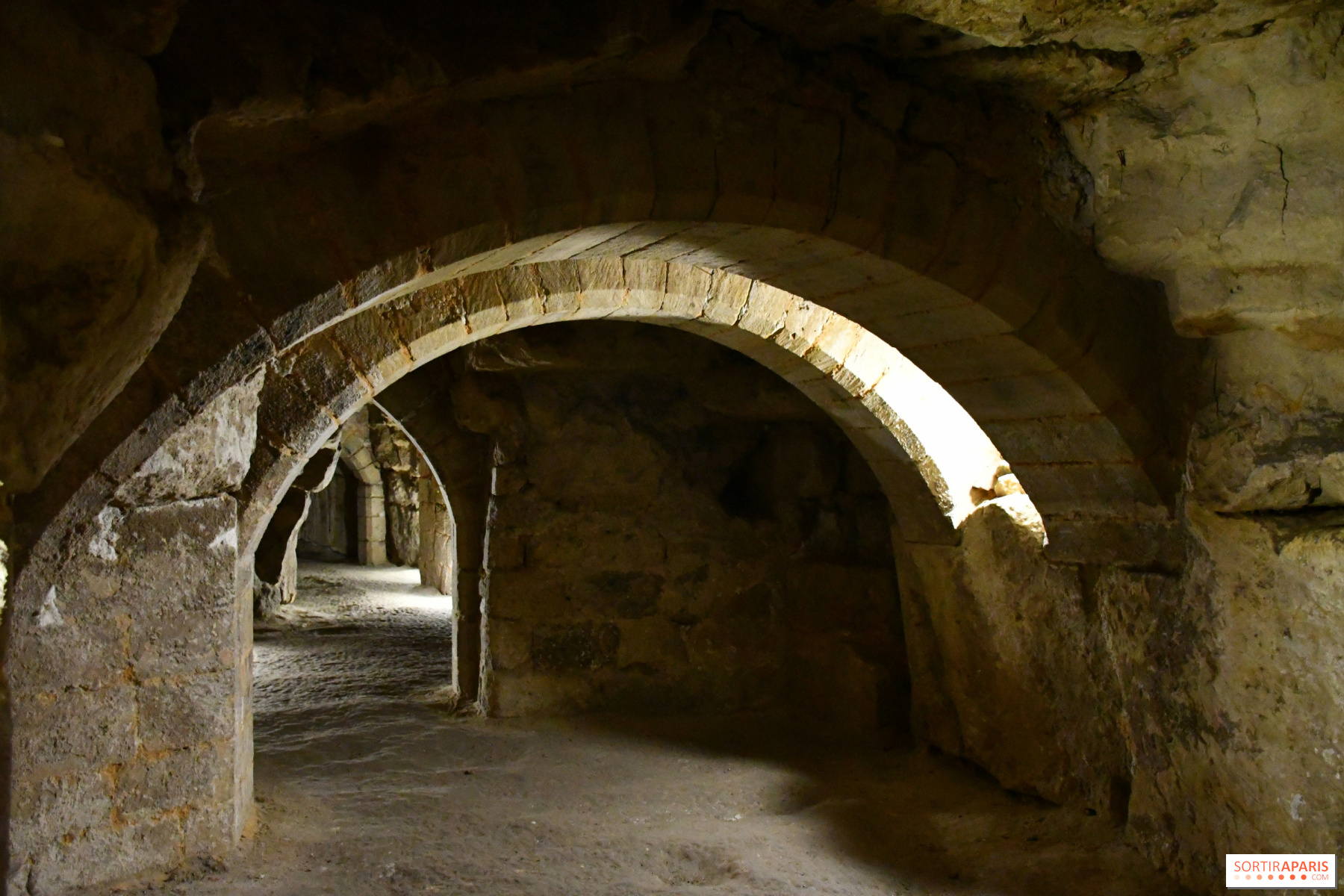
But what is their history? In the 12th century, the limestone rock of Mont Bélien became one of Pontoise's great assets. Extracted underground, it was used to build ramparts, houses, and churches. The cavities left by the mining quickly turned into cellars or warehouses. Over the centuries, they were used to store wine, food, and sometimes even the inhabitants themselves in times of trouble. This underground network, estimated today to be nearly eight kilometers long, is a heritage site that is as discreet as it is fascinating. Fallen into oblivion, it was rediscovered in the 1980s!

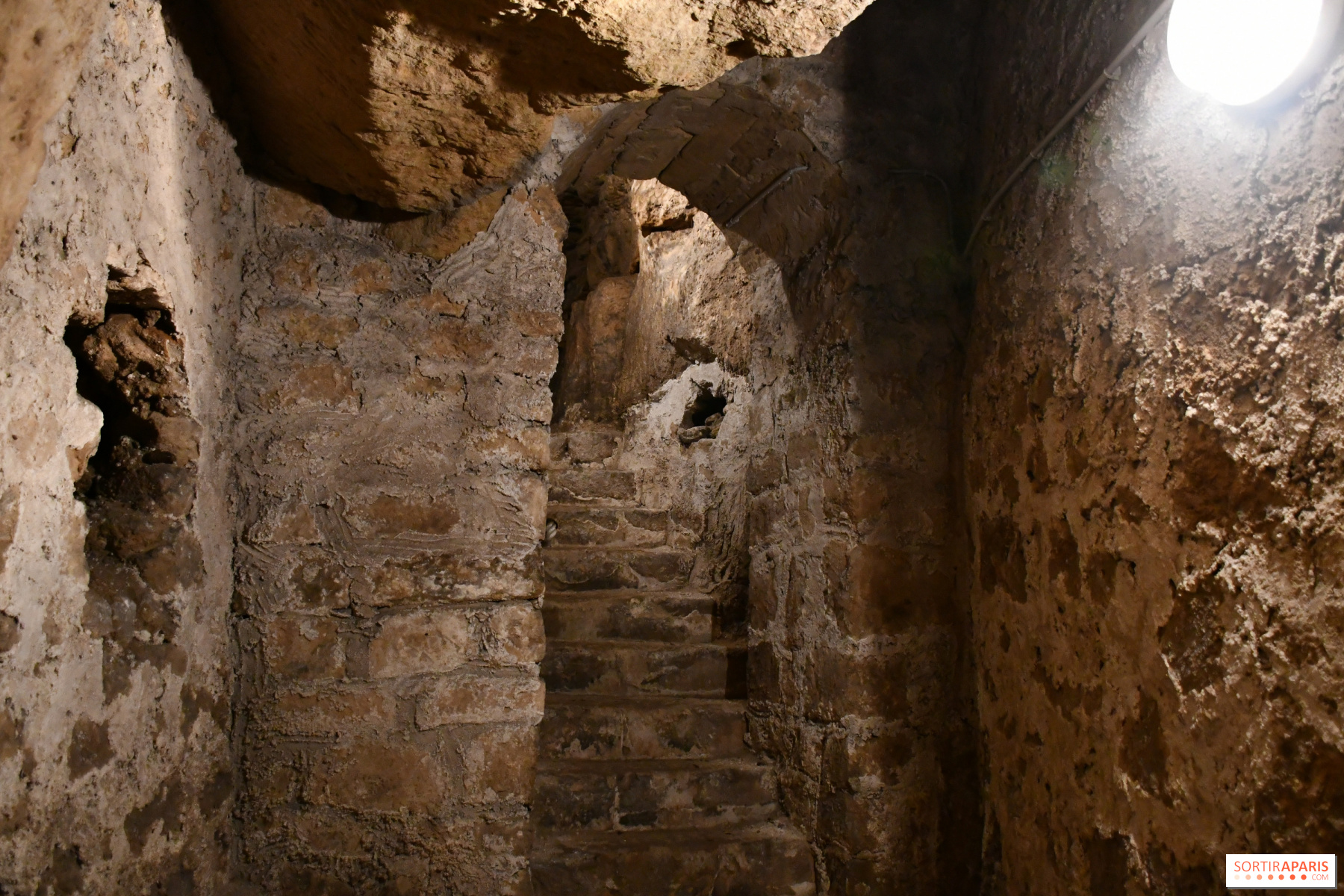
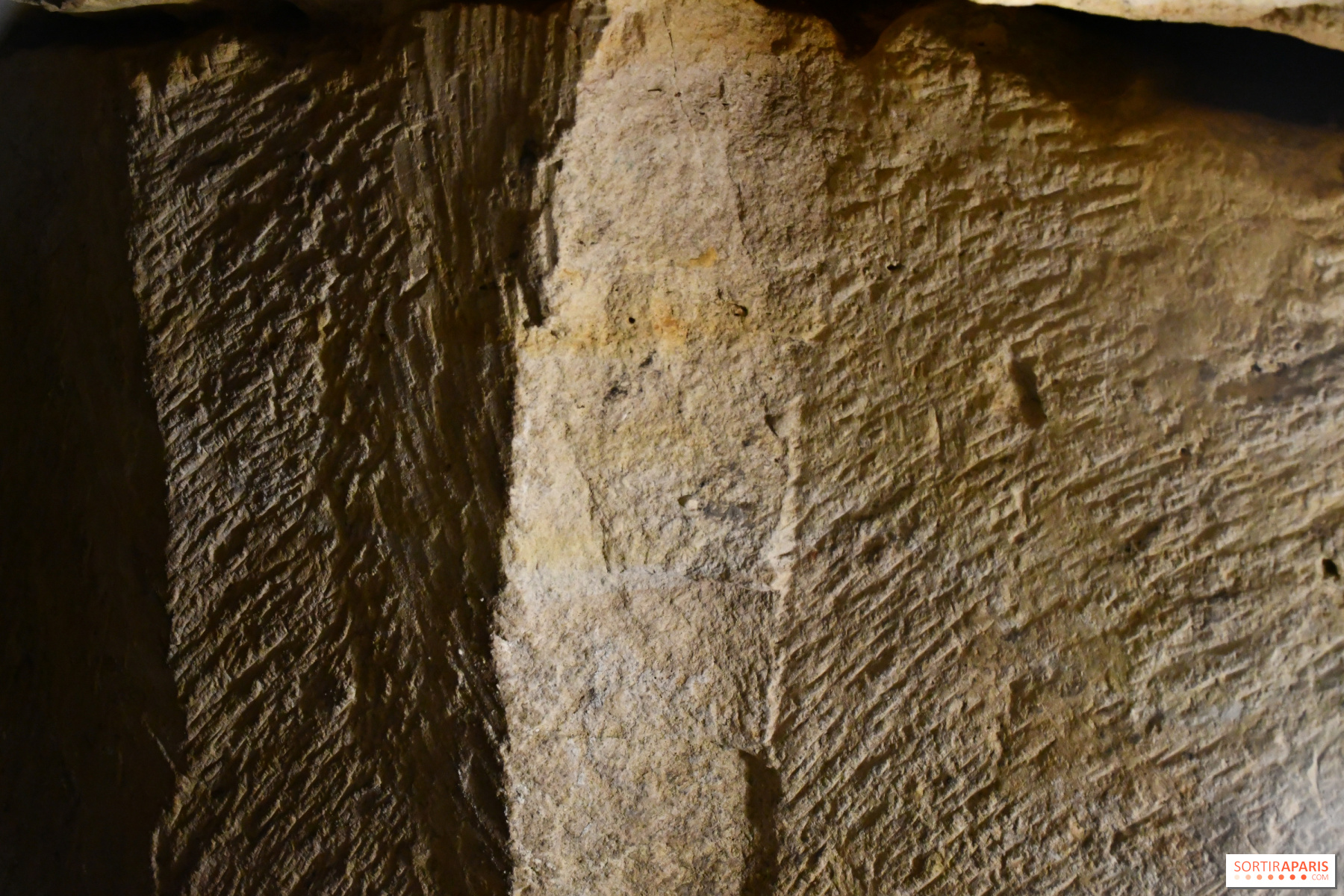
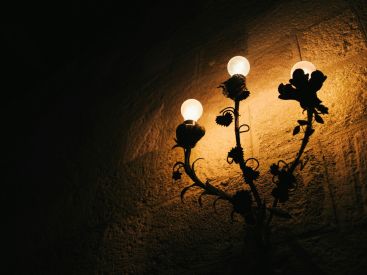
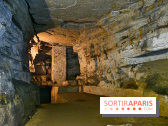
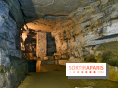
The cellars of Pontoise are characterized by a wide variety of shapes. Some galleries are long corridors with smooth walls, while others open onto vast rooms of monumental proportions. There are staircases carved into the rock, niches dug out to house lamps or jars, but also reinforcement pillars added to consolidate the weakened vaults. Gothic influences are particularly visible in some cellars. These architectural traces, sometimes modest, sometimes spectacular, tell the story of a city that has made the most of its underground space throughout the ages.
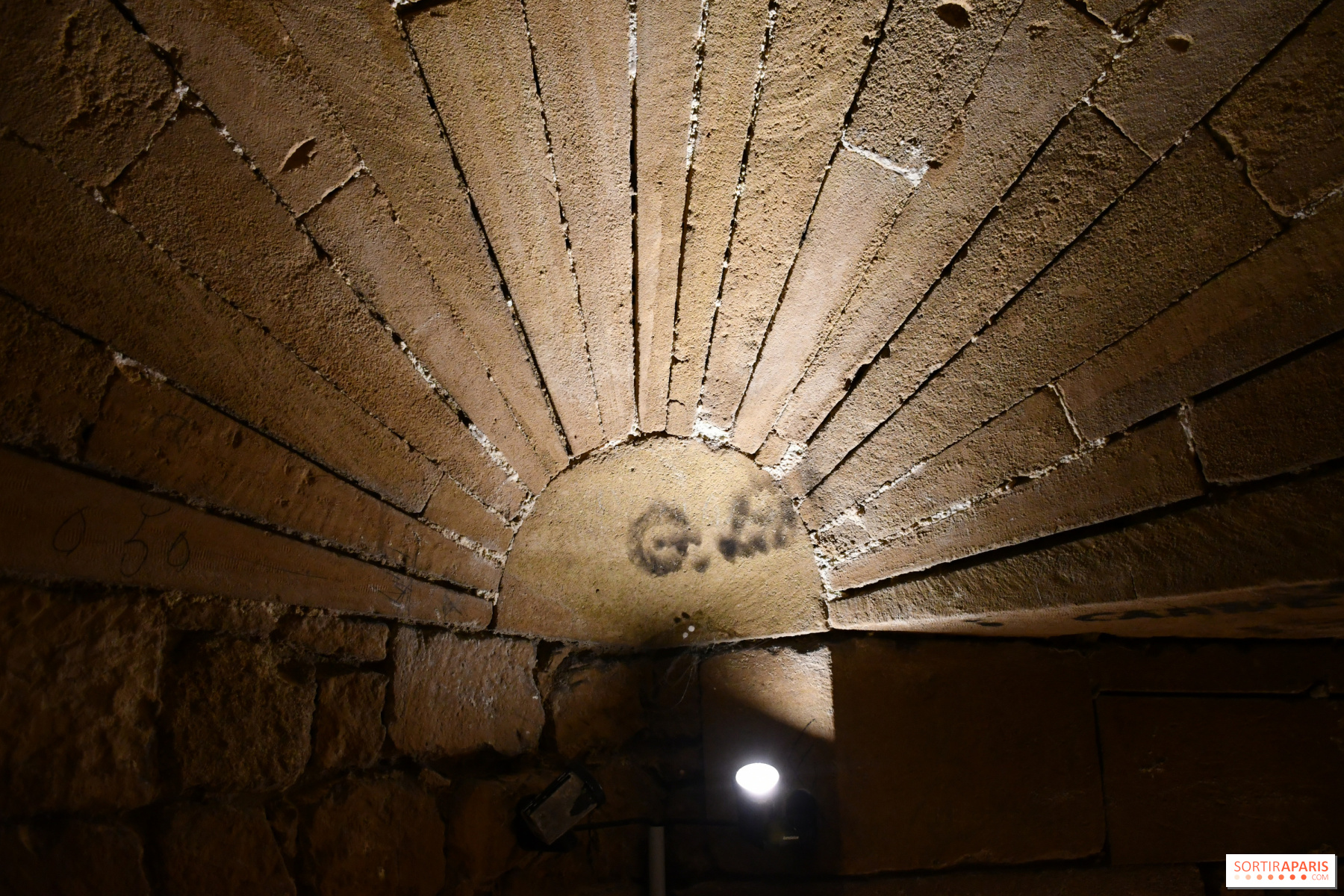
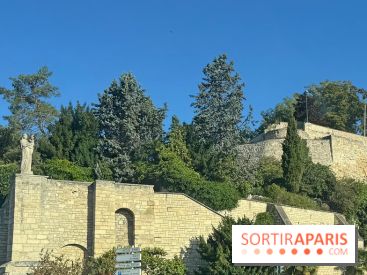
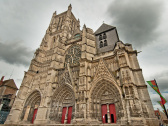
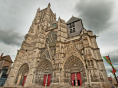
The tour allows you to retrace fragments of the history of the city and the geology of Pontoise. As the quarries are not connected to each other, the route allows us to discover the city on a stroll that takes us from the garden of the Pissaro Museum (where the Château de Pontoise once stood) to the basement of the Place des Moineaux, passing under the Saint-Maclou Cathedral.
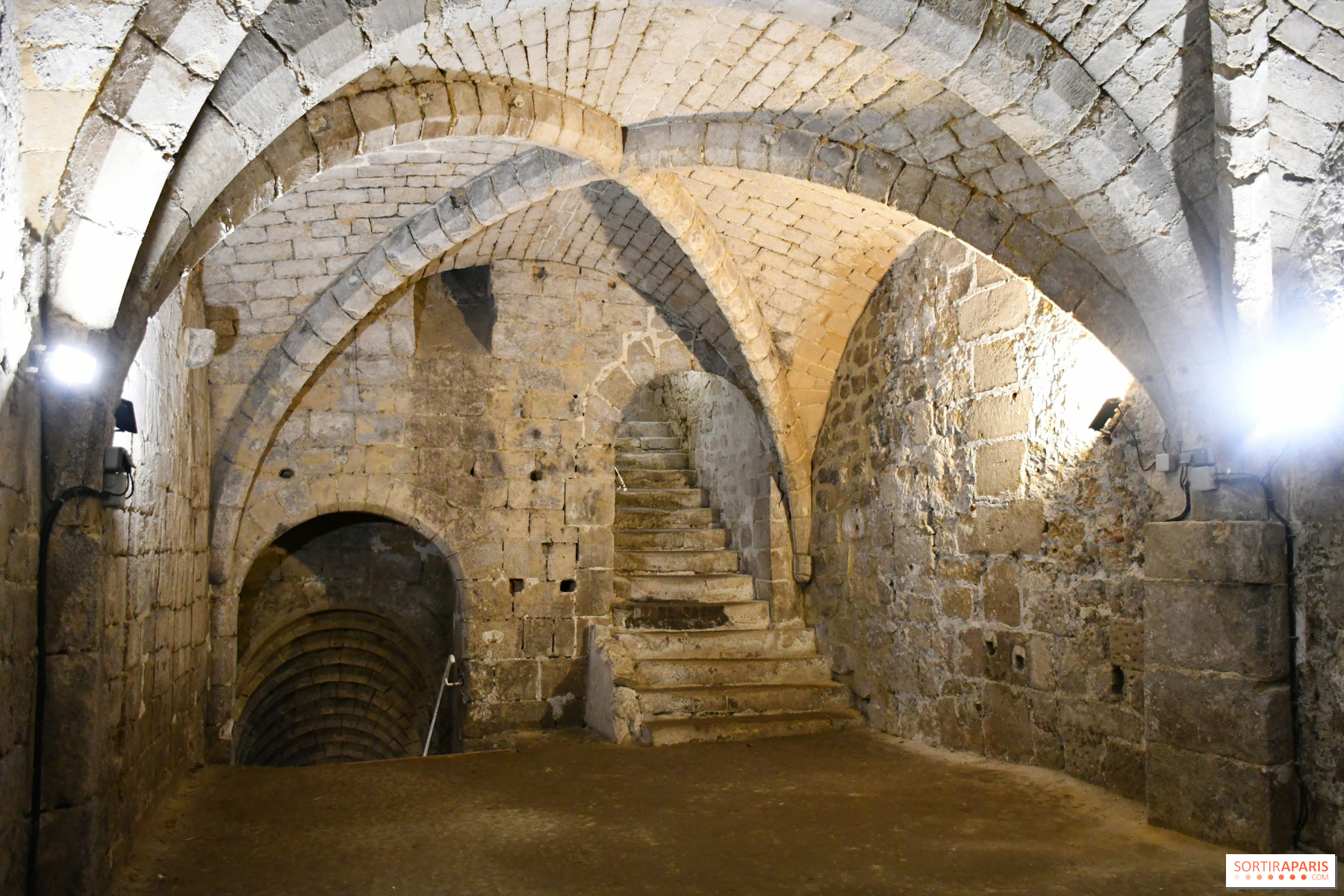
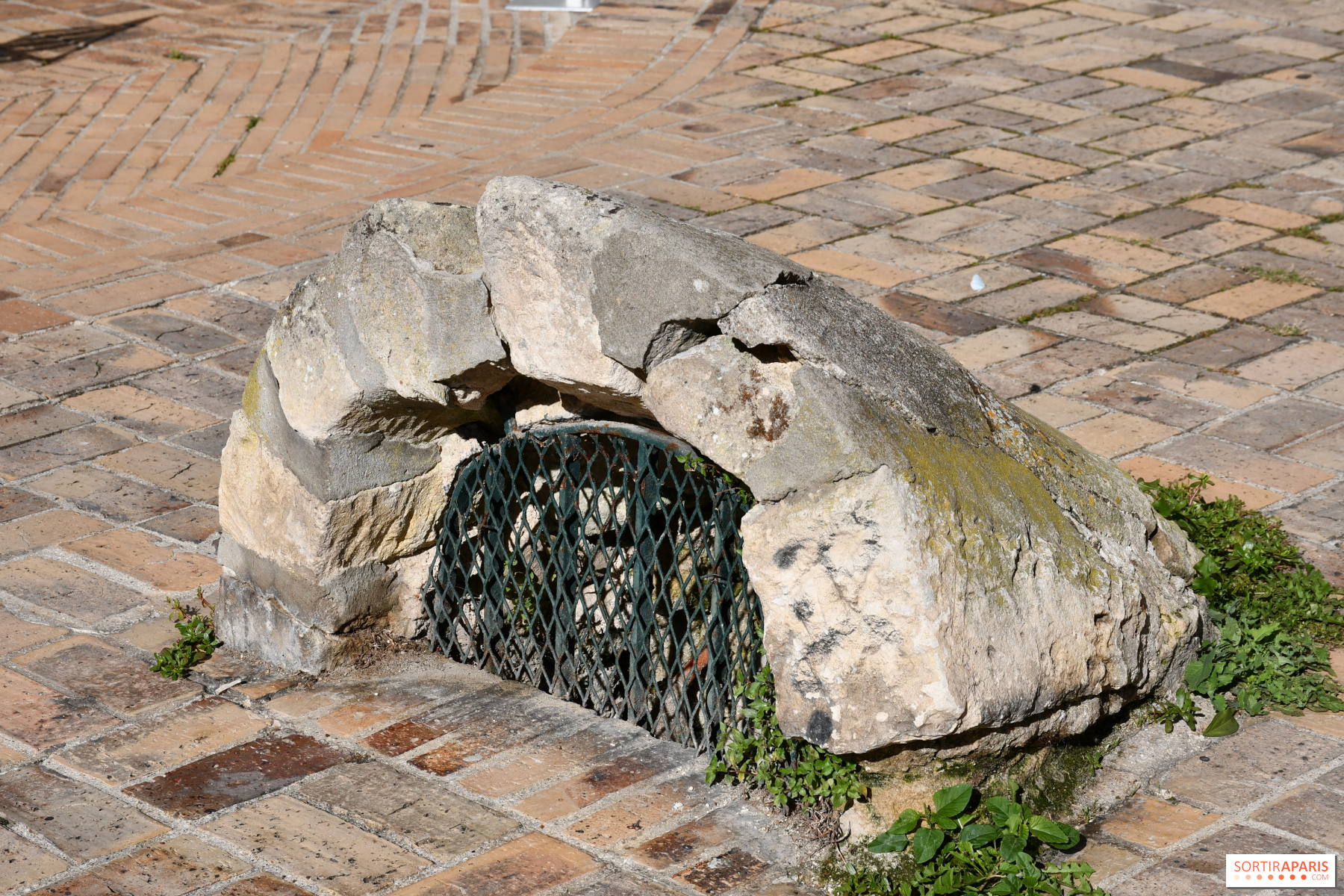
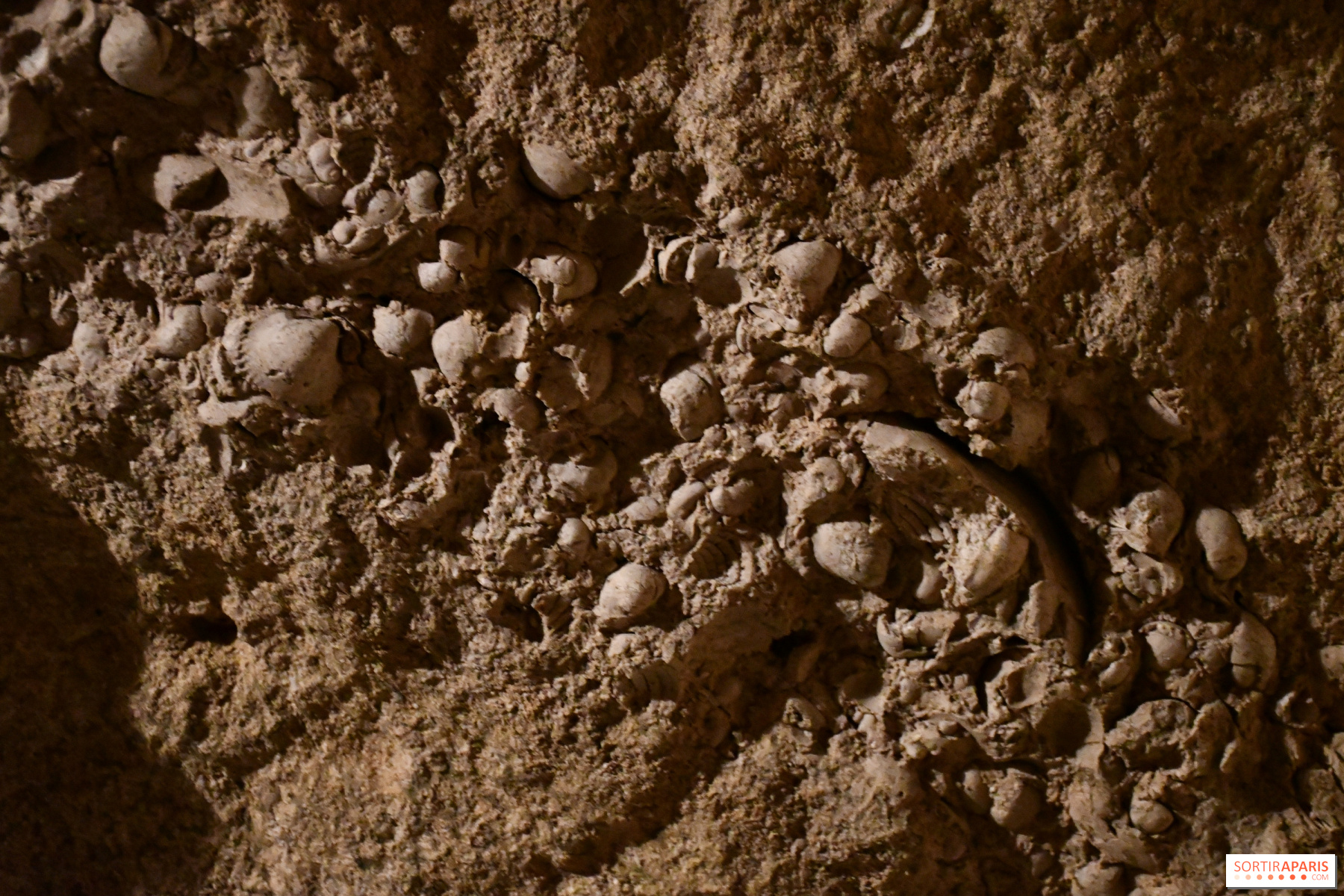
Among the stops along the route,the Cave des Moineaux is particularly noteworthy. Located under the square of the same name, it features a magnificent vaulted room with ribbed vaults, supported by a transverse arch characteristic of the Gothic style. There is also a ventilation chimney and an old 13th-century access shaft. Restored thanks to speleologists and volunteers, it is now open to the public and is an essential stop on guided tours. From one cellar to another, visitors can enjoy discovering traces of human activity or hunting for fossils.
The tour lasts about an hour and requires a little stamina: stairs to descend, sloping streets to climb before diving into another cellar, and sometimes narrow paths. Added to this is the constant temperature of 12°C, which is surprising in both summer and winter. It is therefore advisable to bring a warm jacket and comfortable shoes.
This test was conducted as part of a professional invitation. If your experience differs from ours, please let us know.
This page may contain AI-assisted elements, more information here.
Dates and Opening Time
From October 22, 2025 to December 31, 2028
Location
Caves de Pontoise
souterrains de pontoise
95300 Livilliers
Prices
moins de 7 ans: Free
de 7 à 12 ans: €6
Plein tarif: €8
Booking
www.ot-cergypontoise.fr