Paris is the setting for a unique literary trajectory: that of a young woman who became an icon, thanks to a few pages written on a café terrace and in a bourgeois apartment in the 7ᵉ arrondissement.
Françoise Sagan spent her life roaming the City of Light, from apartments to hôtels particuliers, from rue de l'Université to rue de Bourgogne, from boulevard Malesherbes to Saint-Germain-des-Prés, from rue d'Alésia to theHôtel Lutetia.
Her Parisian trail is twofold: intimate and official, hushed and public. Parisian places that tell the story of a free woman, between the apartments where her success was born, the jazz clubs where she lived restless nights and the bourgeois homes of a novelist with a refined style.
Discover the Paris of a woman who described melancholy with beauty.
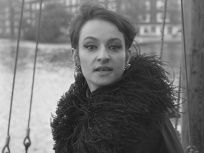
A major figure in French literature of the 20ᵉ century, Françoise Sagan (1935-2004) was revealed at just 18 years of age thanks to Bonjour Tristesse, published in 1954; a novel immediately hailed by critics for its precise writing, worldly wit and sharp look at bourgeois youth. Throughout her career, she unveiled a literary universe blending melancholy, freedom, enchantment and disillusionment... just like her own life in Paris.
167 boulevard Malesherbes (17ᵉ arr.). It was in this apartment, to which the family moved after the Second World War, that Sagan wrote Bonjour Tristesse in the summer of 1953. A plaque commemorates this key stage in her career.
35 rue de l'Université (7ᵉ arr.). After her marriage, she lives a few steps from the offices of Julliard, her publisher. This is where the manuscript for Bonjour Tristesse arrives, triggering her literary destiny.
52 rue de Bourgogne (7ᵉ arr.). This was a key address linked to her Parisian and social life, close to her friends Juliette Gréco and Régine and the effervescent parties of Saint-Germain-des-Prés.
25 rue d'Alésia (14ᵉ arr.). From 1975 onwards, Sagan moved into this beautiful mansion, shared with close friends and family (notably writer Bernard Frank). A lively place of social and cultural life that tells the story of her party years.
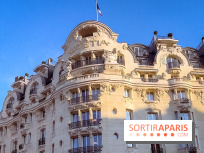
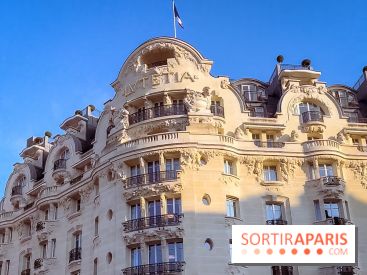
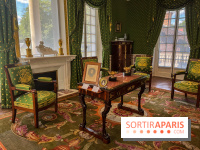
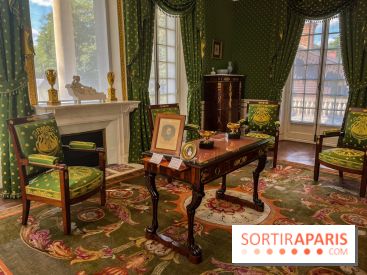
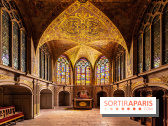
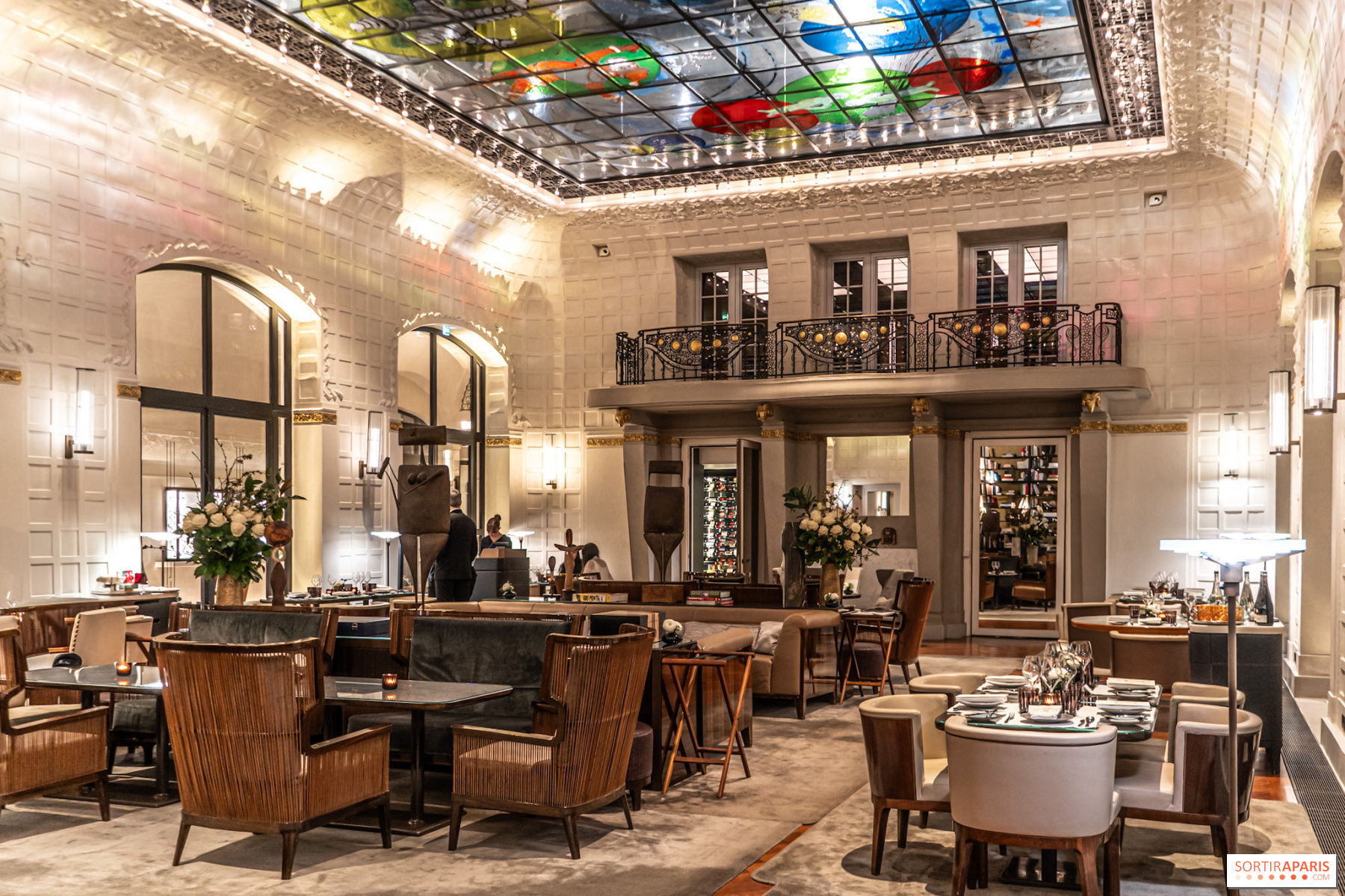
Hotel Lutetia (6ᵉ arr.). Sagan stays for a month at theHôtel Le Lutetia, a prestigious Left Bank venue.
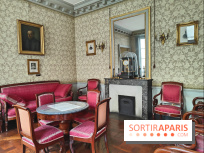
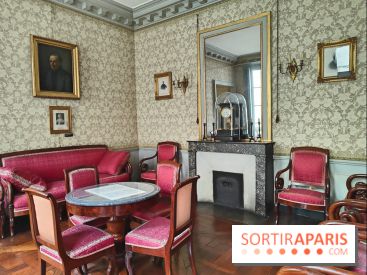
73 rue de Lille (7ᵉ arr.). His last personal residence in Paris was theHôtel particulier de Montgascon, now a venue for private events.
Avenue Foch (16ᵉ arr.). Convicted of failing to declare several million francs to the tax authorities, Sagan is forced to leave her apartment on rue de Lille. Between 1999 and 2004, she was taken in and cared for by her partner Ingrid Mechoulam, until her death. With its 280m2, this last Parisian refusal became a venue for memorable receptions and anthology evenings for artists, actors, authors and singers.
Café Cujas, in the Latin Quarter (5ᵉ arr.). It was on the terrace of this now-defunct café next to the Sorbonne that Françoise Sagan, then a student, sketched Bonjour Tristesse.
Le Tabou and Club Saint-Germain (6ᵉ arr.). In the 1950s, Sagan frequented these now-defunct venues where music and literature mingled, alongside Boris Vian, Juliette Gréco and other icons.
Chez Régine (8ᵉ arr.) and New Jimmy's (124 boulevard du Montparnasse, 14ᵉ arr.). The two nightclubs opened by singer Régine, frequented by the author and the Parisian crème de la crème.
Castel (6ᵉ arr.). Just a stone's throw from the Café de Flore, Castel is the discotheque to see and be seen, and it's just as likely to see Serge Gainsbourg, Catherine Deneuve, Johnny Hallyday, Jean-Paul Belmondo, Françoise Hardy... as Françoise Sagan, a true noceuse.
La médiathèque Françoise Sagan (10ᵉ arr.). Inaugurated in 2015, this 2,500 m² media library on five levels pays tribute to her name and opens up literature to all audiences, in a partly listed building.
Location
Hotel Le Lutetia
45 Boulevard Raspail
75006 Paris 6
Route planner
Accessibility info