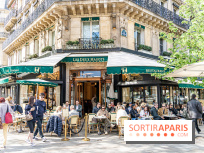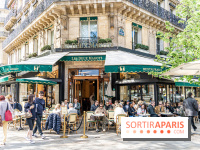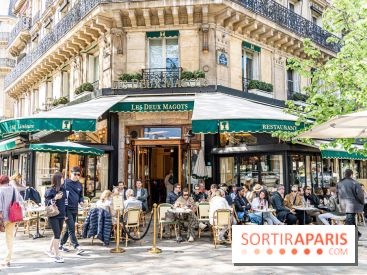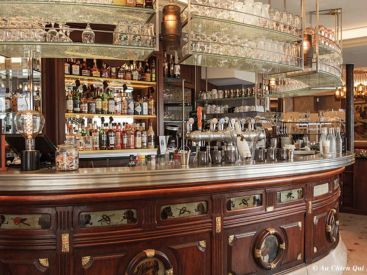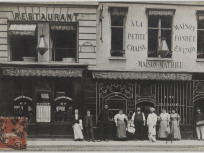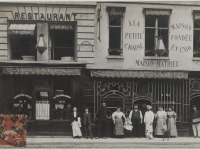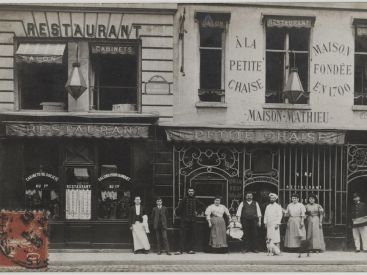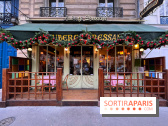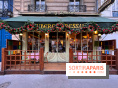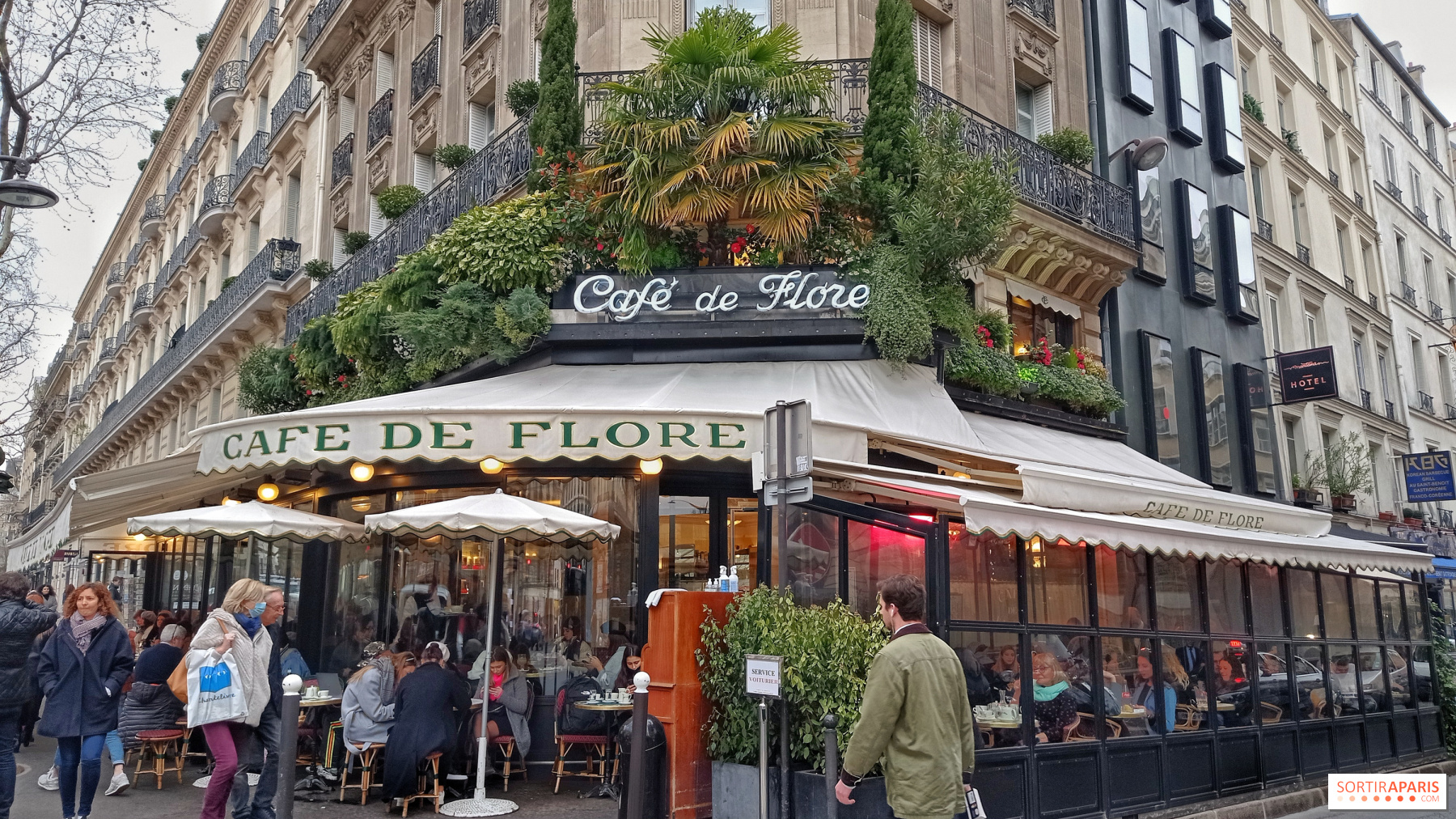
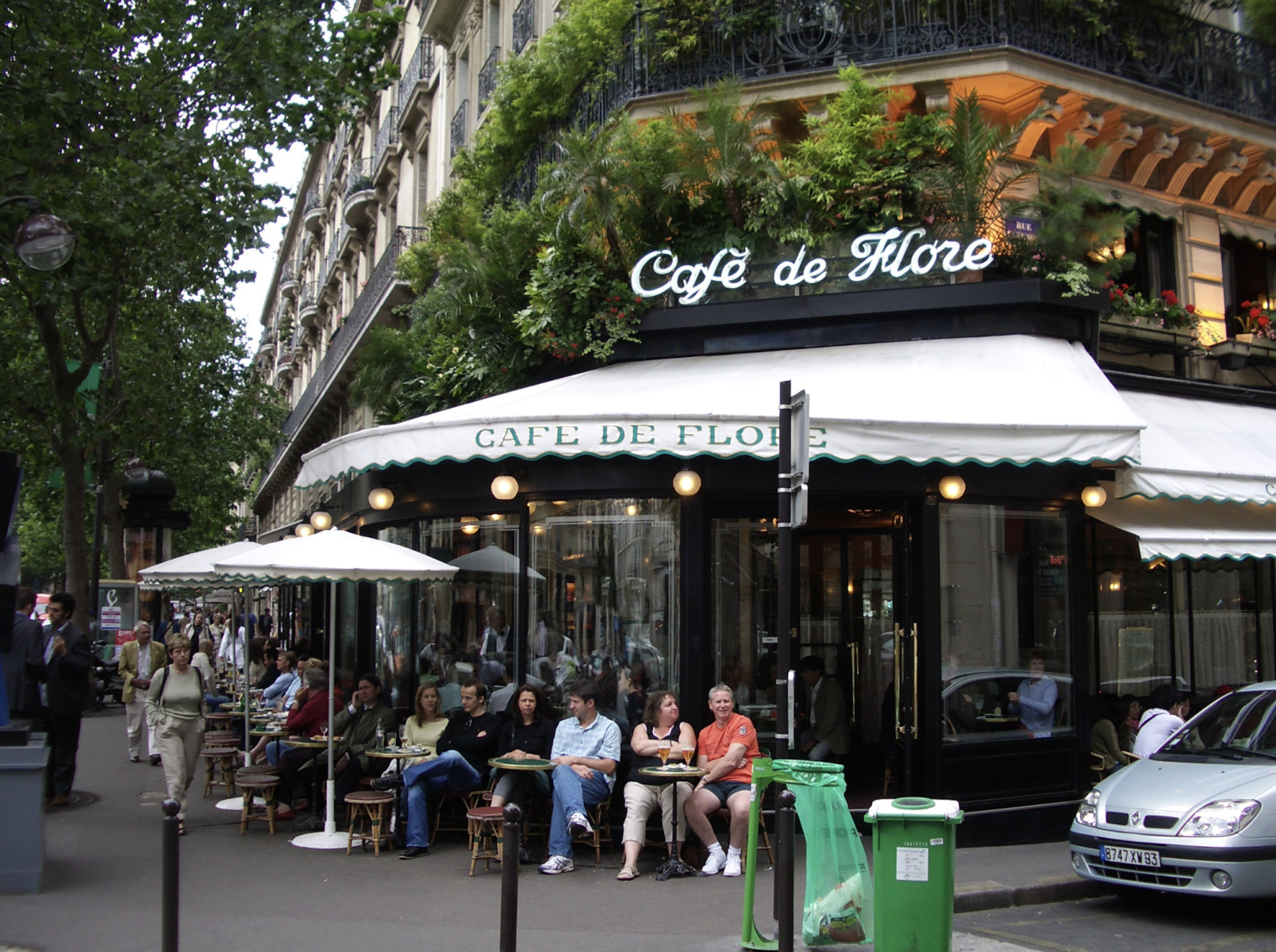
An unmissable emblem of Saint-Germain-des-Prés, Café de Flore is much more than just a Parisian café, it's a place of memory, a theater of intellectual Paris and an open-air cinema set where part of theliterary and cultural history of the 20ᵉ century was written.
For over a century, thinkers, artists, stars and passers-by have passed through its walls, all drawn by the magnetic aura of this charming café. An institution which, more than a setting, remains an essential player in French cultural life.
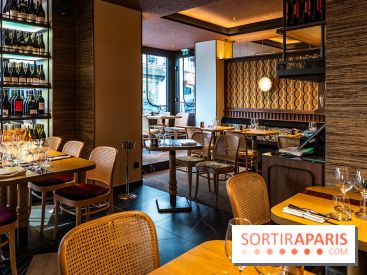
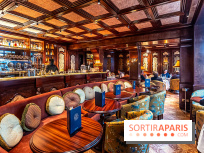
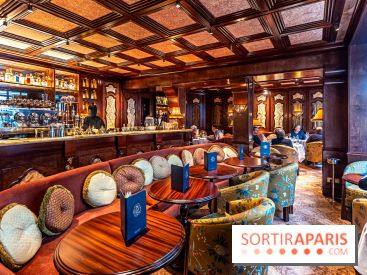
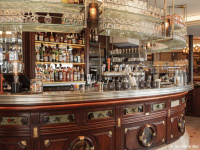
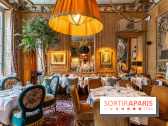
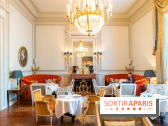
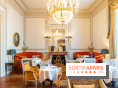
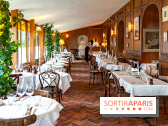
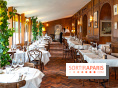
Café de Flore opened in the 1880s, at the height of the Saint-Germain-des-Prés district's effervescence. It takes its name from a statue of Flore, goddess of spring and flowers, once located on the other side of boulevard Saint-Germain. The café soon attracted an elegant clientele, who came to enjoy its sunny terrace, hushed ambience and proximity to artistic and intellectual circles. Over the decades, the café developed a two-storey structure, with a ground-floor room featuring Art Deco decor unchanged since the 1930s - red banquettes, wood panelling, patinated mirrors, white marble tables, zinc and brass details. The charm is still there.
In the 1920s, Café de Flore became a haunt for writers, artists and philosophers. Apollinaire, Picasso, André Breton, Raymond Queneau and Paul Éluard met there. The surrealist spirit was in the air. During the war, the café remained a haven for ideas and debate, frequented by resistance fighters and intellectuals. But it was in the 1940s and 1950s that the café reached its peak. The couple Jean-Paul Sartre and Simone de Beauvoir established their headquarters here. Sartre wrote, discussed and even taught in a corner of the upstairs room, considered his unofficial office. The café became the headquarters of existentialism, a crossroads of ideas, friendships, ruptures and creations. Later, Juliette Gréco, Boris Vian, Albert Camus, Truman Capote, James Baldwin and Marguerite Duras all left their mark. Each era adds its own layer to the myth.
In 1994, Café de Flore opened a new literary chapter with the creation of the Prix de Flore, conceived by Frédéric Beigbeder. Each year, the prize is awarded to a young author with an original, modern style (Michel Houellebecq, Virginie Despentes, Amélie Nothomb have all won), with a cheque and a glass engraved with the author's name, filled with Pouilly-Fumé, to be enjoyed at Le Flore for a year. This cheeky, free-spirited prize reflects the DNA of the place: an address that celebrates audacity, modernity and a taste for letters.
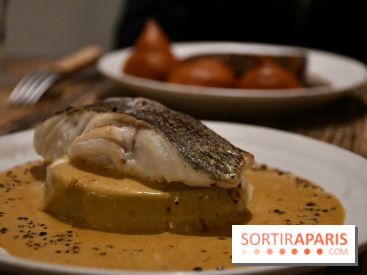
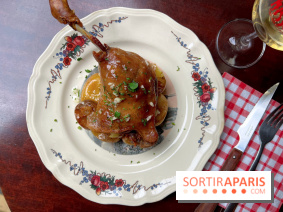
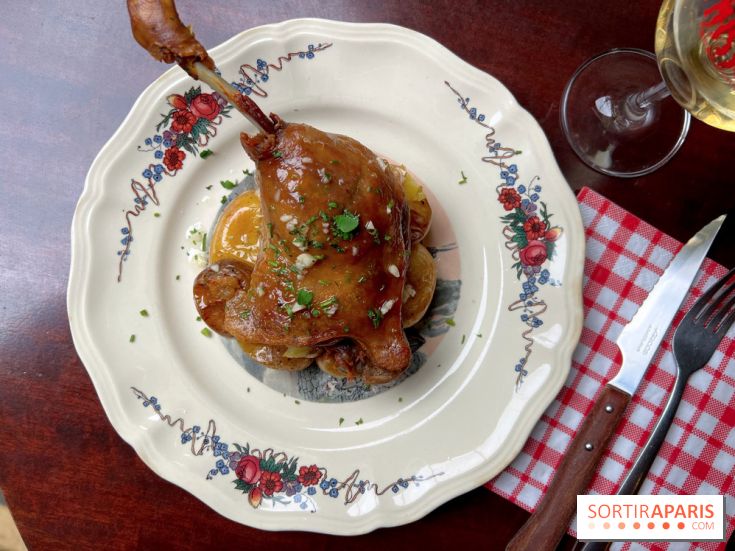
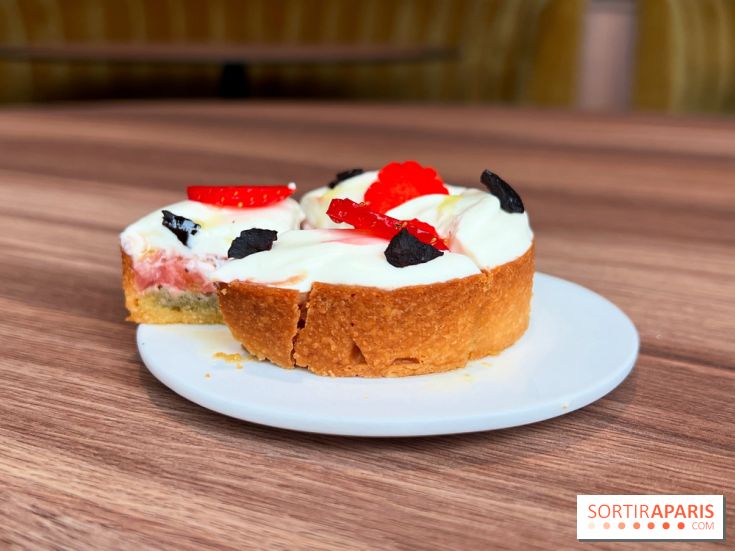
Even today, the Café de Flore remains a place of passage as much as a place of pilgrimage. People come here to watch, write, chat or simply drink a hot chocolate served with its own pot of chantilly. The menu, faithful to the tradition of Parisian brasseries, offers hard-boiled eggs, croques-monsieur, tarte Tatin and escargots. It's this unique blend of past glory and ordinary life that makes the magic of Le Flore; a place where time stretches, ideas float in the air, where each table could have been the setting for a novel, a film or a decisive encounter.
Location
Café de Flore
172, Boulevard Saint-Germain
75006 Paris 6
Official website
cafedeflore.fr