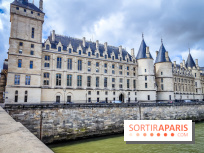
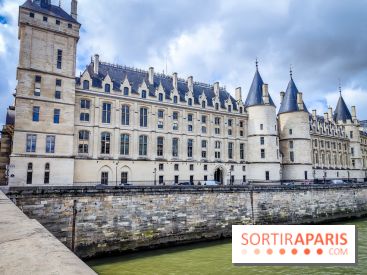
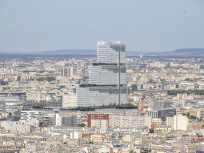
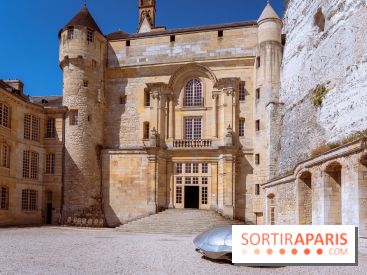
It's a stone colossus charged with history, a monument thousands of Parisians pass by every day without ever stepping inside. Known for housing the great trials of our era, the Palace of Justice on the Île de la Cité unfolds through guided tours led by Ivan Denat. We take you to the heart of the capital's oldest seat of power, mixing historical anecdotes, a labyrinth of corridors, and an immersion in the middle of a courtroom.

From the 10th century onward, the Capetian kings chose the Île de la Cité to house the heart of their government. But it is in the 14th century, under Philip the Fair, that the site takes on a monumental dimension: the king orders the old building razed to construct a grand fortified palace, the absolute showcase of his authority. The Conciergerie and the Sainte-Chapelle then become symbols of a double legitimacy, both earthly and divine.

When the sovereigns abandon the Cité in favor of the Louvre after 1358, they do not abandon the site entirely. They leave behind their administrations and, above all, the Parlement de Paris, the kingdom’s highest judicial authority. The monument’s fate is sealed: it will become the temple of law. Rebuilt, expanded and modernized after several devastating fires over the centuries — notably during the Restoration and the Third Republic — the palace rises again, each time more solemn.
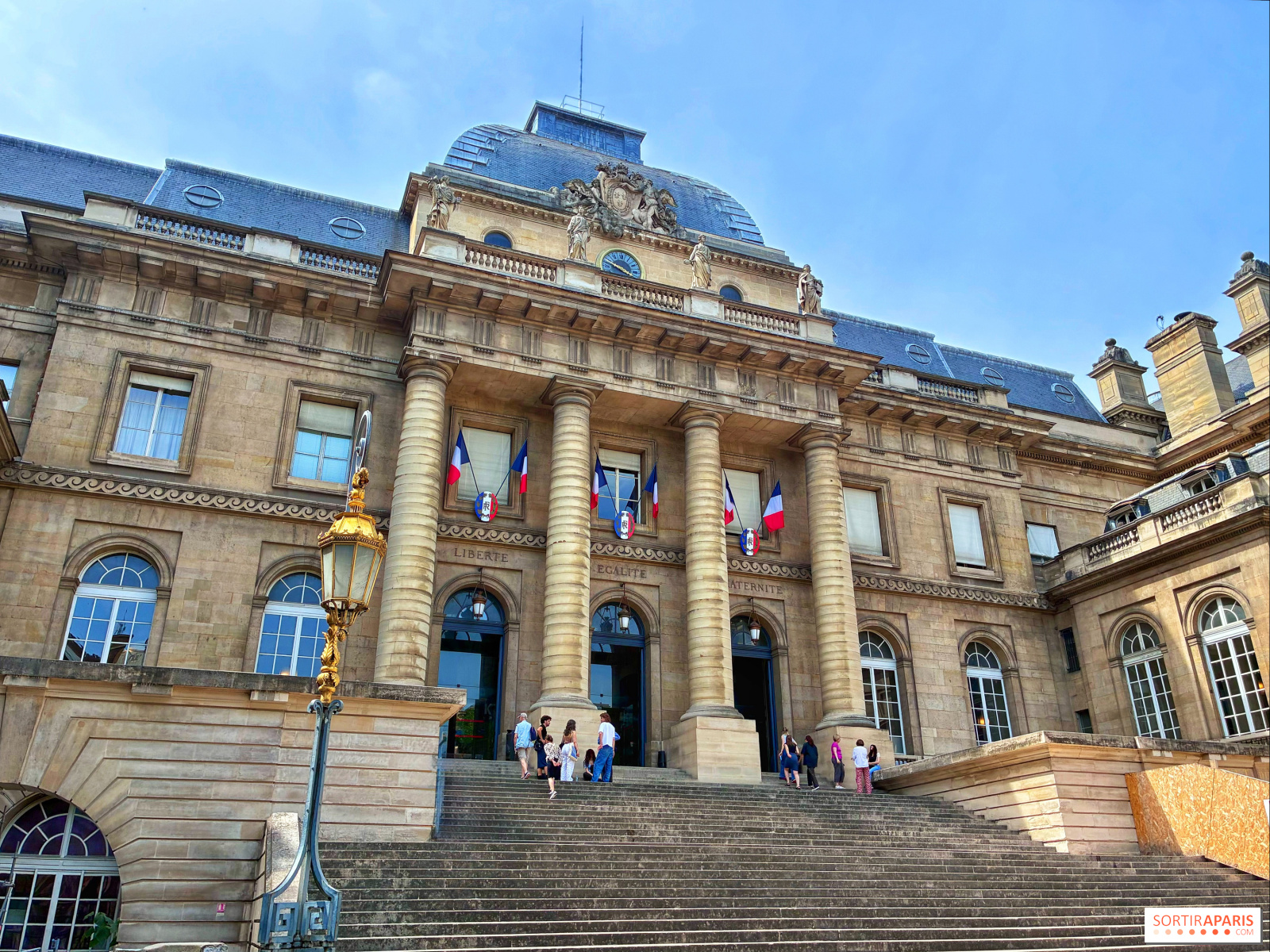
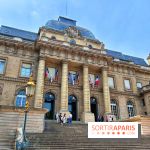
Their neoclassical façades and ceremonial halls were designed to impress litigants and magnify the power of Justice.
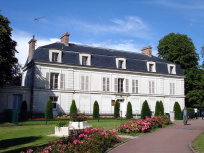
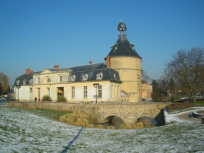
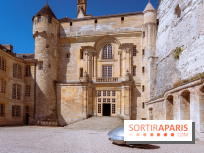
This historic monument on Île de la Cité was Paris’s greatest medieval castle.
Behind the gilded façades of today’s judiciary, the foundations of the era’s most majestic royal fortress lie hidden. Long before the monarchy moved its seat to other Parisian residences, Île de la Cité housed a colossal fortified complex. [Read more]
If the Sainte-Chapelle and the Conciergerie that are linked to it are national monuments and are visited as such, they are, in fact, a functioning court. Outside of the Journées du Patrimoine, it isn’t always easy to tour the Tribunal, but there are occasional guided tours organized by Ivan Denat. Expect €17 per person to explore the building for about 2 hours.
Before entering this extraordinary site, note that security is no joke. Checks are even stricter than at the airport, it is absolutely impossible to pass through the turnstiles with the slightest knife, tool, or sharp object. Remember to empty your pockets and plan ahead to avoid having to abandon your belongings at the entrance.

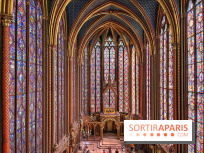
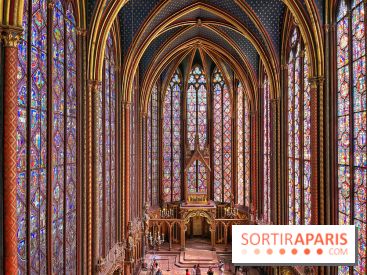
The visit begins in the Cour du Mai, the palace’s ceremonial courtyard, with a few historical reminders about the site’s past. In fact, while you wander, you can still glimpse fleurs de lys carved on some of the exterior walls, and the windows offer stunning panoramas of the monuments that adjoin the complex—Sainte-Chapelle and the Conciergerie.
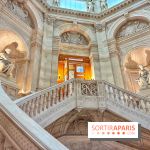
Regarding the Vestibule of Harlay, a newer addition dating from the 19th-century expansion project of the Palace of Justice, it impresses with its ornate mouldings and its four statues—Saint Louis, Philippe Auguste, Charlemagne and Napoleon. Still, the side-installed technical platform is a pity, as it slightly spoils the sightline of this impressive ensemble.
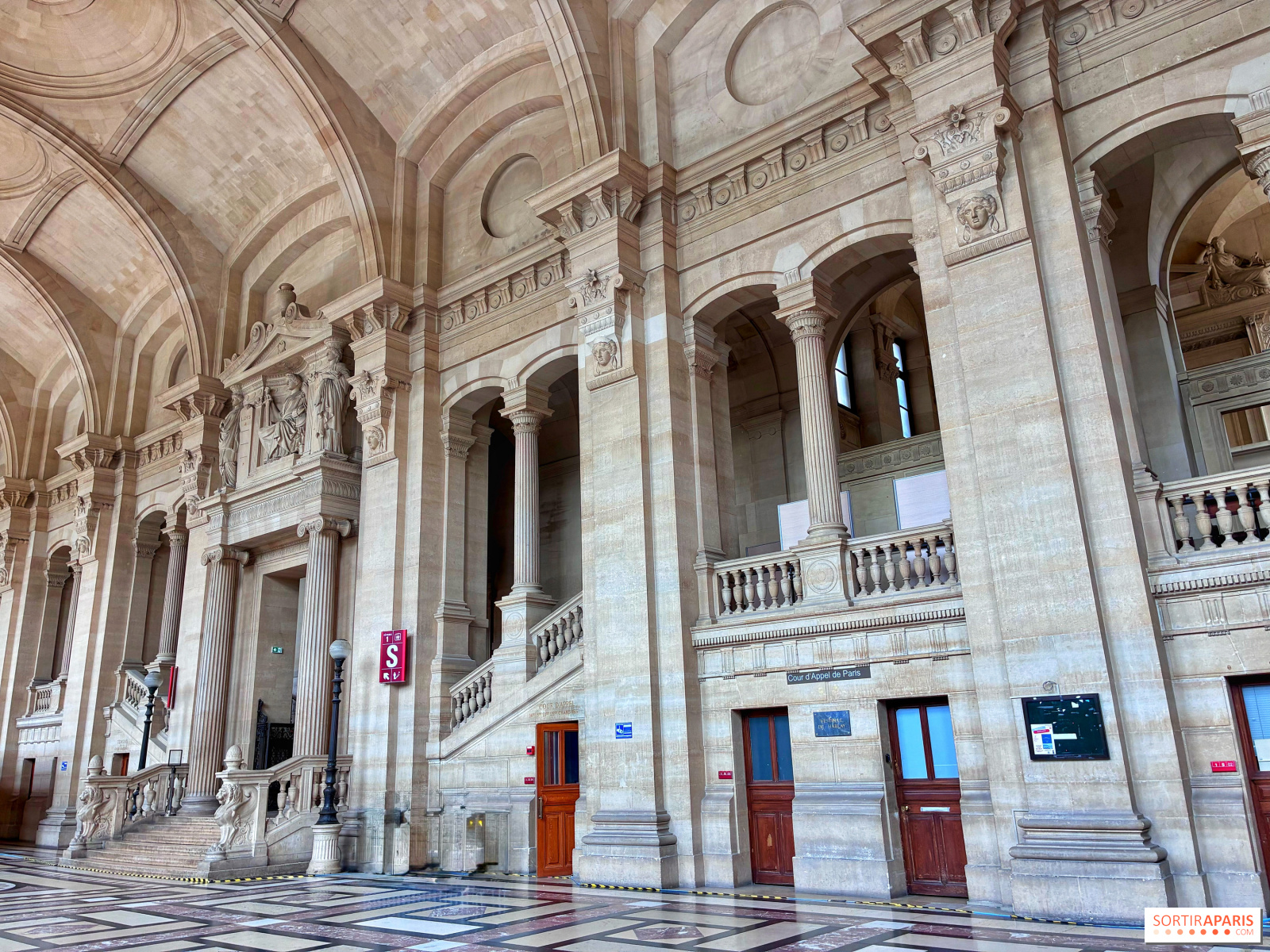
If you preferred visiting the Paris Commercial Court and its grandiose décor, the Palais de Justice makes its mark with its solemnity, a bit more austere. So don’t expect a breathtaking grand staircase or masterful wall frescoes at every turn.
We roam through kilometers of stone corridors, (24 in total, to be exact!) amid which lie a handful of curious black stoves. While they serve no purpose today, they have been kept as witnesses to the era when they managed, however precariously, to heat the place. And in the peak heat of summer, the coolness of the stone is not to be neglected!

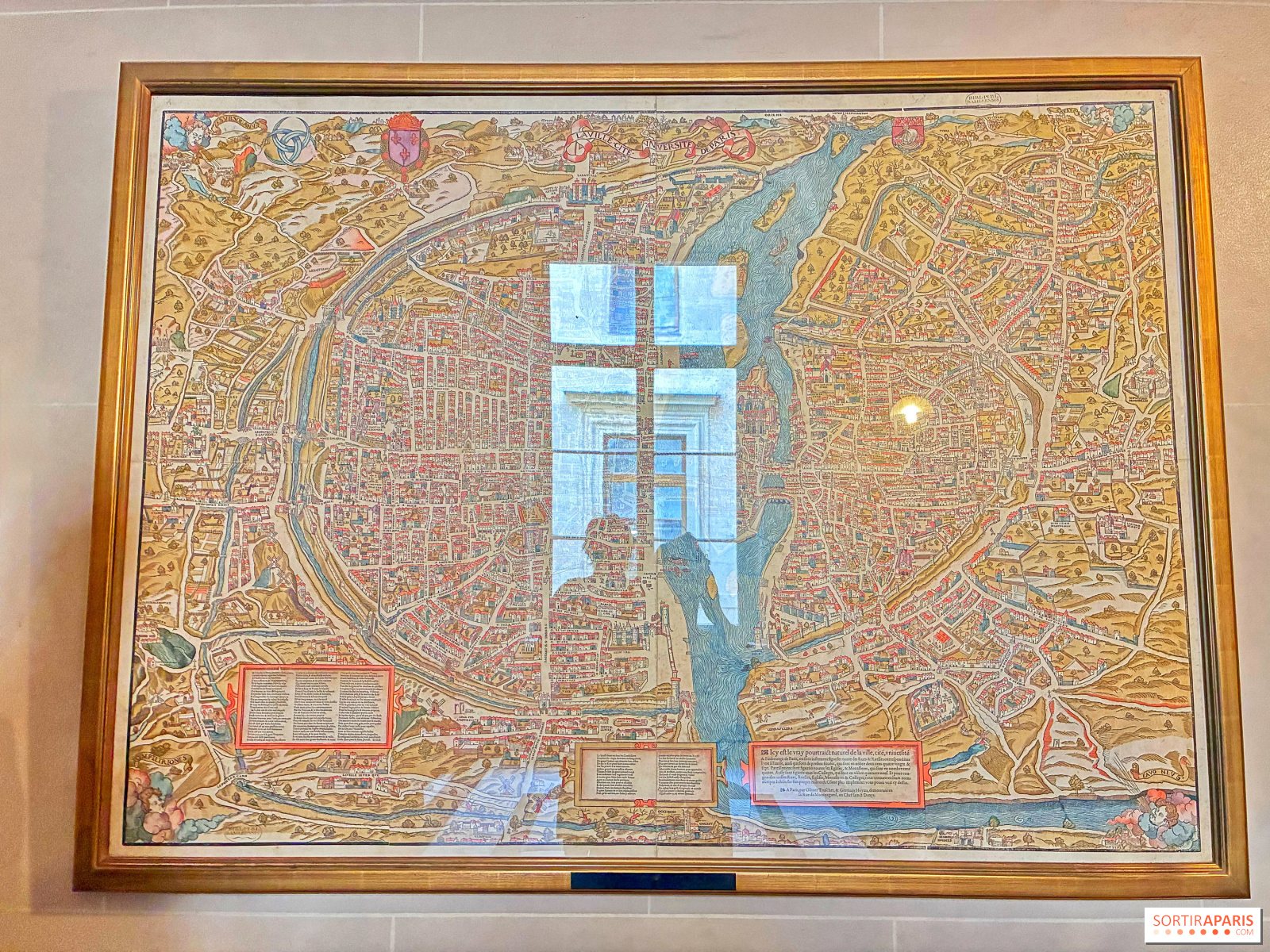
As we thread through this labyrinth, the guide serves up real treats, notably the chance to glimpse the oldest map of Paris, quietly tucked away in a secret corner of the palace. Our tour also leads us to the entrance of the the Court of Cassation.
If one catches a glimpse of the galerie Saint-Louis that leads to the Cour Suprême, access ends here, the area strictly reserved for magistrates. A prohibition that leaves visitors frustrated, as from afar one can discern exceptional painted ceilings and superb stained glass that recall the nearby Sainte-Chapelle.

The strength of this guided tour lies in its ability to connect heritage history with the functioning of modern justice. The guide unpacks the workings of the various courts, the role of magistrates, and the day-to-day reality of the tribunals. To cap the experience in style, we were lucky enough to sit in on a real hearing correctional.
The atmosphere here is particularly ceremonial and arresting. It’s the perfect opportunity to watch the choreography of lawyers and the exchanges with judges in magnificent courtrooms, lined with dark wood paneling and ceilings glittering with gold leaf.

You must show due respect for the ongoing proceedings, silence is golden and mobile phones must be turned off as you enter the courtroom. Moreover, despite the beauty of the gilded decorations and the timbered rooms, it is strictly forbidden to take photos or to film. Visitors are therefore advised to avoid the visit with young children!
Keep a close eye on your group; the Palace of Justice is a sprawling labyrinth. Don’t linger too long admiring the old map or the mouldings when the guide moves to the next room, as it’s very easy to get lost and wander for a few minutes before they return to fetch you.
The Paris Commercial Court isn’t just the arbiter of financial disputes on the Île de la Cité: it stands as one of the most striking witnesses to Haussmann’s transformative renovations. Behind its neo-Renaissance architecture and imposing dome, this historic building conceals impressive technical feats and interior splendors largely unknown to the public—treasures revealed during exclusive guided tours. [Read more]
This test was conducted as part of a professional invitation. If your experience differs from ours, please let us know.
Dates and Opening Time
From June 5, 2026 to June 26, 2026
Location
Courthouse
08 Boulevard du Palais
75001 Paris 1
Route planner
Prices
€17
Official website
exploreparis.com


















 This historic monument on Île de la Cité was Paris’s greatest medieval castle.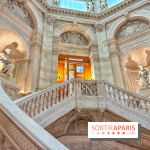


 The Paris Commercial Court: Exclusive Tours of this Hidden Gem on the Île de la Cité