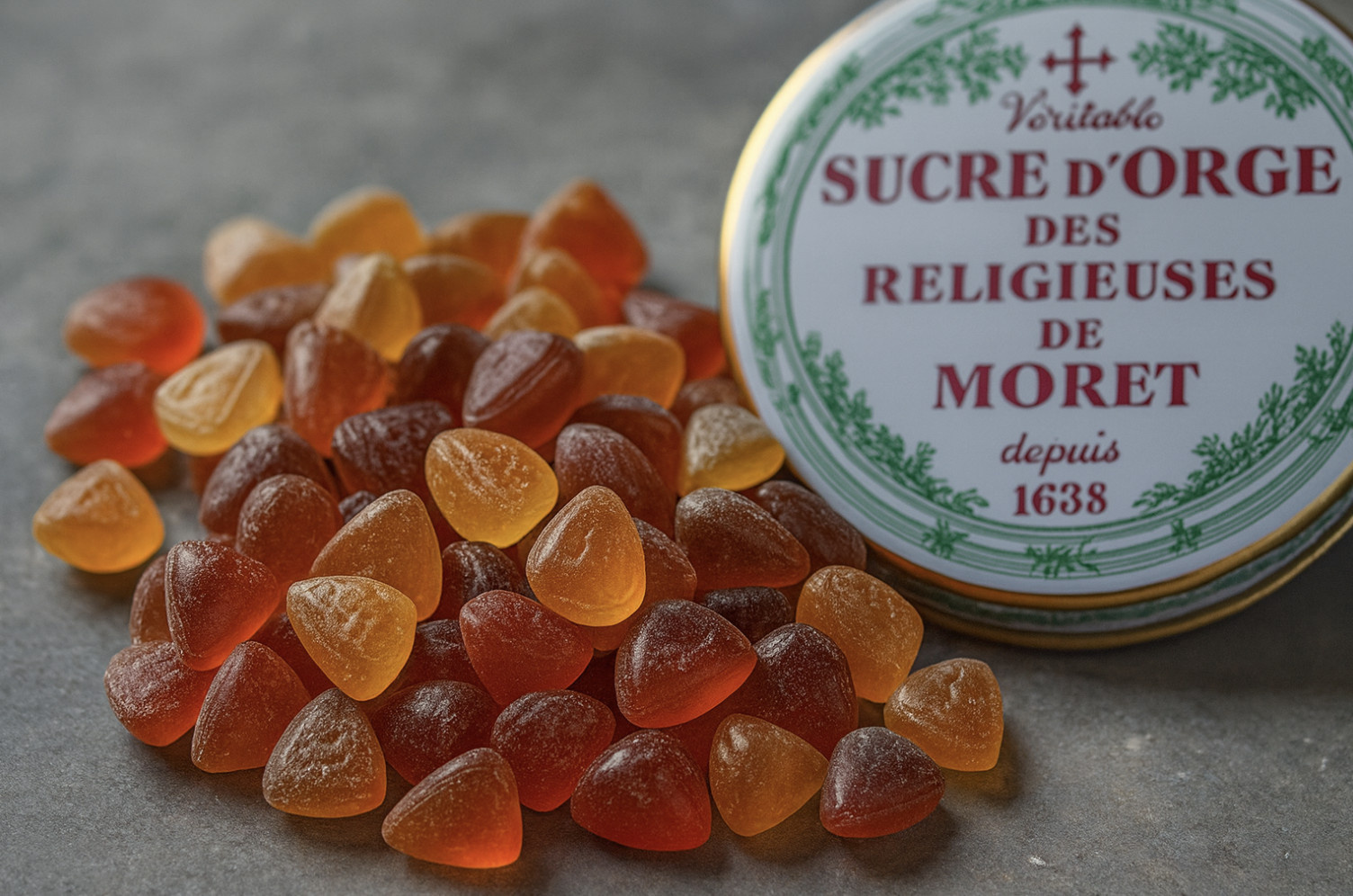
Imagine a translucent sweet made since 1638 in a Benedictine priory in Seine-et-Marne (77), originally designed to soften the voices of preachers. It's the barley sugar of the Religieuses de Moret-sur-Loing, a berlingot or stick with the delicate aroma of barley, still made today to an ancestral recipe.
This legendary sweet, produced in a short circuit and rooted in Moret-sur-Loing, is one of Seine-et-Marne's confectionery specialties alongside the Nemours poppy. It embodies a perfectly preserved tradition, a bridge between the ancient remedies of monasteries and today's gustatory pleasures. More than a candy, it's a taste capsule from the 17ᵉ century!
Come with us to discover the origins of barley sugar from the nuns of Moret-sur-Loing, this mythical candy with a taste of history, and a true emblem of the local region of the Ile-de-France.
Moret-sur-Loing barley sugar is one of France's oldest sweets! The history of this confection dates back to 1638, when the nuns of the Notre-Dame-des-Anges priory in Moret-sur-Loing developed a recipe combining cane sugar and pearl barley decoction. They added a little vinegar to prevent crystallization, and fashioned sticks or berlingots to soothe sore throats and appease monastic and parish voices.
This delicacy quickly acquired the status of a royal remedy, adopted by the court of Louis XIV, and later acclaimed by famous orators such as the French bishop Jacques-Bénigne Bossuet.
Legend has it that Napoleon I was fond of this barley sugar to soothe his throat before audiences. Later, it was the actress Sarah Bernhardt who never went on stage without warming her voice with a berlingot of Moret.
The recipe has hardly changed since its creation. Made exclusively from cane sugar cooked in a barley decoction, this candy contains absolutely no coloring or flavoring agents. Production ceased during the French Revolution, but the recipe was passed on orally from nun to nun, to prevent its loss.
Although no longer produced by the nuns since 1972, Des Lis Chocolat, based in Nemours, has taken up the torch and continues to make barley sugar according to the original methods of the Moret-sur-Loing nuns.
After baking at around 150°C, the sugar becomes liquid and is poured onto a marble table to cool before being worked by hand. It is at this point in the preparation process that confectioners define its final shape. There are two shapes for Moret-sur-Loing barley sugar: the translucent stick and the transparent triangular berlingot, the latter often marked with a cross and the initials RM for"Religieuses de Moret".
Each candy is then delicately dusted with powdered sugar to prevent sticking to the tins, a traditional gesture still practiced today.
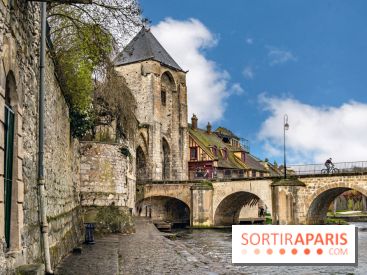
Housed in the Provencher Mill, on an island in the middle of the River Loing, the Sucre d'Orge Museum traces over 300 years of confectionery tradition. It displays the tools used in production, recounts the major historical stages and offers tastings in the boutique, located in Place Royale. Please note, however, that the museum is currently closed for renovation and is due to reopen in 2026.
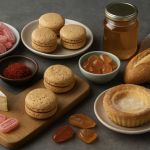
The Paris region through its terroir : Discover the culinary specialties of Île-de-France
You think you know the Paris region like the back of your hand, but how well do you know its terroir? Don't delay in discovering the culinary specialties of Île-de-France! [Read more]
This page may contain AI-assisted elements, more information here.
Location
Moret-sur-Loing
moret-sur-loing
77250 Moret sur Loing
Official website
www.deslischocolat.com



 The Paris region through its terroir : Discover the culinary specialties of Île-de-France