Author, musician, poet, inventor... Boris Vian made Paris a living space for music, parties, encounters and experimentation. He explored its underground clubs, unlikely apartments and mythical cellars.
Following in his footsteps, from the Tabou to the Club Saint-Germain, from the Caveau des Lorientais to the Cité Véron, rediscover a vibrant, creative Paris, from the Right Bank to the Left.
Engineer, poet, musician and novelist, Boris Vian was a brilliant jack-of-all-trades in post-war Paris. He frequented Saint-Germain-des-Prés, where he rubbed shoulders with Sartre, Juliette Gréco and Miles Davis, embodying a free, ironic and profound spirit. His short but intense life made him a literary and musical myth, still alive today.
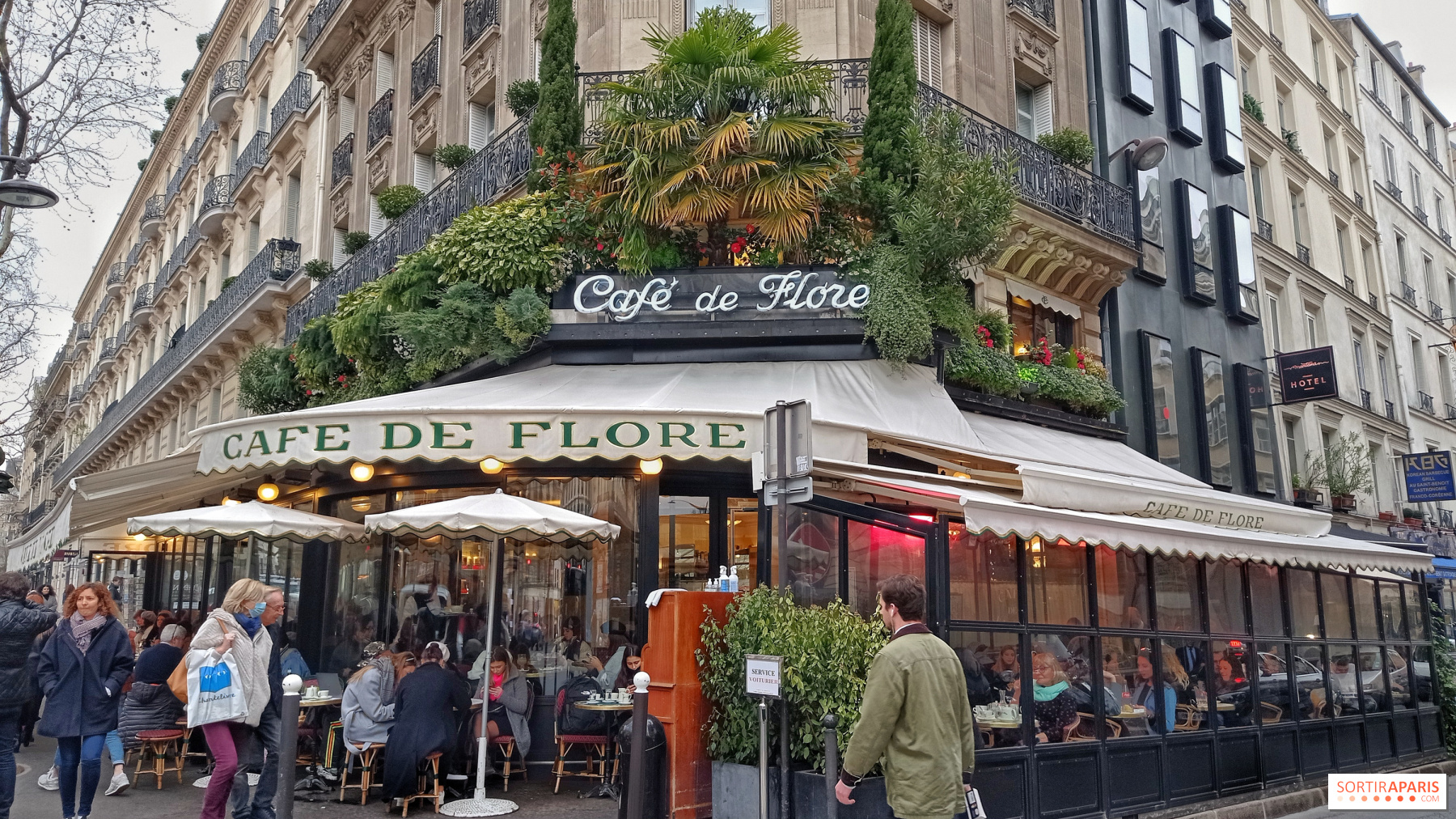
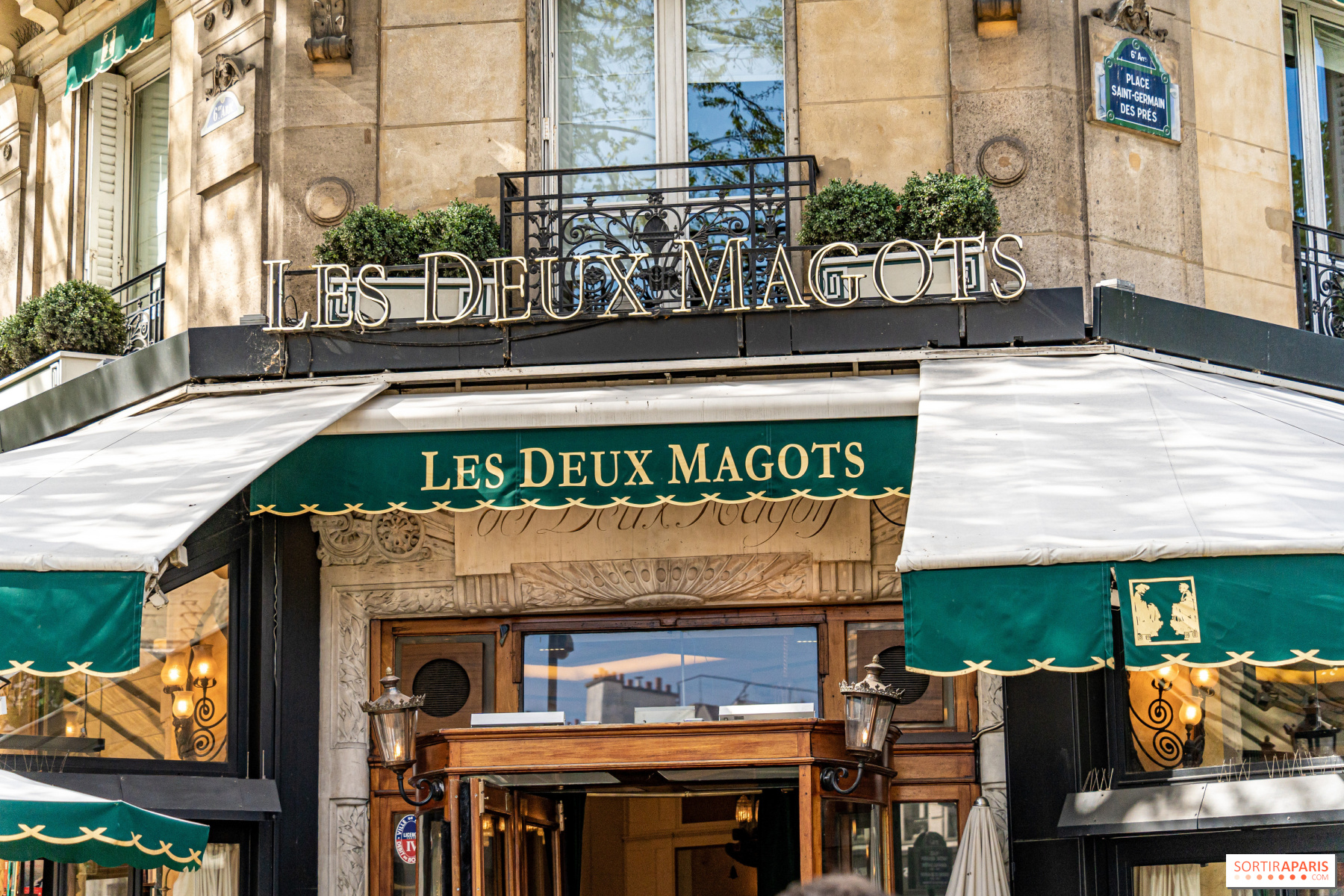
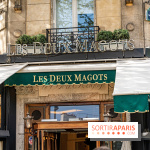
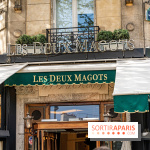
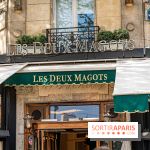
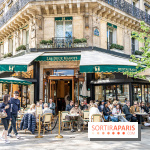
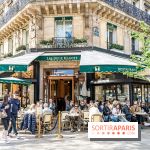
Les Deux Magots and Café de Flore (6ᵉ arr.). In the Saint-Germain-des-Prés district, Boris Vian was a regular at these two cultural cafés, veritable institutions where he exchanged, sometimes declaimed, and mingled with existentialist thinkers, musicians and poets. The neighborhood quickly became the Parisian epicenter of the post-war literary and musical generation.
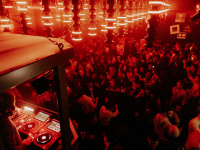
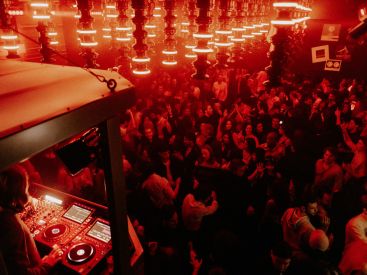
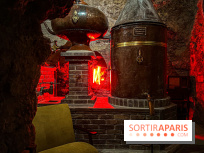
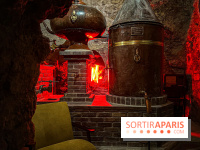
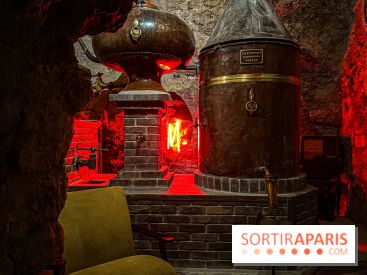
Le Tabou (6ᵉ arr.). Shortly after the Second World War, this jazz cellar at 33 rue Dauphine became Boris Vian's central Parisian hangout. Here he practiced what he called "trompinette" in a cellar with a crazy atmosphere where zazous, intellectuals and enthusiasts gathered late into the night. Le Tabou closed its doors in 1962, as did the Caveau des Lorientais (5 rue des Carmes), another jazz club, and the Club Saint-Germain (13 rue Saint-Benoit), which was home to some of the biggest names in American and French jazz. The cabaret-theater La Rose Rouge (76 rue de Rennes, in the basement of today's L'Arlequin cinema) is also mentioned among its now-defunct nightlife landmarks.
La Cité Véron (18ᵉ arr.). From 1953 until his death in 1959, Boris Vian lived at 6 bis cité Véron, a cul-de-sac behind the Moulin Rouge. This discreet dwelling, in a former cabaret dressing room, becomes a poetic space with small salons, singular objects and an abundant library. Vian shared this landing with Jacques Prévert, and the two installed a terrace known as the "Trois Satrapes", a place for conviviality and reading. An amusing feature of the apartment: faced with the narrowness of the premises, Boris Vian had a hole drilled in the wall to accommodate the bathtub, leaving it straddling the bathroom and bedroom!
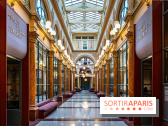
The legendary restaurants and cafés of artistic and literary Paris, historic addresses
Immerse yourself in the Paris of yesteryear, discovering the mythical and historic restaurants, bistros and cafés where artists, authors and intellectuals met. [Read more]
A landmark of Saint-Germain-des-Prés, Les Deux Magots embodies the Paris of letters and cafés. Opened in 1885, it was the Art Deco haunt of Sartre, Beauvoir and Hemingway. [Read more]
A legendary café in the 6th arrondissement, the Café de Flore is the symbol of the German-Pratin intelligentsia. Since the late 19th century, it has attracted writers, philosophers and coffee-lovers to its unchanged setting. [Read more]
Location
Les Deux Magots
6 Place Saint-Germain des Prés
75006 Paris 6
Route planner
Accessibility info
Access
Metro Saint-Germain-des-Prés












 The legendary restaurants and cafés of artistic and literary Paris, historic addresses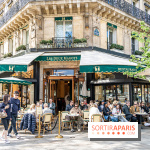

 A brief history of Paris's great restaurants: Les Deux Magots, artistic life in Saint-Germain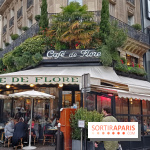
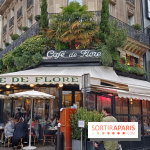
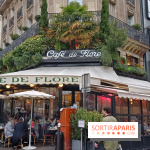
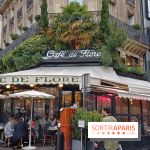 A brief history of the great restaurants of Paris: Le Café de Flore, literature and elegance