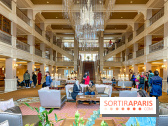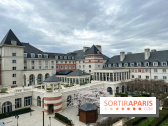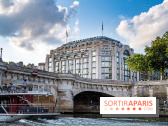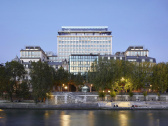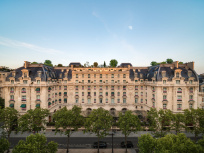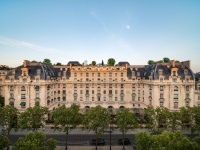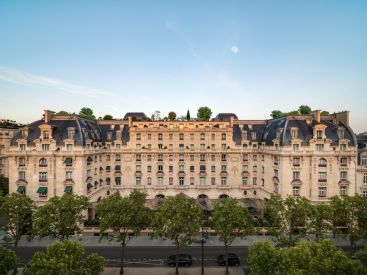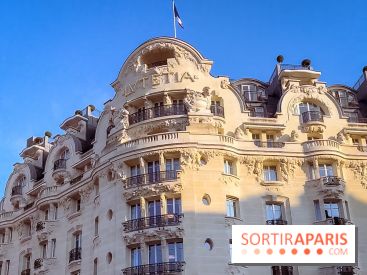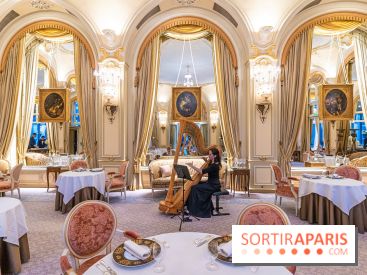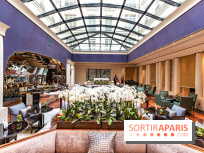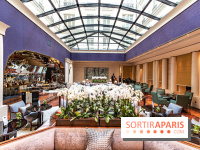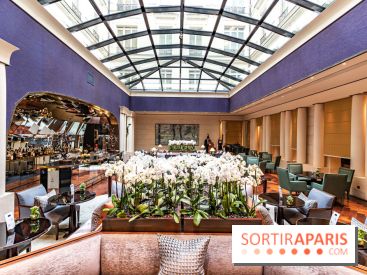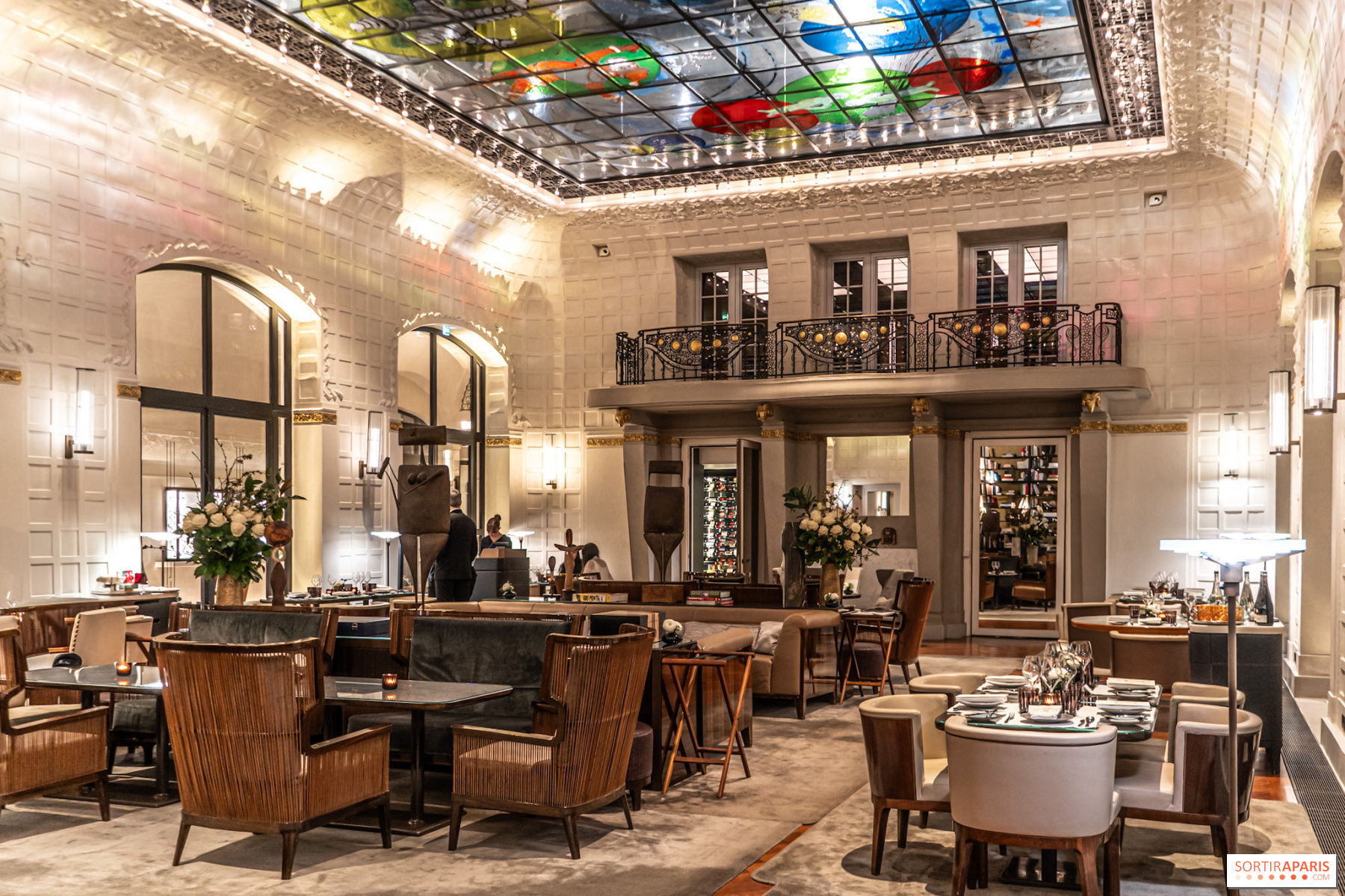
For over a century,the Lutetia has embodied theartistic, literary and sophisticated spirit of Saint-Germain-des-Prés. Designed in 1910 on the initiative of the Boucicaut family, founders of the Le Bon Marché department store, the building was from the outset intended as a luxury showcase for customers from the provinces and across the Atlantic looking for a prestigious address on the Left Bank.
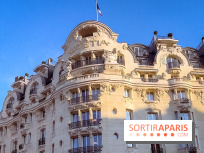
Architects Louis-Charles Boileau and Henri Tauzin created a style that oscillated between Art Nouveau and the beginnings of Art Deco, with a sculpted facade, arched windows, stained glass windows, sumptuous salons and pictorial frescoes. During the interwar years, the Lutetia became a favorite residence for intellectuals: James Joyce wrote part ofUlysses there, André Gide frequented literary salons, Samuel Beckett stayed there, and Sartre and Malraux crossed paths in its corridors.
During the Second World War, the Lutetia was requisitioned by German forces, and in 1945 served as a repatriation center for camp survivors, housing several thousand deportees. Over the decades, the hotel changed hands - the Taittinger family owned it for a long time, before a major renovation was entrusted to Jean-Michel Wilmotte.
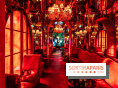
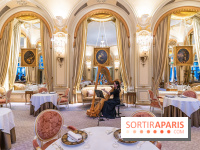
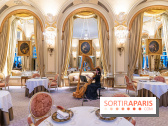
Reopening in July 2018 with just 184 rooms - compared with over 230 previously, it now unveils a spa, restaurants, a Josephine bar, as well as signature suites, rediscovered frescoes and restored original decor.
The creation of Le Lutetia was part of a commercial and cultural logic. The Boucicaut family, through Le Bon Marché, sought to offer wealthy customers shopping in Paris a luxury address nearby. As early as 1910, the hotel was conceived as a hub of luxury on the Left Bank, with hushed lounges, large skylights and refined furnishings.
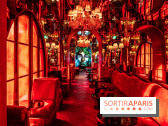
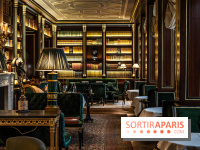
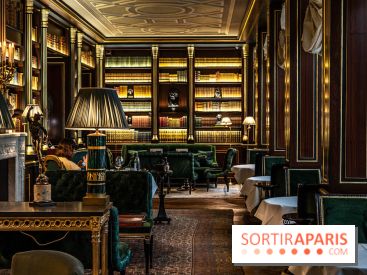
An Art Deco bar with a country-style fresco by Adrien Karbowsky was soon installed. The architecture combines generous volumes, sculpted pediments, meticulous ironwork and noble materials, while leaning towards discreet modernism. Lutetia is a link between tradition and the avant-garde.
In the 1920s and 1930s, the Lutetia became a literary and cosmopolitan hotbed. James Joyce, staying in Paris, worked on Ulysses. André Gide, a frequent guest at literary salons, held dinners with Cocteau and Proust. Samuel Beckett, Antoine de Saint-Exupéry and Klaus Mann were among the regular literary residents. Charles de Gaulle is even said to have spent his wedding night there.
The Lutetia also welcomes foreign artists and musicians, a veritable cultural embassy on the Left Bank. With its elegant atmosphere and proximity to cafés, bookshops and publishing houses, the hotel becomes part of the Parisian intellectual ecosystem, contributing to thedistrict's German-Pratin spirit.
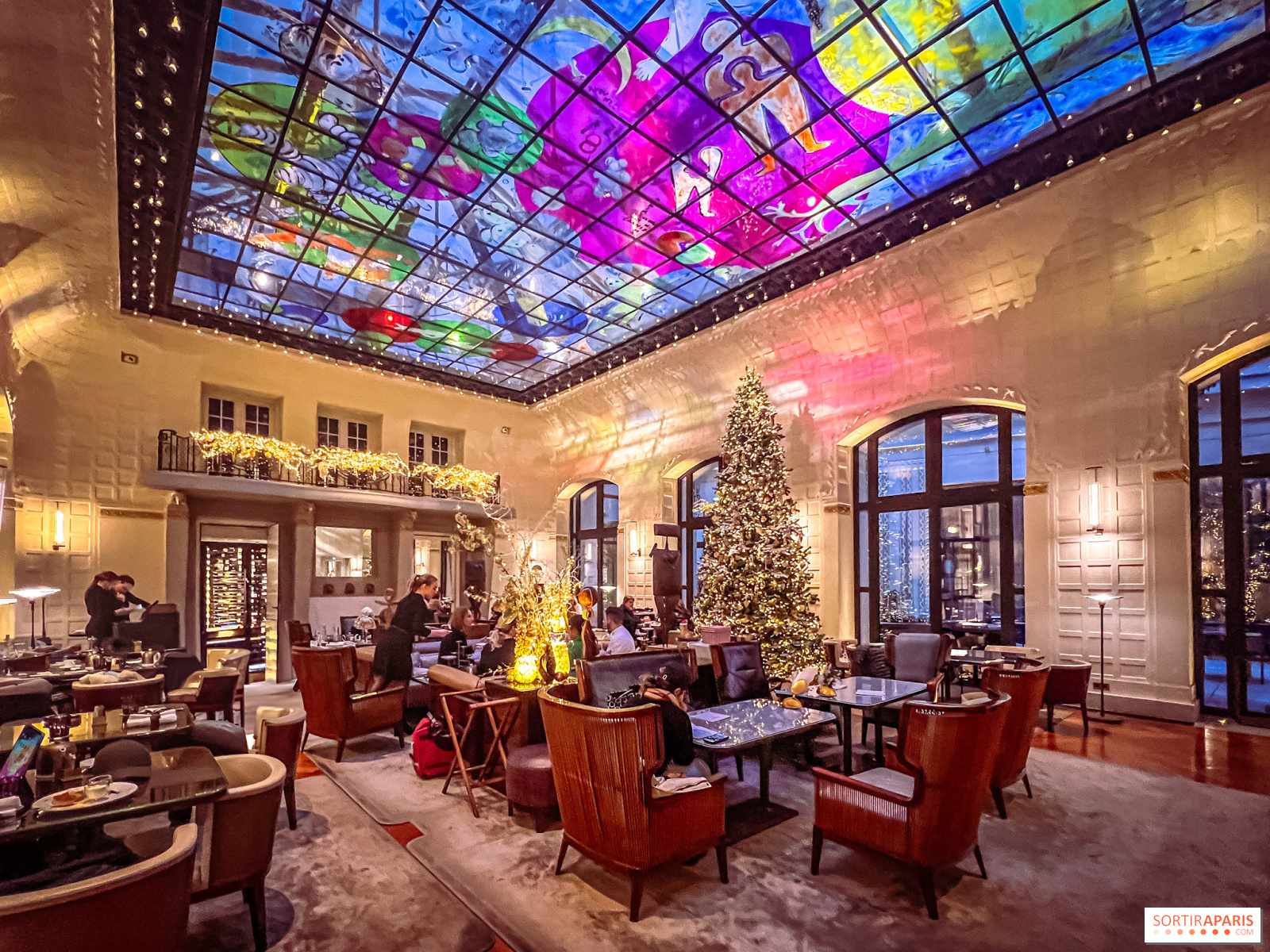
When war broke out, the Lutetia, like many luxury hotels, was requisitioned. The building was used as German HQ, and the hotel was placed under military control. At the Liberation, the provisional government transformed the Lutetia into a reception center for survivors of the Nazi camps: some 18,000 deportees passed through, in an outpouring of emotion and reunion, the hotel being nicknamed the"palace for returnees".
General de Gaulle ordered logistical aid, medical organization and round-the-clock assistance. This humanitarian mission gave the Lutetia a strong symbolic dimension, over and above its hotel status.
After the war, the hotel passed through a number of owners, becoming part of the Taittinger group in 1955, and underwent a series of one-off renovations. In the 1980s, designer Sonia Rykiel opened a boutique in the hotel and oversaw an update of theArt Deco-inspired interior decor. In 2010, the Alrov hotel group acquired the property and began a complete restoration in 2014.
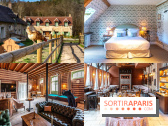
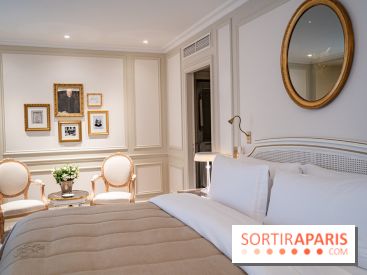
Architect Jean-Michel Wilmotte oversaw the reopening, which saw the number of rooms reduced to 184, including 47 suites, in order to offer more generous spaces. The renovation reveals original frescoes that had been forgotten under layers of old paint , and allows for the restoration ofperiod decorative elements. A spa has been created, and restaurants redesigned: La Brasserie Lutetia, Salon Saint-Germain, l'Orangerie and the Josephine bar, which pays tribute to Josephine Baker, all designed to marry Parisian tradition with contemporary luxury. Finally, in 2025, the hotel officially became Mandarin Oriental Lutetia, marking a new chapter in its long history as a hotel.
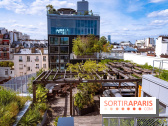
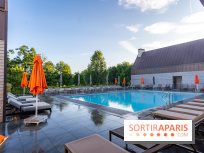
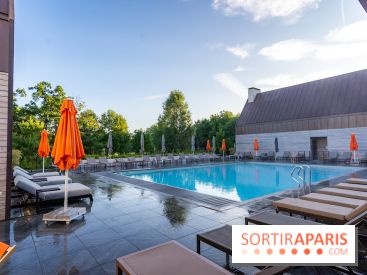
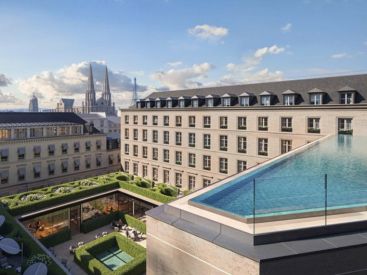
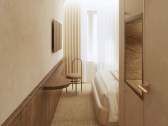
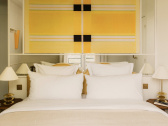
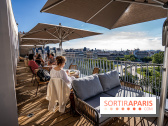
The aesthetics of the Lutetia are based on an elegant blend of styles: the façade bears witness to a mingling of Art Nouveau and Art Deco influences ; the balconies, bow windows and floral motifs evoke the artistic movements of the early 20ᵉ century; the interior combines marble, lacquer, fine ironwork and high-end materials. The spa boasts seven treatment rooms, a swimming pool, hammam and holistic treatments, while the signature suites offer views over Saint-Germain-des-Prés.
Between artistic glamour and historical drama, the Lutetia is a living monumentto Parisian history.
This page may contain AI-assisted elements, more information here.
Dates and Opening Time
Next days
Wednesday:
from 12:00 a.m. to 11:59 p.m.
Thursday:
from 12:00 a.m. to 11:59 p.m.
Friday:
from 12:00 a.m. to 11:59 p.m.
Saturday:
from 12:00 a.m. to 11:59 p.m.
Sunday:
from 12:00 a.m. to 11:59 p.m.
Monday:
from 12:00 a.m. to 11:59 p.m.
Tuesday:
from 12:00 a.m. to 11:59 p.m.
Location
Hotel Le Lutetia
45 Boulevard Raspail
75006 Paris 6
Route planner
Accessibility info
Official website
www.mandarinoriental.com